

`biochemistry` Related Article Results
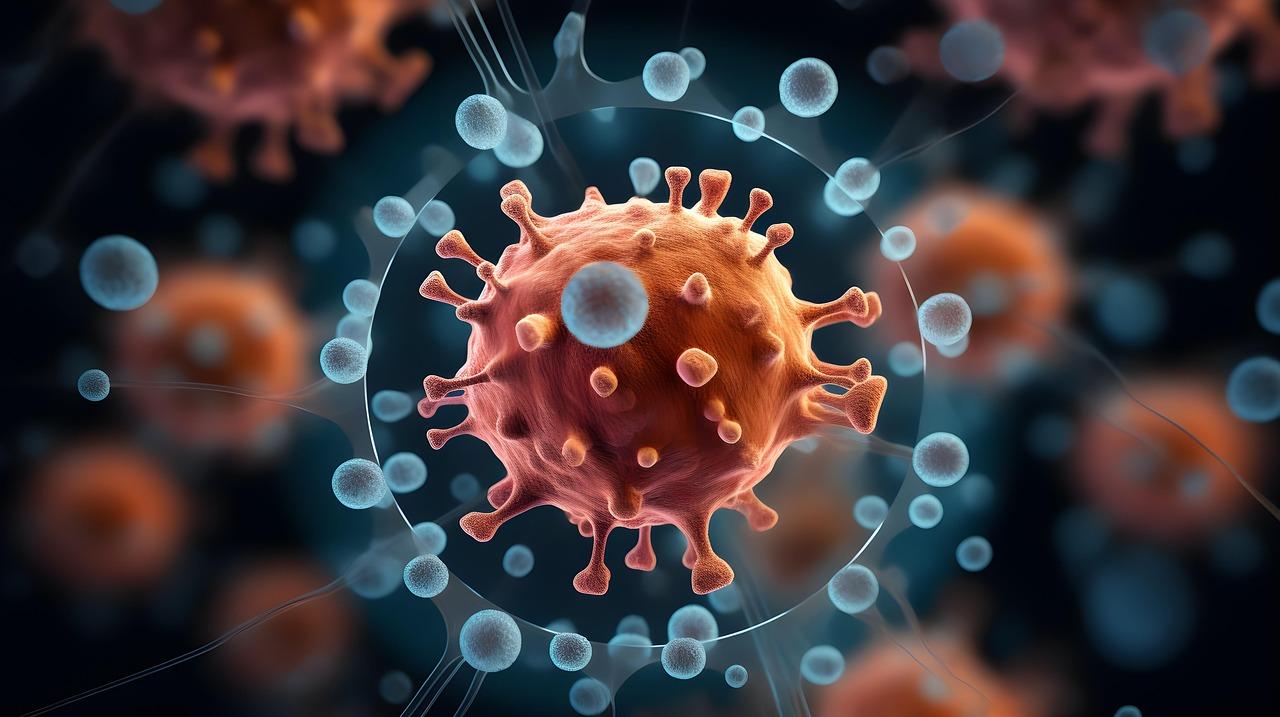
Virology
Virology is a subdiscipline of microbiology that studies the morphology, genetic structure, biochemical properties, replication strategies, interactions with host cells, and methods of diagnosis, treatment, and prevention of diseases caused by viruses. Viruses are obligate intracellular parasites that can replicate only within living cells and lack metabolic activity. In their extracellular phase, viruses are inactive; upon entering a host cell, they use the host’s enzymatic and ribosomal system
EN
Ayşe İkbal Özsakın
Biochemistry
Biochemistry is the scientific discipline that studies chemical processes in living organisms at the molecular level. It comprehensively examines the building blocks of cells, their interactions, energy transformations, and all biochemical reactions necessary for sustaining life. Biochemistry is one of the foundational pillars of modern scientific understanding, intersecting with numerous disciplines including chemistry, biology, physics, medicine, and engineering. Historical Development and Sci
EN
Betül Sena Kırval
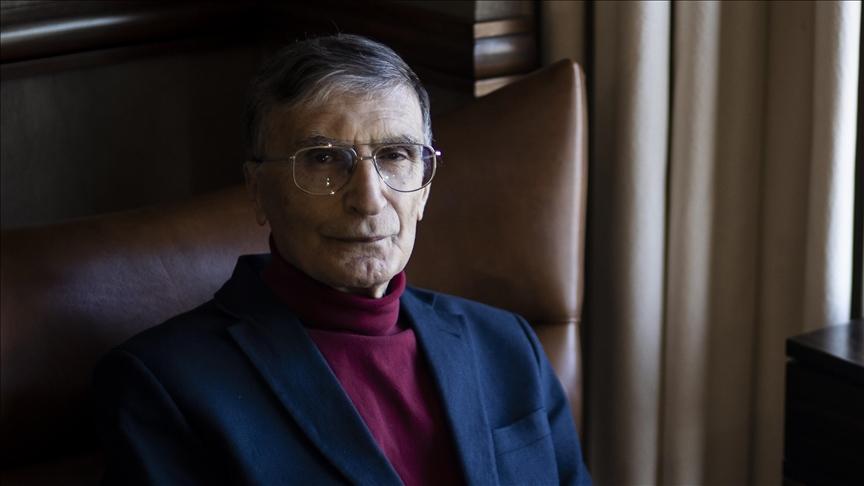
Aziz Sancar
Prof. Dr. Aziz Sancar (born 8 September 1946, Savur, Mardin) is a Turkish scientist biochemist molecular biologist and academic. He is among the leading figures in modern molecular biology due to his pioneering research in DNA repair cell cycle biological clocks and cancer therapy. In 2015 he was awarded the Nobel Prize in Chemistry jointly with Paul Modrich and Tomas Lindahl for their mechanistic studies of DNA repair. Sancar continues his research as a faculty member in the Department of Bioch
EN
Yusuf Bilal Akkaya
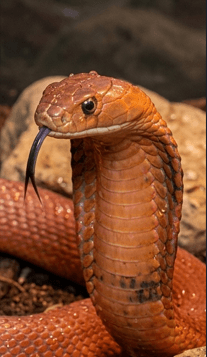
Red-spitting Cobra (Naja pallida)
The Red Spitting Cobra is a venomous snake species belonging to the phylum Chordata, class Reptilia, and family Elapidae. Found in widespread populations across eastern Africa, this species is particularly characterized by brick-red or red-orange coloration, though it may also be observed in brown, pink, yellow, or gray hues. It is distinguished from other species in the genus Naja by a single thick dark band around the neck and throat region. Geographic Distribution, Habitat Preferences, and En
EN
Berat Ay
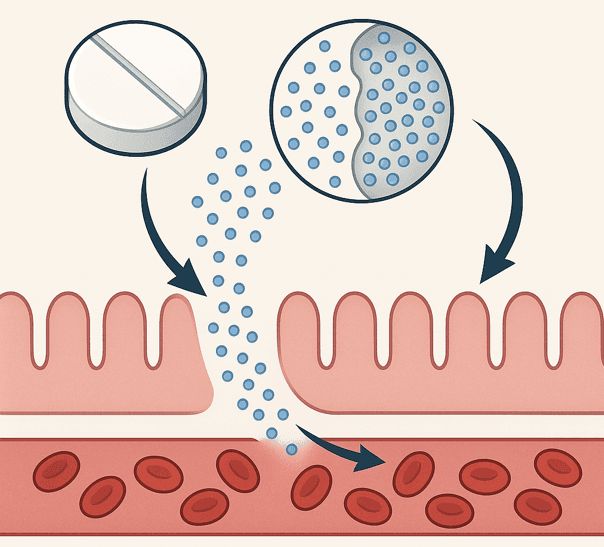
Drug Delivery
Drug release refers to the process by which an active substance administered in a dosage form (e.g. tablet, capsule, implant) exits the form and exerts its effect under controlled or uncontrolled conditions. This process involves three fundamental steps: disintegration of the dosage form, disaggregation of particles, and dissolution. Controlled Release Systems Controlled release systems aim to deliver the active substance at a predetermined rate and maintain constant plasma concentrations. They
EN
Kübra Kaya

Vitamin A
Vitamin A is one of the first recognized vitamins and is a fat-soluble molecule. The molecules exhibiting vitamin A activity, also known as retinoids, contain isoprene units and are classified as steroids. It is known that carotenoids, the precursors of vitamin A, play a role in preventing cancer by reducing the harmful effects of free radicals through their potent antioxidant properties and thereby limiting the impact of carcinogenic substances. General Characteristics of Molecules Exhibiting V
EN
Nursena Güller
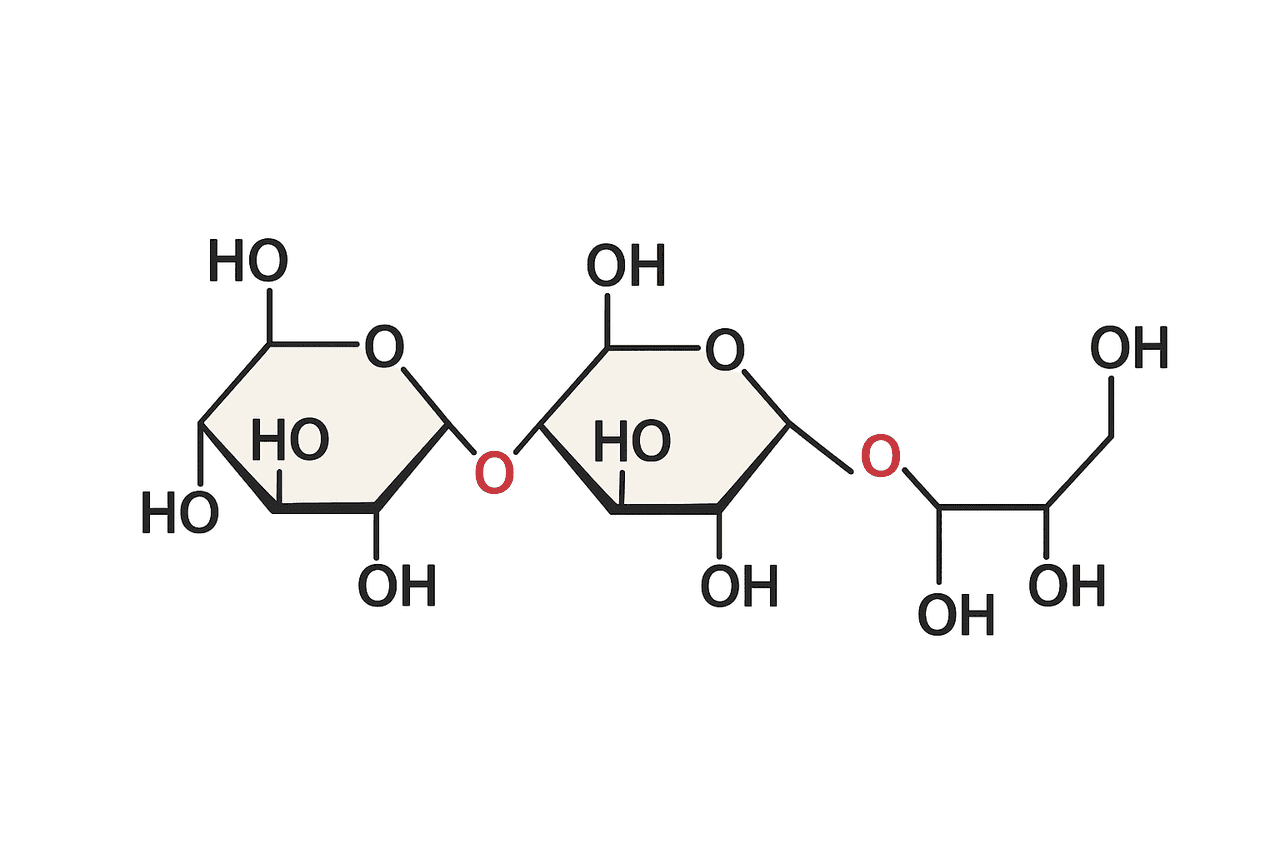
Carbohydrate
Carbohydrates are molecules containing carbon, hydrogen, and oxygen elements. They are formed as aldehyde or ketone derivatives of alcohols with multiple hydroxyl (-OH) groups, or through the hydrolysis of these derivatives. They serve as one of the body’s primary energy sources, contributing to energy needs and regulating blood glucose levels. In normal adults, 45-60% of daily energy requirements are met by carbohydrates. They are classified as simple or complex carbohydrates based on the numbe
ENNursena Güller
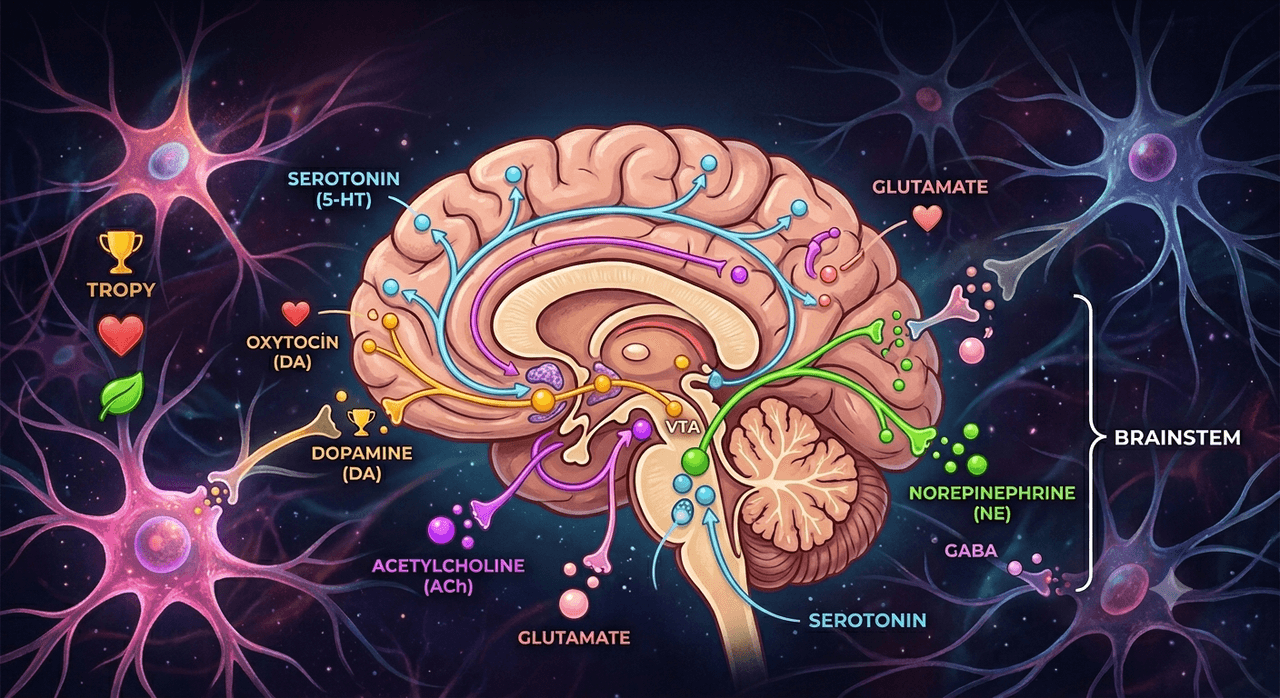
Why Do We Feel Happy, Sad, or in Love? The Role of Neurotransmitters
For much of our lives, we describe ourselves as being in various emotional states such as happy, sad, anxious, or in love. Often we notice that these emotions produce physical symptoms—for example, your heart racing the day before an important exam, or the physical pain you feel when you see the person you are in love with with someone else. Why do we experience these physical symptoms? What factors influence the formation and regulation of our emotions? The answer is not as simple as it may see
EN
Deva Yiğit