Caravanserai
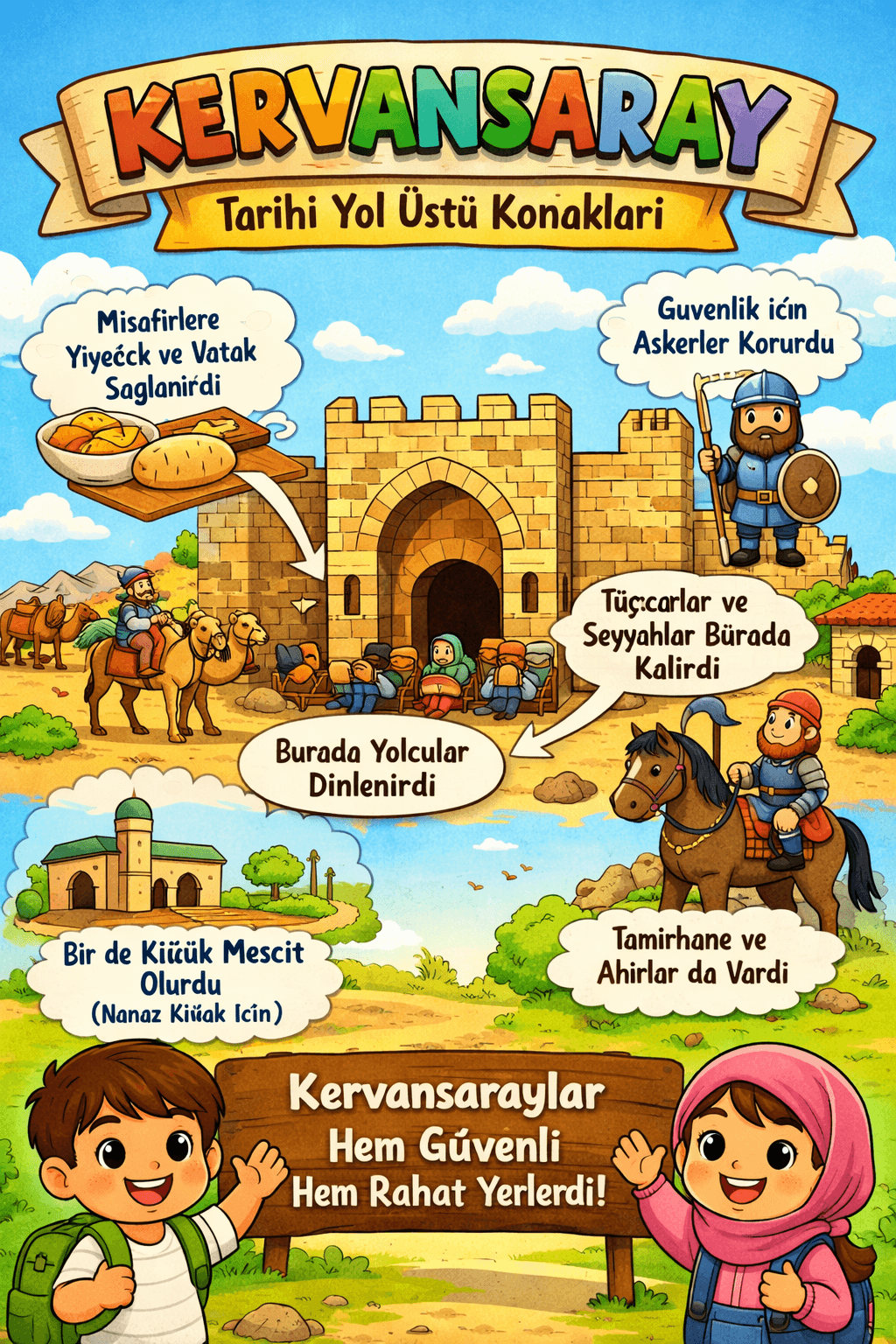
Kervansarays are charitable vakıf structures built along major roads to provide rest and security for caravans traveling long distances in ancient times. These buildings are known as historical lodging centers where merchants, travelers, and their animals could rest during journeys from distant regions.
Why Were Kervansarays Built?
Anatolia has historically lain along important trade routes such as the Silk and Spice Roads. The Seljuks and the Ottoman state constructed numerous kervansarays to maintain the vitality of trade routes and meet the accommodation needs of travelers. These structures were also used to ensure the safety of the roads.
What Was Inside a Kervansaray?
Kervansarays were constructed as sturdy stone buildings to protect against external threats. Inside, they contained rooms for travelers to sleep, a mosque for worship, a bathhouse and ablution area for hygiene, and fountains to supply water. Additionally, farriers were present to care for and shoe animals such as horses, camels, and donkeys in the caravans.
Kervansaray -AA
What Services Were Provided to Guests?
Kervansarays were typically operated under the charitable vakıf system, which emphasized mutual aid. Travelers, needy individuals, and envoys could obtain food, drink, and lodging without payment or for only a minimal fee. Equal treatment was extended to all guests, and their comfort was ensured.
Kervansarays Today
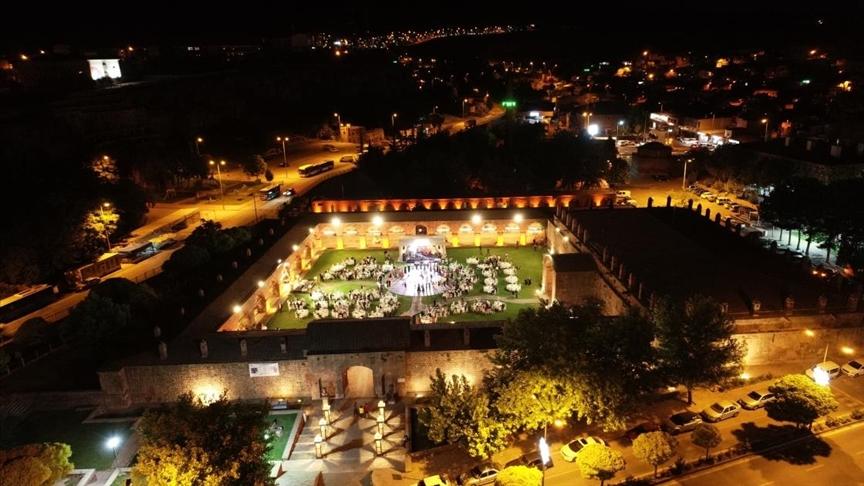
Today, many historical kervansarays have been restored and preserved. Some have been opened to the public as museums, while others are used for cultural events. For example, the Kara Mustafa Paşa Kervansarayı, built in 1670 in the İncesu district of Kayseri, now functions as an event venue for weddings and various performances.