

`caravanserai` Related Article Results
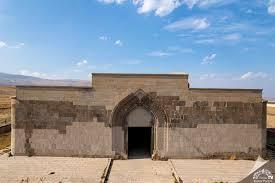
Harmandöven (Ejder) Caravanserai - Iğdır
Have you ever stopped at a rest area after a very long car journey? Caravanserais were exactly that—places where caravans traveling by camel or horse stopped to rest hundreds of years ago. Harmandöven Caravanserai is one of these ancient “inns for travelers,” and its name carries a mysterious word: Ejder! Let’s explore the secrets of this stone structure together. What Is a Caravanserai? 🐪 A caravanserai is a large, fortified building where caravans—groups of traders and their pack animals—coul
EN
Nida Üstün
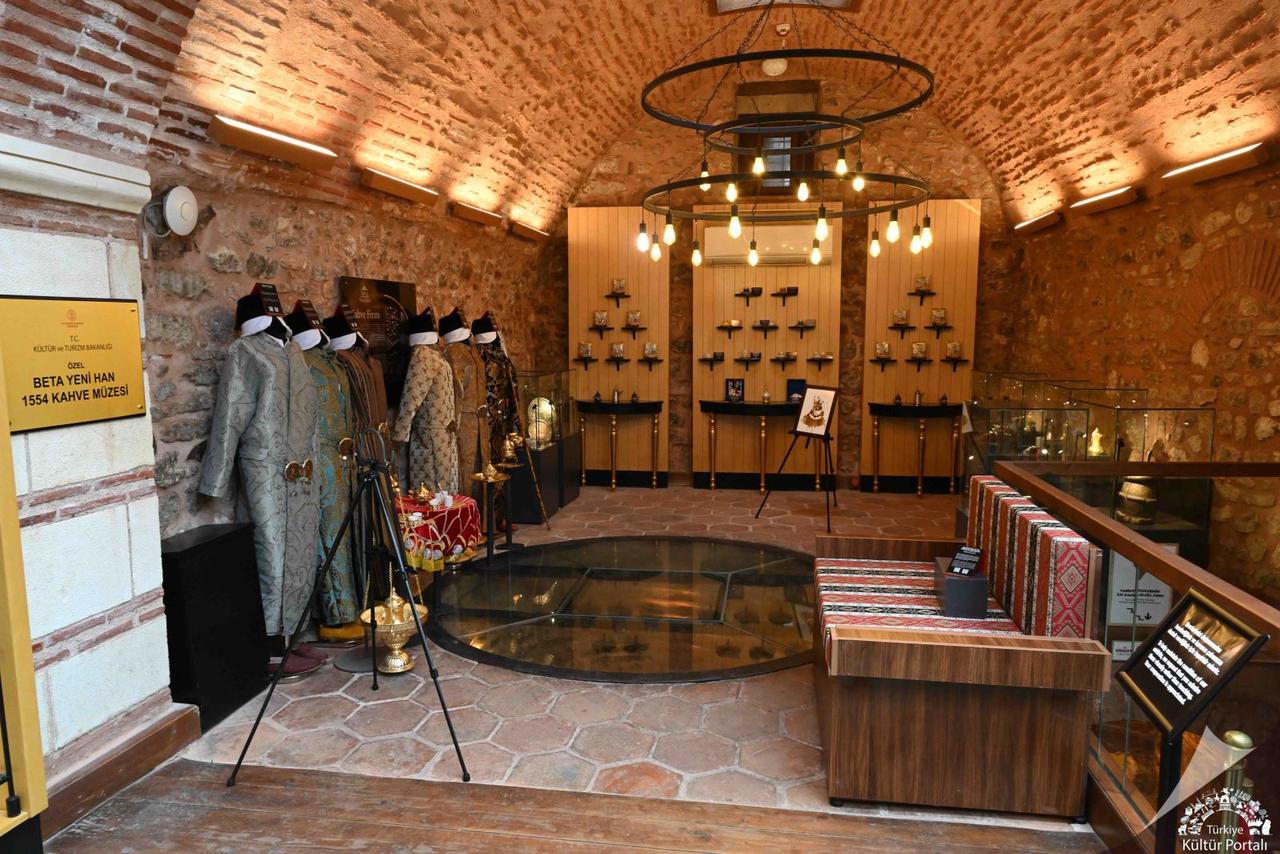
Beta Yeni Han 1554 Coffee Museum - Istanbul
Hans were large buildings where merchants and travelers journeying between cities would rest and securely store their goods hundreds of years ago. Beta Yeni Han in Istanbul is one such structure. However, it possesses a particularly significant feature that distinguishes it from others: its strong connection to the history of coffee. 📜 How Did Hans Operate in the Past? In earlier times, hans functioned like a combination of today’s hotels and shopping centers. They typically featured a large op
ENNida Üstün
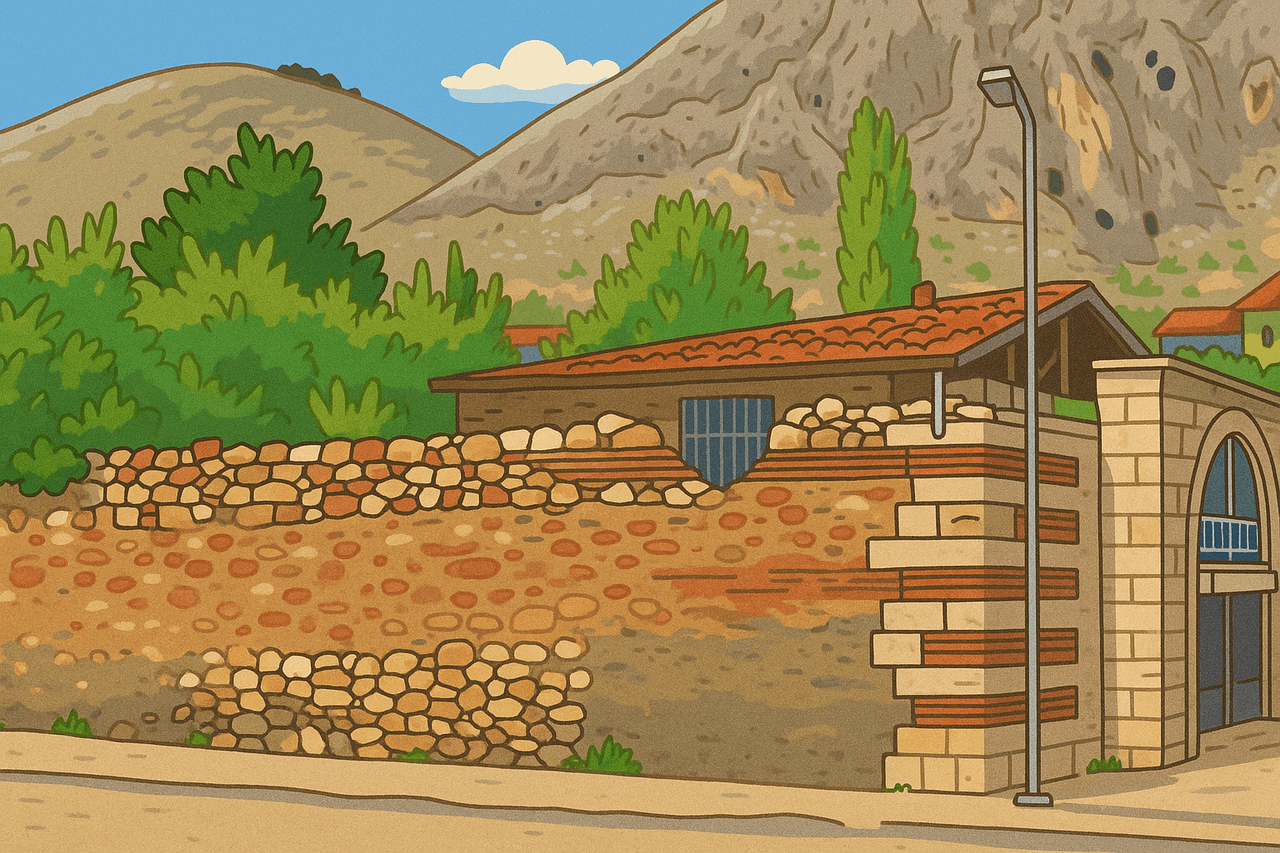
Paşa Han - Tokat
Paşa Hanı is a multifunctional building located in the center of Tokat, recognized as one of the classic examples of Ottoman-era caravanserai architecture, used for commercial and lodging purposes. During the Ottoman period, such structures known as “han” served as important centers where trade took place and travelers found accommodation. Paşa Hanı was a unique hub at the heart of Tokat, where commerce and human interaction converged. Historical Background and Location Paşa Hanı is situated wit
EN
Yusuf İslam Tuğla
Caravanserai
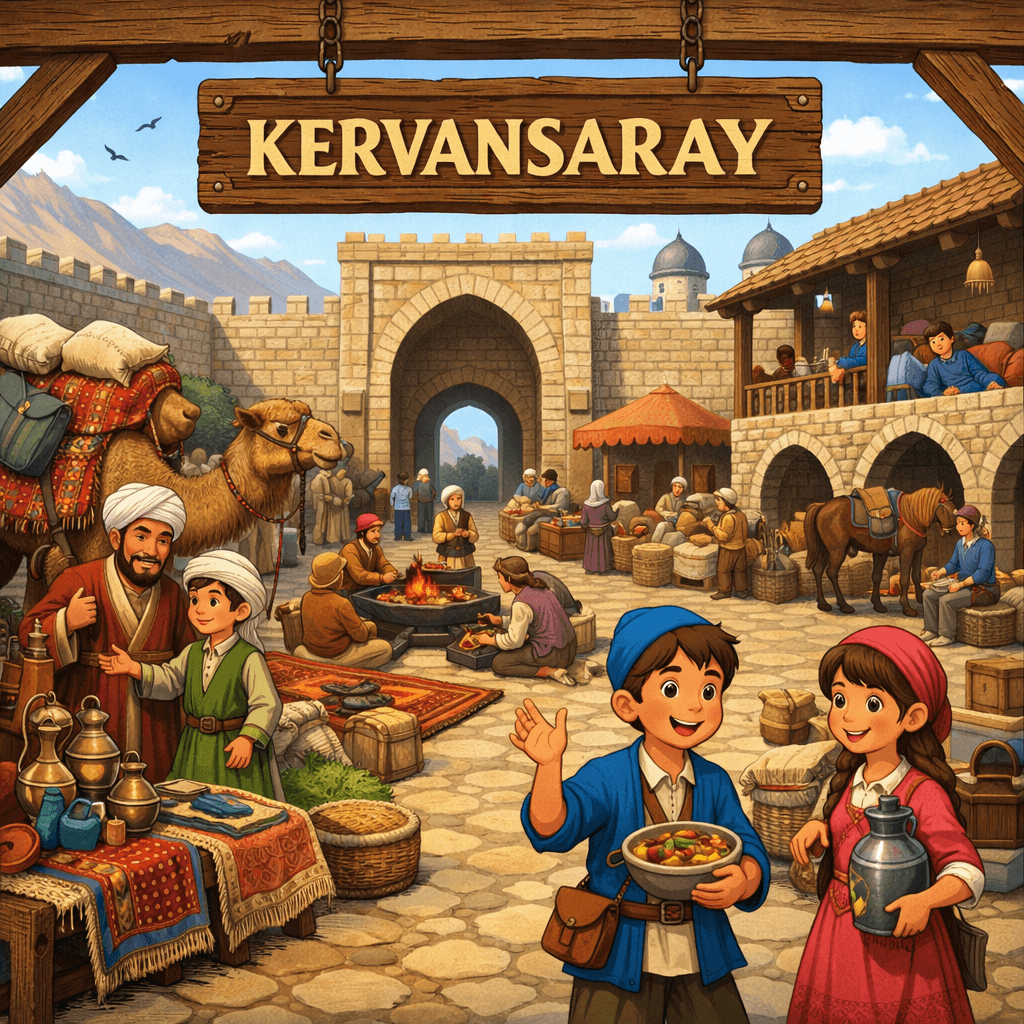
Kervansarays are charitable vakıf structures built along major roads to provide rest and security for caravans traveling long distances in ancient times. These buildings are known as historical lodging centers where merchants, travelers, and their animals could rest during journeys from distant regions. Why Were Kervansarays Built? Anatolia has historically lain along important trade routes such as the Silk and Spice Roads. The Seljuks and the Ottoman state constructed numerous kervansarays to m
EN
Rabia Çiftci
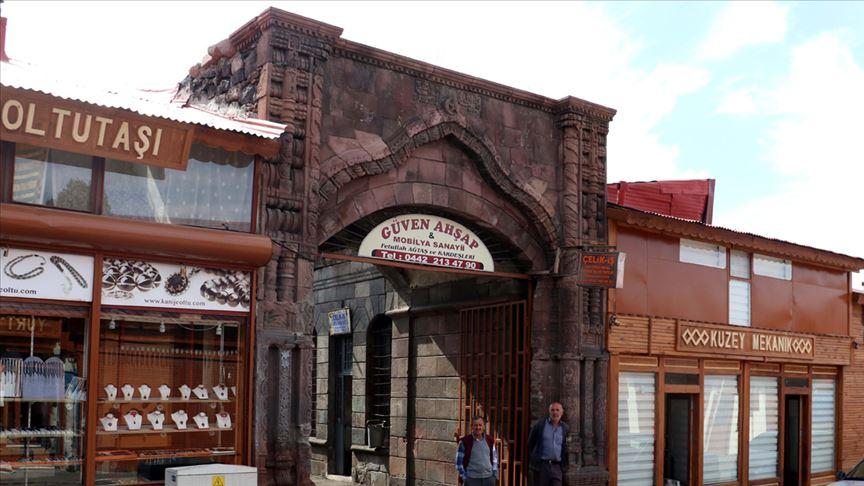
Kamburoğlu Hanı
Erzurum is home to the Kamburoğlu Hanı, a highly significant historical structure that preserves the commercial life of the Ottoman era for the present day. It was built to provide caravans, which undertook long and exhausting journeys, with a safe place to rest, care for their animals, and protect their valuable goods. Kamburoğlu Hanı (AA) " image-element-format="right" image-height="486" image-source="https://cdn.t3pedia.org/media/uploads/2026/03/28/vejpOsobffk1ya031d3RY6HrjqALzcNk.jpeg" image
ENSude nur Akgüneş
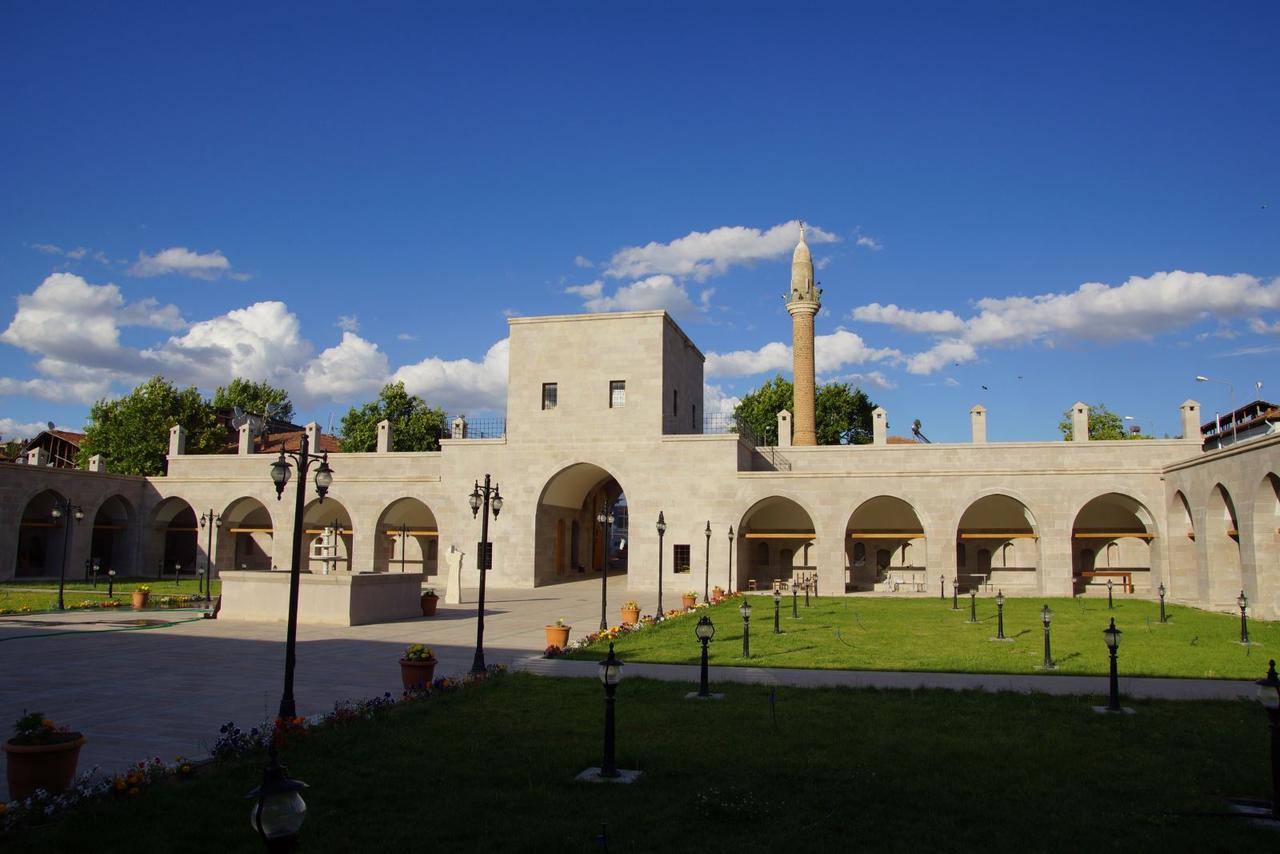
Silahtar Mustafa Pasha Caravanserai
Silahtar Mustafa Paşa Kervansarayı is a caravanserai from the Ottoman period located in the Battalgazi district of Malatya province. The structure is situated along historical trade routes in Anatolia and forms part of the network of buildings constructed to meet the accommodation and logistical needs of travelers and merchant caravans within the Ottoman transportation and lodging system. History Construction Process and Founder Silahtar Mustafa Paşa Kervansarayı was commissioned by Silahtar Mus
EN
Melikcan BUDAK
Han El Barur
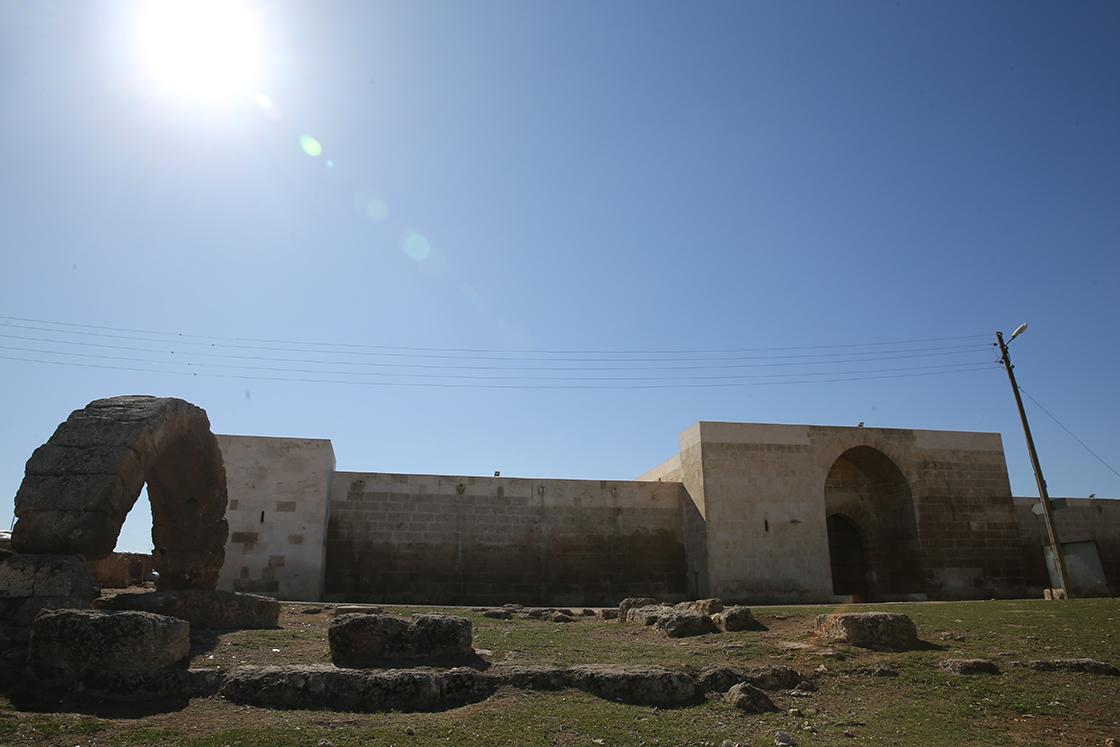
Han el-Ba’rur Kervansarayı is a caravanserai structure located within the boundaries of Şanlıurfa province, near Göktaş Village in the Harran district, dating to the Ayyubid period (13th century). Positioned along the historical Harran-Baghdad trade route, it holds significance as the only known Ayyubid caravanserai to have survived within the borders of Anatolia. The structure is an original example of the han-caravanserai tradition in the region, reflecting the interplay of trade, accommodatio
EN
Sevgi Kıraç
Avanos Sarı Han
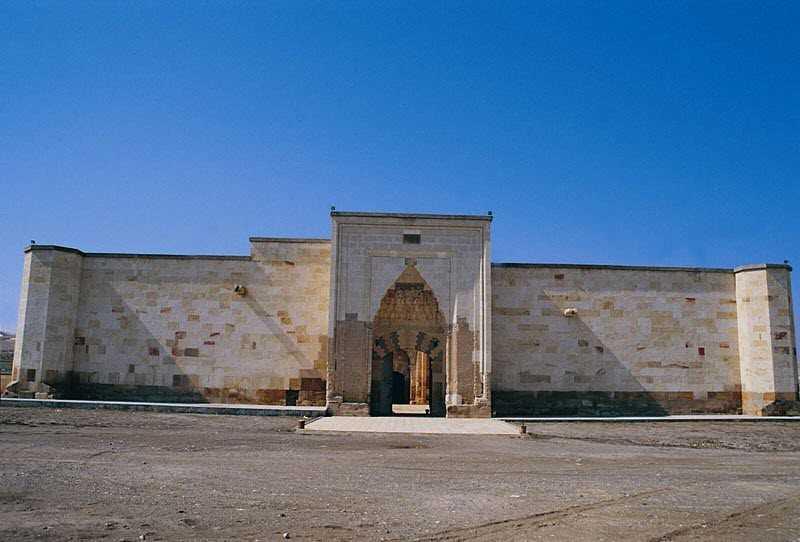
Avanos Sarı Han, Anadolu Selçuklu period structure built as a caravanserai. Located on the Kayseri-Aksaray route approximately 10 km from the district of Nevşehir’s Avanos, and 6 km north of Ürgüp, it stands in the Damsa Çayı Valley on the left bank of the Kızılırmak River. The structure was built on a slope higher to the west than to the east. No trace of the historical caravan route remains to this day. Sarıhan (Anadolu Selçuklu Yapı Envanteri) " image-alternate="" image-element-format="right"
EN
Melahat Pamuk
Sultanhanı Caravanserai
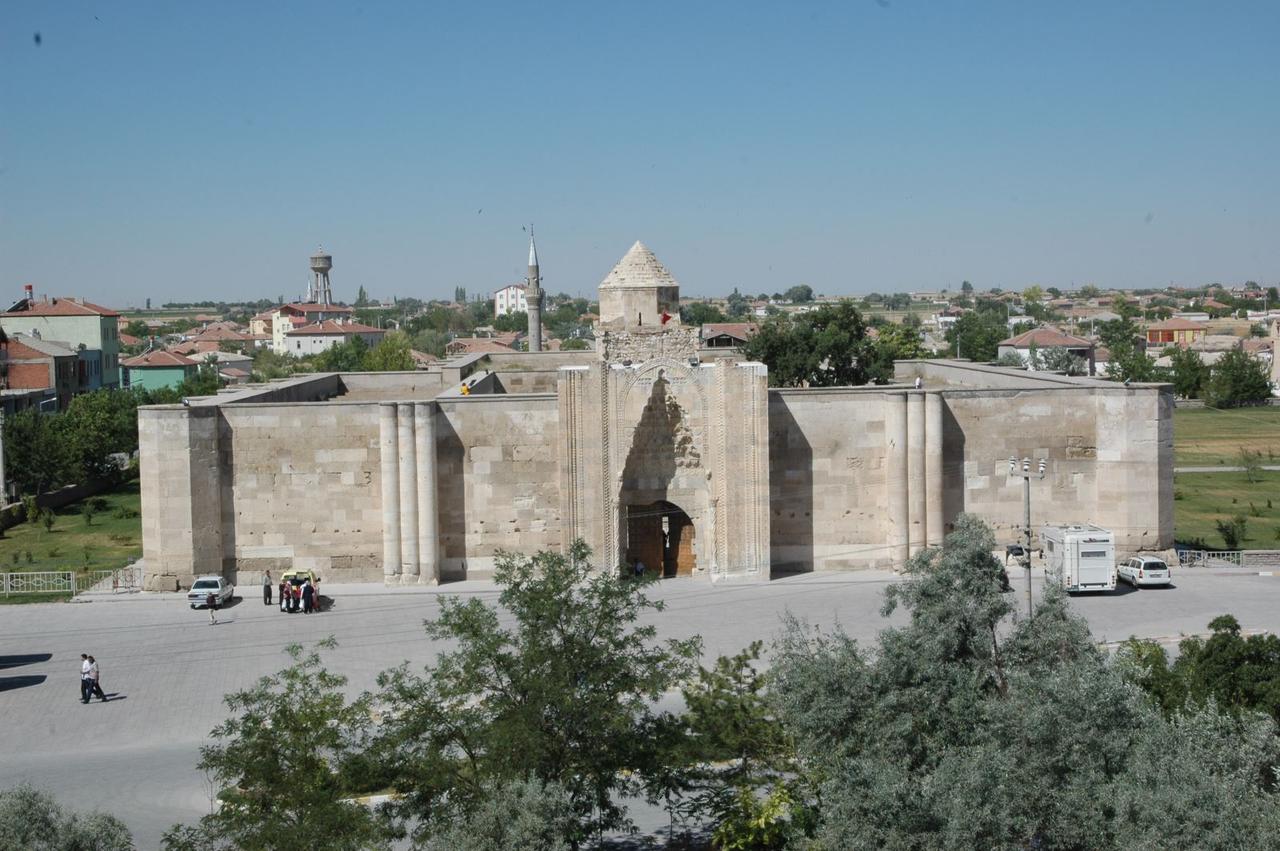
Sultanhanı Caravanserai is an important link in the chain of caravanserais built during the 13th century by the Seljuk Sultans of Anatolia to enhance their political, economic, and cultural influence, ensuring the safety of trade routes and meeting the needs of traveling merchants and passengers. Located today within the boundaries of Aksaray Province in Türkiye, along the historic Silk Road route, the structure is regarded as one of the most advanced examples of Seljuk provincial architecture d
EN
Fatma Köroğlu
Çardak Kervansarayı (Denizli)
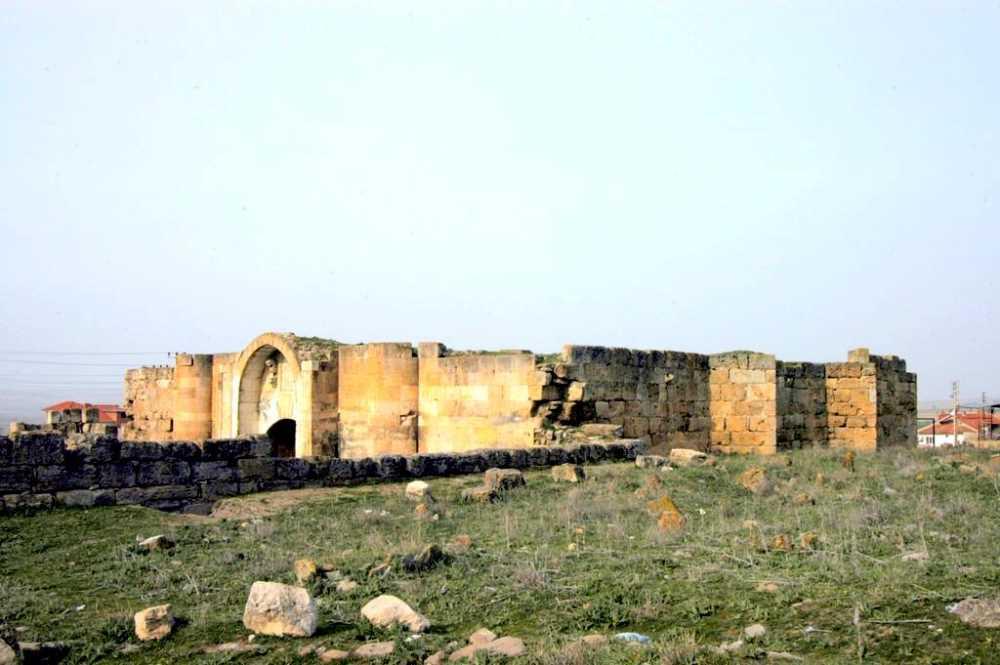
A caravanserai is a large structure that, hundreds of years ago, provided safe lodging for travelers and their animals along long trade routes. Like modern hotels, they were built to allow caravans to rest, eat, and protect their goods. Çardak Caravanserai, also known as Hanâbâd, is one of these ancient lodging places located near Denizli. This structure shows us how important trade was in earlier times. 🕰️ A Journey Through Time Çardak Caravanserai was built approximately 800 years ago, in the
ENNida Üstün