

`traditionalarchitecture` Related Article Results
 Or
OrOrtamahalle Houses (Akçaabat)
Ortamahalle Houses, Trabzon Province’s Akçaabat district, are traditional residential structures that form the historical and architectural fabric of the Ortamahalle settlement. These houses were shaped according to the region’s topographical features, climatic conditions, and social structure, and have survived to the present day as tangible examples of the settlement patterns that developed since the Ottoman period. Due to its distinctive residential fabric, Ortamahalle has been designated as
EN
İremsu Ümit
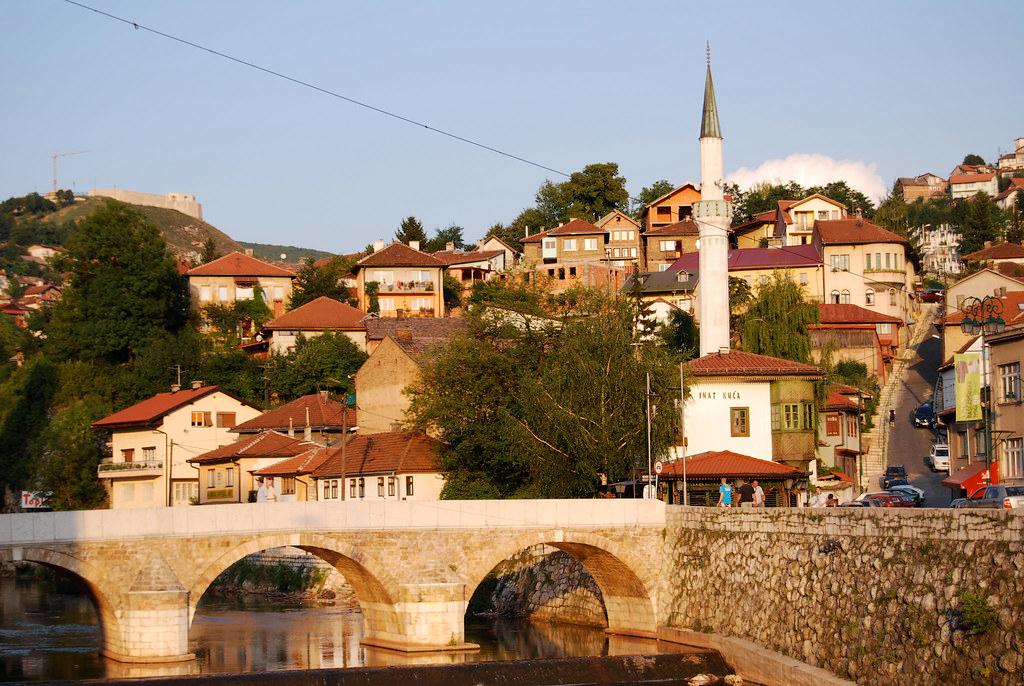
Inat House (Inat Kuça)
Inat Evi, Bosnia and Herzegovina’s capital Sarajevo, located on the southern bank of the Miljacka River, is a historic building exhibiting characteristics of 19th-century Ottoman civil architecture. Known in Bosnian as Inat Kuça, this structure is regarded as a symbol of individual resistance against urban transformation initiatives during the Austro-Hungarian Empire period. Historical Background and Construction Process The 1878 Treaty of Berlin altered the political map of the Balkans by trans
EN
Nursena Şahin

Kemaliye Door Knockers
Kemaliye door knockers are metal architectural elements used within the context of traditional residential architecture in the Kemaliye district of Erzincan province (historically known as Eğin). These knockers are regarded not only as functional components but also as cultural indicators linked to local architectural sensibilities and social norms. Official documents and academic studies define Kemaliye door knockers as traditional structural elements. Türk Patent ve Marka Kurumu. “Kemaliye Kap
EN
Devran Karataş
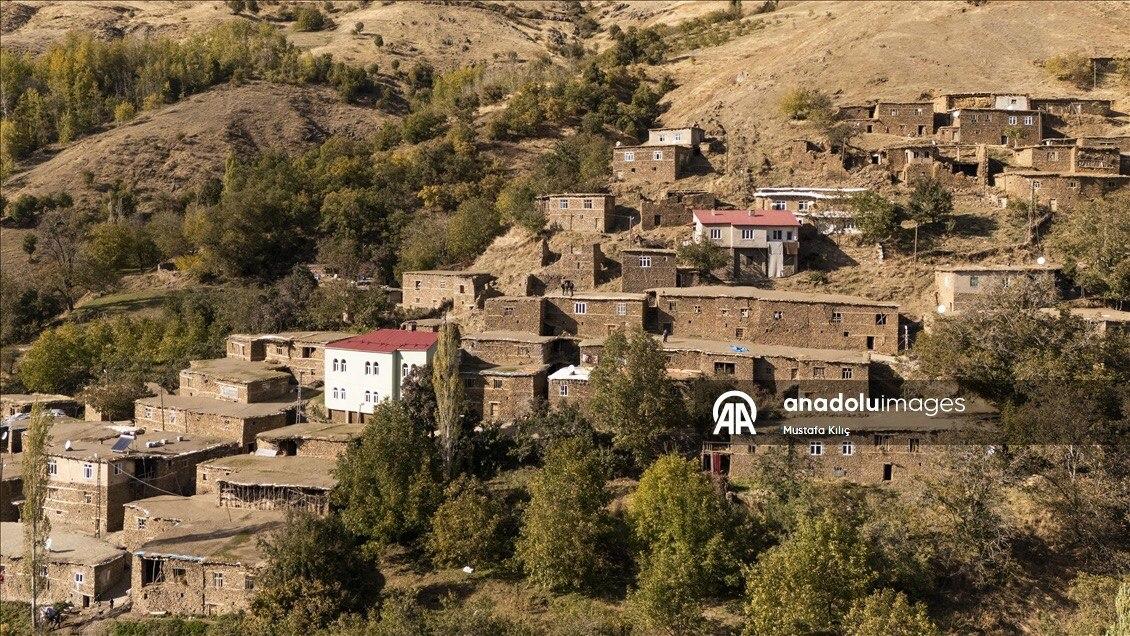
Bitlis Stone Houses
Bitlis Taş Evleri are stone-built houses located in the rural areas of Hizan district, within Türkiye’s Bitlis province, particularly in villages such as Koçlu and Uzuntaş. These structures, constructed over a historical process, consist of residential buildings made from stone and wood using traditional materials and techniques, and have remained standing for centuries while preserving their architectural characteristics. Although their history is estimated to span approximately 300 years, the
EN
Fatmanur Mavibaş

Caravanserai
Kervansarays are charitable vakıf structures built along major roads to provide rest and security for caravans traveling long distances in ancient times. These buildings are known as historical lodging centers where merchants, travelers, and their animals could rest during journeys from distant regions. Why Were Kervansarays Built? Anatolia has historically lain along important trade routes such as the Silk and Spice Roads. The Seljuks and the Ottoman state constructed numerous kervansarays to m
ENRabia Çiftci
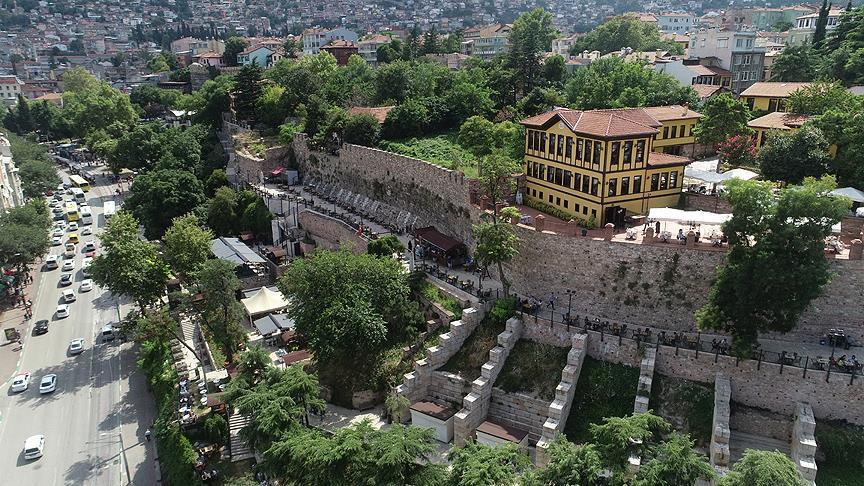
Sümbüllü Bahçe Konağı
Sümbüllü Bahçe Konağı is a historic mansion and complex of auxiliary buildings located in the Hisariçi neighborhood of the Osmangazi district in Bursa, dating to the early Republican period and reflecting the characteristic features of traditional Bursa residential architecture. The building group is situated atop the eastern bastion of Bursa’s city walls and lies within a first-degree archaeological protected area. Construction of the main mansion began in 1921 and, with subsequent additions ov
ENŞemam ÇİFTÇİ
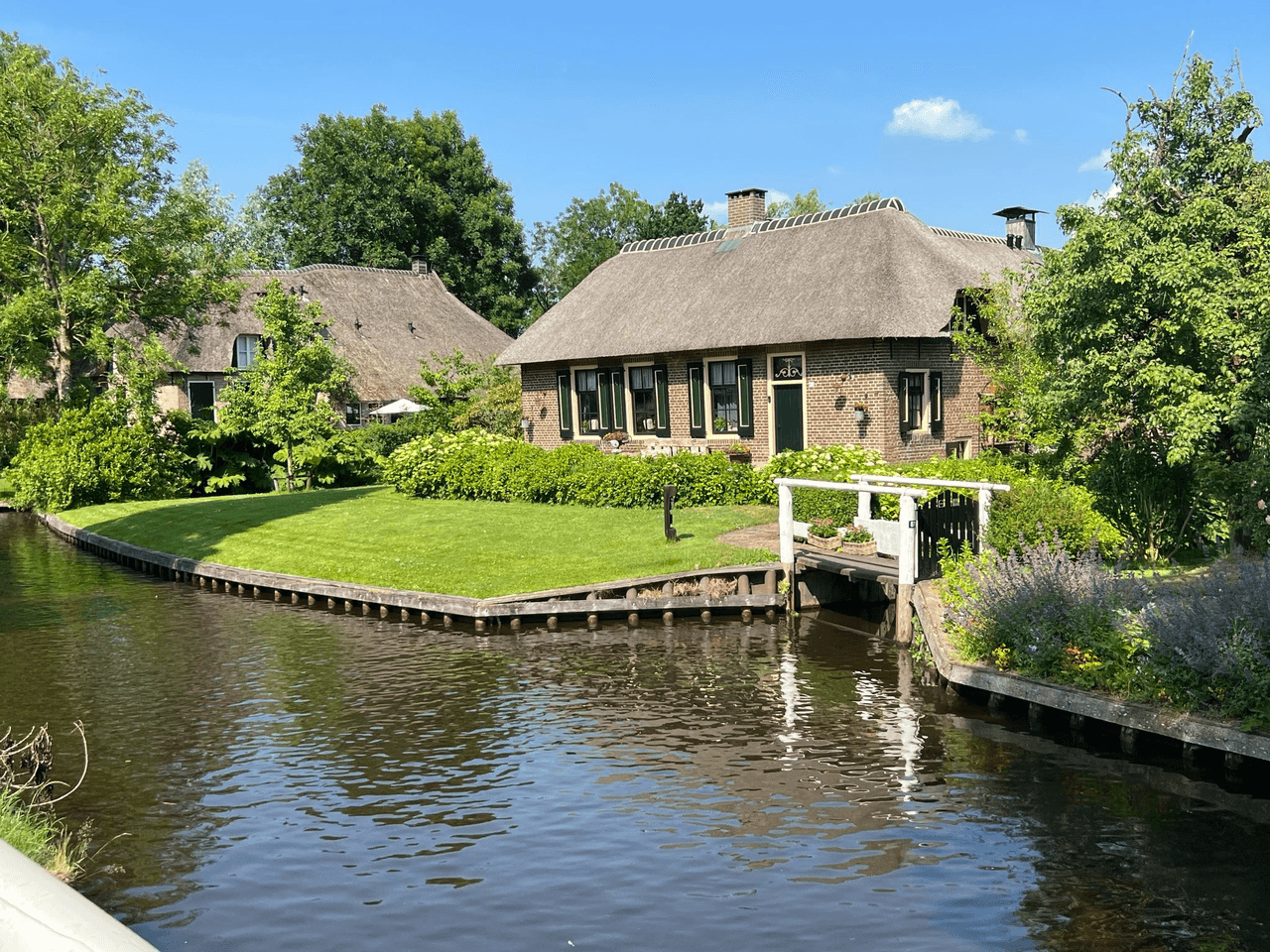
Giethoorn
Giethoorn is a famous village in the Overijssel province of Holland, renowned for its network of water canals. Known as “the Venice of Holland,” this village has no road traffic; transportation is exclusively by boat. The History of Giethoorn Founding and First Settlers (13th Century) The history of Giethoorn dates back to 1230. The first settlers are believed to have been refugees and farmers from the Mediterranean region. In the 13th century, the area was discovered as a marshland, and the ear
EN
Melike Erol