

`turkishliterature` Related Article Results
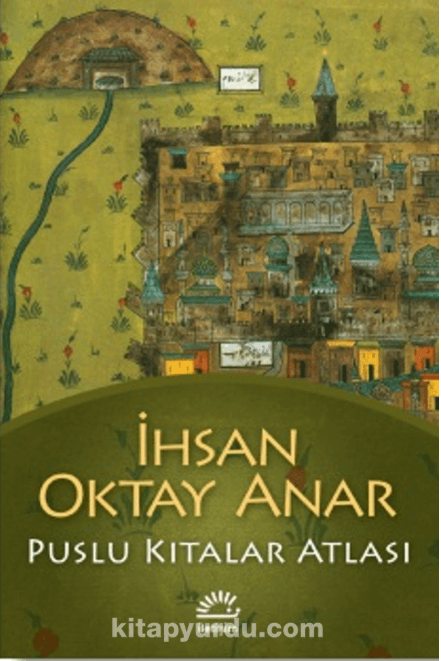
Atlas of Misty Continents (Book)
Puslu Kıtalar Atlası, İhsan Oktay Anar’ın karakteristik style, is recognized in Turkish literature as a work that unites imagination and reality. The novel transports its readers to 17th-century Istanbul under the Ottoman Empire, offering a world enriched with philosophical inquiries and fantastical elements. The author has crafted a multi-layered narrative that deeply examines the individual’s quest for truth and the complexity of human nature. Puslu Kıtalar Atlası " image-alternate="" image-el
EN
Ahsen Karakaş
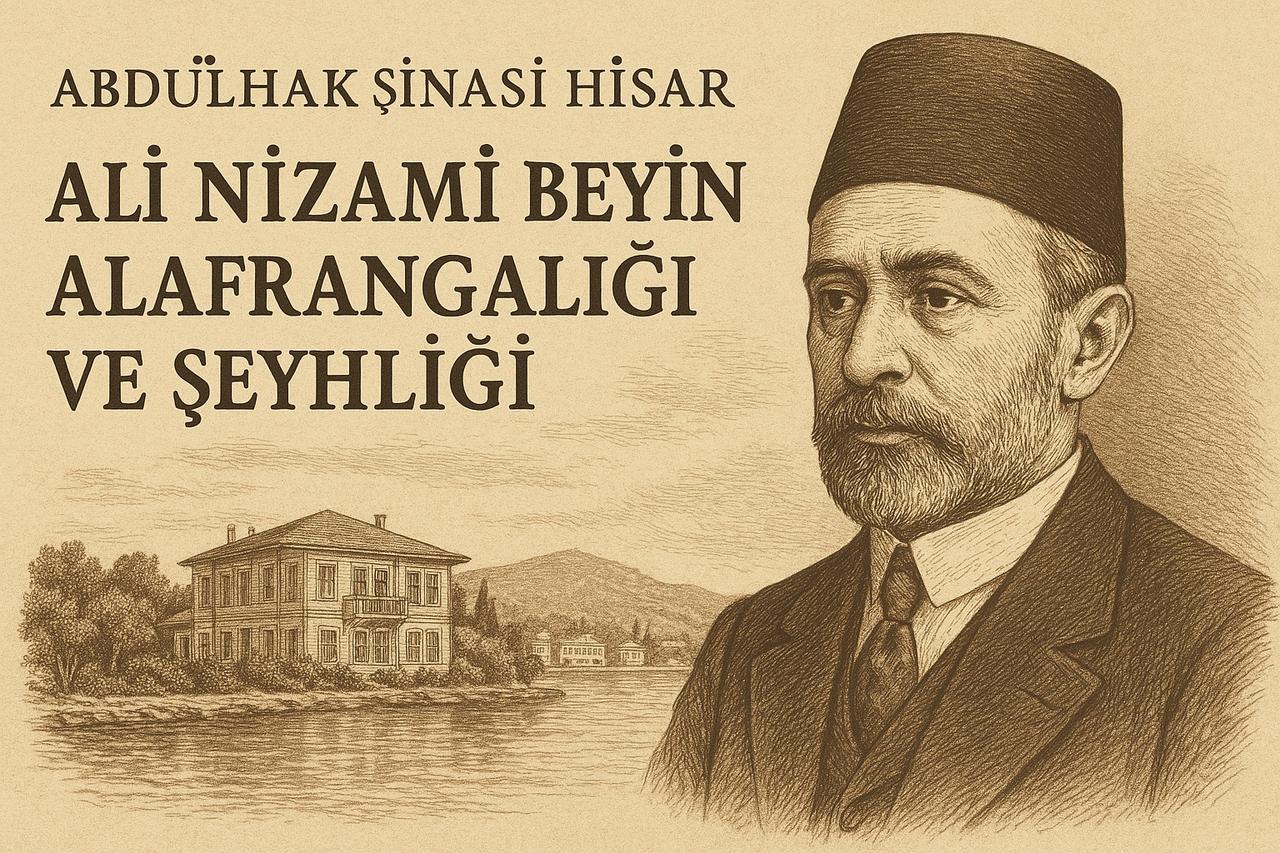
Ali Nizami Bey’s Westernization and Sheikhdom (Book)
Abdülhak Şinasi HisarHisar’s third and final novel, published in 1952. This eser blends the author’s characteristic nostalgia for the past with psychological analyses of the individual, serving as both a personal narrative and an account of the disintegration of a civilization’s worldview. The novel addresses the identity crisis created by the clash between traditional Ottoman hayat and Westernization through an ironic style. The Author and Literary Context Abdülhak Şinasi Hisar (1887–1963) is a
EN
Nurten Yalçın
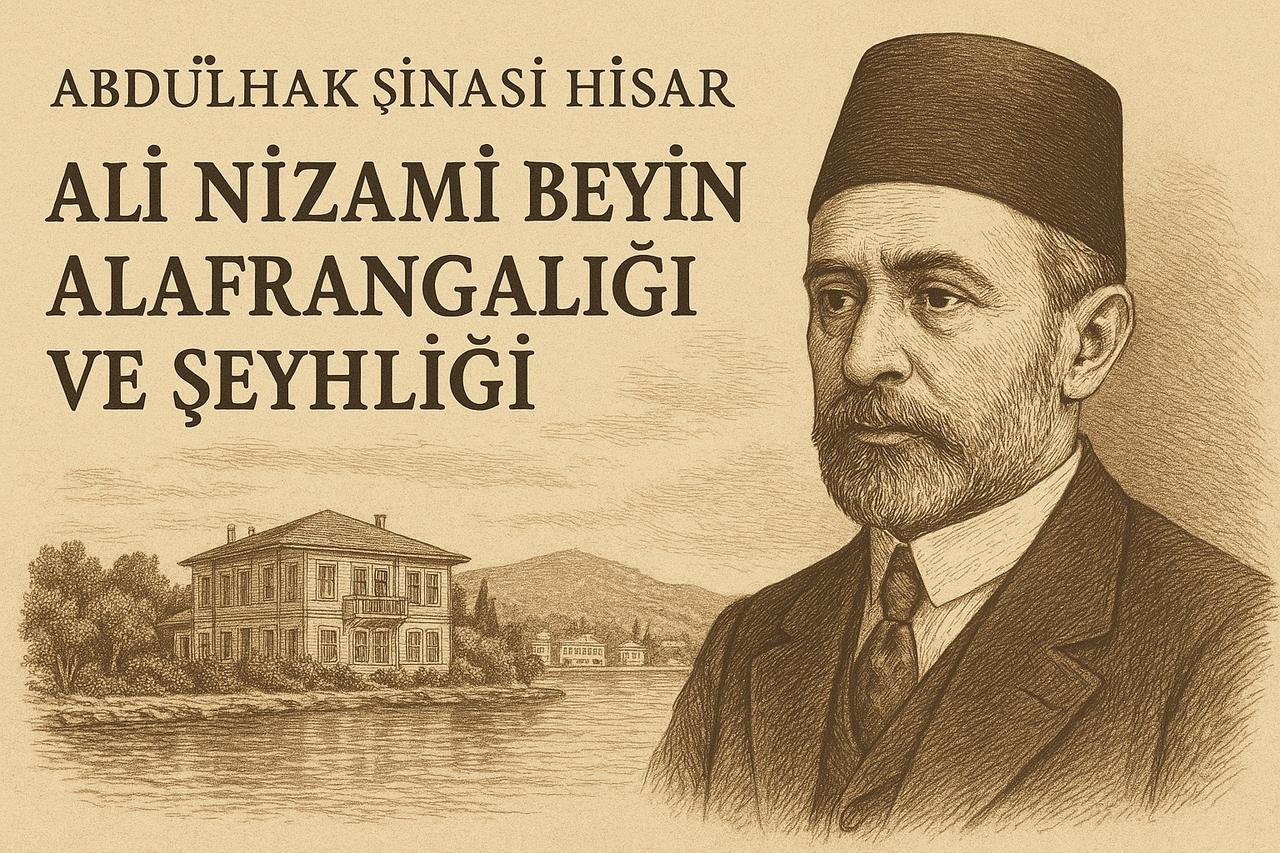
Ali Nizami Bey's Westernization and Sheikhdom (Book)
Abdülhak Şinasi Fortress's third and final novel, published in 1952. This work blends the author’s characteristic nostalgia for the past with psychological analyses of the individual, presenting both a personal narrative and an account of the disintegration of a civilization. Novel approaches the identity crisis created by Westernization within the traditional Ottoman life framework through an ironic style. A Conflict at Büyükada Pier: Ali Nizami Bey Between Alafranga and Sheikhdom (Generated by
EN
Nurten Yalçın
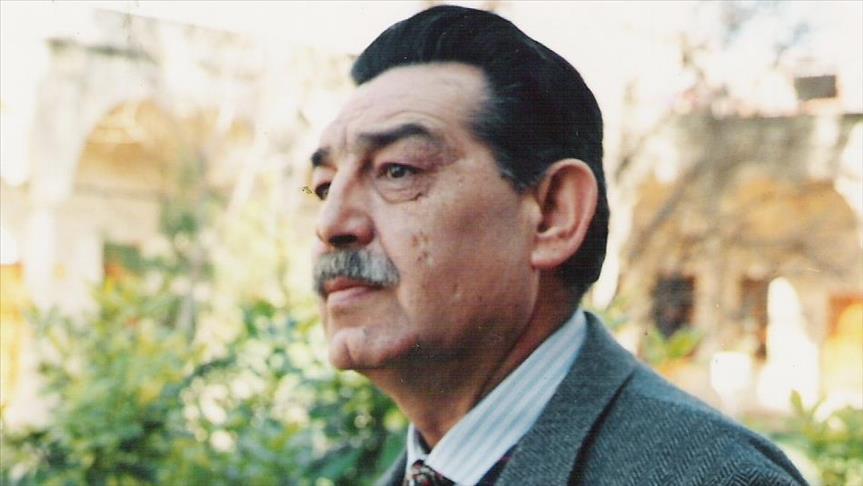
Mehmet Akif İnan
Mehmet Akif İnan (12 July 1940, Şanlıurfa – 6 January 2000, Şanlıurfa) was a poet writer teacher and unionist known for his works in poetry and essay genres in Turkish literature his contributions to education and his founding and leadership roles in public sector unionism. Memories of My Father by Mehmet Akif İnan’s Daughter Banu İnan (DiyanetTV) " youtube-video-element-format="right" youtube-video-id="MRvQO2Ge_PU"> Life and Family Background Mehmet Akif İnan was born on 12 July 1940 in the
ENNurten Yalçın
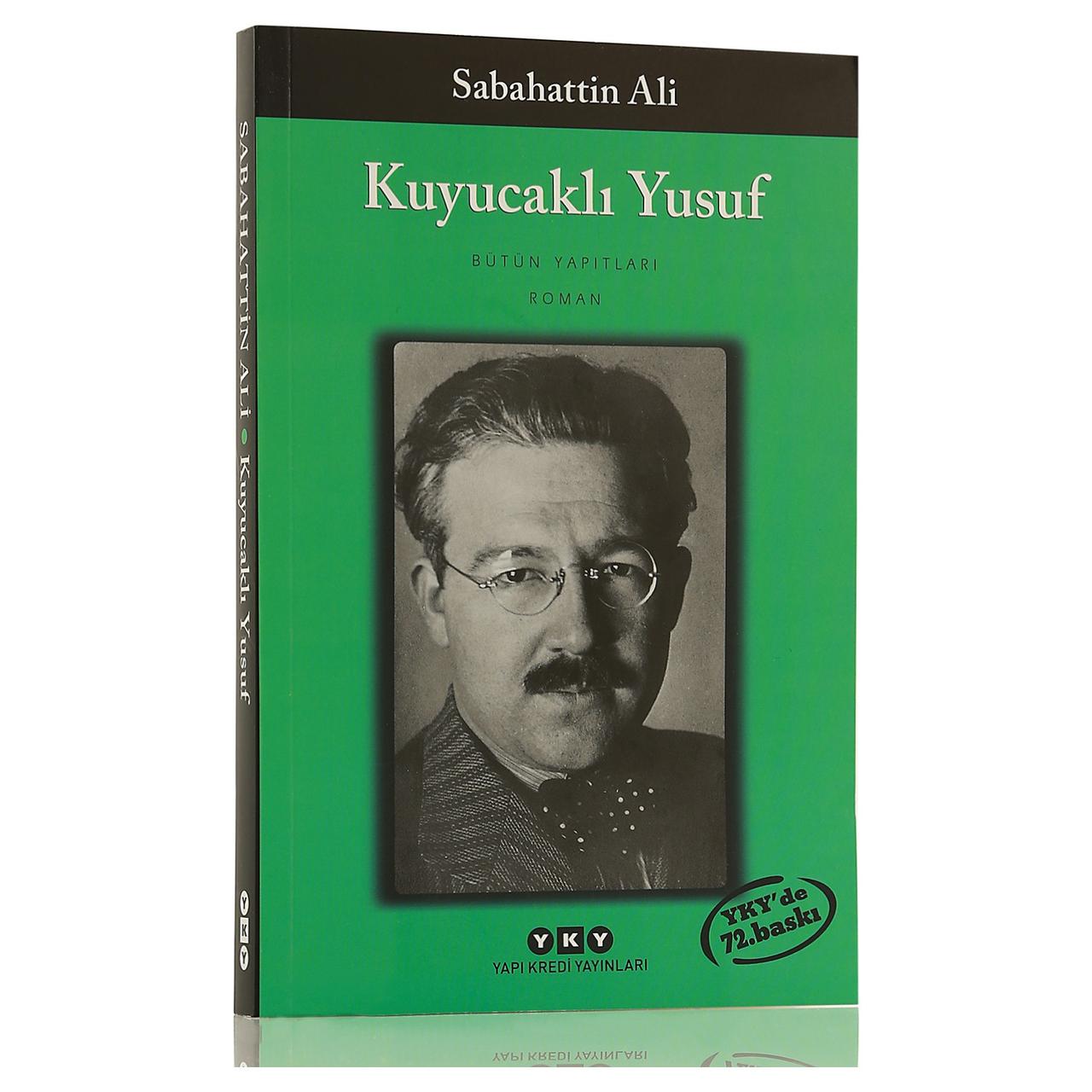
Kuyucaklı Yusuf
Recently, I read the book Kuyucaklı Yusuf. Written by Sabahattin Ali, it deeply affected me both emotionally and intellectually. In particular, this book helped me better understand how compassion shown between people can transform a life. The story centers on Yusuf, who loses both his mother and father at a young age. After enduring great suffering, Kaymakam Salahattin Bey adopts him and raises him as his own. Throughout the narrative, Yusuf’s quiet, introverted yet strong character stands out.
EN
Melisa Yıldırım
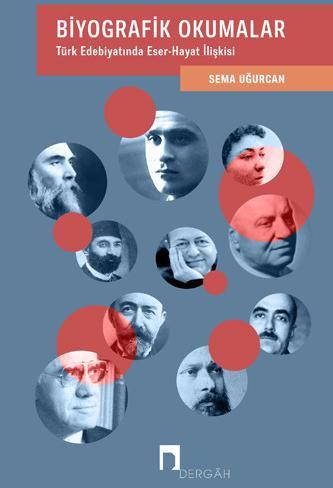
Biographical Readings: The Work-Life Relationship in Turkish Literature (Book)
Biographical Readings: The Work-Life Relationship in Turkish Literature, edited by Prof. Dr. Sema Uğurcan, is a collection of essays that examine the connections between literary works and the lives of their authors. Published in August 2024 by Dergâh Yayınları as part of its Turkish Literature – Studies series, the book spans 408 pages. Subject The book is structured in two parts. The first section, titled “The Work-Life Relationship in Our Literature,” presents analyses of how the author’s lif
EN
Muhammed Samed Acar
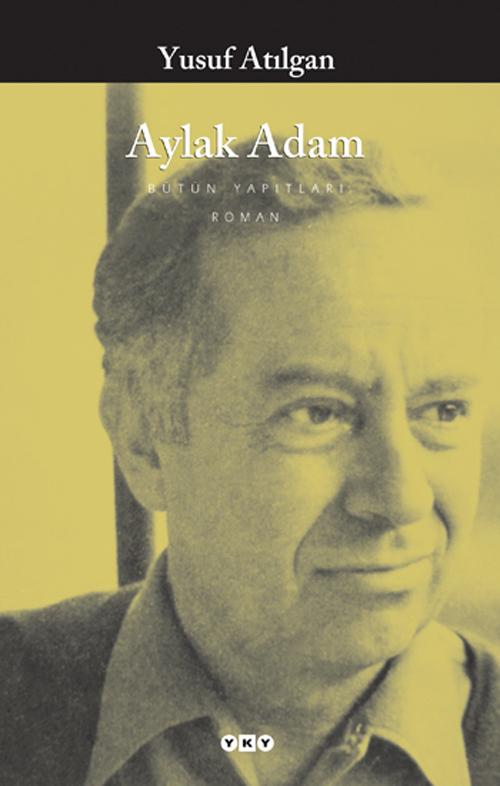
The Loiterer (Novel)
The Loiterer (Aylak Adam in Turkish) is the first novel of Turkish author Yusuf Atılgan, published in 1959. The novel consists of four "season" titles: "Winter," "Spring," "Summer," and "Autumn." The seasons "Winter," "Spring," and "Summer" are divided into seven sections each, while "Autumn" consists of four sections. Recognized as one of the works focusing on the inner world of the individual in modern Turkish literature, the book stands out with its psychological analyses and social critiques
EN
Mehmet Salih Çoban
 Re
ReRestless Legs (Book)
The Restless Leg is a story collection written by Mustafa Kutlu. Work examines Türkiye’s social and individual identity searches and discusses the protagonist’s inner turmoil in the context of societal change. Main character Omar The narrative begins with Faruk’s return to his homeland after many years and explores the fractures he experiences in the face of shifting social conditions and lost values. Subject The work presents Ömer Faruk’s return to his homeland after completing his academic car
EN
Bilal Utku Karakoç
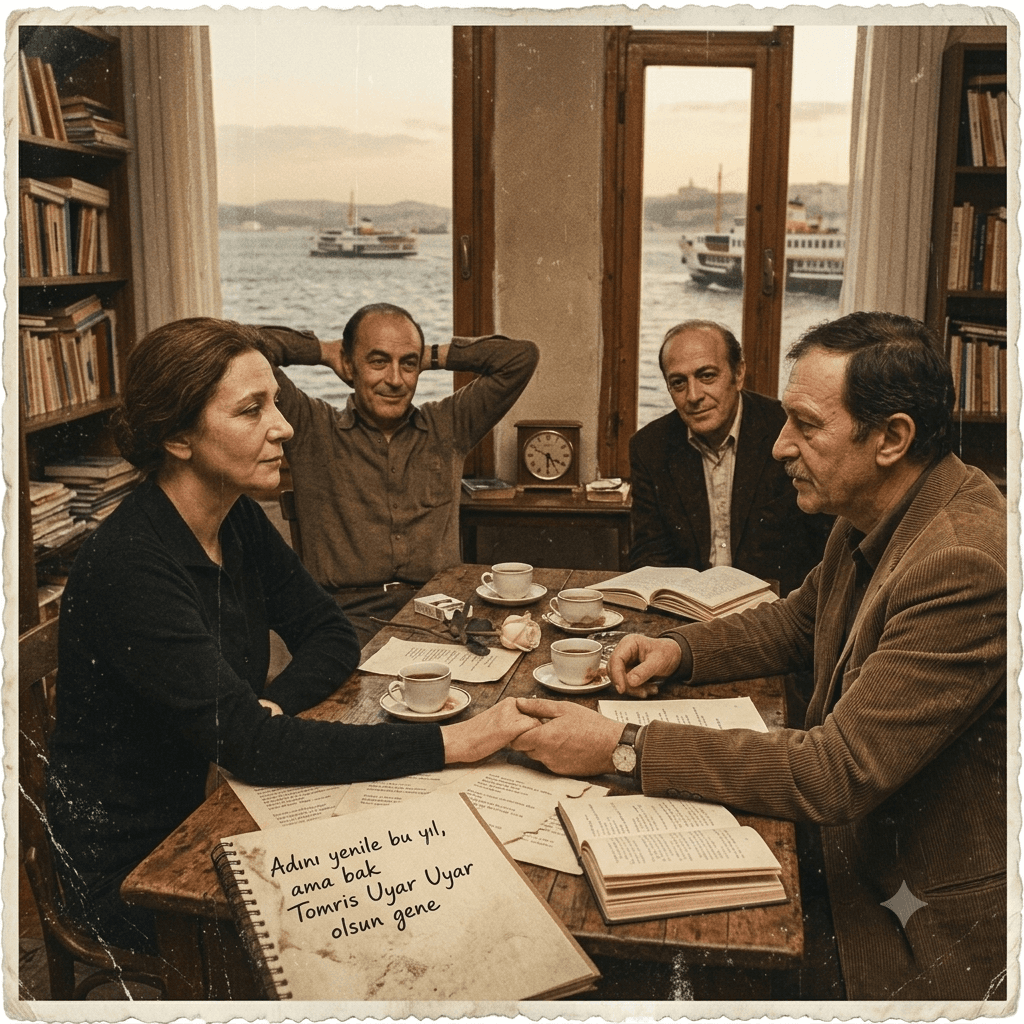
Tomris Uyar's Story with Three Great Poets
One of the most captivating paradoxes in literary history lies in the story of a woman who never wrote a single line of poetry herself, yet inspired the most powerful and monumental three poets of Turkish verse to compose their most beautiful, most tender verses. This mysterious and profoundly deep woman is none other than Tomris Uyar. Her presence transformed the poets’ souls into emotional dead ends, passionate entanglements, and the inexplicable tides of relationships. To understand how one w
EN
Nursena Şahin
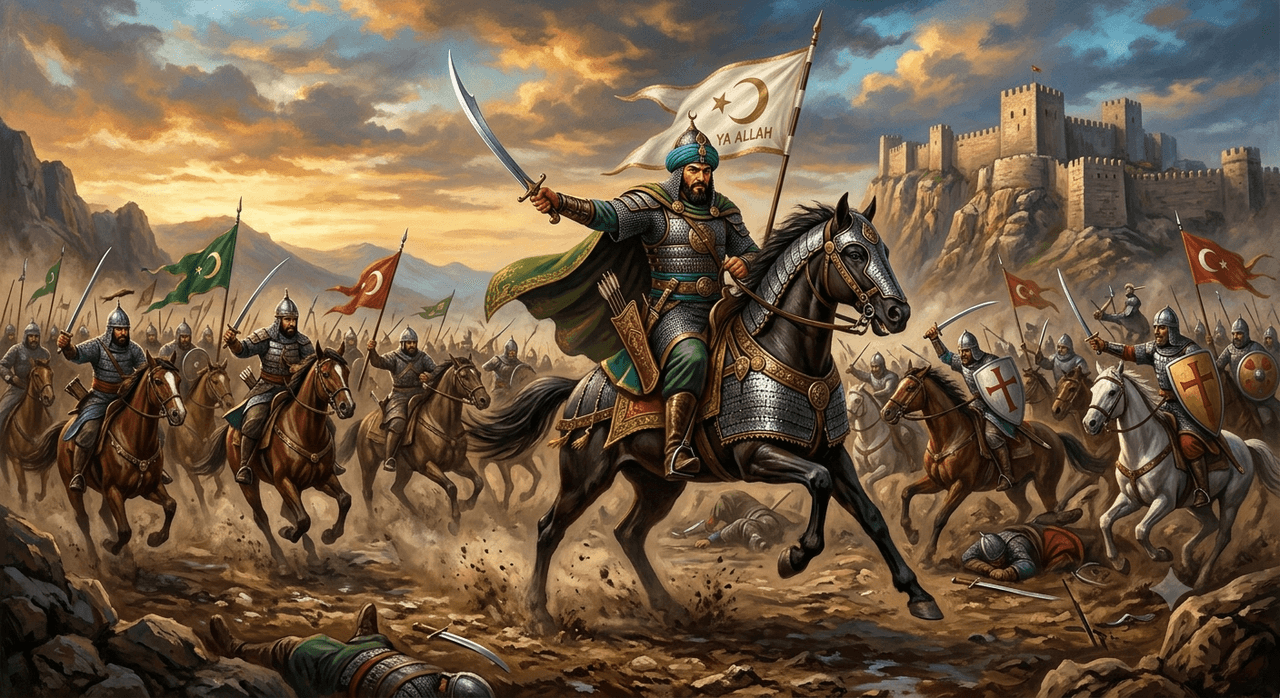
Epic of Battal Gazi
Battal Gazi Epic is an epic folk tale that recounts the military and religious campaigns of the historical hero Battal Gazi, who gained fame in the 8th century for his achievements during the Umayyad-Byzantine wars, in his efforts to spread and defend Islam. This work is also known by various titles such as Menakıb-ı Gaazavâtı -ı Seyyid Battal Gazi, Hikayet-i Seyyid Battal Gazi, Seyyid Battal Gazi Menkıbeleri, and Kitab-ı Battal Gazi. Its longest and most complete title is recorded as "Hazret-i
ENTalha Yıldırım