+2 More

Birth | 12 July 1940, Şanlıurfa | ||||||||
|---|---|---|---|---|---|---|---|---|---|
Death | 6 January 2000, Şanlıurfa | ||||||||
Profession | Writer Educator Poet Trade unionist | ||||||||
Education | Turkish Language and Literature Ankara University Faculty of Language, History and Geography | ||||||||
Institutional Roles | Founding general president of Eğitim-Bir-Sen and Memur-Sen | ||||||||
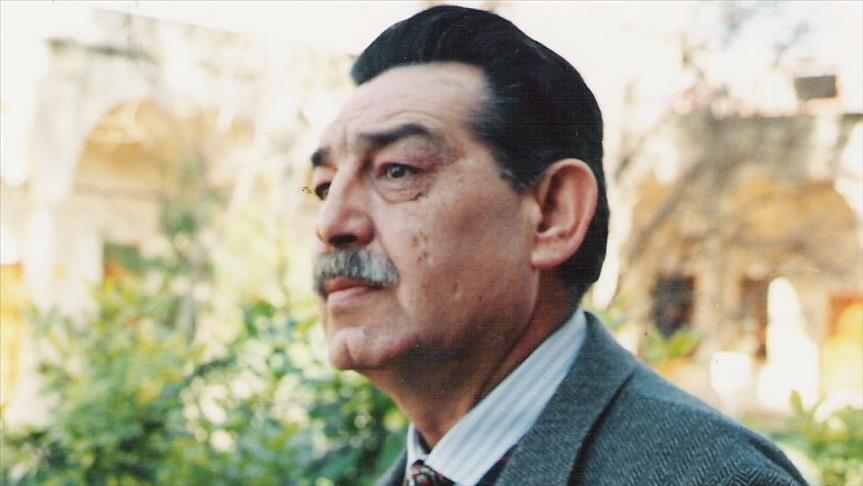
Mehmet Akif İnan (12 July 1940, Şanlıurfa – 6 January 2000, Şanlıurfa) was a poet writer teacher and unionist known for his works in poetry and essay genres in Turkish literature his contributions to education and his founding and leadership roles in public sector unionism.
Memories of My Father by Mehmet Akif İnan’s Daughter Banu İnan (DiyanetTV)
Mehmet Akif İnan was born on 12 July 1940 in the Balıklıgöl neighbourhood of Şanlıurfa and spent his childhood and early youth in the family home in the Su Meydanı neighbourhood. His father Hacı Müslim İnan was a customs officer from the Mirza Ali tribe and his mother Şakire Hanım was the daughter of Mehmet Tevfik Bey of the Maraşlı Dedeoğulları family. Accounts of the family’s origins state that a bey named Mirza Ali migrated from Konya to the vicinity of Suruç in Şanlıurfa approximately 600 years ago settled there and his lineage gradually multiplied forming villages one branch of which later moved to Şanlıurfa.【1】
İnan began his education at Şanlıurfa Cumhuriyet Primary School and completed primary school in 1952 entering middle school the same year. While continuing his high school education in Şanlıurfa he transferred to Kahramanmaraş High School after encountering an issue in his final year and obtained a certificate of completion from his original school. He graduated from Maraş High School in 1959.
In 1959 he moved to Ankara to pursue higher education enrolling in the Department of Turkish Language and Literature at Ankara University Faculty of Language History and Geography. He took a break from his university studies for a period but resumed and graduated in 1972.
İnan’s first writings and poems appeared in local newspapers in Şanlıurfa from the early 1950s. He used pseudonyms such as “Reha” and “Rehavî” and produced both poetry and prose essays during this period.【2】 While still a high school student in Kahramanmaraş he published a newspaper called Derya in 1959 a notable milestone that marked his early experience in publishing and writing.【3】
During his time at Kahramanmaraş High School İnan had the opportunity to meet and form friendships with figures who later became prominent in Turkish literature and intellectual life. He is noted to have developed relationships with Rasim Özdenören Cahit Zarifoğlu Erdem Bayazıt and Alaeddin Özdenören.【4】 His meeting with Nuri Pakdil during high school is also regarded as a decisive turning point in his literary and cultural life broadening his reading preferences and intellectual interests.【5】
His meeting with Necip Fazıl Kısakürek in Kahramanmaraş in 1960 is further highlighted in biographical accounts as a pivotal moment.【6】 İnan’s name is also mentioned in the context of the literary group known as the “Seven Good Men” of that era alongside figures such as Nuri Pakdil Sezai Karakoç and Cahit Zarifoğlu who shared a similar cultural milieu.【7】
Mehmet Akif İnan’s professional career began within the Turkish Hearths organization.【8】 He started his duties at the Turkish Hearths Library and Museum Directorate and later served as director at the Turkish Hearths General Headquarters (1964–1969).【9】 During his student years he managed the Hilal magazine and its publications (1962–1964) gaining institutional publishing experience during this period.【10】 Between 1969 and 1972 he worked as an education specialist at the Turkish Transport Employers’ Union.【11】
After graduation İnan turned to teaching and was appointed as a teacher at Uşak Imam-Hatip High School in 1972.【12】 In subsequent years he taught literature at Gazi Education Institute and in 1980 was assigned to Ankara Science High School where he served as a Turkish Language and Literature teacher until his death.【13】
İnan’s writing activities expanded through magazines and newspapers. He participated in the founding process of the magazine Edebiyat with Nuri Pakdil in 1969. His writings and poems were published in the Ankara-based magazine Mavera during the mid-1970s and he held various roles at the publication.【14】 Additionally from 1977 onward he wrote daily opinion and arts articles for newspapers such as Yeni Devir Millî Gazete and in the final years of his life for Yeni Mesaj. He also used several pseudonyms including “Mehmet Reha” “Akif Reha” “Müslimoğlu” and “Mithat Mirzali” at different times.【15】
In 1998 he prepared and presented a culture and arts program on Kanal 7. It is also recorded that his writings appeared in publications such as Türk Ruhu Türk Yurdu Filiz Yeni İstiklal and Hilal.【16】
Mehmet Akif İnan’s works focus on poetry essays and education. Some were published during his lifetime while others were compiled and published posthumously.
His unpublished writings and interviews were later compiled and published under titles such as Mirası Kuşanmak Edebiyat Kültür ve Sanata Dair Aydınlar Batı ve Biz Söyleşiler Siyaset Kokan Yazılar İslam Dünyası ve Ortadoğu and Cumhuriyet’ten Sonra Türk Şiiri.【18】
Mehmet Akif İnan’s poetic vision is understood as an effort to engage with literary tradition and sustain it within a contemporary expressive framework.【19】 In his poems he drew upon the imagery and symbols of classical Ottoman poetry but did not reproduce them wholesale. He sometimes expressed the same imagery through different symbols or assigned new meanings to traditional symbols.【20】 His poems written in syllabic meter and those approaching the folk song form reflect a tendency to embed the “national” elements of tradition within modern expression.【21】
This approach is linked to his broader intellectual emphasis on the relationship between literature and civilization. He assigned poetry the function of enlightening the human being as a carrier of culture and a medium for expressing ideas.【22】
Mehmet Akif İnan is known as the “Poet of Jerusalem” for his poem “Mescid-i Aksa” written in 1979.【23】 The poem reflects sensitivity toward attacks on Jerusalem and its significance in the Islamic world and significantly expanded İnan’s public recognition. According to his daughter Banu İnan’s recollections İnan’s sensitivity toward Jerusalem was enduring and the poem stands as a key text that made this sensitivity visible.【24】
İnan received the KASD Essay Award in 1982 and in 1995 was awarded the Mahdum Kulu Poetry Prize at the Third International Poetry Festival of the Turkish Language held in Ashgabat the capital of Turkmenistan.【25】
From the 1990s onward Mehmet Akif İnan played an active role in union activities. In 1992 he founded the Educators’ Union (Eğitim-Bir-Sen) and subsequently served as general president of Memur-Sen. He held these positions until his death.【26】
In June 1999 İnan fell ill during an open-air meeting of the Memur-Sen Confederation and was hospitalized. Tests diagnosed him with cancer. As his condition progressed he was taken back to Şanlıurfa in late December 1999 and died at 02:00 on the morning of 6 January 2000. His body was buried on 7 January 2000 in the Harran Gate Family Cemetery in Şanlıurfa.
Mehmet Akif İnan married in 1965 and his only child Şakire Banu was born in 1967.【27】 According to Banu İnan’s recollections the home environment was filled with books and characterized by a disciplined writing routine marked by the sound of the typewriter and an open space for intellectual conversation. He was deeply engaged with his students as a teacher and had the habit of gifting them books.【28】
Following his death Mehmet Akif İnan is commemorated annually through memorial events particularly organized by the unions he founded and through events held in various cities that keep his name alive.【29】 According to his brother Ahmet İnan’s accounts İnan lived in different cities throughout his life due to educational and professional assignments and frequently met with literary circles in Ankara. He is remembered in collective memory as the “Poet of Jerusalem” due to his poem “Mescid-i Aksa”.【30】
Alim Kahraman. “İnan, Mehmet Akif.” *TDV İslâm Ansiklopedisi*. Accessed January 5, 2026.https://islamansiklopedisi.org.tr/inan-mehmet-akif
Anadolu Ajansı. “Kudüs Şairi Mehmet Akif İnan Anılıyor.” AA, Accessed January 5, 2026.https://www.aa.com.tr/tr/kultur-sanat/kudus-sairi-mehmet-akif-inan-aniliyor/1357171
Anadolu Ajansı. “Kudüs Şairi Mehmet Akif İnan’ı Vefatının 23. Yılında Kardeşi Anlattı.” AA, Accessed January 5, 2026.https://www.aa.com.tr/tr/kultur/kudus-sairi-mehmet-akif-inani-vefatinin-23-yilinda-kardesi-anlatti/2781090
Anadolu Ajansı. “Kudüs Şairi Mehmet Akif İnan’ı Vefatının 24. Yılında Kızı Anlattı.” AA, Accessed January 5, 2026.https://www.aa.com.tr/tr/kultur/kudus-sairi-mehmet-akif-inani-vefatinin-24-yilinda-kizi-anlatti/3100925
Diyanet TV. "Mehmet Akif İnan – Banu İnan | Babamın Kitaplığı, 7. Bölüm." YouTube Video. Accessed January 5, 2026.https://www.youtube.com/watch?v=MRvQO2Ge_PU
Hisarcıklılar, Emel. “Mehmet Akif İnan’ın Medeniyet Tasavvuru ve Şiirlerinde Geleneğin Yeniden İnşası.” *Sosyal Bilimler Araştırmaları Dergisi* 11, no. 2 (June 2016): 77–90.https://dergipark.org.tr/tr/pub/gopsbad/article/617193
Lacivert Dergi. “Şair, Sendikacı ve Yedi Güzel Adam’dan Biri: Mehmet Akif İnan.” *Lacivert*, Accessed January 5, 2026.https://www.lacivertdergi.com/soylesi/2021/03/02/sair-sendikaci-ve-yedi-guzel-adamdan-biri-mehmet-akif-inan
MAİV (Mehmet Akif İnan Vakfı). “Mehmet Akif İnan’ın Hayatı.” MAİV, Accessed January 5, 2026.https://maiv.org.tr/Sayfa/mehmet-akif-inanin-hayati-5.html
Tenik, Ali. “Mehmet Akif İnan’ın Sûfî Kişiliği.” *Tasavvur / Tekirdağ İlahiyat Dergisi* 7, no. 2 (December 2021): 1075–1108.https://doi.org/10.47424/tasavvur.970275
Türkiye Yazarlar Birliği. “Şiire Adanmış Bir Hayat: Mehmet Akif İnan.” TYB, Accessed January 5, 2026.https://www.tyb.org.tr/siire-adanmis-bir-hayat-mehmet-akif-inan-35173h.htm
Türkiye Yazma Eserler Kurumu – TEİS. “İnan, Mehmet Akif.” Prof. Dr. Mustafa Özsarı. *Türk Edebiyatı İsimler Sözlüğü*. Accessed January 5, 2026.https://teis.yesevi.edu.tr/madde-detay/inan-mehmet-akif
[1]
MAİV (Mehmet Akif İnan Vakfı). “Mehmet Akif İnan’ın Hayatı.” MAİV, Erişim 5 Ocak 2026. https://maiv.org.tr/Sayfa/mehmet-akif-inanin-hayati-5.html
[2]
Türkiye Yazma Eserler Kurumu – TEİS. “İnan, Mehmet Akif.” Prof. Dr. Mustafa Özsarı. Türk Edebiyatı İsimler Sözlüğü. Erişim 5 Ocak 2026. https://teis.yesevi.edu.tr/madde-detay/inan-mehmet-akif
[3]
Türkiye Yazma Eserler Kurumu – TEİS. “İnan, Mehmet Akif.” Prof. Dr. Mustafa Özsarı. Türk Edebiyatı İsimler Sözlüğü. Erişim 5 Ocak 2026. https://teis.yesevi.edu.tr/madde-detay/inan-mehmet-akif
[4]
Alim Kahraman. “İnan, Mehmet Akif.” TDV İslâm Ansiklopedisi. Erişim 5 Ocak 2026. https://islamansiklopedisi.org.tr/inan-mehmet-akif
[5]
Türkiye Yazma Eserler Kurumu – TEİS. “İnan, Mehmet Akif.” Prof. Dr. Mustafa Özsarı. Türk Edebiyatı İsimler Sözlüğü. Erişim 5 Ocak 2026. https://teis.yesevi.edu.tr/madde-detay/inan-mehmet-akif
[6]
Anadolu Ajansı. “Kudüs Şairi Mehmet Akif İnan’ı Vefatının 24. Yılında Kızı Anlattı.” AA, Erişim 5 Ocak 2026. https://www.aa.com.tr/tr/kultur/kudus-sairi-mehmet-akif-inani-vefatinin-24-yilinda-kizi-anlatti/3100925
[7]
Alim Kahraman. “İnan, Mehmet Akif.” TDV İslâm Ansiklopedisi. Erişim 5 Ocak 2026. https://islamansiklopedisi.org.tr/inan-mehmet-akif
[8]
Türkiye Yazma Eserler Kurumu – TEİS. “İnan, Mehmet Akif.” Prof. Dr. Mustafa Özsarı. Türk Edebiyatı İsimler Sözlüğü. Erişim 5 Ocak 2026. https://teis.yesevi.edu.tr/madde-detay/inan-mehmet-akif
[9]
MAİV (Mehmet Akif İnan Vakfı). “Mehmet Akif İnan’ın Hayatı.” MAİV, Erişim 5 Ocak 2026. https://maiv.org.tr/Sayfa/mehmet-akif-inanin-hayati-5.html
[10]
MAİV (Mehmet Akif İnan Vakfı). “Mehmet Akif İnan’ın Hayatı.” MAİV, Erişim 5 Ocak 2026. https://maiv.org.tr/Sayfa/mehmet-akif-inanin-hayati-5.html
[11]
MAİV (Mehmet Akif İnan Vakfı). “Mehmet Akif İnan’ın Hayatı.” MAİV, Erişim 5 Ocak 2026. https://maiv.org.tr/Sayfa/mehmet-akif-inanin-hayati-5.html
[12]
Türkiye Yazma Eserler Kurumu – TEİS. “İnan, Mehmet Akif.” Prof. Dr. Mustafa Özsarı. Türk Edebiyatı İsimler Sözlüğü. Erişim 5 Ocak 2026. https://teis.yesevi.edu.tr/madde-detay/inan-mehmet-akif
[13]
Türkiye Yazma Eserler Kurumu – TEİS. “İnan, Mehmet Akif.” Prof. Dr. Mustafa Özsarı. Türk Edebiyatı İsimler Sözlüğü. Erişim 5 Ocak 2026. https://teis.yesevi.edu.tr/madde-detay/inan-mehmet-akif
[14]
Türkiye Yazarlar Birliği. “Şiire Adanmış Bir Hayat: Mehmet Akif İnan.” TYB, Erişim 5 Ocak 2026. https://www.tyb.org.tr/siire-adanmis-bir-hayat-mehmet-akif-inan-35173h.htm
[15]
Alim Kahraman. “İnan, Mehmet Akif.” TDV İslâm Ansiklopedisi. Erişim 5 Ocak 2026. https://islamansiklopedisi.org.tr/inan-mehmet-akif
[16]
MAİV (Mehmet Akif İnan Vakfı). “Mehmet Akif İnan’ın Hayatı.” MAİV, Erişim 5 Ocak 2026. https://maiv.org.tr/Sayfa/mehmet-akif-inanin-hayati-5.html
[17]
Anadolu Ajansı. “Kudüs Şairi Mehmet Akif İnan Anılıyor.” AA, Erişim 5 Ocak 2026. https://www.aa.com.tr/tr/kultur-sanat/kudus-sairi-mehmet-akif-inan-aniliyor/1357171
[18]
Türkiye Yazma Eserler Kurumu – TEİS. “İnan, Mehmet Akif.” Prof. Dr. Mustafa Özsarı. Türk Edebiyatı İsimler Sözlüğü. Erişim 5 Ocak 2026. https://teis.yesevi.edu.tr/madde-detay/inan-mehmet-akif
[19]
Hisarcıklılar, Emel. “Mehmet Akif İnan’ın Medeniyet Tasavvuru ve Şiirlerinde Geleneğin Yeniden İnşası.” Sosyal Bilimler Araştırmaları Dergisi 11, no. 2 (Haziran 2016): 77–90. https://dergipark.org.tr/tr/pub/gopsbad/article/617193
[20]
Hisarcıklılar, Emel. “Mehmet Akif İnan’ın Medeniyet Tasavvuru ve Şiirlerinde Geleneğin Yeniden İnşası.” Sosyal Bilimler Araştırmaları Dergisi 11, no. 2 (Haziran 2016): 77–90. https://dergipark.org.tr/tr/pub/gopsbad/article/617193
[21]
Hisarcıklılar, Emel. “Mehmet Akif İnan’ın Medeniyet Tasavvuru ve Şiirlerinde Geleneğin Yeniden İnşası.” Sosyal Bilimler Araştırmaları Dergisi 11, no. 2 (Haziran 2016): 77–90. https://dergipark.org.tr/tr/pub/gopsbad/article/617193
[22]
Hisarcıklılar, Emel. “Mehmet Akif İnan’ın Medeniyet Tasavvuru ve Şiirlerinde Geleneğin Yeniden İnşası.” Sosyal Bilimler Araştırmaları Dergisi 11, no. 2 (Haziran 2016): 77–90. https://dergipark.org.tr/tr/pub/gopsbad/article/617193
[23]
Anadolu Ajansı. “Kudüs Şairi Mehmet Akif İnan’ı Vefatının 23. Yılında Kardeşi Anlattı.” AA, Erişim 5 Ocak 2026. https://www.aa.com.tr/tr/kultur/kudus-sairi-mehmet-akif-inani-vefatinin-23-yilinda-kardesi-anlatti/2781090
[24]
Anadolu Ajansı. “Kudüs Şairi Mehmet Akif İnan’ı Vefatının 24. Yılında Kızı Anlattı.” AA, Erişim 5 Ocak 2026. https://www.aa.com.tr/tr/kultur/kudus-sairi-mehmet-akif-inani-vefatinin-24-yilinda-kizi-anlatti/3100925
[25]
MAİV (Mehmet Akif İnan Vakfı). “Mehmet Akif İnan’ın Hayatı.” MAİV, Erişim 5 Ocak 2026. https://maiv.org.tr/Sayfa/mehmet-akif-inanin-hayati-5.html
[26]
MAİV (Mehmet Akif İnan Vakfı). “Mehmet Akif İnan’ın Hayatı.” MAİV, Erişim 5 Ocak 2026. https://maiv.org.tr/Sayfa/mehmet-akif-inanin-hayati-5.html
[27]
Anadolu Ajansı. “Kudüs Şairi Mehmet Akif İnan Anılıyor.” AA, Erişim 5 Ocak 2026. https://www.aa.com.tr/tr/kultur-sanat/kudus-sairi-mehmet-akif-inan-aniliyor/1357171
[28]
Anadolu Ajansı. “Kudüs Şairi Mehmet Akif İnan’ı Vefatının 24. Yılında Kızı Anlattı.” AA, Erişim 5 Ocak 2026. https://www.aa.com.tr/tr/kultur/kudus-sairi-mehmet-akif-inani-vefatinin-24-yilinda-kizi-anlatti/3100925
[29]
MAİV (Mehmet Akif İnan Vakfı). “Mehmet Akif İnan’ın Hayatı.” MAİV, Erişim 5 Ocak 2026. https://maiv.org.tr/Sayfa/mehmet-akif-inanin-hayati-5.html
[30]
Anadolu Ajansı. “Kudüs Şairi Mehmet Akif İnan’ı Vefatının 23. Yılında Kardeşi Anlattı.” AA, Erişim 5 Ocak 2026. https://www.aa.com.tr/tr/kultur/kudus-sairi-mehmet-akif-inani-vefatinin-23-yilinda-kardesi-anlatti/2781090

Birth | 12 July 1940, Şanlıurfa | ||||||||
|---|---|---|---|---|---|---|---|---|---|
Death | 6 January 2000, Şanlıurfa | ||||||||
Profession | Writer Educator Poet Trade unionist | ||||||||
Education | Turkish Language and Literature Ankara University Faculty of Language, History and Geography | ||||||||
Institutional Roles | Founding general president of Eğitim-Bir-Sen and Memur-Sen | ||||||||
Life and Family Background
Educational Journey
Early Literary Activities and Publishing Experience
Literary Circles Associations and the “Seven Good Men” Context
Institutional Roles and Professional Career
Teaching and Educational Activities
Editing Newspaper Articles and Media Work
Works
Poetry Books
Essays and Opinion Pieces
Works on Education and Literary History
Posthumous Compilations
Poetic Vision and Key Principles
The Poem “Mescid-i Aksa” and the Title “Poet of Jerusalem”
Awards and Literary Recognition
Union Activities: Eğitim-Bir-Sen and Memur-Sen
Illness Death and Burial
Family Life
Legacy and Modes of Remembrance