

`traditionalculture` Related Article Results
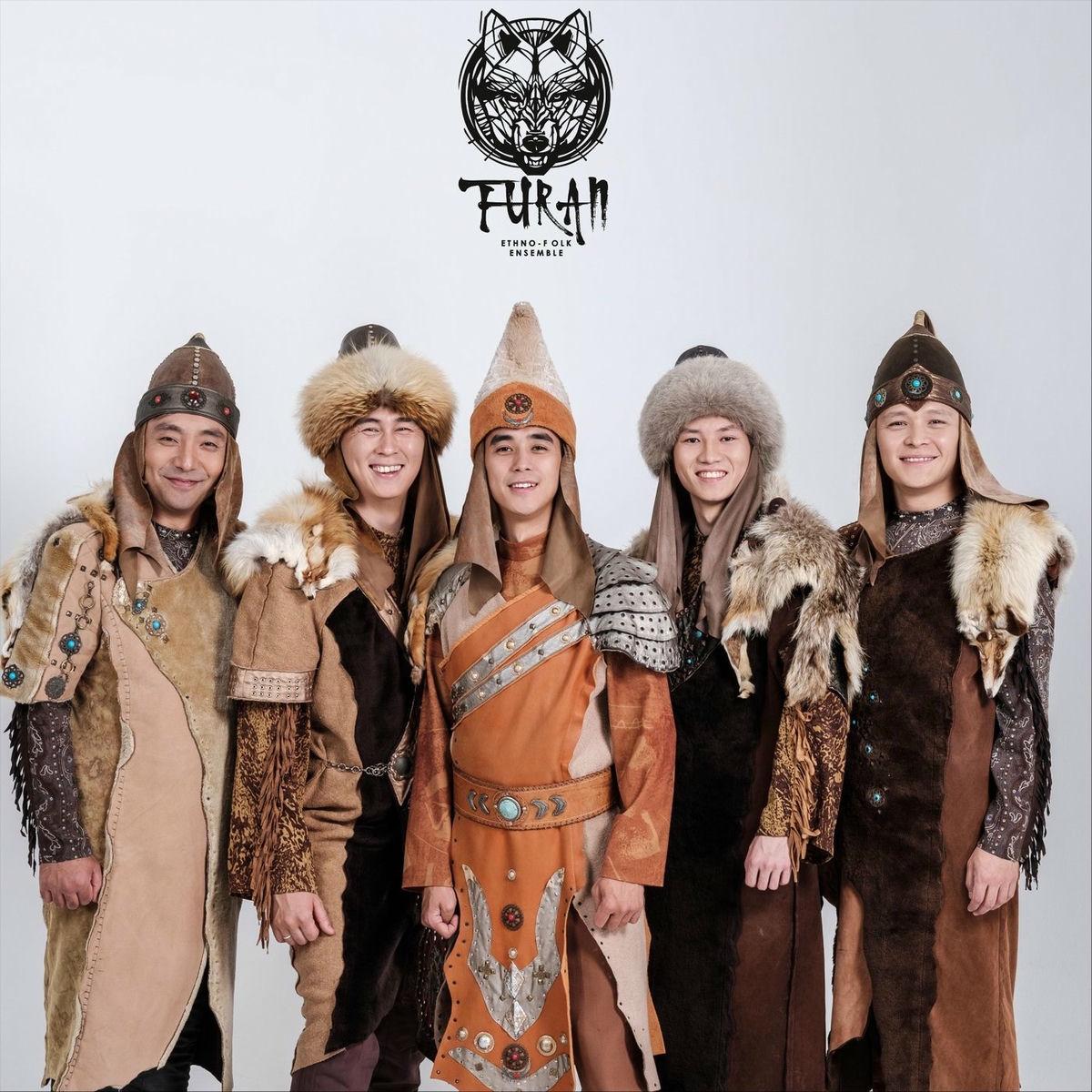
Er Turan (Music Group)
Er Turan (Kazakh: Тұран, English: Turan Ethno-Folk Ensemble) is a Kazakhstan-based ethno-folk music ensemble. Founded in 2008, the group is known for its works that blend Kazakh traditional music with elements from the historical and cultural heritage of the Turkic world. The ensemble has developed a unique musical approach by combining traditional instruments, vocal techniques, and contemporary stage arrangements, drawing inspiration from ethnic music, folk music, and classical music elements.【
EN
Zeyneb Kurun
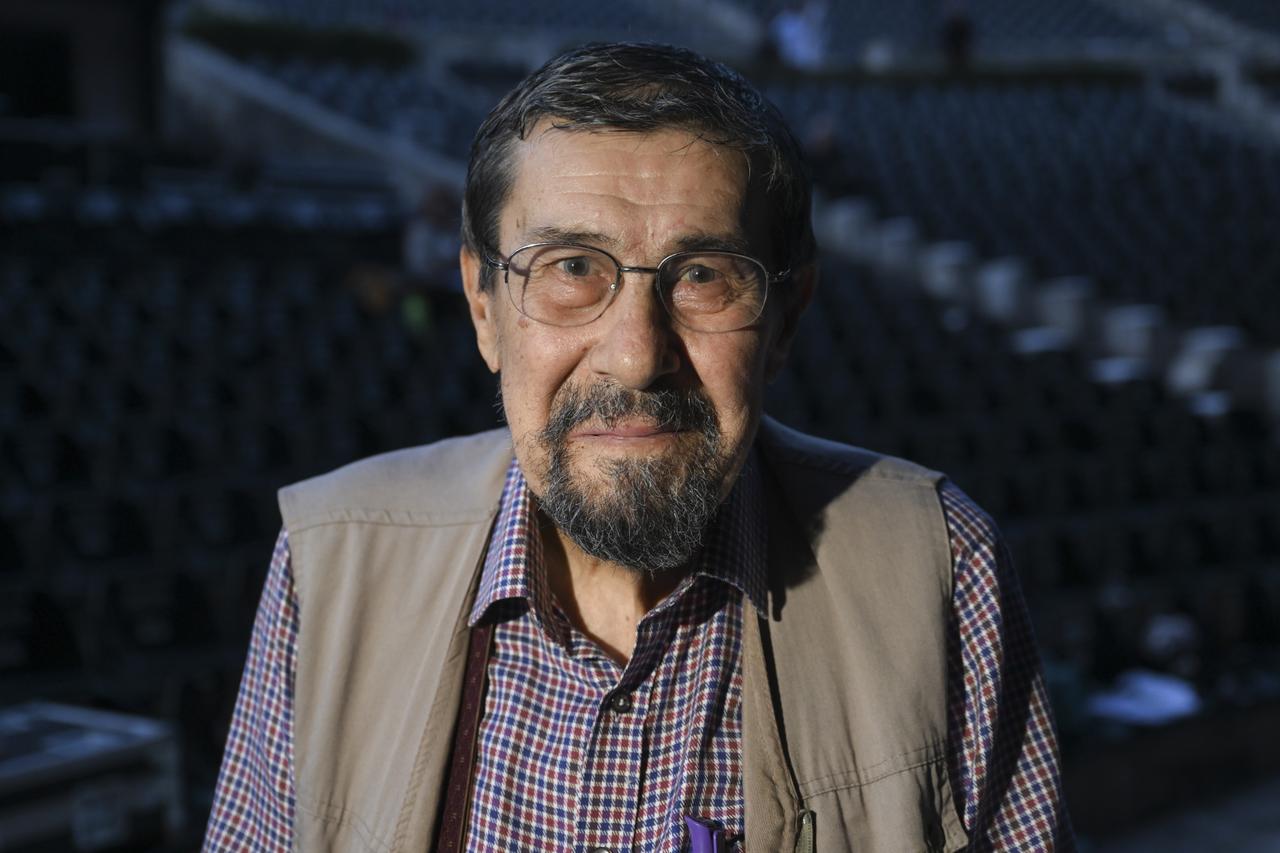
Zihni Göktay
Zihni Göktay (b. 2 December 1945, Istanbul – d. 6 July 2026, Istanbul) was a Turkish stage, film and television actor. His full name is Abdullah Zihni Göktay. He began his professional career in 1964 at Ankara Meydan Sahnesi, where he worked until 1973. From 1973 onward, Göktay served at İstanbul Şehir Tiyatroları, appearing in 72 plays over 36 years. He is regarded as one of the last representatives of the Turkish theatrical tradition of tuluat. Göktay passed away in Istanbul on 6 July 2026. Ea
EN
Edanur Karakoç
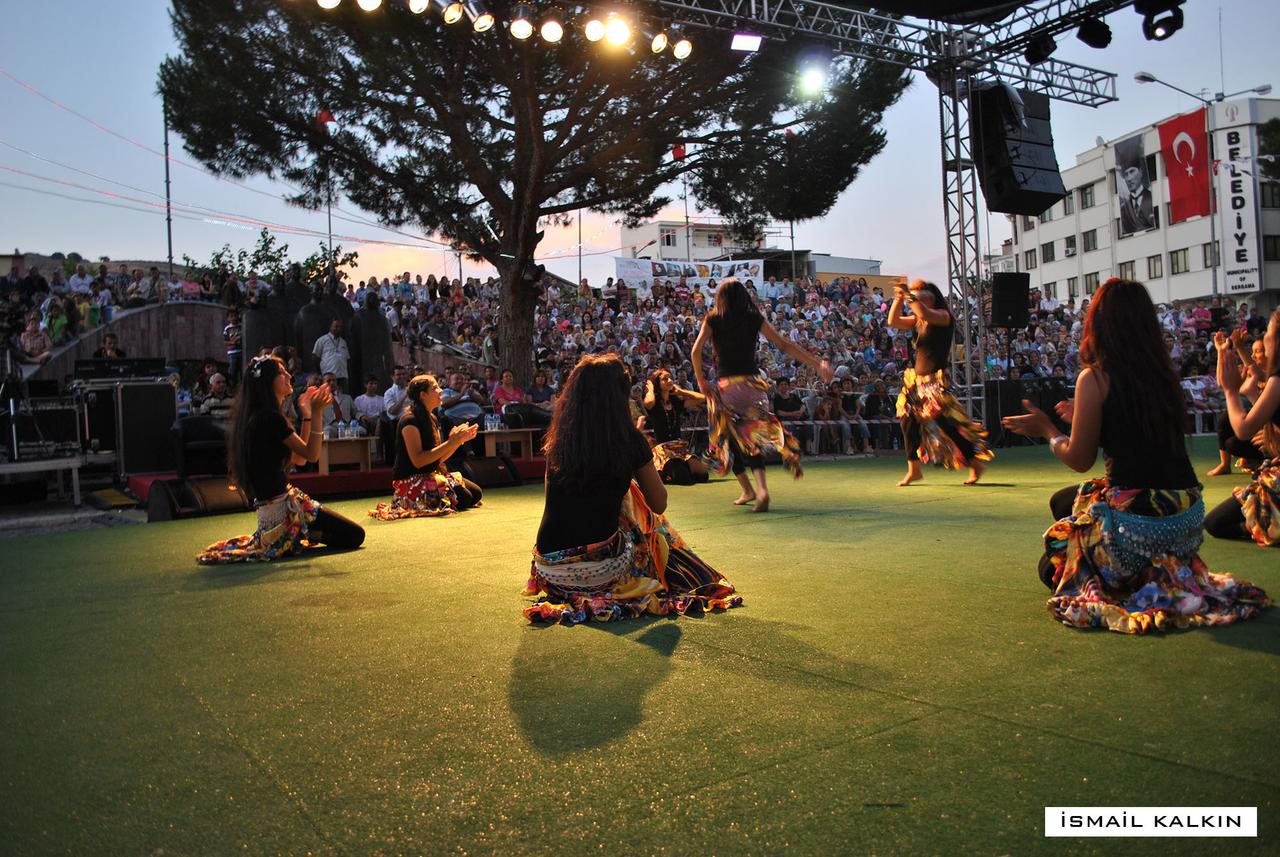
Bergama Fair
Bergama Kermesi is one of the continuous cultural and artistic events held in the İzmir province of Bergama district, Türkiye. It is also known as the International Bergama Festival. First held in 1937, the festival emerged as a multifaceted event aimed at promoting Bergama’s historical, cultural, and artistic heritage. Organized with contributions from local authorities and various cultural institutions, it has gradually acquired an international character. History The Bergama Kermesi was initi
ENElifnur Döker
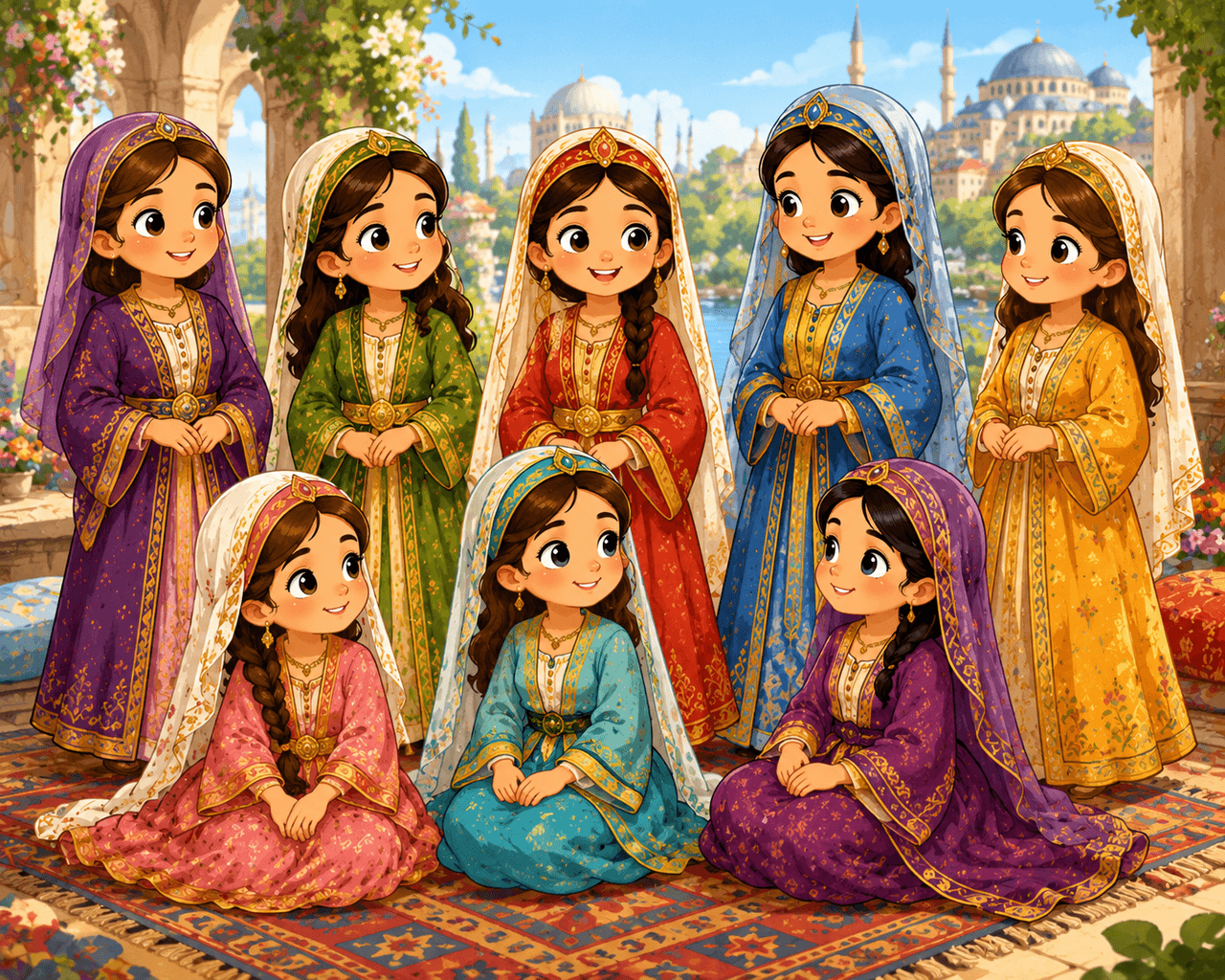
Women's Clothing in the Ottoman Empire
Ottoman women’s clothing was not merely a means of covering the body but also a way to express personal taste, wealth, and the social environment in which they lived. During this period, clothing was meticulously sewn like works of art, with each garment containing a unique story. The Ottoman woman’s wardrobe was filled with colorful fabrics and delicate embroidery. Literacy on Women’s Dress in the Ottoman Era (Generated with AI assistance) " image-element-format="right" image-height="1122" imag
EN
Saime Kılıç

René Guénon (Abdulvahid Yahya)
René Jean-Marie-Joseph Guénon (1886–1951) was a French thinker regarded as one of the pioneers of the traditionalist current of thought in the first half of the 20th century. Raised in a Catholic family, he began his education in religious schools and spent his youth immersed in various intellectual and metaphysical circles such as spiritualism, Freemasonry, and esotericism. In 1912, after embracing Islam, he adopted the name "Abdulwahid Yahya" and, following his affiliation with the Shadhiliyya
EN
Yusuf Bilal Akkaya
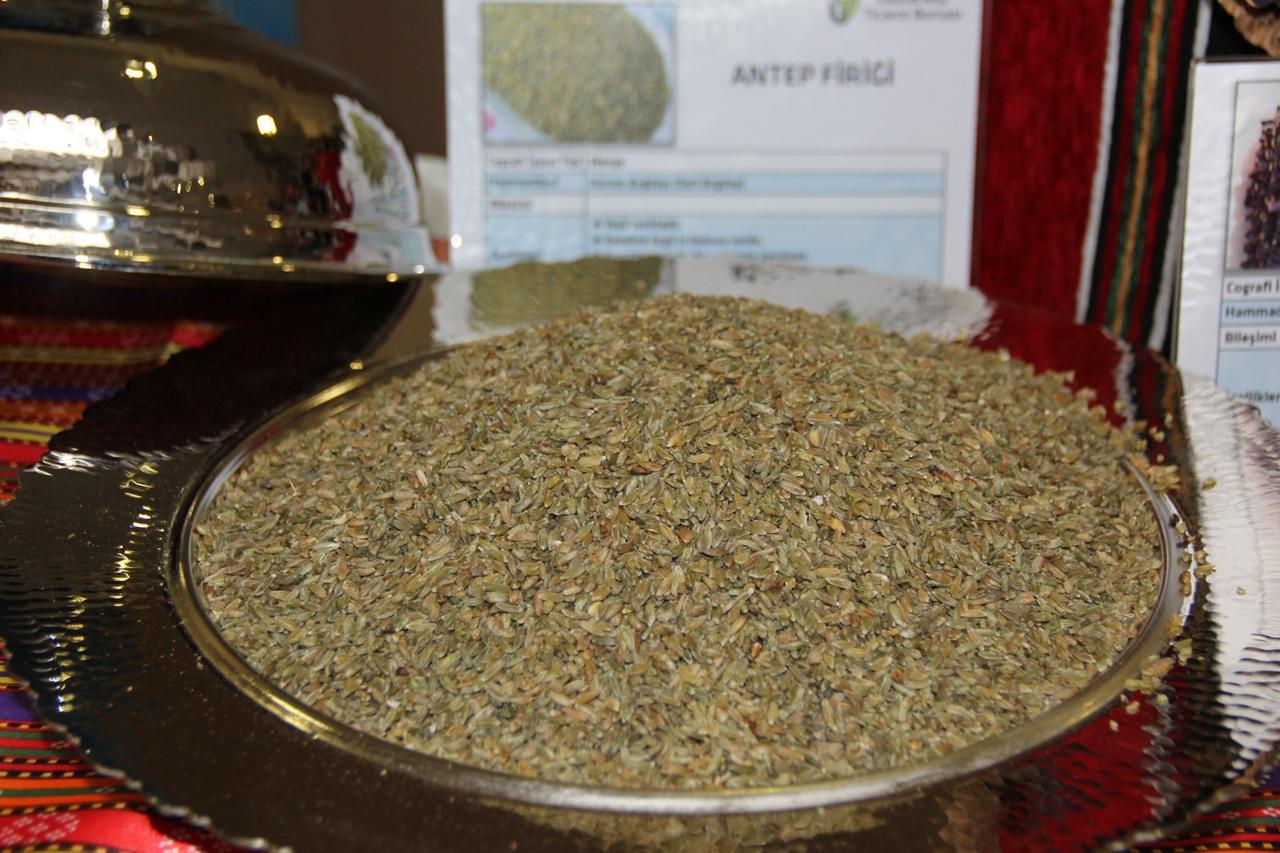
Antep Fıstığı
Antep Firiği is a product unique to the province of Gaziantep, obtained by processing immature wheat using traditional methods. It has been officially registered as a Geographical Indication by the Turkish Patent and Trademark Office. Product Definition and Distinctive Characteristics Antep Firiği is produced by harvesting wheat ears while still green and roasting them over fire in the field. During this process, the outer husks of the wheat burn, imparting a smoky aroma to the grains. The resul
EN
Ali Hakyol
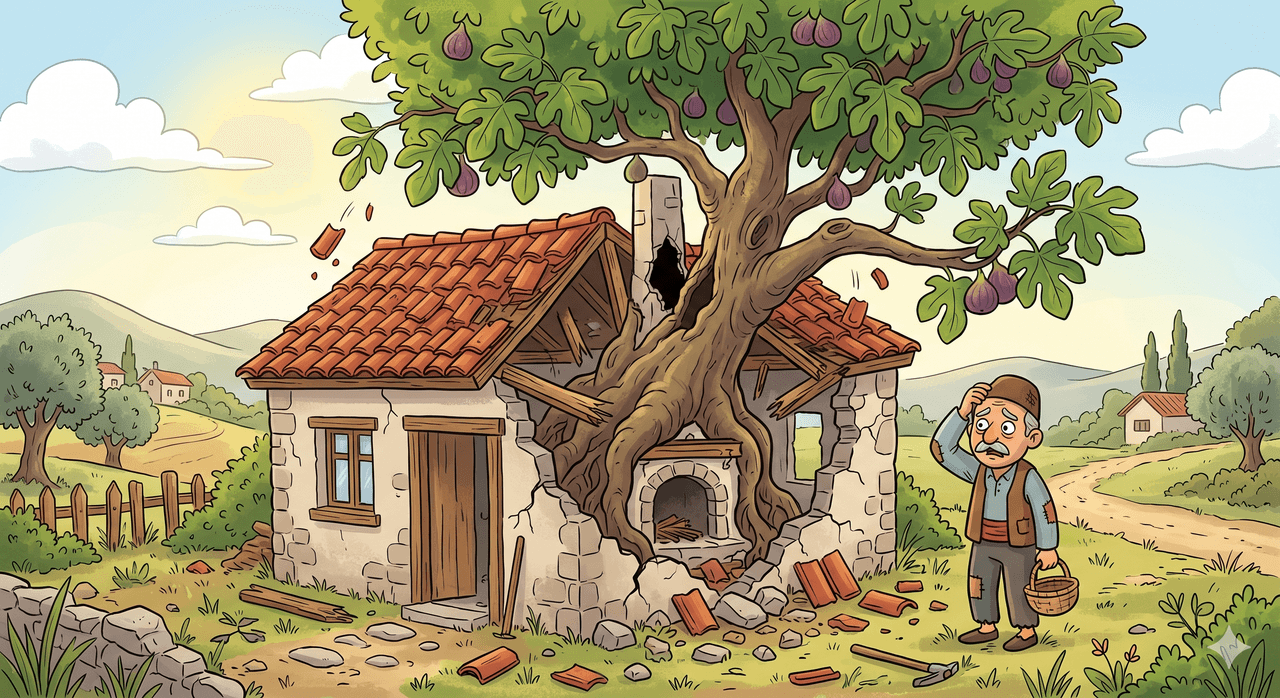
Planting a Fig Tree at the Hearth
In the magical world of words, sometimes a phrase we hear conveys something entirely different. "Ocağına incir dikmek" is a fascinating idiom frequently encountered in our language. At its core, it means to disrupt someone’s established order or to cause them serious harm. But how could the delicious fruit-bearing fig trees possibly be connected to a disturbed arrangement? Let us explore together the origins of this ancient and intriguing expression! Our Cultural Heritage: Idioms and Their Place
EN
Şehrinaz İrem Canbaba
 Ay
AyAyaz Ata
Ayaz Ata is a mythical or folkloric figure in the beliefs and folklore of certain Turkic communities, depicted as an elderly, wise, and benevolent character associated with the winter season, the annual cycle, and New Year celebrations. In contemporary academic and folkloric discussions, there are differing views on whether Ayaz Ata is an ancient and original element of Turkic mythology or a syncretic figure that emerged in a later period through interaction with the Santa Claus and Russian Ded
EN
Duygu Şahinler
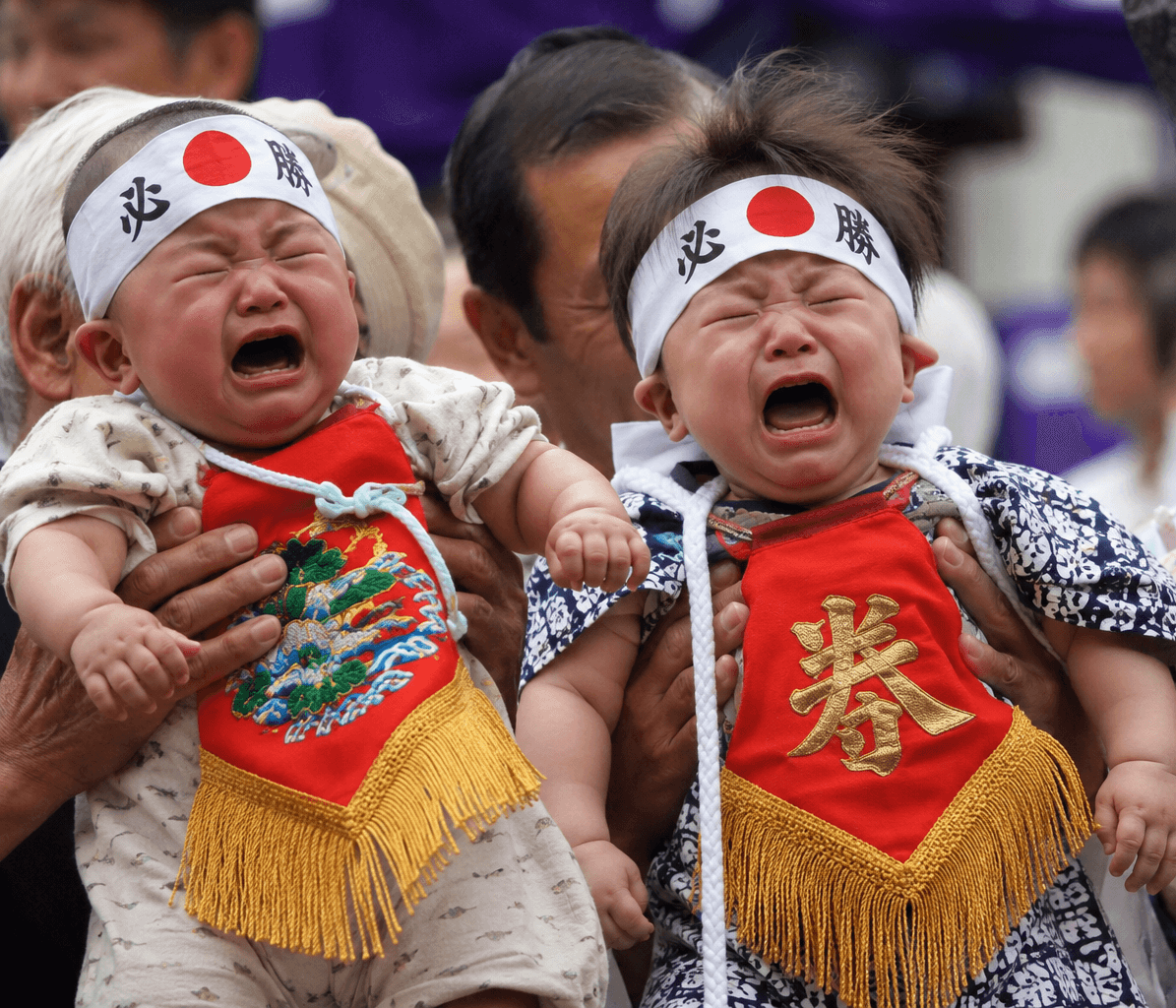
Crying Baby Festival (Naki Sumo)
The Crying Baby Festival (Naki Sumo) Japan is a traditional festival and ritualistic competition held to encourage and sustain infants’ crying. This event, with a history spanning nearly 400 years, is conducted annually at Shinto shrines throughout Japan. Origins Naki Sumo is a rite of purification and transition rooted in the intersection of Shinto belief and Japanese folk philosophy. Its fundamental premise is the longstanding belief that an infant’s cries possess the power to drive away evil
EN
Nursena Şahin

Shahmaran (Shahmeran) Legend
The Shahmaran Legend; a traditional narrative cherished and preserved through oral and written cultural traditions within Turkish storytelling, reaching the present day in various forms.【1】 The mythical creature known as Shahmaran or Shahmeran, described as having a human head—largely female—and a serpent’s body, derives from the Persian expression “Shah-i Mârân,” meaning “king of serpents.” In Semitic legends, this being is referred to as “Yamliha,” a name carrying the meanings “to rule” or “to
ENTalha Yıldırım