

`traditionalarts` Related Article Results
 Na
NaNahal Tree
Nahıl Ağacı is a three-dimensional monumental craft object, typically designed in the form of a cypress or date palm tree, adorned with beeswax, precious stones, mirrors, and various figurines. It was used during festivals, weddings, and circumcision processions in the Ottoman Empire period, symbolizing abundance, prosperity, power, and the continuity of life. The term derives from the Arabic word "nahl," meaning "date palm tree," and over time it was also referred to in folk usage as "nakıl"İsm
EN
Yunus Emre Yüce
Turkish Textile Culture
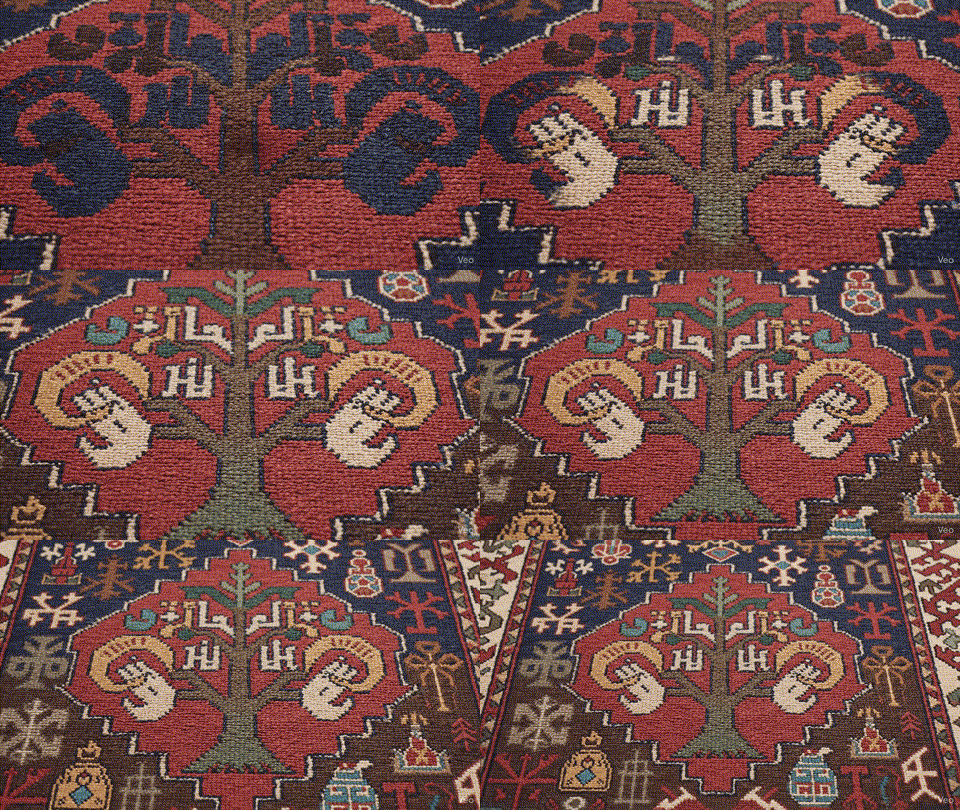
Turkish Textile Culture is a culture that developed over historical processes across a vast geography extending from Southern Siberia, Central Asia, the Caucasus, Anatolia, and the Balkans. This culture emerged in response to the needs of a nomadic lifestyle and gradually transformed into artistic production forms of settled societies. Turkish textile art encompasses works produced through various techniques such as felt, flat weaving (kilim, cicim, zili, sumak), and pile weaving (carpet), which
ENYunus Emre Yüce
Beytüşşebap Jirki Kilim
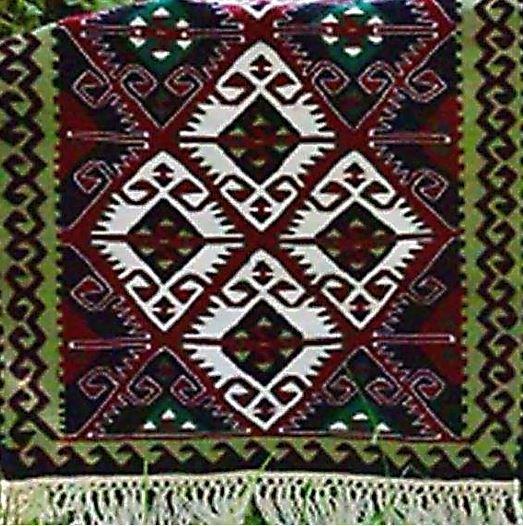
Beytüşşebap Jirki Kilim, Şırnak Province’s Beytüşşebap and surrounding areas, is a handcrafted textile woven with wool yarn. Kilim weaving is achieved by interlacing warp and weft threads in a specific pattern. The tradition of kilim weaving has been sustained for generations by the local population, and its motifs are closely linked to the region’s way of life and cultural values. Materials and Dyeing Methods The primary material used in the production of Beytüşşebap Jirki Kilim is pure wool ya
EN
Zelal Çakar
Zihni Göktay
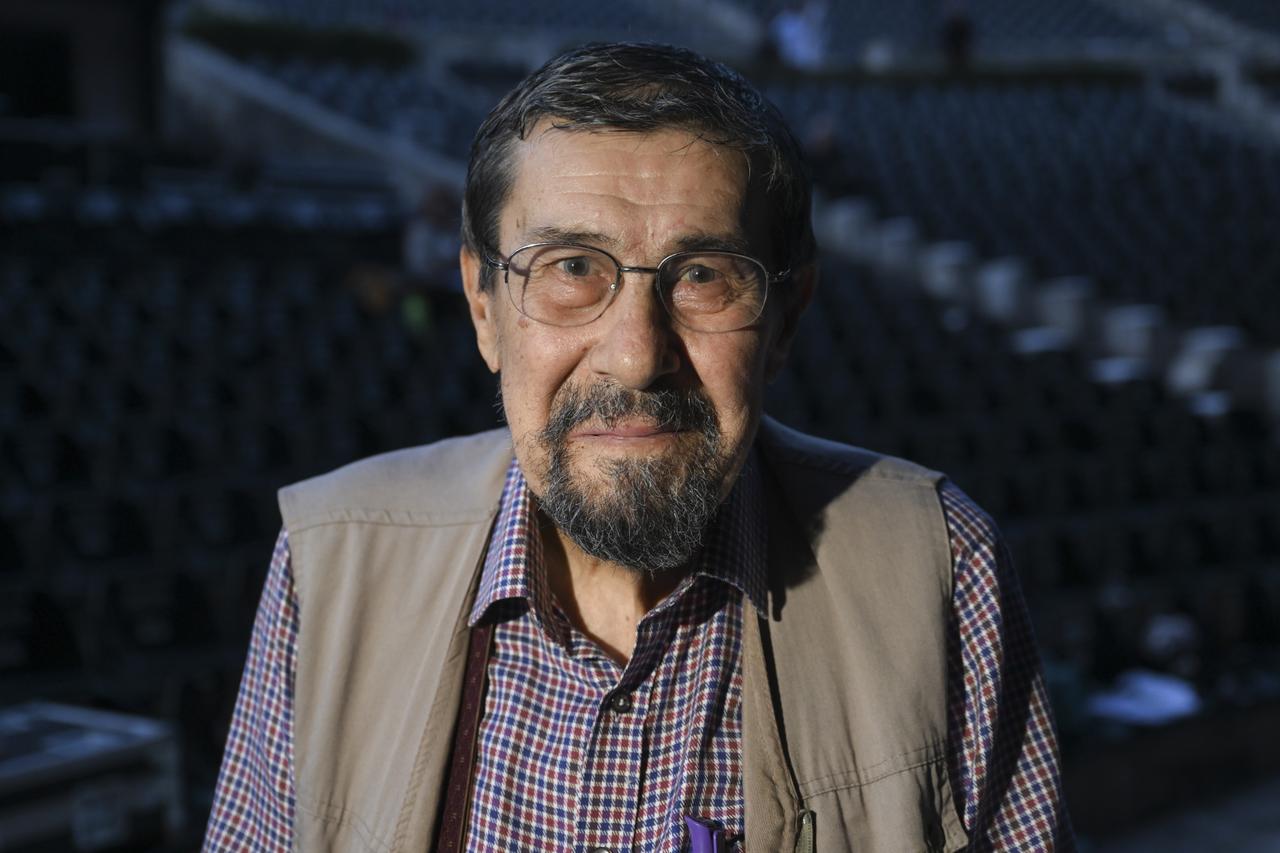
Zihni Göktay (b. 2 December 1945, Istanbul – d. 6 July 2026, Istanbul) was a Turkish stage, film and television actor. His full name is Abdullah Zihni Göktay. He began his professional career in 1964 at Ankara Meydan Sahnesi, where he worked until 1973. From 1973 onward, Göktay served at İstanbul Şehir Tiyatroları, appearing in 72 plays over 36 years. He is regarded as one of the last representatives of the Turkish theatrical tradition of tuluat. Göktay passed away in Istanbul on 6 July 2026. Ea
EN
Edanur Karakoç
Kabak Kemane
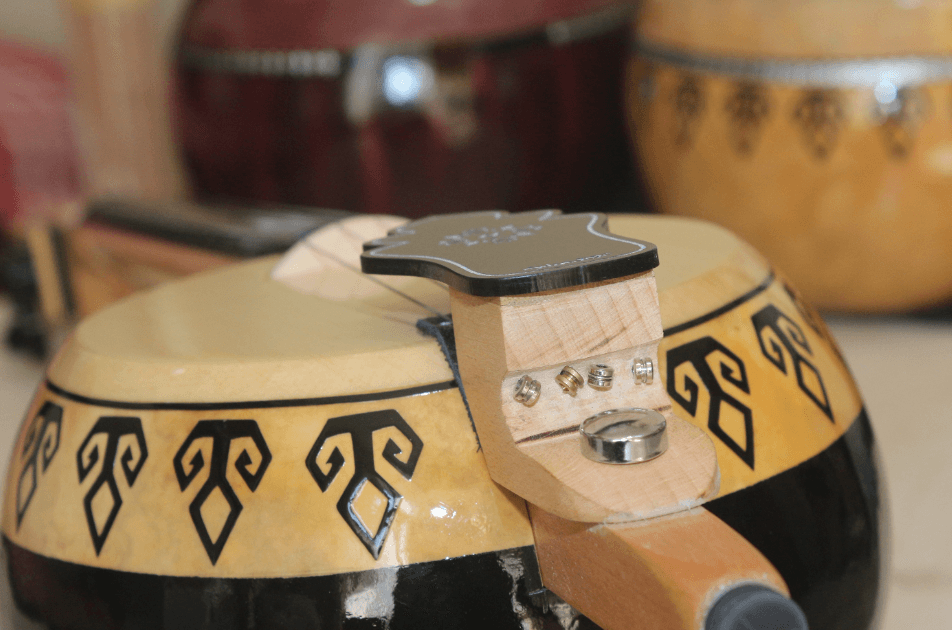
Kabak kemane is a Turkish folk music instrument with a body traditionally made from a gourd, a skin-covered soundboard, and played with a bow. Among stringed and bowed instruments, it is distinguished by its use of animal skin as a soundboard covering. Historically, this instrument gained widespread popularity in Anatolia, particularly in the western and southwestern regions, and over time evolved from a regional instrument into one recognized and performed throughout Türkiye. Kabak Kemane Image
EN
İremsu Ümit

The Journey of the Tulip in Turkish Culture
Cultural symbols are powerful indicators that reflect a society’s aesthetic understanding, historical experience, and way of perceiving the world. In this context, the tulip in Turk culture history is not merely an ornamental plant; it carries a multilayered world of meaning deeply interwoven with art, literature, belief, and daily life. For centuries, the tulip found its place across a wide spectrum—from gardens to poetry, from architecture to decorative arts—and gradually transcended its role
EN
Nursena Şahin
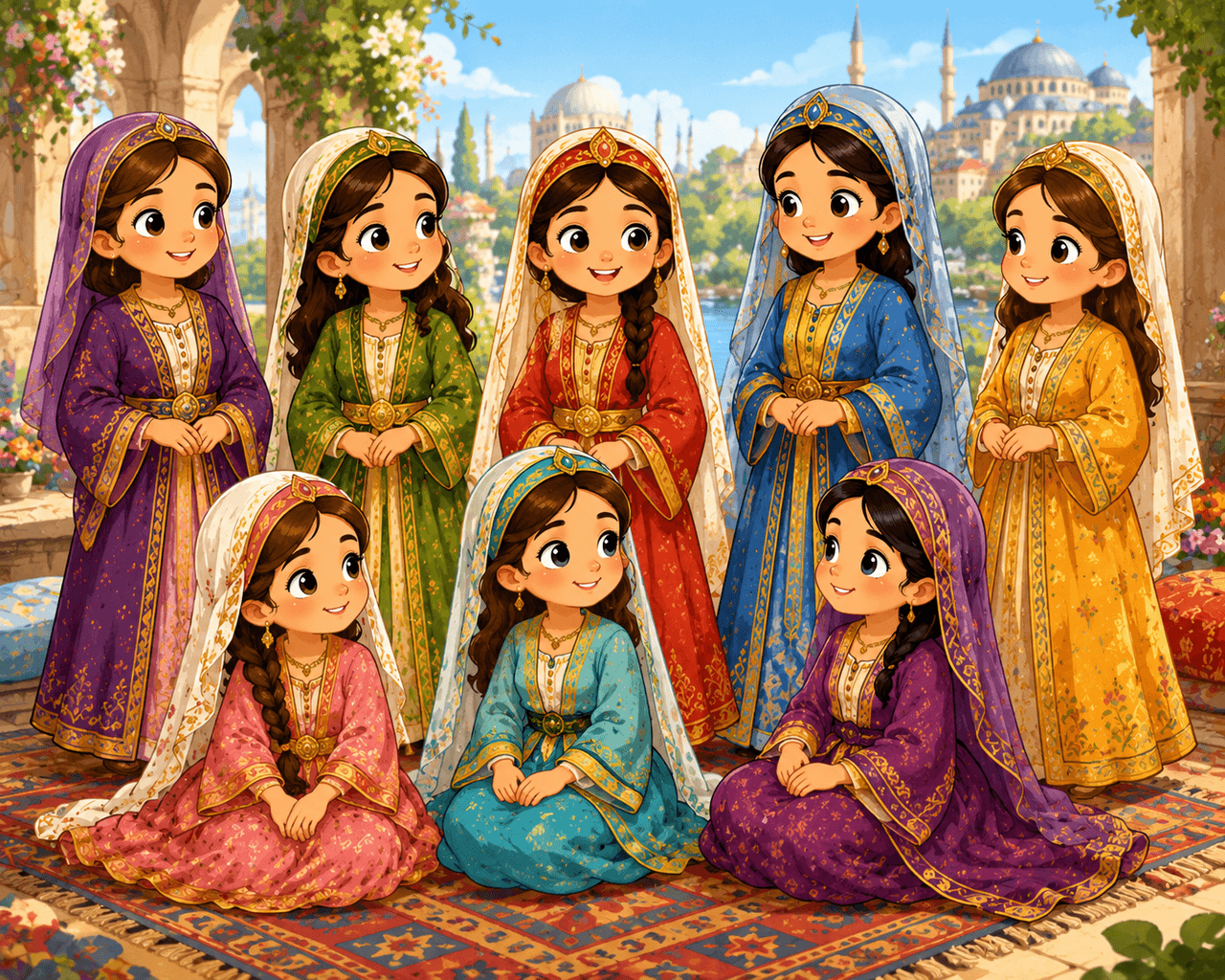
Women's Clothing in the Ottoman Empire
Ottoman women’s clothing was not merely a means of covering the body but also a way to express personal taste, wealth, and the social environment in which they lived. During this period, clothing was meticulously sewn like works of art, with each garment containing a unique story. The Ottoman woman’s wardrobe was filled with colorful fabrics and delicate embroidery. Literacy on Women’s Dress in the Ottoman Era (Generated with AI assistance) " image-element-format="right" image-height="1122" imag
EN
Saime Kılıç
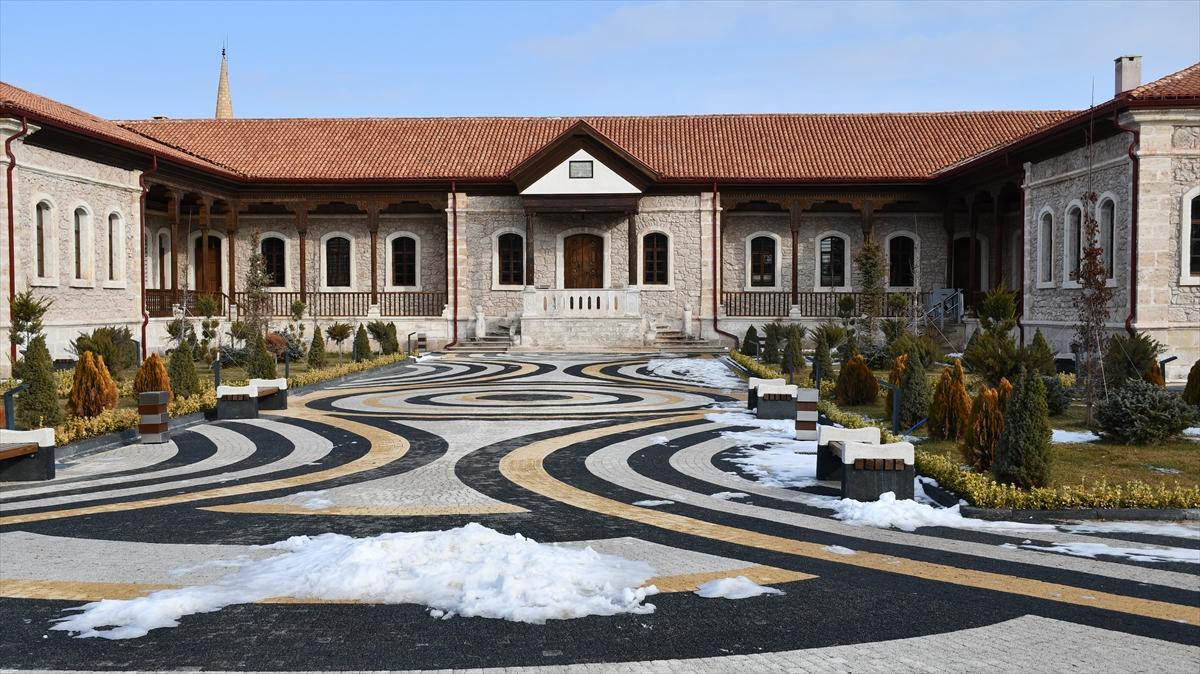
Museum of the Industrial School
Sivas Sanayi Mektebi Müzesi is a cultural heritage institution distinguished by its layered history spanning from the Ottoman era to the present, operating under a “living museum” approach. Constructed in 1902, the building served various functions including an industrial school, an art school, and a prison before being restored in 2019 and opened to the public as a museum in 2021. The museum is dedicated to preserving and promoting both the historical identity of the building and the traditiona
EN
Zeynep Yılmaz
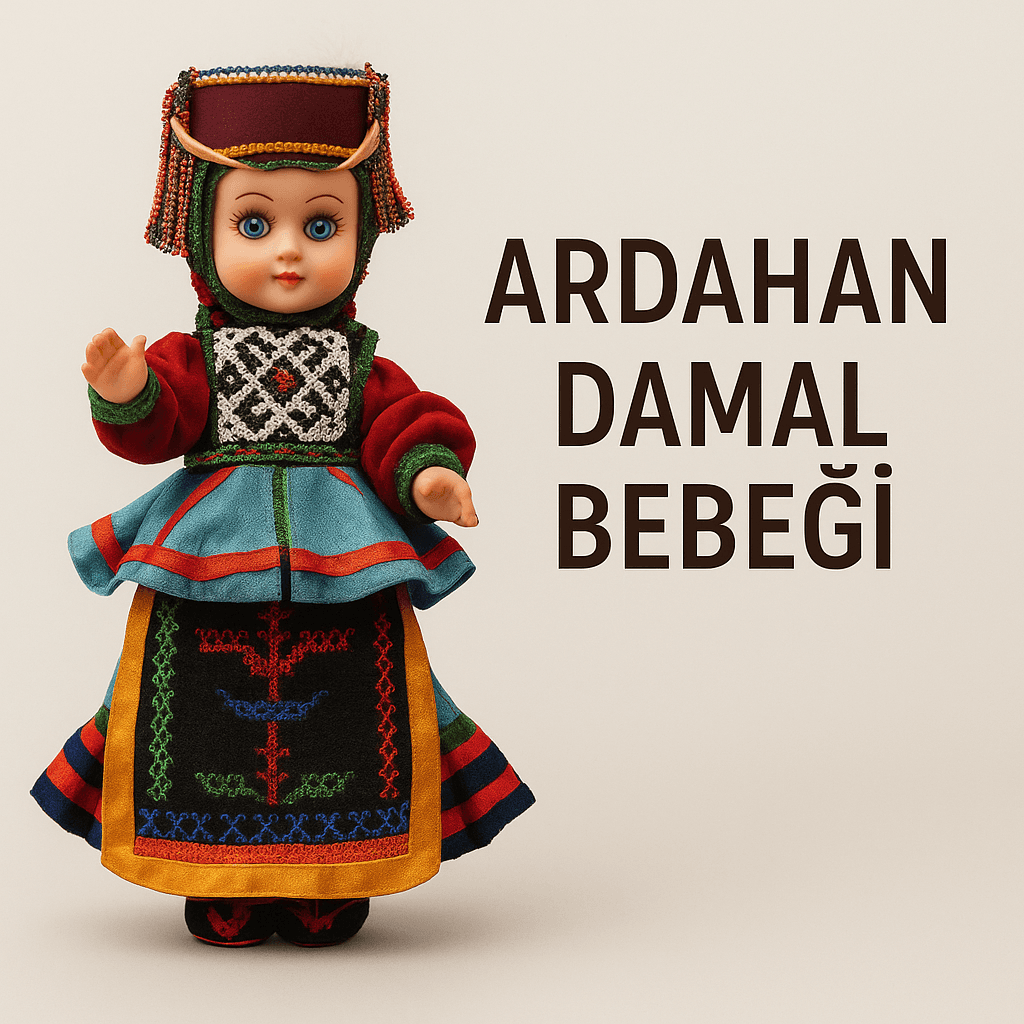
Damal Bebeği
Damal Bebeği is a cultural figure unique to the Damal district of Ardahan province in Türkiye, handcrafted and reflecting traditional women’s attire. Beyond being a toy or decorative item, it is an important intangible cultural heritage element that preserves the region’s folkloric values, traditional crafts, and clothing culture, and serves as a source of livelihood for the local population. In 1996, the Damal Bebeği won first place in the handcraft category at the “Regional Folkloric Dolls” co
ENIşılay Deniz
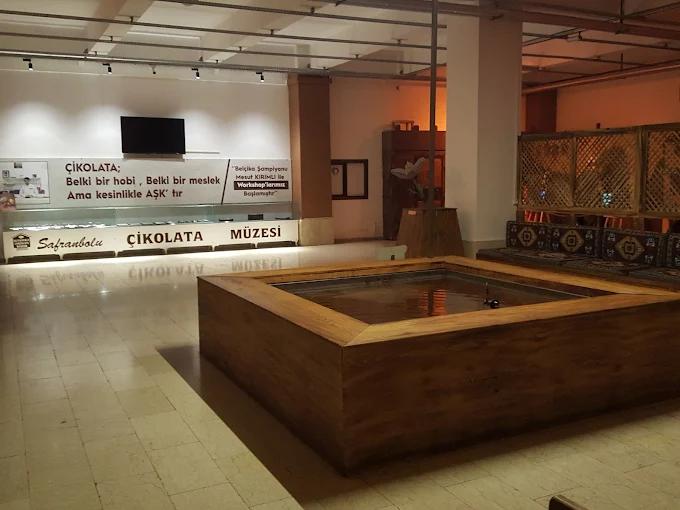
Safranbolu Chocolate Museum
Safranbolu Chocolate Museum opened on 08.08.2019 in the district of Safranbolu, which belongs to Karabük Province and is listed on the UNESCO World Cultural Heritage List. 【1】The museum was established by Mesut Kırımlı, a Safranbolu entrepreneur and chocolate master who received gastronomy training abroad. The institution’s commercial activities are carried out under the company name "My Chocolate". 【2】 The official opening ceremony was held as part of the 20th International Golden Saffron Docum
EN
Gözde Cabadak