

`star` Related Article Results
 Ke
KeKepler-20e
Kepler-20e, Sun is an exoplanet discovered by the Kepler Space Telescope outside our solar system. It orbits the Kepler-20 star system, located approximately 950 light years from World. It was announced on 20 December 2011 by the Kepler science team. Discovery and Significance: The discovery of Kepler-20e is significant because it is one of the first Earth-sized planets found outside the Solar System. It was detected using the Kepler telescope’s transit method. This discovery provided important
EN
Ahmet Şorsu
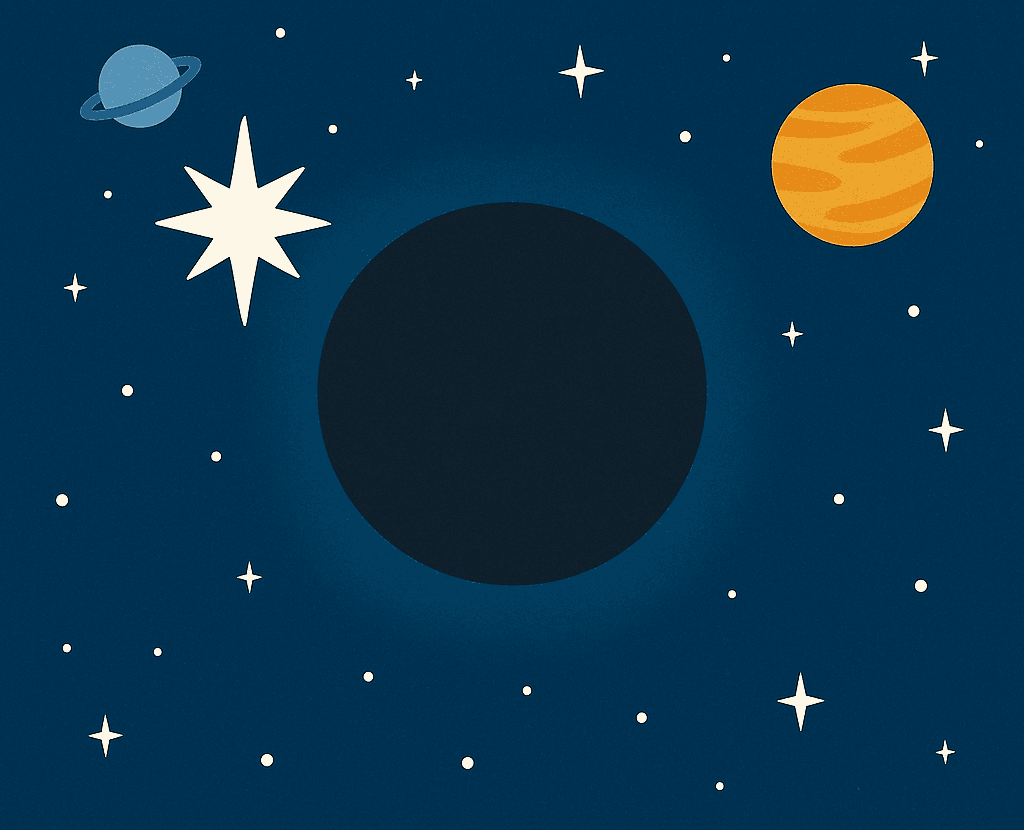
What Is a White Dwarf?
A black dwarf is a hypothetical celestial object that emerges in the final stage of a star’s life. In reality, black dwarfs are the end result of white dwarfs that have completely cooled and no longer emit any light. They are therefore extremely aged stars that have lost all their energy. But do not worry—no black dwarfs have yet formed in the universe! This is because it takes trillions of years for a star to evolve into a black dwarf. How Do Black Dwarfs Form? Stars are born, live, and die. St
EN
Sümeyye Akkanat Terzioğlu
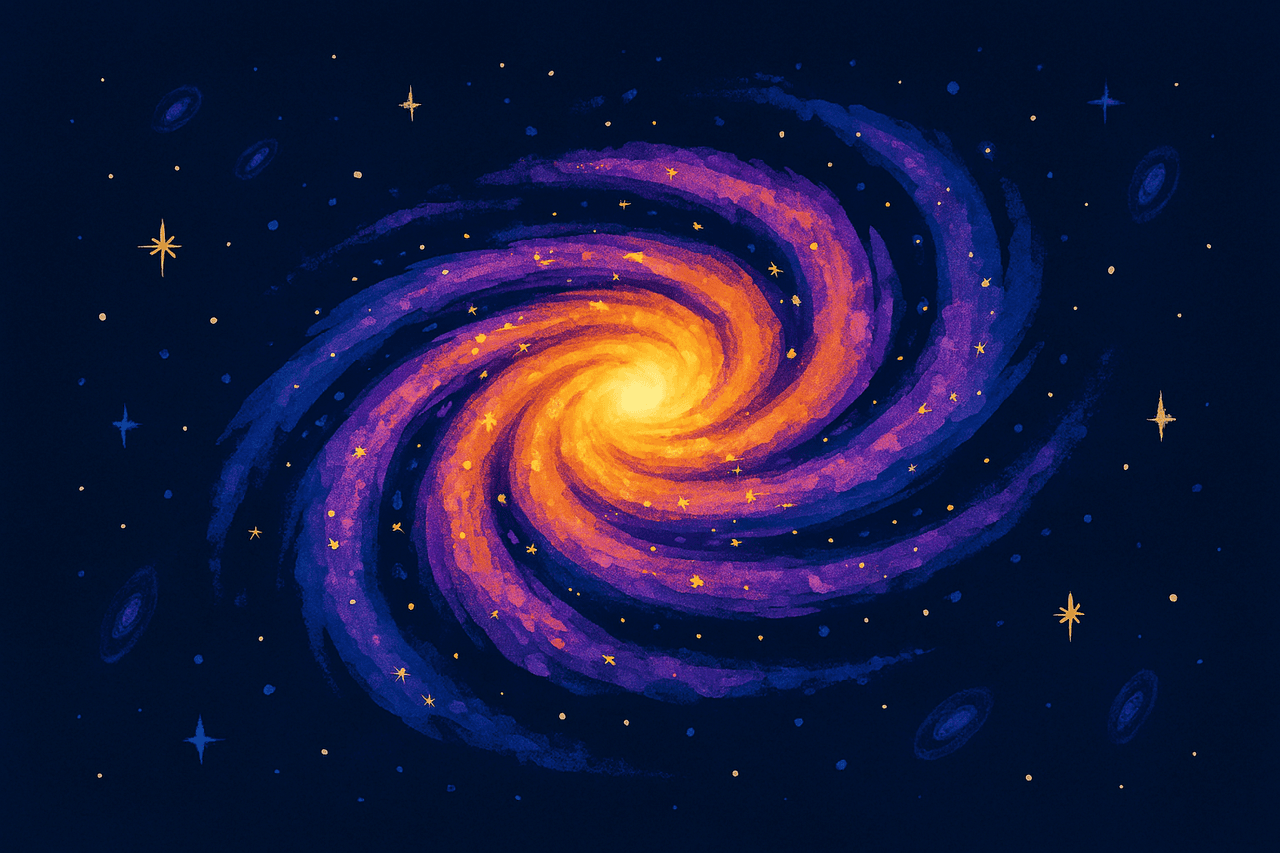
Light-year
In space, the distances between stars, planets, and galaxies are so vast that measuring them in kilometers becomes extremely difficult. For this reason, scientists use a unit called the light-year. Let’s learn together what a light-year is! What Does Light-Year Mean? Light is the fastest thing in the universe, traveling through vacuum at exactly 300,000 kilometers per second. This is millions of times faster than the speed of a car or an airplane! A light-year is the distance that light travels
EN
Elif Laçin
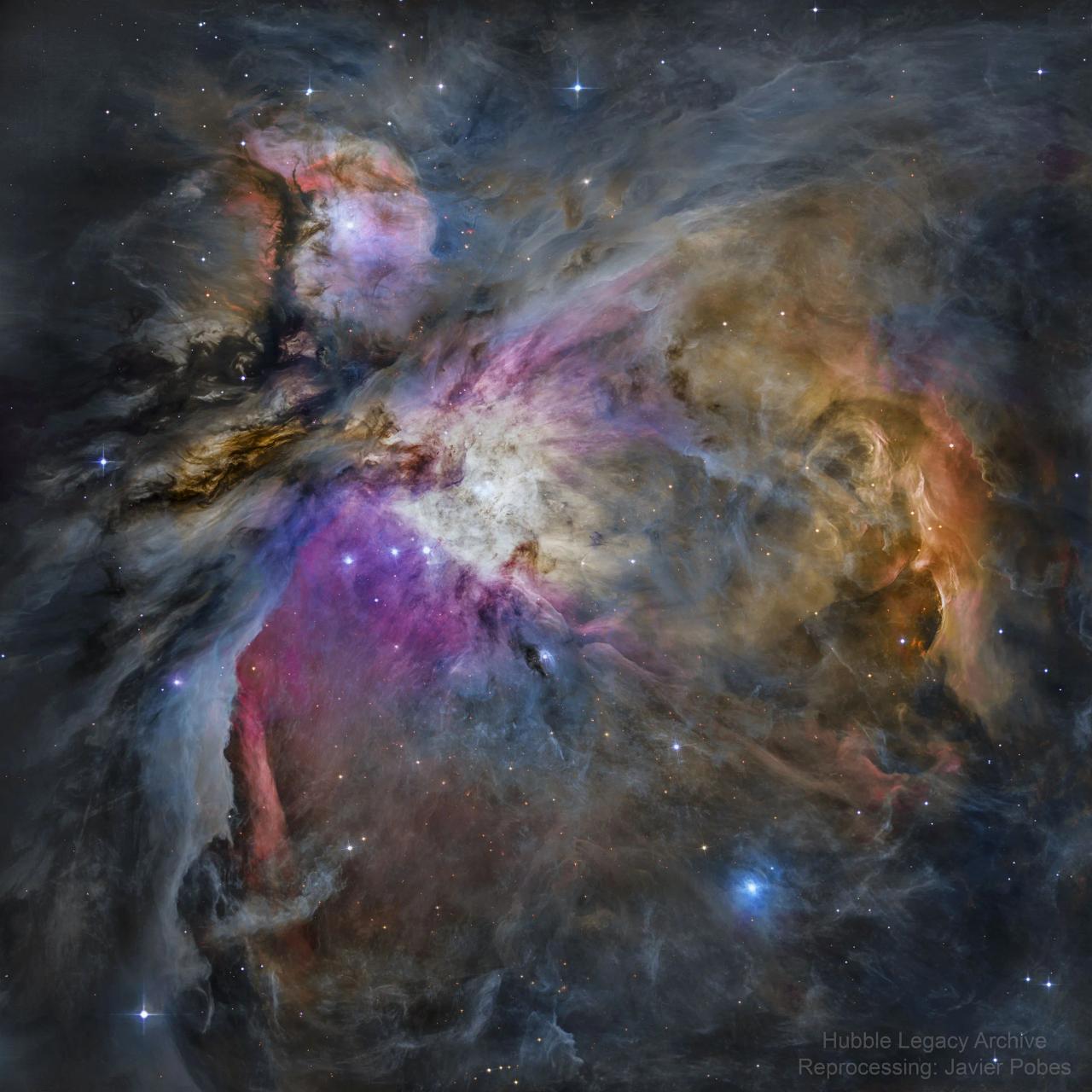
Avcı Bulutsusu (M42)
The Orion Nebula (or its scientific name, Messier 42, abbreviated as M42) is a large and bright diffuse nebula located in the constellation Orion. This nebula is approximately 1344 light years from Earth and is one of the brightest nebulae visible to the naked eye in the night sky. With a width of about 24 light years, the Orion Nebula is regarded as one of the best-known regions of star formation in the sky. Observational History Even before the invention of the telescope, the Orion Nebula was
ENAhmet Şorsu
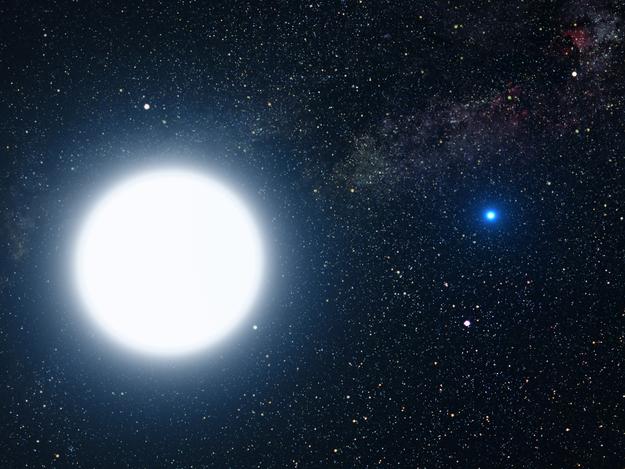
Sirius Star
Sirius is one of the brightest stars in the night sky and forms an important part of the Winter Triangle constellation. This star is located in the constellation Canis Major and derives its name from the Greek word meaning "glowing." At a distance of approximately 8.6 light years, Sirius is known as the brightest star visible from Earth. Since ancient times Sirius has held great significance for many civilizations. In ancient Egypt it was regarded as the harbinger of the Nile River floods and pl
EN
Cemal Efe Gündoğdu
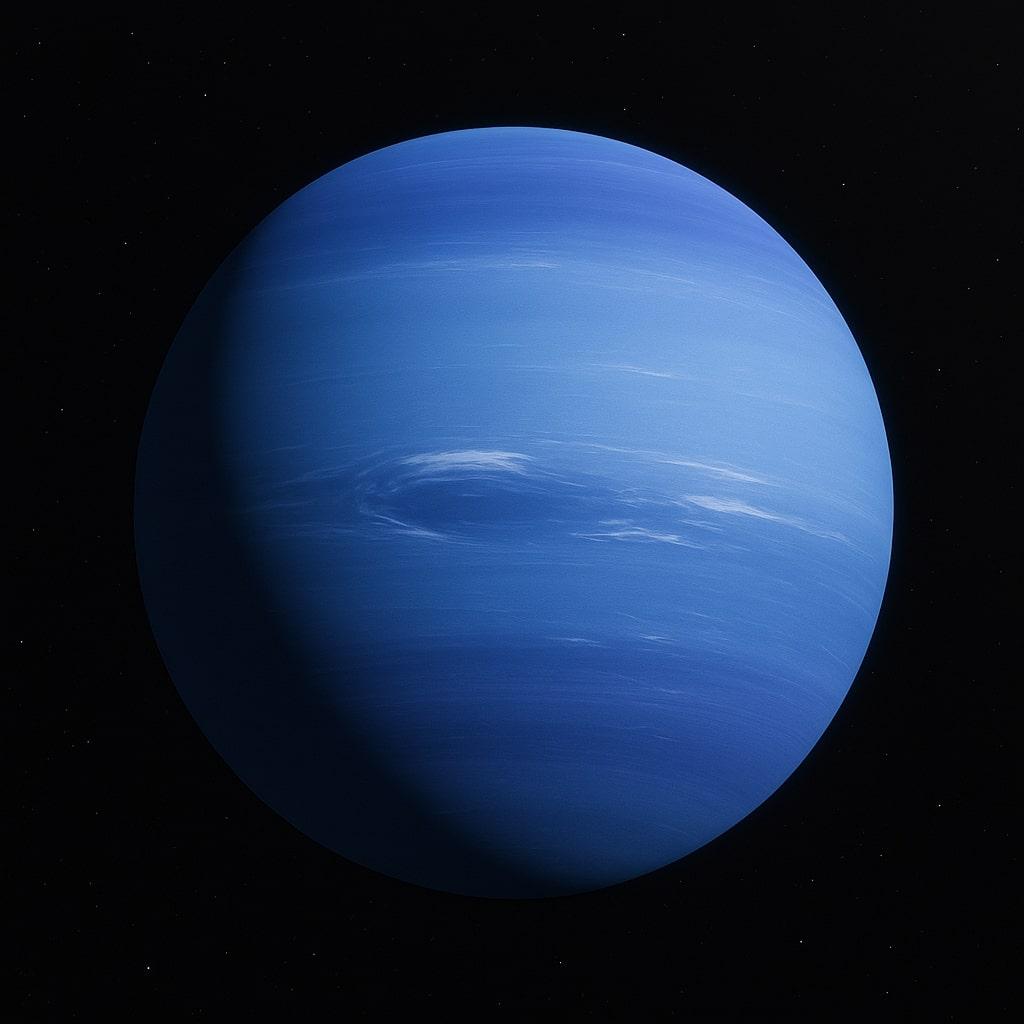
Neptune
Neptune is the eighth and most distant planet from the Sun in the Solar System, located at an average distance of 2.8 billion miles (4.5 billion kilometers). At a distance of 30 astronomical units (AU), this planet was discovered in 1846 by Johann Gottfried Galle, following calculations by French mathematician Urbain Le Verrier. Neptune is the only planet not visible to the naked eye and is notable for its bluish color. This color arises because methane gas in its atmosphere absorbs red light an
EN
Armağan Arda Çakar
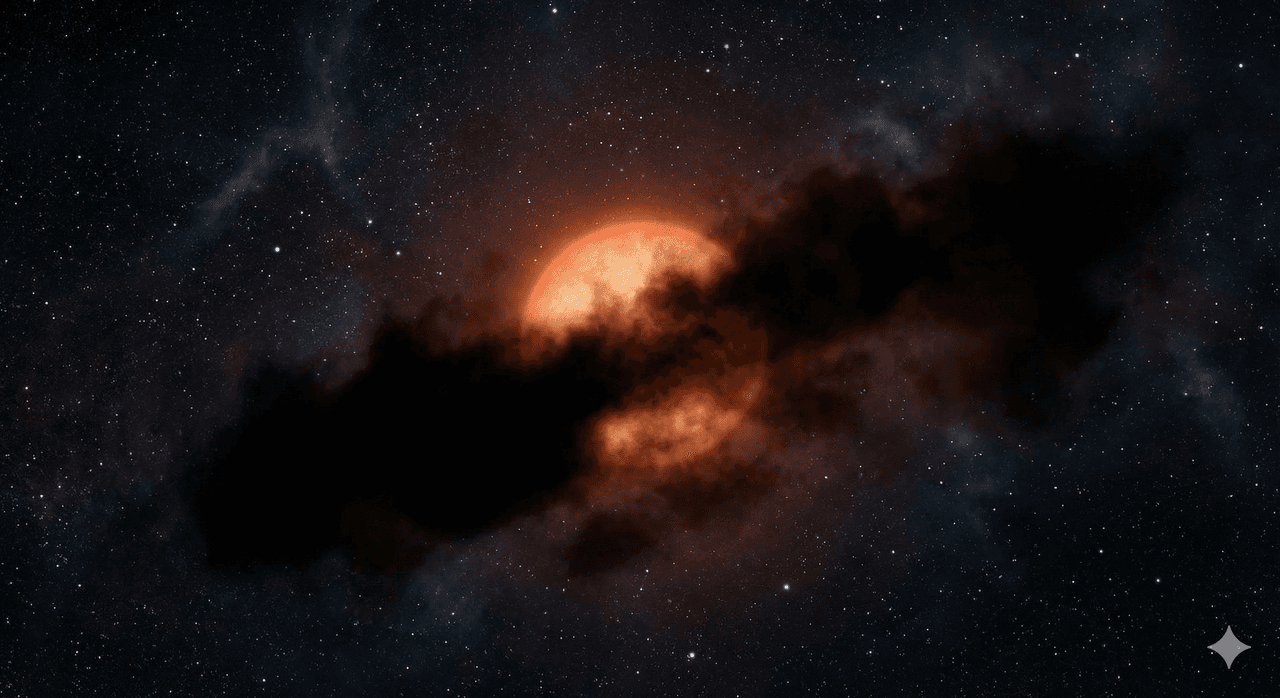
Betelgeuse
Orion Constellation’s shoulder, composed of the red supergiant Betelgeuse, one of the brightest stars in the sky, underwent one of the most prominent brightness variations ever recorded in modern astronomy history at the end of 2019. During this event, known as the “Great Dimming,” the star’s brightness dropped below its normal level, becoming noticeably darker to the naked eye. This process, which began in late 2019 and lasted into early 2020, sparked global speculation that the star might be a
EN
Aykut Laçın
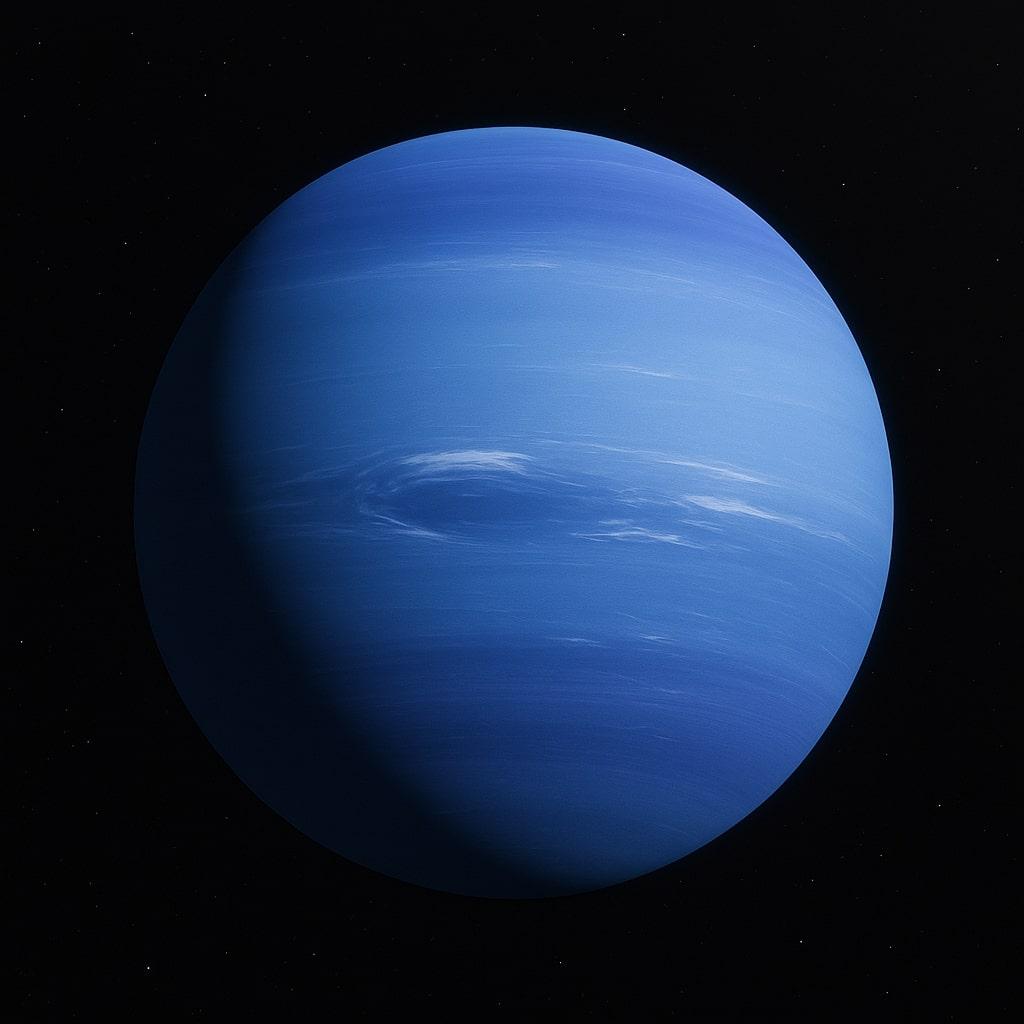
Neptune
Neptune is the eighth and farthest planet from the Sun in the Sun System, orbiting at an average distance of 2.8 billion mile (4.5 billion kilometers). Located at a distance of 30 astronomical units (AU), this planet was discovered in 1846 by Johann Gottfried Galle, following calculations by French mathematician Urbain Le Verrier. Neptune is the only planet not visible to the naked eye and is notable for its bluish color. This color arises from methane gas in its atmosphere absorbing red light a
EN
Armağan Arda Çakar
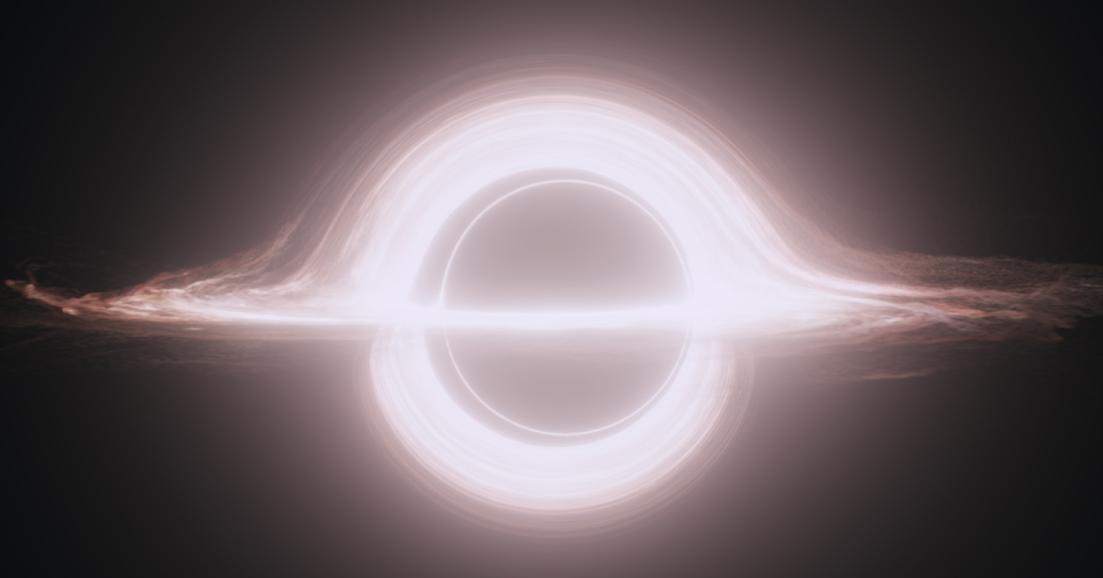
Star Evolution
Stellar evolution is one of the fundamental work areas of astrophysics and holds great importance significance for understanding the formation, galaxy dynamics, and cosmological processes of chemical elements in the universe. This process encompasses the physical and chemical transformations a star undergoes from its birth through its life cycle to its final stage. A star’s mass is the most critical factor determining its evolutionary path. Star Formation Stars form in cold, dense regions of gas
EN
Osman Özbay
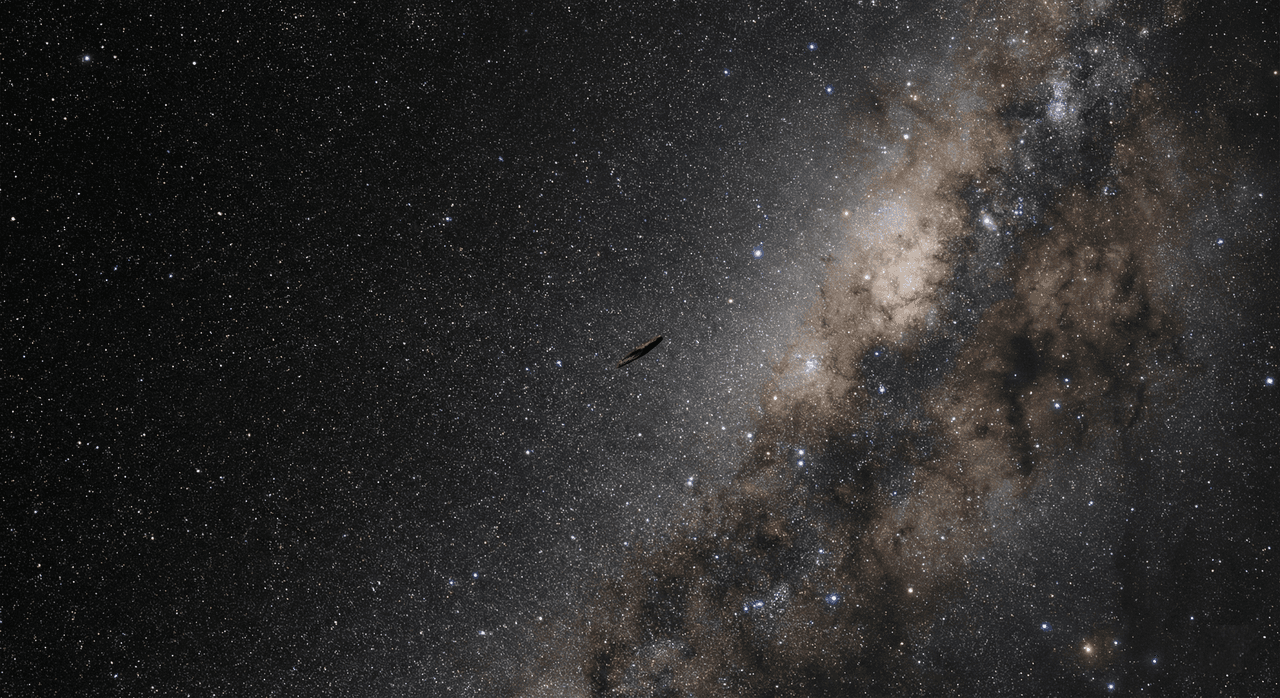
Oumuamua
The first object identified as originating from outside the Solar System, 'Oumuamua, was discovered on 19 October 2017 by the Pan-STARRS1 telescope affiliated with the University of Hawaii. This celestial body, recorded in scientific literature as 1I/2017 U1, derives its name from the Hawaiian phrase meaning “the first distant messenger.” The object entered the Solar System on a hyperbolic trajectory and exhibited physical and dynamical characteristics simultaneously resembling those of both an
ENAykut Laçın