

`southamerica` Related Article Results
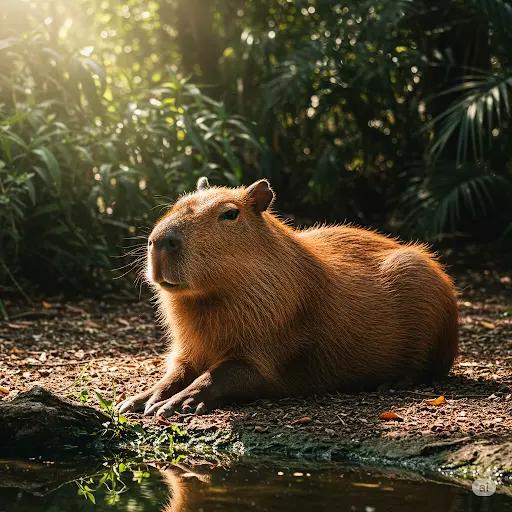
Kapibara (Hydrochoerus hydrochaeris)
Capybara is known as the largest rodent in the world and is a semi-aquatic mammal commonly found in the tropical and subtropical regions of South America. Belonging to the family Caviidae, this species stands out due to its social structure, behavioral traits, and ecological adaptations. Capybaras are predominantly found in areas with extensive grasslands and water sources, especially along riverbanks and wetlands. This species is capable of surviving by exhibiting various adaptations both in it
EN
Emre Özen
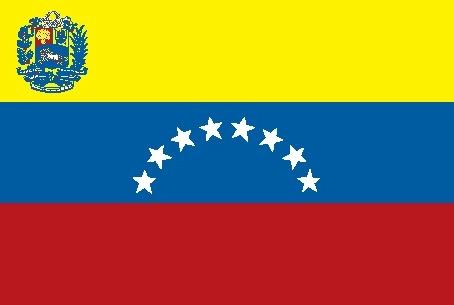
Venezuela
Venezuela is one of the geopolitical weight centers of the region due to its location on the northern coast of South America, opening onto the Caribbean Basin, and its rich natural resources. Its topography is defined by three main structures: the elevated ranges of the Andes in the north, the vast lowlands known as the Llanos in the center, and the plateau of the Guiana Shield in the south. This diversity has shaped both historical settlement patterns and economic activities. The country’s poli
EN
Berk Büyükarslan
Federative Republic of Brazil
Brazil (Officially the Federative Republic of Brazil)Federal Republic is a country located in South America with its capital in Brasília.T.C. Ministry of Trade, Brazil Country Profile-2025 (Ankara: T.C. Ministry of Trade, 2025), 3. Access Date: June 22, 2026.https://www.aso.org.tr/uploads/ortam/Brezilya%20%C3%9Clke%20Profili-2025.docx.pdf ">【1】 With an area of 8,547,400 square kilometers, it is the fifth largest country in the world. Marine Corps Intelligence Activity, Brazil Country Handbook
EN
Azra Yaşar

Peru 2026 Presidential Election
The 2026 Peruvian presidential election, was held on 7 June 2026 as the second round of a two-round voting system. The election pitted conservative right-wing candidate Keiko Fujimori against left-leaning candidate Roberto Sánchez. After the vote count was finalized on 3 July, Keiko Fujimori won with 50.13 percent of the vote and was elected as Peru’s new president. The election is one of the closest in the country’s history, with a margin of approximately 49,641 votes between the two candidates
EN
Zeynep Gül
Colombia
Colombia, (officially the Republic of Colombia), is an independent state with a constitutional structure located in the northwestern part of South America. The country borders the Caribbean Sea to the north and the Pacific Ocean to the west; it shares land boundaries with Venezuela and Brazil to the southeast, Peru and Ecuador to the south, and Panama to the northwest. With a total area of 1,141,748 square kilometers, Colombia is one of the largest countries in Latin America and its capital is B
EN
Nisanur Emral
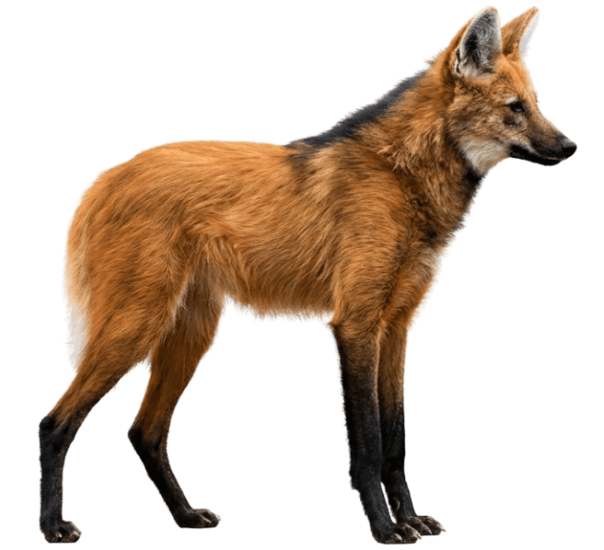
Maned wolf (Chrysocyon brachyurus)
Maned wolf (Chrysocyon brachyurus) is a monotypic species endemic to South America, belonging to the order Carnivora and the family Canidae. It is the only living representative of the genus Chrysocyon and, as genetic studies have shown, is neither a true wolf nor a fox; rather, it possesses a unique evolutionary lineage distinct from other canids. The taxonomic naming of the species dates back to the early 19th century, with the current combination Chrysocyon brachyurus first used in 1919. Alth
EN
Berat Ay
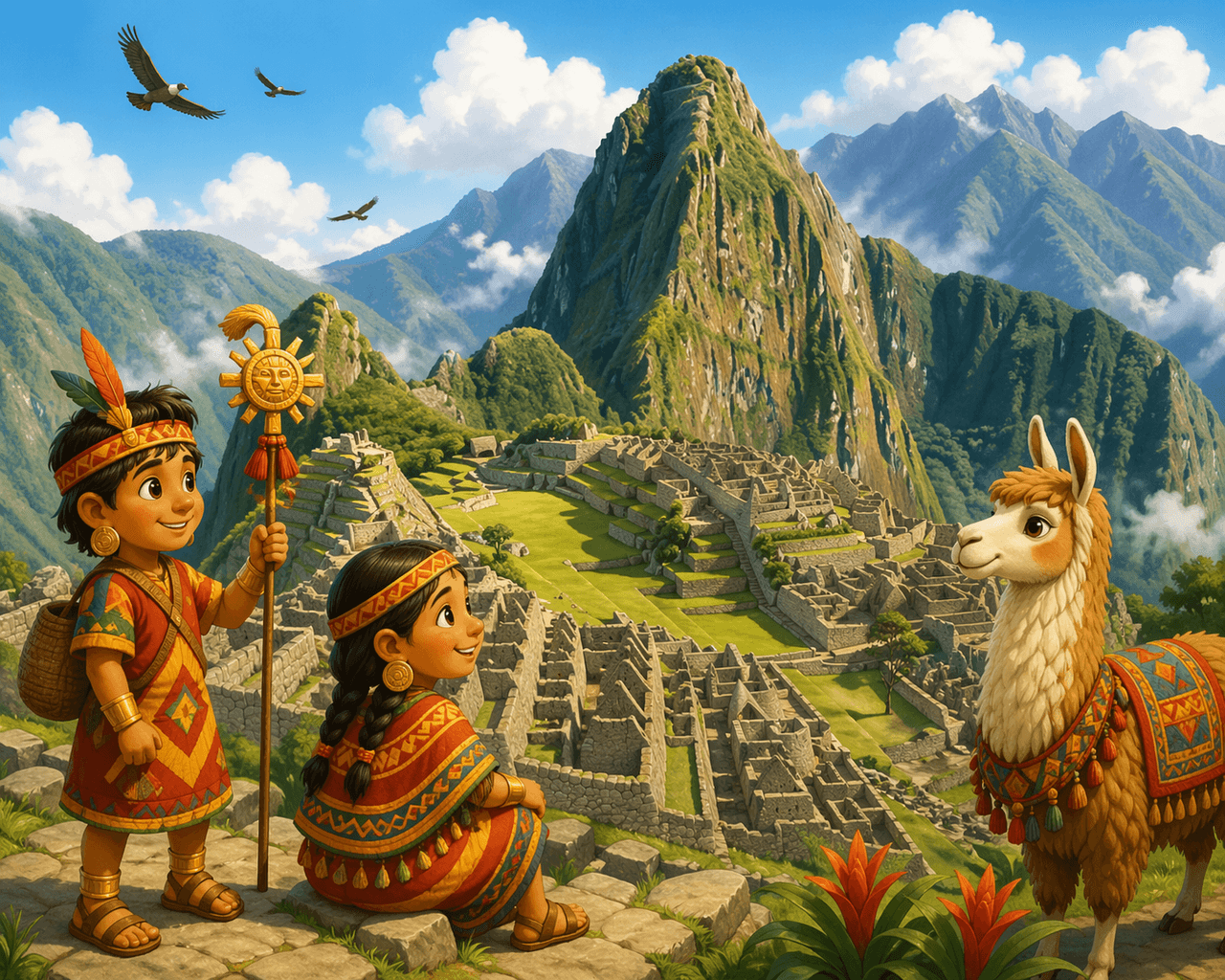
Inkars: Children of the Sun
A powerful civilization that lived approximately 500 years ago along the western coast of South America, high in the Andes Mountains. This society succeeded in building massive stone cities without the use of wheels or iron tools. The region they inhabited lies within the modern borders of Peru, Chile and Colombia. Where and How Did the Incas Live? The Incas settled in the Cusco Valley of Peru around the year 1100. When the ninth ruler, Pachacuti, came to power in 1438, he transformed a small ki
ENEcren Parmaksızoğlu