

`nuclear` Related Article Results

Holmium (Ho)
Holmium is a bright, silvery metal with atomic number 67, belonging to the lanthanide series. It was independently discovered in 1878 by Marc Delafontaine, Louis Soret, and Per Teodor Cleve, and named after Holmia, the Latin name for Stockholm. It is particularly used in the manufacture of strong magnets and in nuclear reactors. Classification and Fundamental Properties Holmium (Ho) is an element located in the sixth period of the periodic table within the lanthanide group. Its electron configur
EN
Caner Sefa Koçyiğit
 ST
STSTRATEGY
From the perspective of Historical, the essence of strategy’s thought has always been the concept of war, and thus throughout history, foundational works have been written that describe various wars and examine how wars should be conducted. When examining the historical background of the forms, methods, and characteristics of strategy, it becomes evident that it originated to some extent in mythologies. In Scandinavian mythology, the prominent figure Odin embodies strategy through deception a
EN
Taşkın Dayangaç
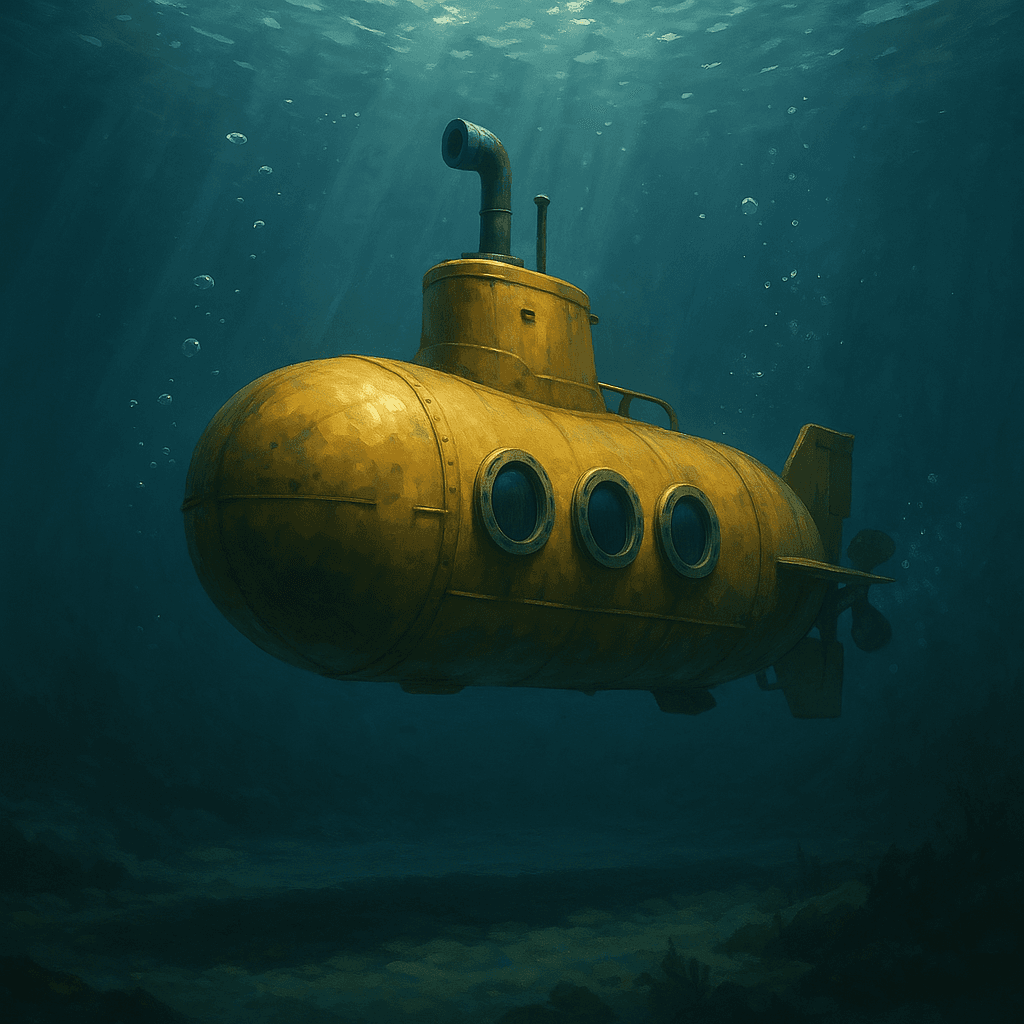
Submarine
Submarines have become one of the most sophisticated and strategic elements of naval warfare technology. Their ability to conduct prolonged operations underwater, their advantage of invisibility, and their potential to carry missiles have secured them a vital place among the indispensable assets of modern naval forces. Historical Background and Early Developments The concept of submarines extends historically back to the 16th century. Leonardo da Vinci’s sketches contain the earliest designs for
EN
Mustafa Özdemir
STSTRATEGY
Historical perspective reveals that the very essence of the concept of strategy has always been the notion of war, and thus throughout history, foundational works on strategy have generally consisted of texts describing various wars and examining how they should be conducted. When examining the historical background of the formation, methods, and characteristics of strategy, it becomes evident that it originated largely from mythologies. In Scandinavian mythology, the prominent figure Odin embod
EN
Taşkın Dayangaç

U.S.-Iran Tensions (2025–2026)
U.S.-Iran Tensions (2025–2026) are a crisis process that began in June 2025 with Israel’s attack on Iran, unfolding within the broader context of relations dating back to the 1979 Iranian Islamic Revolution, and entered a new phase with direct U.S. military intervention against Iran’s nuclear facilities. The process subsequently evolved through the reimposition of United Nations sanctions, economic protests in Iran, regional military buildups, and the resumption of indirect nuclear negotiations.
EN
Edanur Karakoç
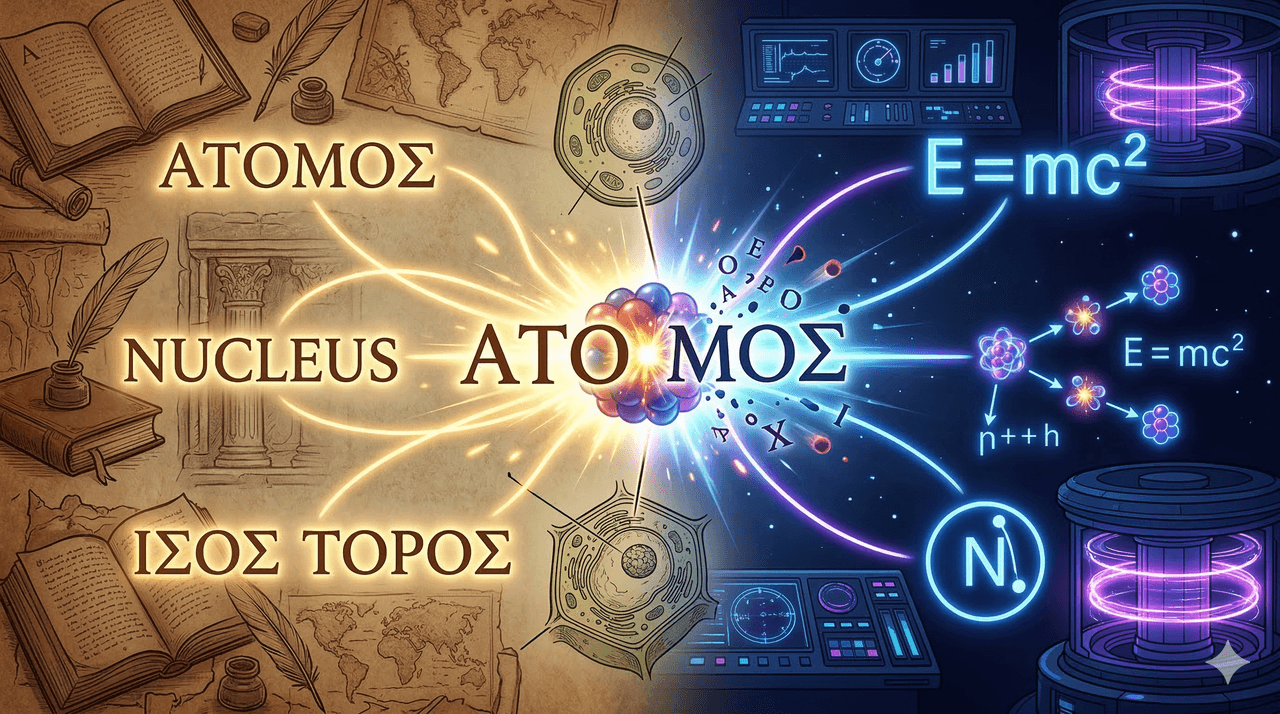
From Indivisibility to Chain Reaction: The Etymological Journey of Nuclear Science
Science explains the workings of the universe through mathematics and experiments, and typically draws on the languages of the past, especially Ancient Greek and Latin, to name its findings. The nuclear terminology that describes immense energy potential and complex engineering systems is no exception to this rule. The etymological origins of these words, stretching from laboratories to reactor cores, reveal the academic depth of science’s evolution over centuries. Atom: The Fragmentation of the
EN
Aybüke Yılmaz
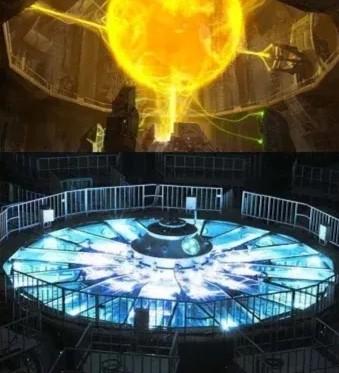
Experimental Advanced Superconducting Tokamak (EAST-Artificial Sun)
Experimental Advanced Superconducting Tokamak (EAST) (Experimental Advanced Superconducting Tokamak) Today, energy demand is felt significantly higher than in previous years, prompting new searches for energy sources. Nuclear fusion It is believed that the energy demand can be met much more easily and cheaply using a TOKAMAK unit. The TOKAMAK fusion system enables the production of clean nuclear energy by fusing atoms rather than splitting them. In nuclear fusion reactions, uranium bombarding a
EN
Cemal Ayçiçek
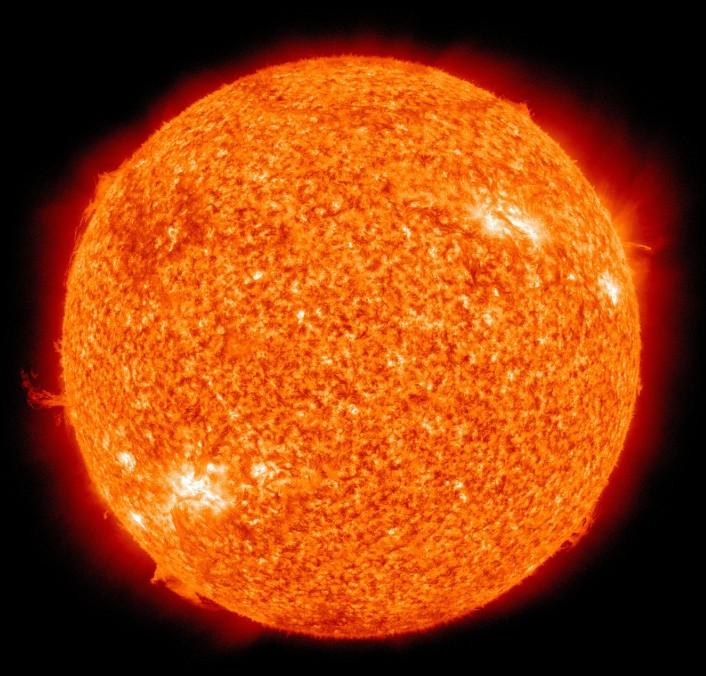
Artificial Sun
What Is Artificial Sun? Artificial sun is an energy source that replicates the light and energy of the Sun, typically produced using fusion energy technology. This technology has the potential to provide an unlimited and clean energy supply. Artificial sun is the term given to a technology designed to mimic the Sun’s energy production. The Main principle involves replicating the thermonuclear reactions that occur within the Sun. During this process, atomic nuclei combine to form a heavier nucleu
ENCemal Ayçiçek
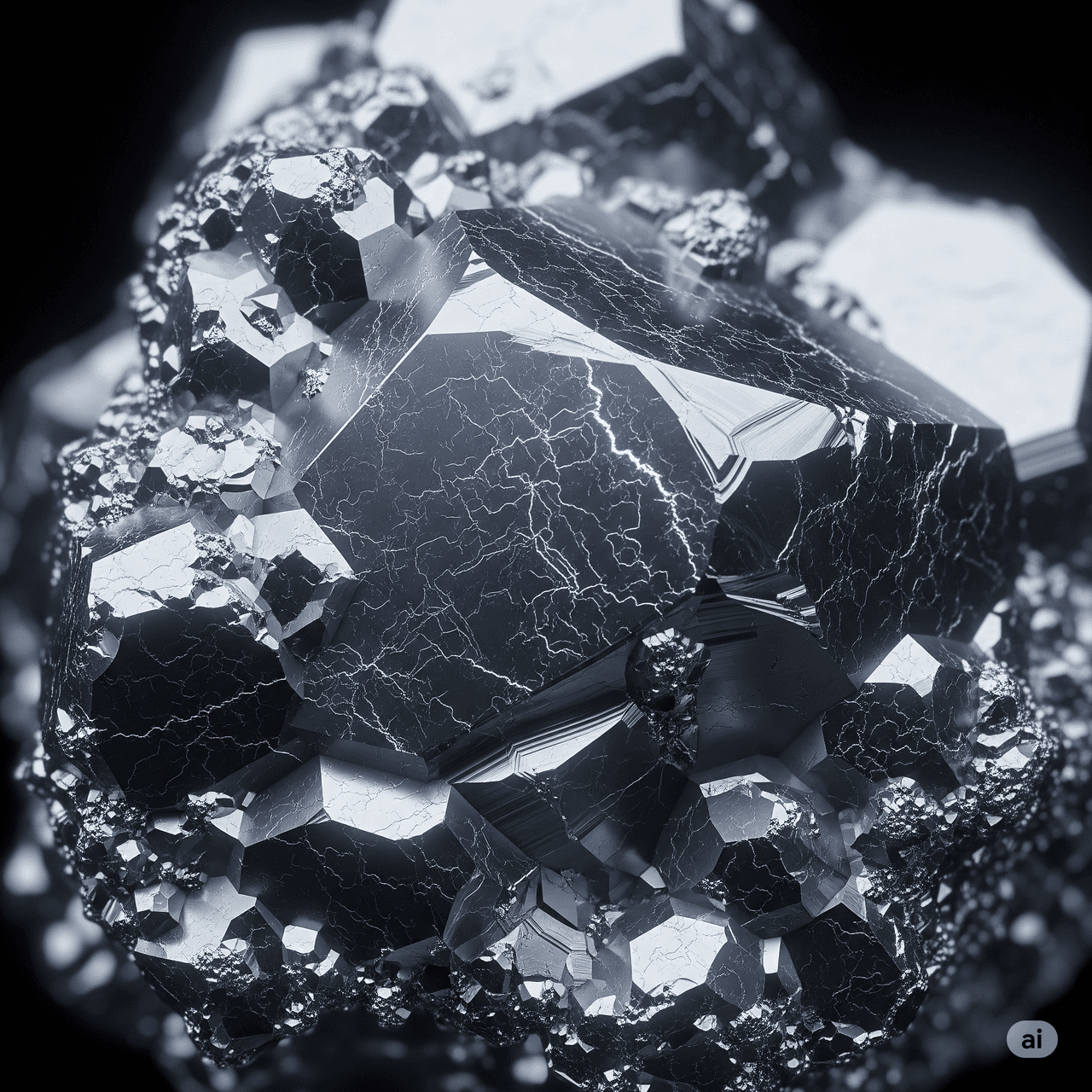
Neptunium (Np)
Neptunium is a radioactive metal belonging to the actinide series. Discovered in 1940, this element is named after the planet Neptune and is primarily obtained as a byproduct in nuclear reactors. Classification and Basic Properties Neptunium (Np) is an element located in the seventh period of the periodic table within the actinide series. Its atomic number is 93. Its electron configuration is [Rn] 5f⁴6d¹7s². This configuration indicates that neptunium is an f-block element and that its chemical
ENCaner Sefa Koçyiğit
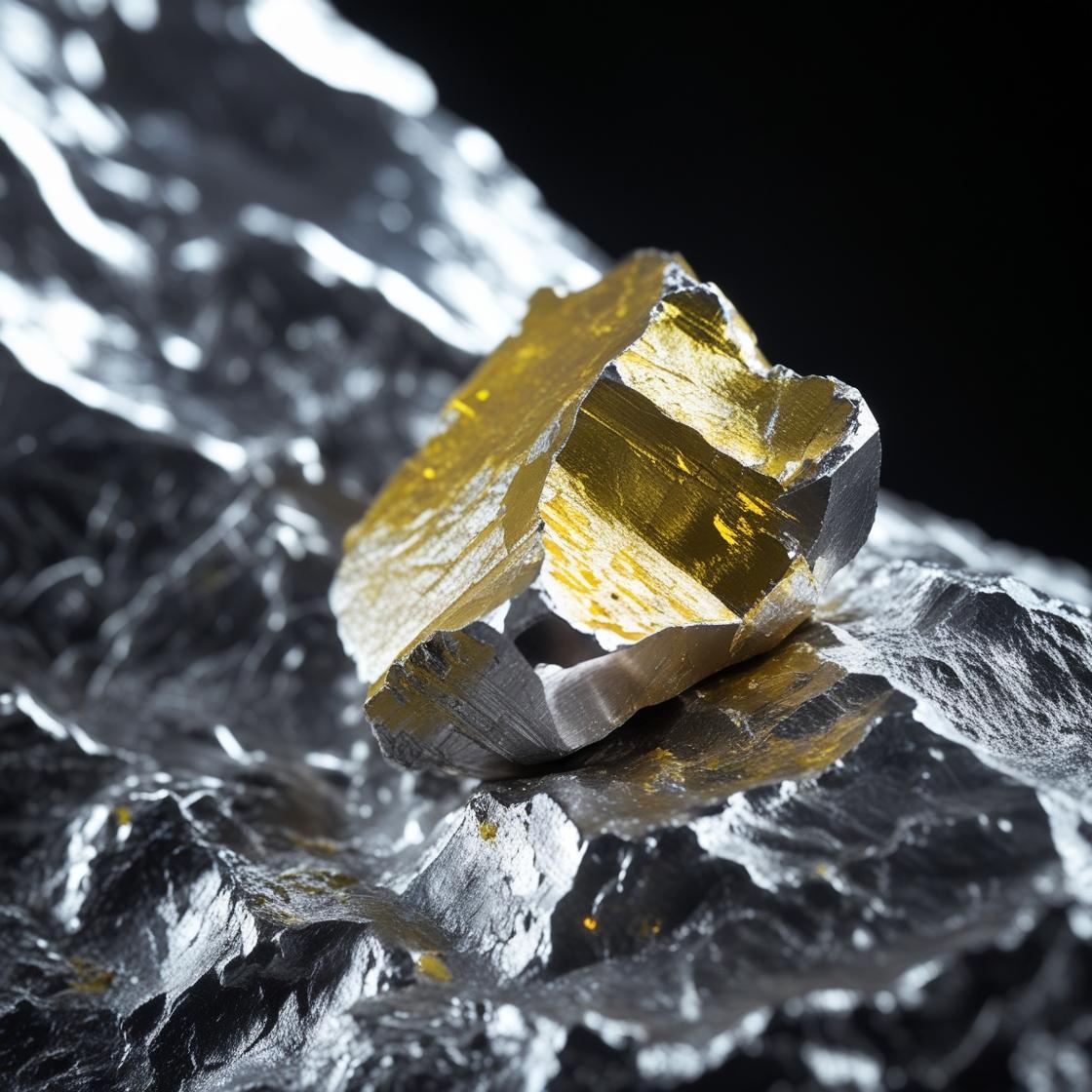
Dysprosium (Dy)
Dysprosium is a bright, silvery metal with atomic number 66, belonging to the lanthanide series. It was discovered in 1886 by French chemist Paul-Émile Lecoq de Boisbaudran and named after the Greek word "dysprositos," meaning "difficult to obtain." It is particularly known for its use in manufacturing high-temperature resistant strong magnets and in nuclear reactors. Classification and Basic Properties Dysprosium (Dy) is an element located in the sixth period of the periodic table within the la
ENCaner Sefa Koçyiğit