

`history-of-anatolia` Related Article Results
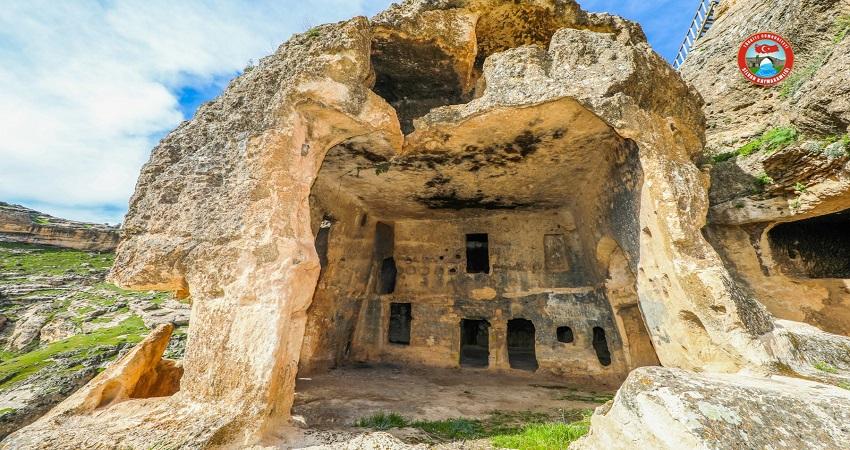
Hasuni Caves
The history of Hasuni extends back to the Mesolithic (Flaked Stone) Age, when humans transitioned to settled life and began carving stone for protection. It was continuously inhabited from the 1st millennium BCE to the 13th century CE. It is believed that the first builders of this mysterious city were the Assyrians; however, over time many civilizations including the Urartians, Medes, Persians and Alexander the Great left their marks here. 🏢 The World’s First “Apartment Buildings” May Be Here!
EN
Amine Öztürk

Hittites
The Hittites attracted attention as an Indo-European people when they first appeared on the historical stage in Anatolia. Although their origins cannot be definitively established, the prevailing view based on linguistic and archaeological evidence is that the Hittites migrated into Anatolia from the Caucasus region around the end of the third millennium BCE. This migration was a long-term transformation that brought profound changes to the ethnic and cultural fabric of Anatolia. Upon arriving i
EN
Yahya B. Keskin
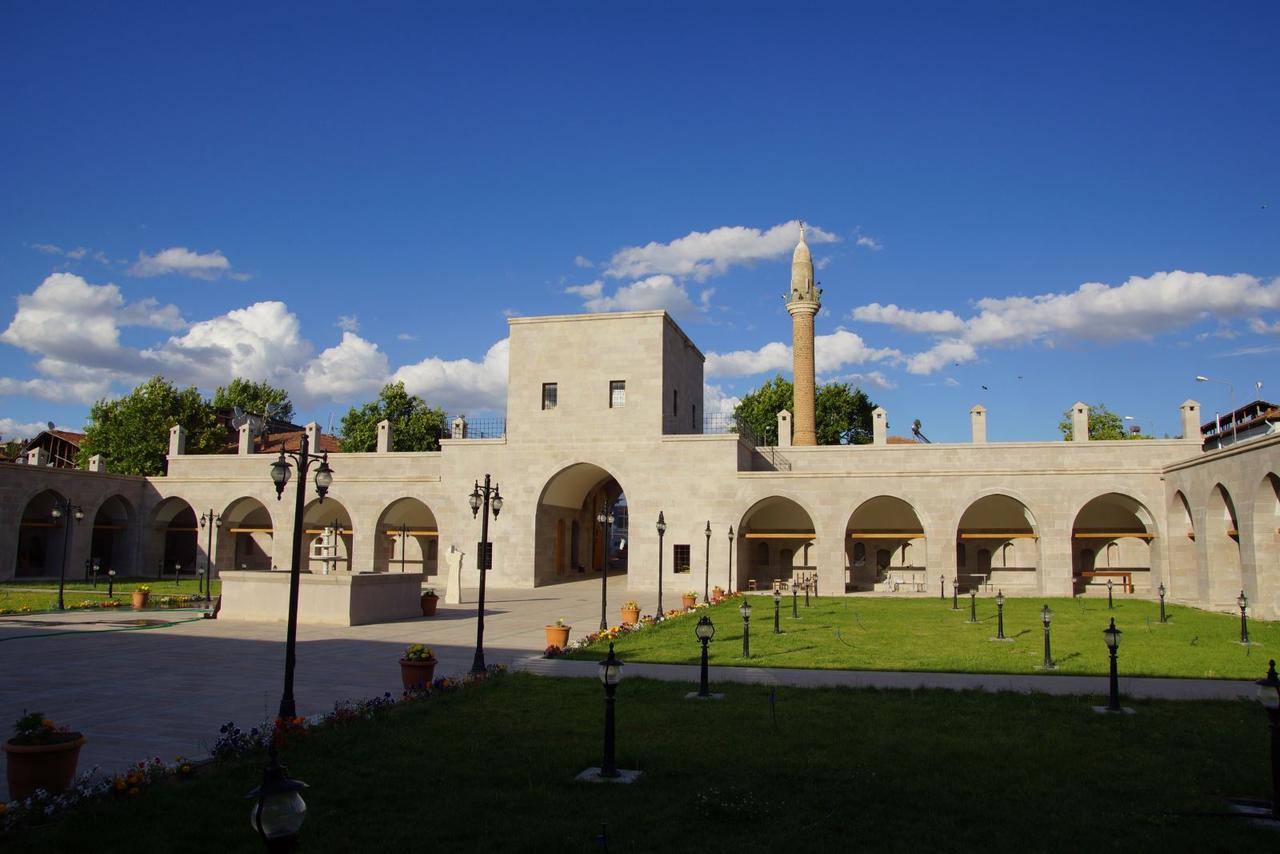
Silahtar Mustafa Pasha Caravanserai
Silahtar Mustafa Paşa Kervansarayı is a caravanserai from the Ottoman period located in the Battalgazi district of Malatya province. The structure is situated along historical trade routes in Anatolia and forms part of the network of buildings constructed to meet the accommodation and logistical needs of travelers and merchant caravans within the Ottoman transportation and lodging system. History Construction Process and Founder Silahtar Mustafa Paşa Kervansarayı was commissioned by Silahtar Mus
EN
Melikcan BUDAK

Yağıbasan Medresesi
Would you like to attend class in a school with a ceiling that opens to the sky? The Tokat and Niksar Yağıbasan Medresesi are exactly such fascinating places. In these very old schools, students learned important knowledge while gazing at the stars through an opening in the center of the ceiling. Interior of the medrese (generated by artificial intelligence) " image-element-format="right" image-height="768" image-source="https://cdn.t3pedia.org/media/uploads/2026/03/31/22tM1He5eJfgixKDCCRnzwsJuW
EN
PELİN SU Sönmez
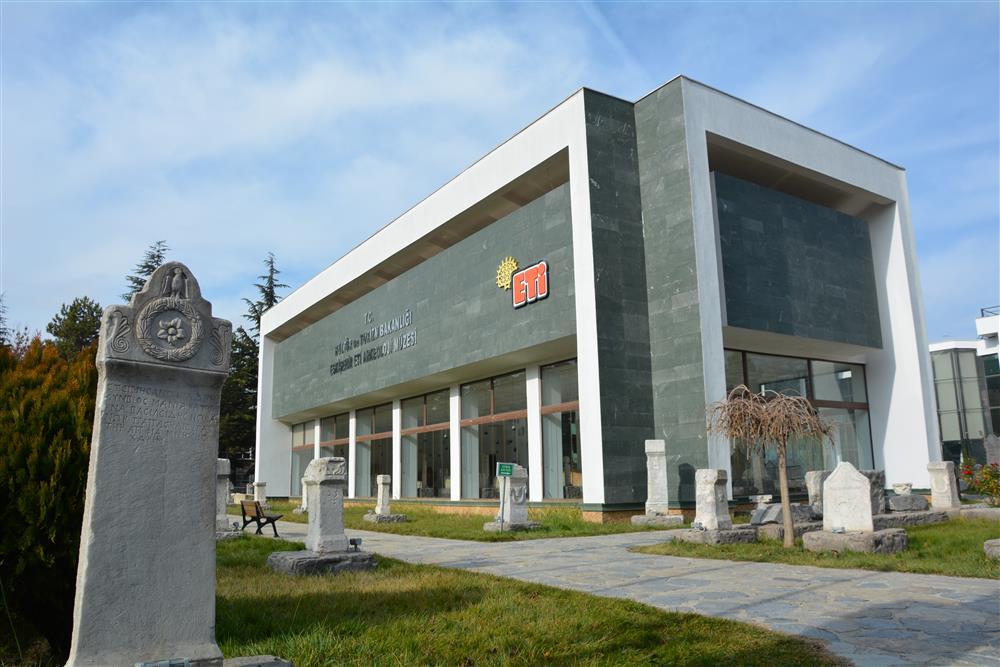
Eskişehir Eti Archaeology Museum
Eskişehir Eti Archaeology Museum is a cultural institution established to preserve, display and scientifically document the cultural heritage of the region, spanning a broad historical spectrum from the Neolithic period to the end of the Ottoman era. It holds a unique place in the history of Turkish museology as the first museum in Türkiye to be constructed with private sector funding and subsequently donated to the state. Founding History and Development Process Eskişehir’s museum activities tr
EN
Bahtiyar Bora ERGÜN
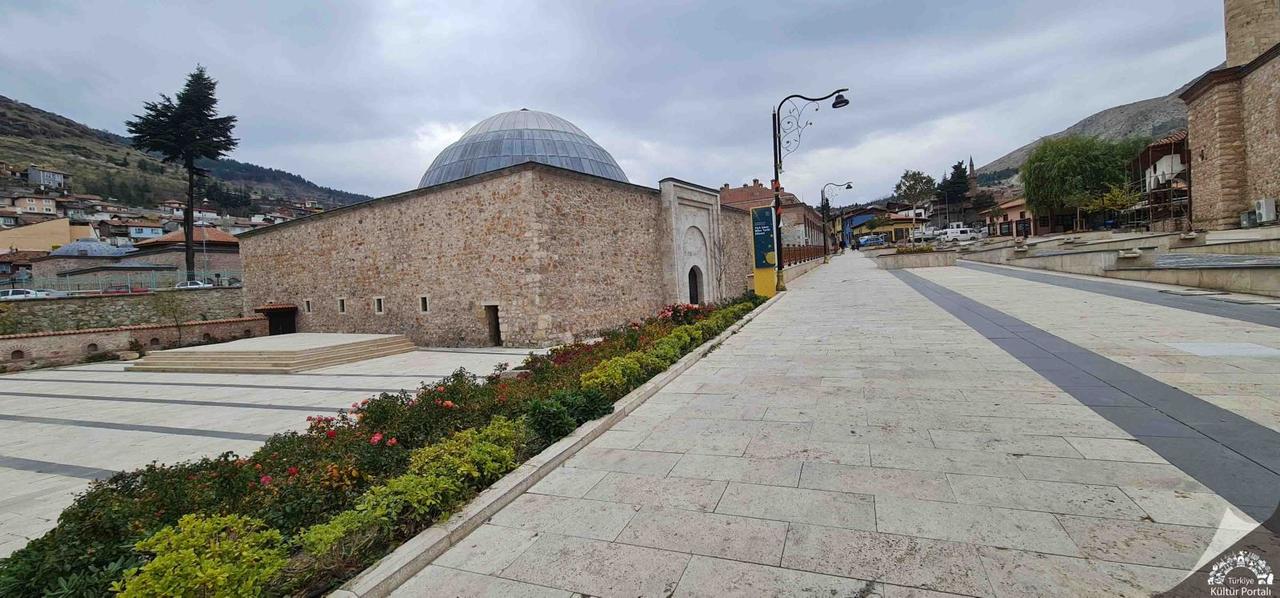
Yağıbasan Medresesi
Yağıbasan Medresesi, Danişmendlilers period, constructed in the 12th century as an educational structure. The medrese was commissioned by Danişmendli emir Nizameddin Yağıbasan. It is represented by two distinct examples: one located in the center of Tokat within Tokat’s provincial boundaries and known as “Çukur Medrese,” and the other in Niksar. Historical Context The Yağıbasan Medreses belong to the period of the Danişmendlid Beylik, which ruled northern and central Anatolia during the 11th and
ENMelikcan BUDAK

Hittites
Hittites, upon their emergence on the historical stage, attracted attention as an Indo-European people in the Anatolian region. Although their origins cannot be definitively established, the prevailing view, based on linguistic and archaeological evidence, is that the Hittites migrated into Anatolia from the Caucasus around the end of the third millennium BCE. This migration was a long-term transformation that brought profound changes to Anatolia’s ethnic and cultural structure. Upon arriving in
EN
Yahya B. Keskin