

`historical-memory` Related Article Results
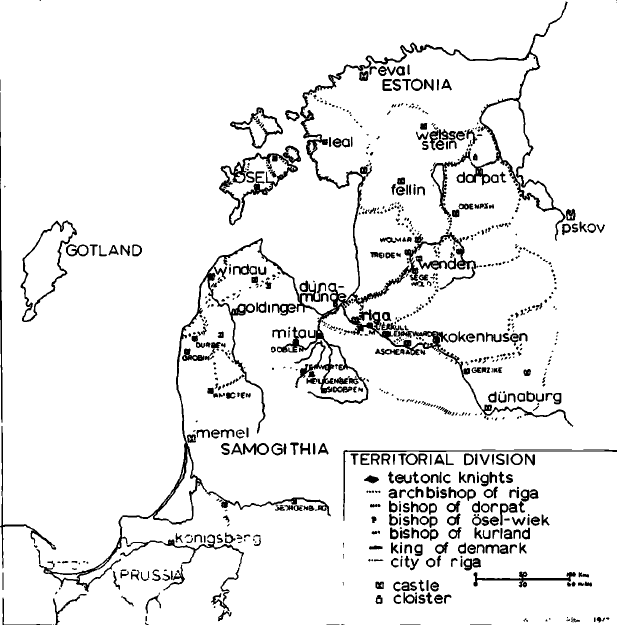
Battle of Lihula
The Battle of Lihula was one of the focal points of the military, religious, and political struggles that persisted in the eastern shores of the Baltic Sea during the first quarter of the 13th century. This conflict was not merely a clash between the Kingdom of Sweden and local Estonian tribes but is also regarded as part of the broader Crusades waged by the Latin Christian world against peoples deemed pagan. The battle, which took place in 1220, caused the settlement of Lihula to rapidly become
EN
Onur Çolak
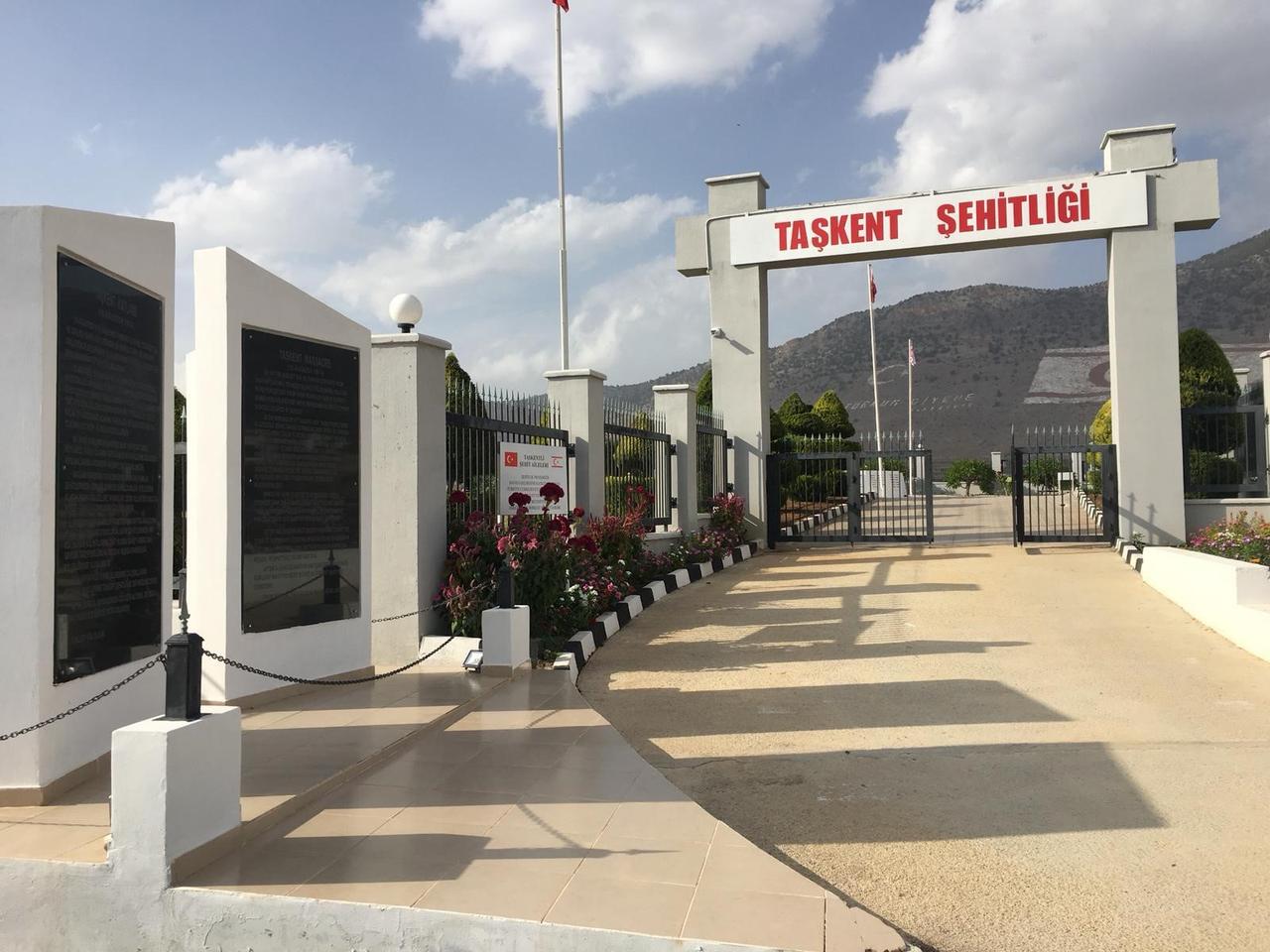
Tashkent Massacre
The Taskent (Dohni) Massacre is a mass killing carried out on 14–15 August 1974 by Greek Cypriot armed groups against Turkish Cypriot civilians. Turkish men gathered from the villages of Taskent, Terazi and Tatlısu were transported by bus to isolated areas under the pretense that they would be taken to a prisoner camp, where they were lined up and shot. Among the victims, including children, only Suat Kafadar survived; the perpetrators have never been prosecuted. The Situation in the Region and
EN
Yusuf Bilal Akkaya
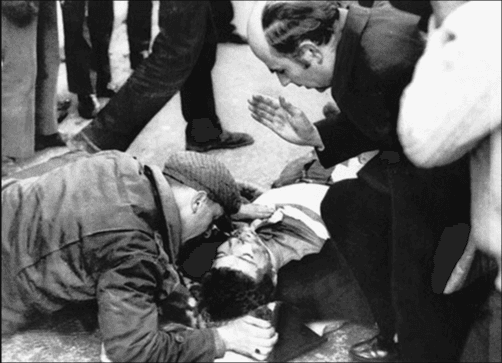
Bloody Sunday (Bogside Massacre)
Also known as the Bogside Massacre, Bloody Sunday (Irish: Domhnach na Fola), occurred on 30 January 1972 in the Bogside area of Derry, Northern Ireland, a region with a concentrated Catholic population. During a peaceful civil rights march, soldiers from the British Army’s Parachute Regiment opened fire on unarmed demonstrators and bystanders, resulting in the deaths of 14 civilians. Thirteen people were killed on the day of the incident, and a fourteenth victim died months later from his injuri
EN
Fatma Fırat
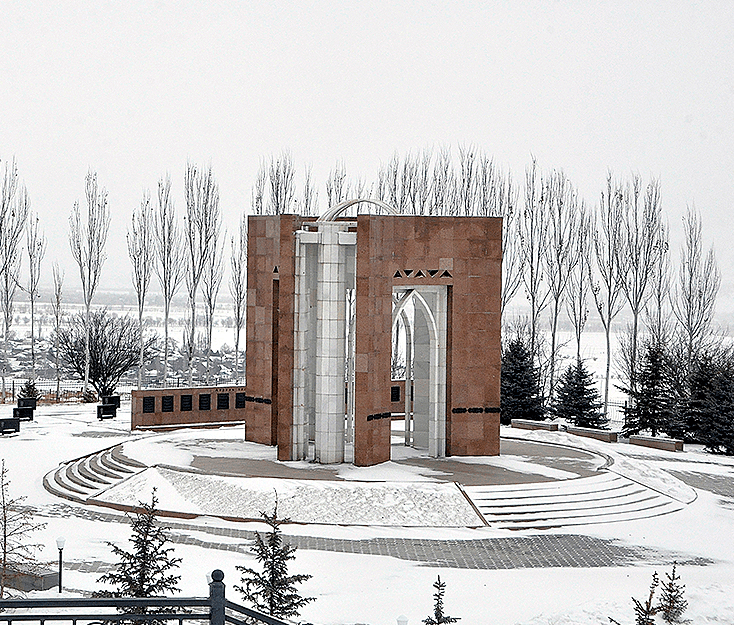
Ata Beyit
Ata Beyit is a monumental cemetery and national memory site located approximately 30 kilometers from the capital of Kyrgyzstan, Bishkek, near the village of Chon-Tash. The term Ata Beyit means “Father’s Grave” in Kyrgyz Turkish. This site was secretly used to bury Kyrgyz intellectuals, politicians and artists who were victims of political massacres carried out during Stalin’s regime in 1938. Today, it serves both as a national site of mourning and a place of collective memory. Ata Beyit Memorial
EN
Neriman Sena Külünk
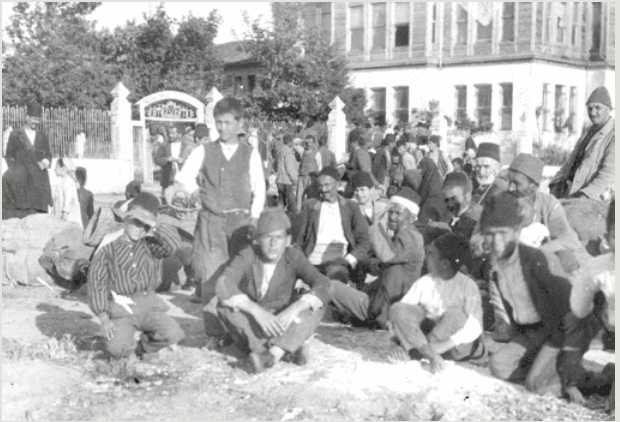
The Liberation of Bursa (11 September 1922)
Bursa, is not only a city historically but also the first capital of the Ottoman Empire and one of the symbolic centers of Turkish-Islamic culture. Therefore, the Greek forces’ selection of Bursa as a target following their initial occupation of Anatolia after World War I carried not only a military significance but also a psychological and symbolic character. The occupation, which began on 8 July 1920, ended on 11 September 1922 with the Turkish army’s victory over the Greek forces, thereby lib
EN
Nida Öztürkmen
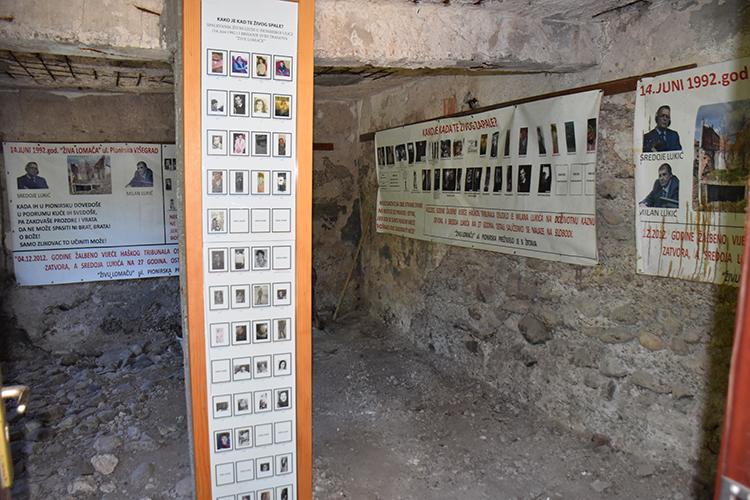
Višegrad Massacre
Višegrad Massacre is a systematic ethnic cleansing operation carried out by Serbian military and paramilitary forces against the Bosniak civilian population in and around the town of Višegrad in eastern Bosnia and Herzegovina during the Bosnian War of 1992–1995. Among the most notorious examples of this operation were the mass killings on 14 June 1992 in Pionirska Street and on 27 June 1992 in Bikavac, where groups of over 70 civilians—including women, children, and the elderly—were locked insid
EN
Nursena Şahin