

`culturalbeliefs` Related Article Results

Hıdrellez
Hıdrellez is a seasonal festival observed across a broad geographical area, primarily in Anatolia and the Balkans, marking the arrival of spring, the renewal of nature, and the beginning of summer. It is celebrated on May 6 according to the Gregorian calendar, which corresponds to April 23 in the Julian calendar.Ahmet Yaşar Ocak, "Hıdrellez," İslam Ansiklopedisi, erişim 10 Aralık 2025, https://islamansiklopedisi.org.tr/hidrellez ">【1】 In folk calendar systems, the year is divided into two par
EN
Nursena Şahin
 Sl
SlSleep Paralysis
Sleep Paralysis (commonly known in folk culture as "karabasan"), is a type of parasomnia characterized by temporary inability to move or speak while fully conscious during the transition from deep sleep to wakefulness, often accompanied by vivid and frightening hallucinations. This condition arises when the normal progression of the rapid eye movement (REM) sleep phase is disrupted, causing the muscle atony—paralysis—characteristic of REM sleep to persist into wakefulness. Isolated attacks in he
EN
Yunus Emre Yüce

Karakoncolos
Karakoncolos is a malevolent supernatural entity believed in Turkish, Balkan, and Caucasian folk cultures to emerge onto the earth during the coldest days of winter. In mythology, it is imagined as a type of winter demon, gulyabani, umacı, witch, or devil. Across different regions and dialects, it is known by numerous names including Karakoncul, Koncolos, Congolos, Coraz, Karakura, Kalikancaros, Karakondzho, Karakoncalas, Karacingolos, and Goncoloz.【1】 In the Balkans, especially in Greek culture
EN
Nida Üstün
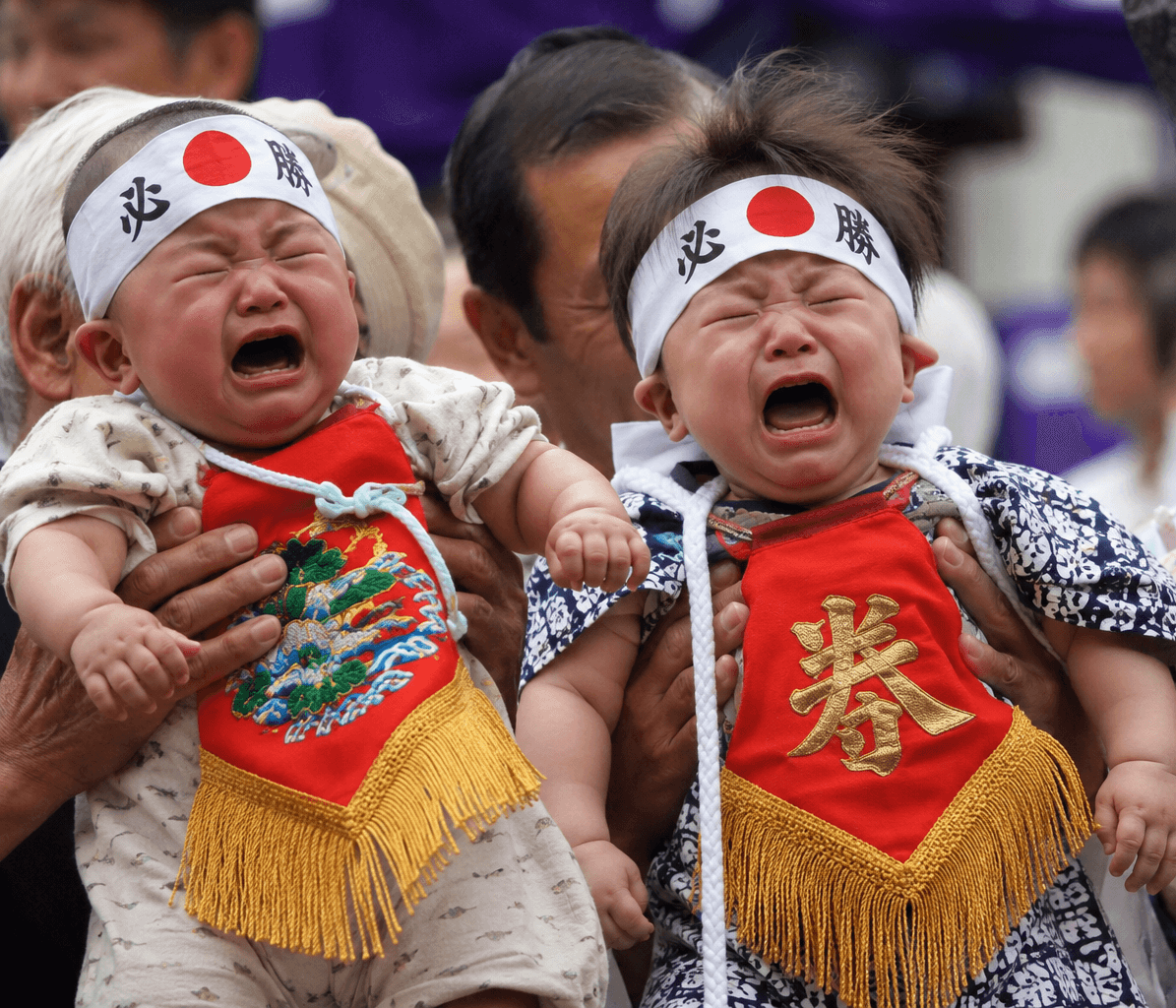
Crying Baby Festival (Naki Sumo)
The Crying Baby Festival (Naki Sumo) Japan is a traditional festival and ritualistic competition held to encourage and sustain infants’ crying. This event, with a history spanning nearly 400 years, is conducted annually at Shinto shrines throughout Japan. Origins Naki Sumo is a rite of purification and transition rooted in the intersection of Shinto belief and Japanese folk philosophy. Its fundamental premise is the longstanding belief that an infant’s cries possess the power to drive away evil
ENNursena Şahin