

`consumptionculture` Related Article Results

Culture of Fame
Culture of Fame is defined as a social structure shaped around the individual’s desire for recognition and sustained by visibility and public attention. This culture is not only constructed through an individual’s inherent qualities or achievements but also through images, narratives, and symbols built via media. Unlike traditional heroic narratives, fame in modern society has often become synonymous with popularity, accessibility, and transient attention. Especially with digitalization, individ
EN
Hümeyra Yılmaz
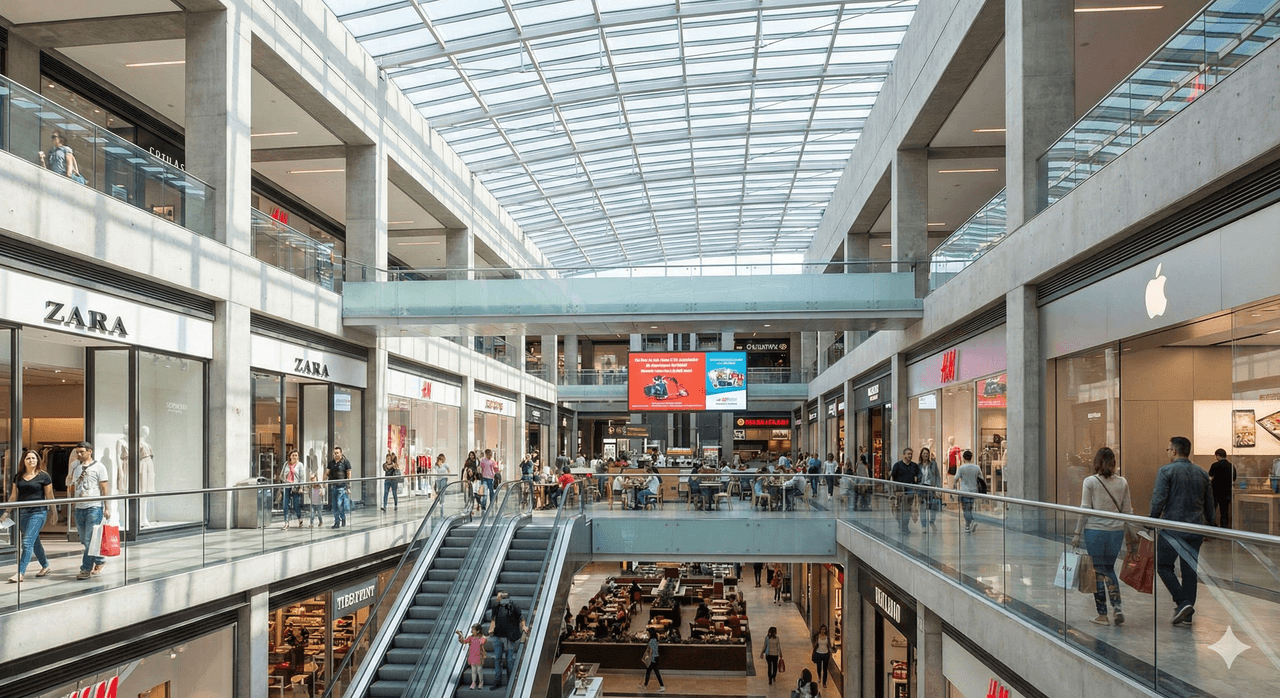
Shopping Mall Culture
The modern capitalist system spatially expresses its presence and functioning in today’s cities through shopping malls (AVM). In contemporary social structures described as a "consumption society", these centers have become an inevitable reality of urban life. The great cities of the past, once associated with production, now accommodate these massive structures where consumption is concentrated and organized.Ünal Şentürk, "Tüketim Toplumu Bağlamında Boş Zamanların Kurumsallaştırdığı Bir Mekân:
EN
Bahtiyar Bora ERGÜN

WALL-E (Film)
WALL·E (original title: WALL•E: Waste Allocation Load Lifter Earth-Class) is a feature-length animated film produced by Pixar Animation Studios and distributed by Walt Disney Pictures in 2008. Directed by Andrew Stanton, the film was written by Stanton, Pete Docter, and Jim Reardon. Set in a distant future after environmental collapse caused by ecological destruction and consumer habits, humanity has abandoned Earth. Key characters include WALL·E, EVE, Captain, Auto, John, Mary, and M-O. The fil
EN
Nurten Yalçın
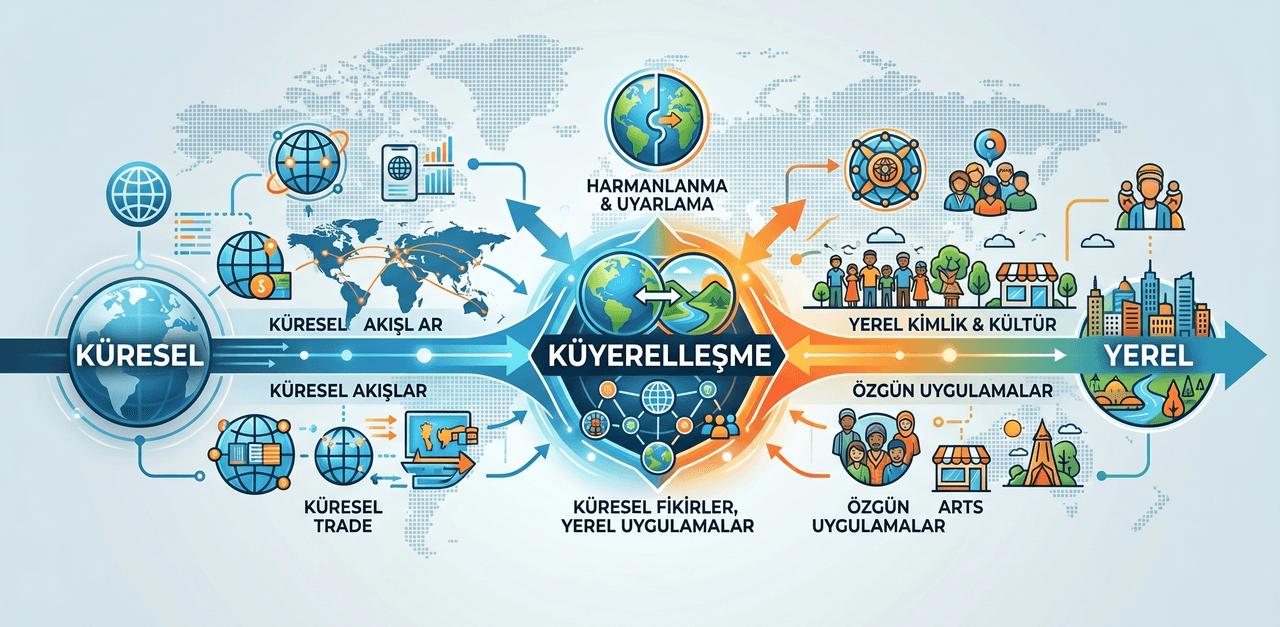
Urbanization
Glocalization is a sociological and economic concept that refers to the adaptation and reproduction of global products, services, ideas, and structures according to local conditions, needs, and cultural values. The term is derived from the combination of the English words "globalization" and "localization" and is fundamentally formulated as "think globally, act locally." The glocalization process assumes that global and local dynamics do not exclude or eliminate each other but rather interlock t
EN
AYŞE TUBA KESKİL

Barbie
Barbie is a globally recognized toy doll brand designed by American businesswoman Ruth Handler and launched in 1959 through the Mattel company. By shifting away from the traditional notion of dolls as representations of infants, Barbie centered an adult female figure and has exerted a defining influence on fashion popular culture and social gender roles since its debut. The brand has transcended its identity as merely a children’s toy to become one of the most significant cultural icons of the t
EN
Beyza Başar
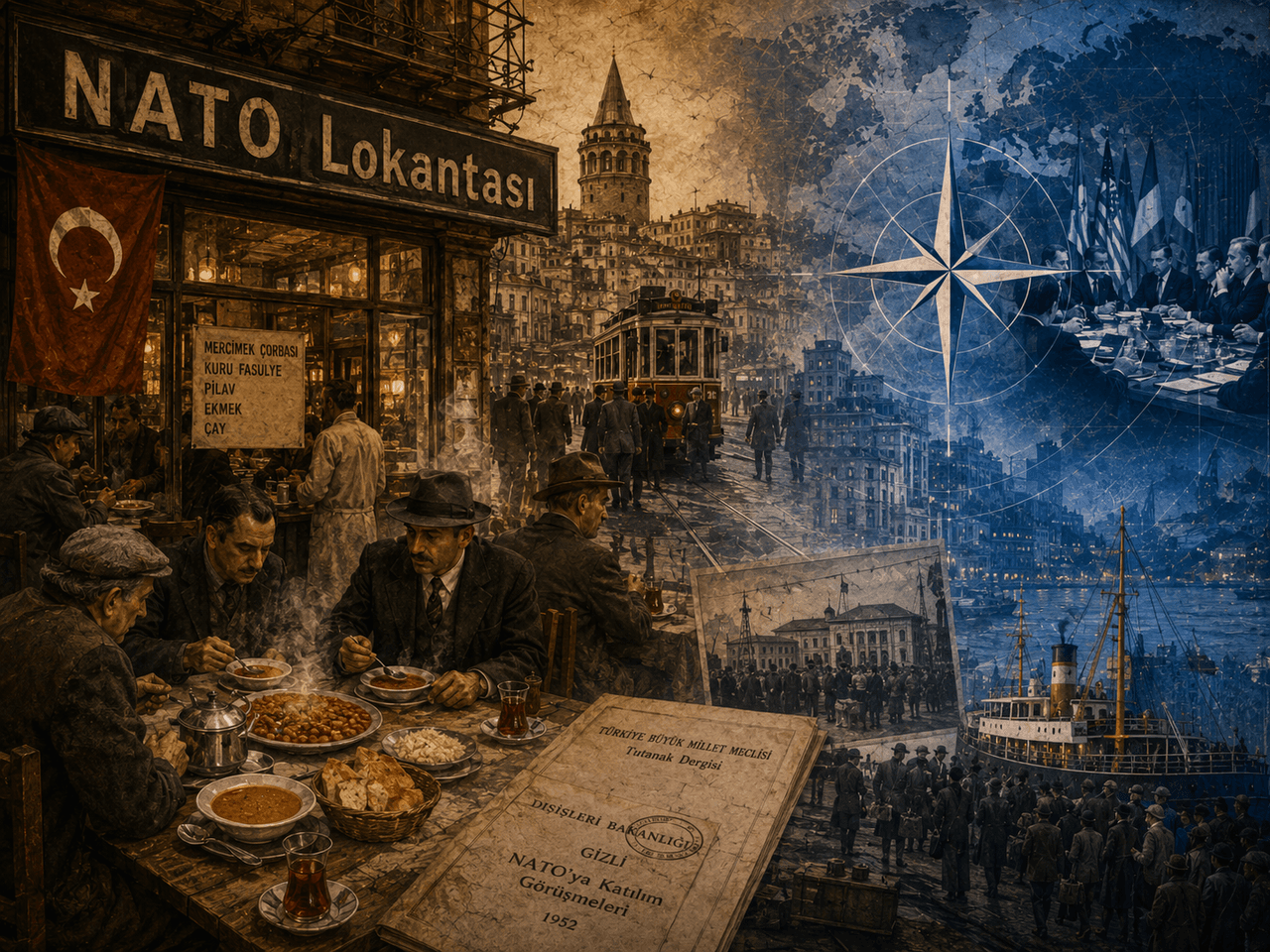
Türkiye's Transformation: "NATO Cafeteria"
A restaurant’s name can sometimes be more than just a commercial choice; it can be a small but meaningful sign reflecting the political and social atmosphere of its time. The NATO Restaurant, operating in Karaköy since 1952, can therefore be seen as something beyond an ordinary local eatery. A lunchtime venue bearing the name “NATO” illustrates how Turkey’s political, social and international transformations during the 1950s permeated everyday life. The year the restaurant opened, 1952, was the
EN
Mehmet Salih Çoban

Shopping
Shopping refers to any activity we undertake to acquire something we need, such as a toy, fresh fruit, or new clothing. The process is completed when a person sells a product and we pay money in return. Shopping is not only about acquiring goods; it is also a bond and form of communication between people. A Journey Through Time The word “shopping” is actually very old and was used in Uyghur texts around 1,300 years ago as “alış bėriş.” The ancient Turks also used different terms such as “alı sat
EN
Seda Nur Nacar