

`cognitiveprocesses` Related Article Results

Cryptomnesia
Cryptomnesia is the phenomenon in which a person completely forgets the source of information, an idea, or a work they previously encountered or learned, and experiences it as a new and original creation of their own mind. The term literally means "forgotten memory."【1】 It is a form of plagiarism, or appropriation, in which a writer, researcher, or individual thoroughly internalizes another person’s ideas, data, methods, or research outputs and mistakenly believes them to be their own.【2】 This c
EN
Kadriye Beyza Kirenci
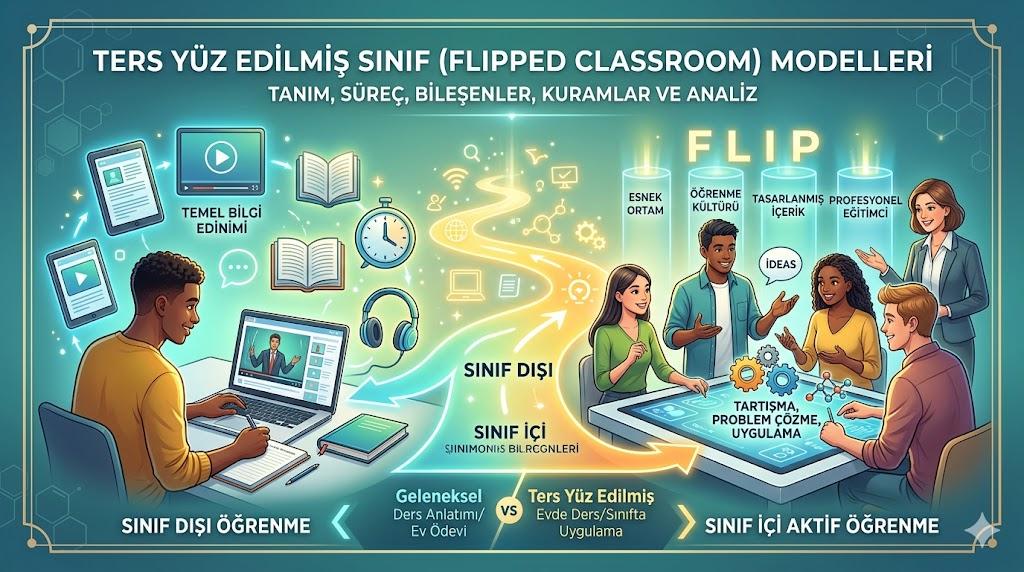
Flipped Classroom Model
The flipped classroom model is a student-centered pedagogical approach in which the traditional sequence of in-class instruction and out-of-class homework and practice is reversed in terms of time and place.【1】In this model, basic knowledge transmission is conducted outside the classroom through various technological materials and digital tools, while in-class time is dedicated to developing higher-order cognitive skills such as discussion, problem solving, analysis, and application. In the lite
EN
Büşra Tuğa
 By
ByBystander Effect
Bystander Effect is defined as the phenomenon in which individuals are less likely to intervene or respond when confronted with an emergency, dangerous, or situation requiring assistance, due to the presence of other people in the environment.Hortensius, Ruud ve Beatrice de Gelder. “From Empathy to Apathy: The Bystander Effect Revisited”. Current Directions in Psychological Science 27, sy. 4 (2018): 249-256. Erişim tarihi 22 Ocak 2026. https://pmc.ncbi.nlm.nih.gov/articles/PMC6099971/ Tatlıoğlu,
EN
Furkan Çıracı
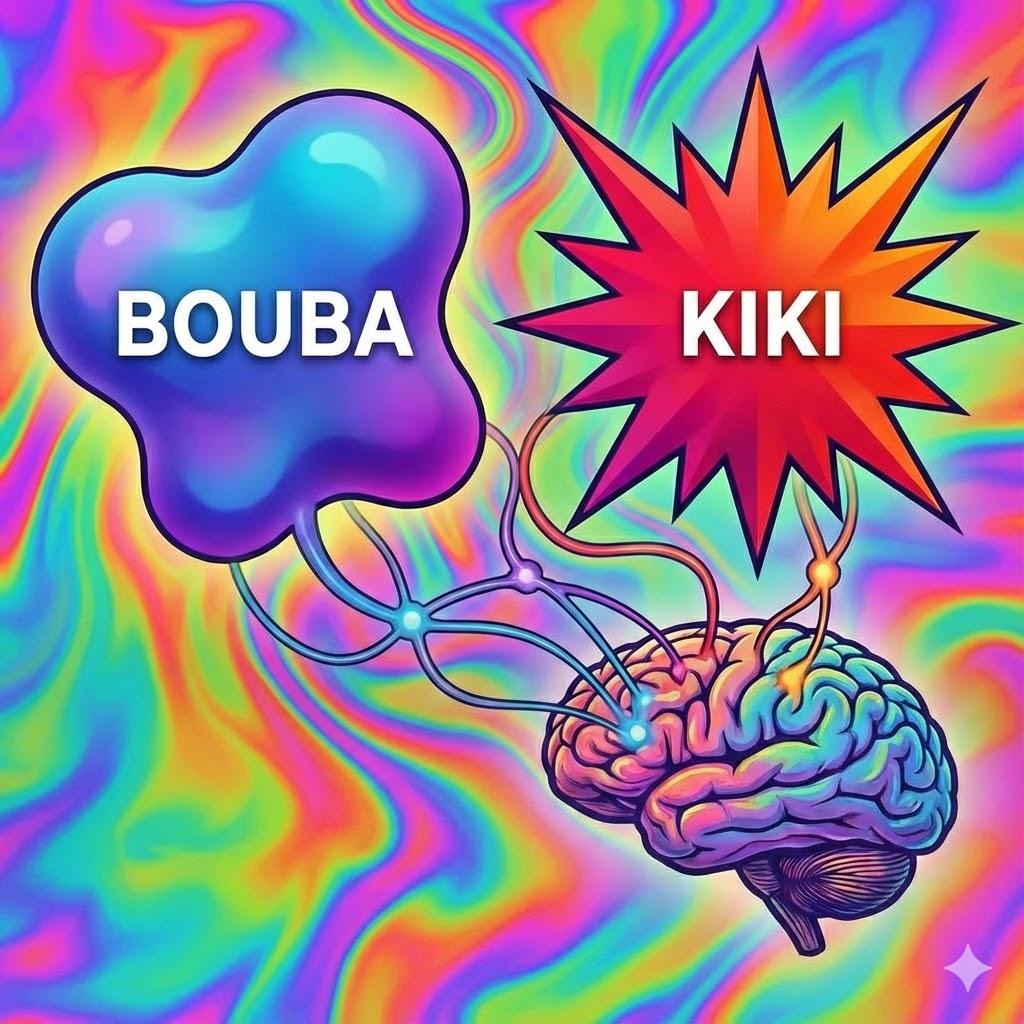
Bouba-Kiki Effect
The Bouba-Kiki Effect, cognitive psychology, neurolinguistics and evolutionary anthropology intersect in a phenomenological phenomenon that describes universal, systematic and non-random mappings between phonetic sound units and geometric shapes in the human mind. This concept is regarded as the foundational evidence for studies on "cross-modal perceptual overlap" (cross-modal mapping), which examine interactions between sensory modalities (hearing and vision). Studies on the Bouba and Kiki Effe
EN
Nida Üstün
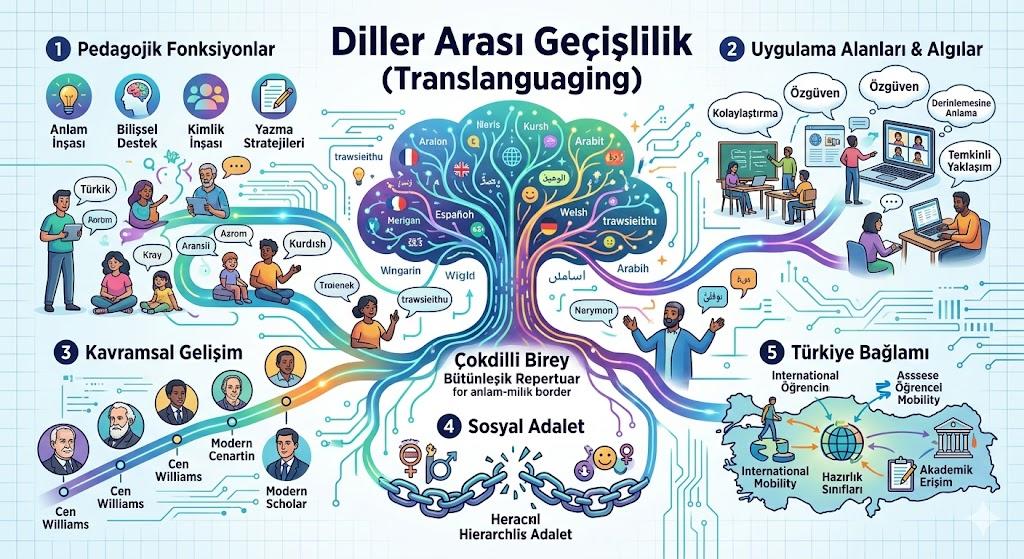
Interlinguistic Transition
Translanguaging is the process by which multilingual individuals draw upon their full range of linguistic and semiotic resources not as separate systems but as an integrated repertoire for meaning-making. This approach challenges the traditional monolingual paradigm that views languages as closed systems rigidly divided by social, cultural, and political boundaries. Conceptual Origins and Theoretical Development The concept was first introduced in the 1980s in bilingual educational settings in W
ENBüşra Tuğa
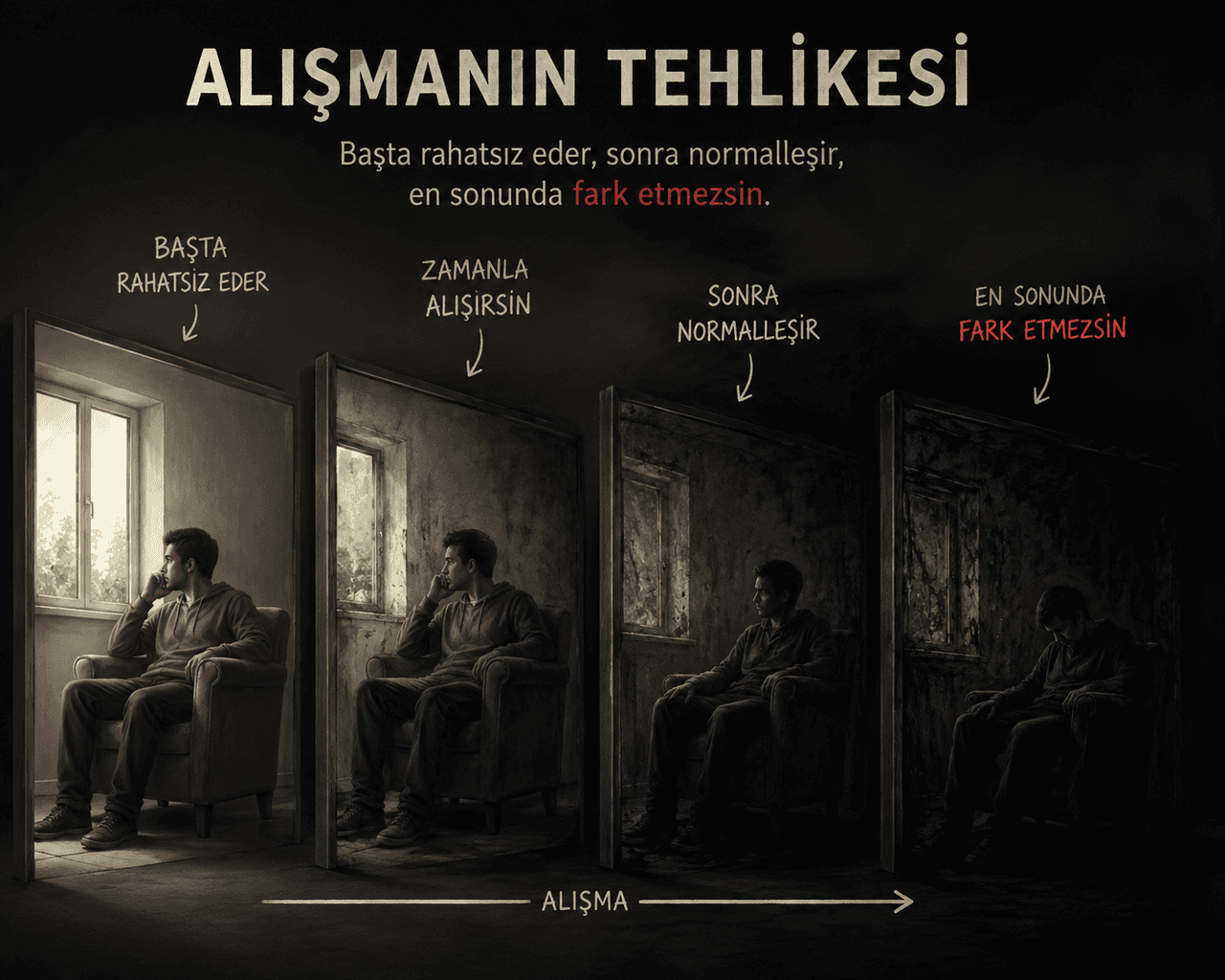
The Danger of Habit
If you live in a house long enough, you begin to stop hearing the sound of the wall clock. In the first days, you notice its ticking at night; it stands out in the silence, echoing from the corners of the room. Then days pass. The same sound continues at the same rhythm, but your mind erases it. The clock has not stopped. You have simply stopped listening. Perhaps many things in human life are the same. They do not disappear. They do not diminish. Sometimes they even remain exactly where they we
EN
Ebrar Sıla Peri
Neuroscience
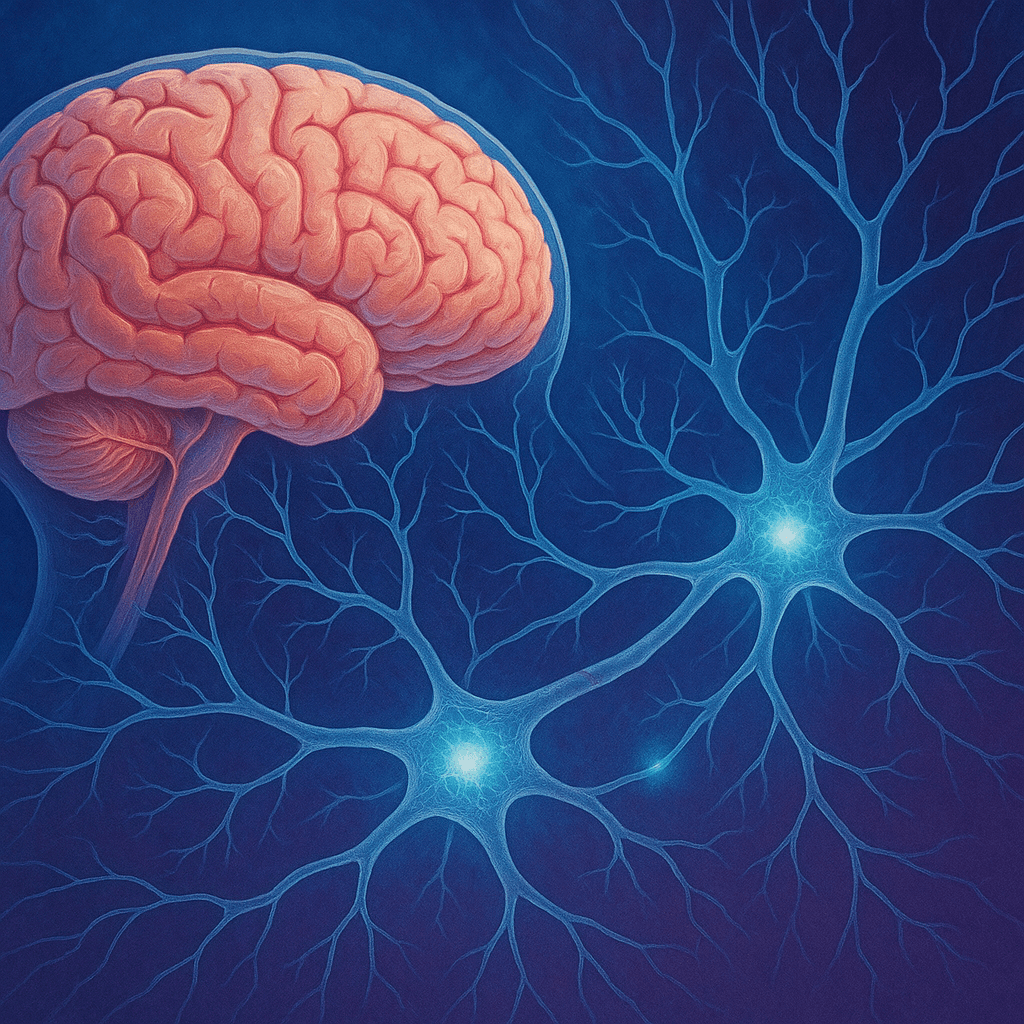
Neuroscience, also known as neurobiology, is an interdisciplinary field that examines the structure, function, and organization of the nervous system at various levels. This field analyzes the functions of the brain and neural networks at molecular, cellular, systems, and cognitive levels. Its primary goal is to comprehensively understand the structures, communication methods, genetic characteristics, developmental processes, and pathological changes associated with diseases of nerve cells (neur
EN
Ömer Said Aydın

Mind Map
Mind mapping is a graphical presentation technique developed by individuals to visualize, organize, and recall information about knowledge. This structure, in which concepts and ideas branch out from a central core idea, supports the externalization of perceptions, memories, and knowledge present in the individual’s mind. Mind maps are used as a tool that supports cognitive functions across diverse fields, from individual learning processes to urban memory analyses. Historical Development The mi
EN
Şevket Kaynar

Decision Fatigue
I believe I make dozens of decisions throughout the day without even noticing. From choosing what to wear in the morning to deciding what to eat and when to study for each class, I am constantly making choices. But there are days when even the simplest decisions feel unnecessarily difficult. It feels as if my mind is full and no longer wants to think. This state becomes even more pronounced as the day progresses, and even the smallest choices seem magnified in my eyes. What Is Decision Fatigue?
EN
Yaren Topaloğlu