


This article was automatically translated from the original Turkish version.

Neuroscience (Generated with Artificial Intelligence)
Etymology | Neuro (from Greek 'nerve') + Science | ||||||||
|---|---|---|---|---|---|---|---|---|---|
Related Field | Philosophy Mathematics Computer Science Medicine Psychology Chemistry Biology | ||||||||
Important Figures | Hippocrates, Santiago Ramón y Cajal, Camillo Golgi, Charles Sherrington | ||||||||
Research Methods | fMRI, EEG, Electrophysiology, BCI, Genetic Modeling | ||||||||
Neuroscience, also known as neurobiology, is an interdisciplinary field that examines the structure, function, and organization of the nervous system at various levels. This field analyzes the functions of the brain and neural networks at molecular, cellular, systems, and cognitive levels. Its primary goal is to comprehensively understand the structures, communication methods, genetic characteristics, developmental processes, and pathological changes associated with diseases of nerve cells (neurons) and supporting glial cells.
Neuroscience draws on various disciplines including biology, chemistry, physics, psychology, medicine, computer science, and mathematics to aim at explaining the biological mechanisms underlying human thought, emotion, behavior, and consciousness. Research in this scope investigates the brain’s information processing mechanisms, learning and memory systems, perceptual systems, and neural plasticity.
The long-term objective of research in this field is to decipher the principles of brain function to contribute to the development of more effective diagnostic, preventive, and therapeutic approaches for neurological and psychiatric disorders such as Alzheimer’s disease, Parkinson’s disease, epilepsy, depression, and schizophrenia.
Interest in the nervous system and the brain extends back to the earliest periods of human history. Various ideas about the relationship between the brain and the mind were proposed in antiquity; notably, the Greek physician Hippocrates, who lived in the 4th century BCE, argued that epilepsy and similar disorders originated not from supernatural causes but from physiological disturbances in the brain. This approach laid an early scientific perspective in the development of neuroscience by proposing that diseases could be explained through biological rather than supernatural foundations.
In the 17th century, philosopher René Descartes attempted to explain the functioning of the human body using mechanical principles and introduced the first concepts of the reflex. However, systematic and experimental studies on the nervous system began in the mid-19th century. During this period, German physiologist Johannes Müller, in his 1833 publication Elemente der Physiologie, provided a detailed analysis of the functional properties of the nervous system and defined the fundamental principles of sensory physiology.
In 1873, Italian physician Camillo Golgi developed a specialized nerve staining method based on silver nitrate. This technique, known as the “Golgi stain,” enabled the visualization of individual neurons and their extensions under the microscope, thereby opening the way for cellular-level examination of the nervous system. Spanish neurologist Santiago Ramón y Cajal, by refining Golgi’s method and conducting detailed studies, demonstrated that nerve cells are independent units that communicate through specialized connections called “synapses.” These findings formed the basis of the concept known as the “neuron doctrine” and established the structural framework of modern neuroscience. Golgi and Cajal shared the 1906 Nobel Prize in Physiology or Medicine for these contributions. During the same period, British physiologist Sir Charles Sherrington defined the concept of the “neuromuscular junction” to explain nerve-muscle communication, making significant contributions to understanding the integrated functioning of the nervous system.
By the mid-20th century, the development of the electron microscope enabled the ultrastructural examination of nerve cells and synapses. During this era, the chemical basis of neural transmission was clarified, and the roles of neurotransmitters such as acetylcholine and dopamine in synaptic communication were elucidated.
Today, neuroscience has become a highly interdisciplinary research field equipped with advanced technologies. Non-invasive imaging methods such as functional magnetic resonance imaging (fMRI), positron emission tomography (PET), and electroencephalography (EEG) make it possible to observe brain activity in living humans in real time. These technologies are widely used to investigate the neural mechanisms underlying cognitive processes, emotional responses, and neurological disorders.
Neuroscience is increasingly integrating with fields such as artificial intelligence, robotics, and cognitive science, and is leading the development of innovative applications such as brain-computer interfaces (BCIs) and neuroprosthetic systems. Thus, neuroscience continuously expands our knowledge of how the human brain functions, both biologically and technologically.
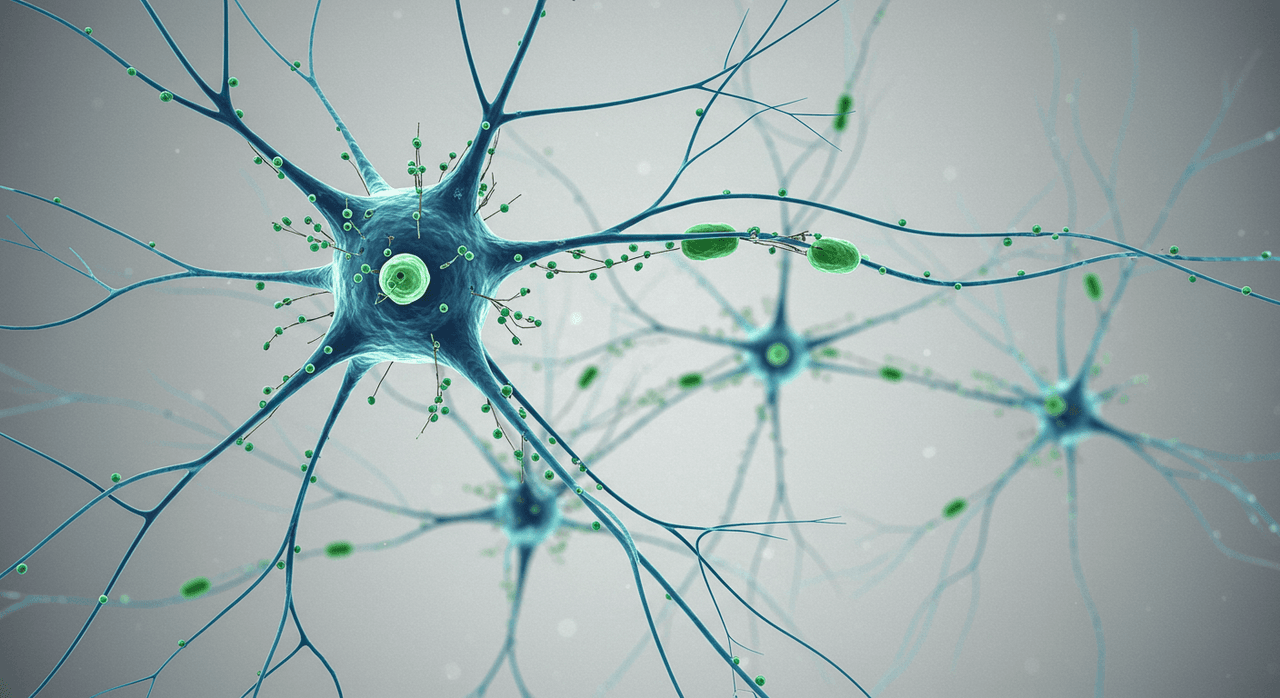
Neuroscience (Generated by Artificial Intelligence)
Neuroscience is a broad research field that examines the nervous system at varying levels of complexity, ranging from intracellular molecular interactions to the behavioral outputs of the entire organism. Each level contributes to understanding the holistic function of the brain by elucidating different dimensions of neural processing.
Molecular neuroscience investigates the most fundamental components of the nervous system. This subfield focuses on the genetic, biochemical, and structural properties of nerve cells such as neurons and glial cells. Research analyzes molecular mechanisms including neurotransmitters, receptor proteins, ion channels, and second messenger systems that regulate neuronal function. Understanding these processes is essential for explaining how synaptic transmission occurs, how nerve cells communicate, and how neural plasticity—the ability of nerve cells to modify their connections based on experience—emerges.
Cellular neuroscience examines the functional and structural properties of individual neurons. This field investigates how electrical activity is generated and transmitted in neurons, the mechanisms underlying action potential formation, and how chemical signaling between cells occurs. It also focuses on neuronal morphology (soma, dendrites, axon, and synaptic terminals) and how this structure influences neural information flow. Studies at the cellular level serve as a fundamental step in understanding the complex functions of the nervous system, as all brain activities arise from the coordinated interactions of these individual cells.
Synaptic neuroscience investigates the structure and function of synapses, the specialized connection sites between neurons. This field examines in detail the chemical, electrical, and biophysical processes underlying synaptic transmission. Synapse formation (synaptogenesis), strengthening or weakening of connections (synaptic plasticity), and their relationship to learning, memory, and cognitive functions constitute core research topics. Particularly, changes in synaptic activity such as long-term potentiation (LTP) and long-term depression (LTD) are of great importance in explaining how neural circuits adapt to environmental stimuli.
Each of these levels provides a complementary perspective for understanding different aspects of the nervous system. A holistic analysis of molecular, cellular, and synaptic processes enables the scientific resolution of mechanisms underlying both normal brain function and neurological disorders.
Neuroscience is a multifaceted scientific discipline divided into specialized fields to understand the complex structure and function of the nervous system. Each subdiscipline approaches the nervous system from a specific perspective and employs distinct research methods to explain various aspects of the brain and behavior.
Cognitive neuroscience investigates the neural mechanisms underlying high-level mental functions such as memory, attention, language, problem solving, and decision making. This field utilizes brain imaging techniques such as functional magnetic resonance imaging (fMRI), positron emission tomography (PET), and electroencephalography (EEG) to understand how the human brain processes information. The goal is to identify which brain regions and neural networks are associated with cognitive processes.
Behavioral neuroscience investigates the biological foundations of behavior. This field examines the neural underpinnings of behavioral phenomena such as learning, motivation, sleep patterns, reward mechanisms, and emotional responses. Using animal models, neural circuits’ effects on behavior are analyzed through experimental methods. This enables the acquisition of knowledge about the neural basis of both normal behavior and psychiatric disorders.
Developmental neuroscience studies the structural and functional changes the nervous system undergoes from embryonic stages to old age. Processes such as neuron formation (neurogenesis), migration, differentiation, and synapse formation are central topics in this field. Additionally, the effects of environmental factors and genetic influences on brain development are investigated.
Computational neuroscience employs mathematical models, statistical analyses, and computer simulations to understand the brain’s information processing mechanisms. This approach encompasses the dynamics of neural networks, the role of synaptic connections in learning processes, and the analysis of large-scale brain data. It also provides a critical theoretical foundation for the development of technologies such as artificial neural networks and artificial intelligence algorithms.
Neuroanatomy examines the structural organization of the nervous system. It reveals the anatomical relationships among brain regions, nerve pathways, spinal cord, and peripheral nerve networks. This field constructs a morphological map of the nervous system through both macroscopic (brain region level) and microscopic (cellular level) investigations.
Neurochemistry investigates the chemical components that mediate information transmission in the nervous system and their functions. Research in this area focuses on neurotransmitters, neuropeptides, enzymes, receptors, and psychopharmacological agents. Understanding neurochemical processes contributes to deciphering the biochemical basis of disorders such as depression, anxiety, schizophrenia, and Parkinson’s disease.
Neurophysiology studies the functional properties of the nervous system. The electrical activity of neurons, transmission of action potentials, synaptic currents, and coordination of neural circuits form the core research topics of this field. Neurophysiological methods employ techniques such as electrophysiological recordings and evoked potential measurements to understand how nerve cells operate at both individual and collective levels.
Neuropsychology examines the effects of brain damage or neurological disorders on cognitive, emotional, and behavioral functions. Research supported by clinical observations, neuropsychological tests, and brain imaging methods aims to determine which brain regions are associated with specific functions. This field plays a crucial role in the diagnosis and rehabilitation of conditions such as stroke, traumatic brain injury, Alzheimer’s disease, and aphasia.
Systems neuroscience investigates how neural circuits and systems are organized to perform specific functions such as vision, hearing, motor control, or emotional regulation. Analyzing interactions among different brain regions helps understand how complex behaviors emerge through collaborative activity of neural networks.
When combined, these subdisciplines enable neuroscience to develop a holistic understanding at both cellular and systems levels. Thus, the relationship between the brain and behavior can be comprehensively analyzed through biological, chemical, electrical, and cognitive dimensions.
Modern neuroscience has experienced significant momentum in recent years due to advanced technologies. Particularly, developments in neurotechnology, brain imaging, artificial intelligence, and bioengineering have opened new frontiers in understanding the functioning of the nervous system.
Brain-computer interfaces (BCIs) are among the leading examples of these advances. These systems directly translate brain signals into digital commands, enabling individuals with paralysis or motor impairments to control robotic prostheses or computer interfaces solely through thought. This form of communication, achieved by decoding neural signals, is viewed as a promising approach for compensating for motor function loss.
One organization active in this field, Neuralink, aims to read neural activity and establish bidirectional communication with external systems through high-density electrode chips implanted in the human brain. Such research provides new opportunities both for clinical therapies and human-machine interaction by enhancing neural signal processing capabilities.
Modern neuroscience also focuses on elucidating the fundamental causes of neurodegenerative and neuropsychiatric disorders. Research on protein accumulation, synaptic deterioration, and genetic mutations in Alzheimer’s and Parkinson’s diseases contributes to the development of early diagnostic and therapeutic methods. Similarly, the genetic, epigenetic, and molecular foundations of conditions such as depression, obsessive-compulsive disorder (OCD), and autism spectrum disorder are being investigated. Some experimental data suggest that deficiencies in specific genes may lead to neurodevelopmental differences associated with autism or that genetic variations may alter immune system function and influence susceptibility to conditions such as Lyme disease.
Moreover, current studies encompass the effects of lifestyle factors on brain health. It has been demonstrated that physical exercise, regular sleep, dietary habits, and digital media use play significant roles in cognitive performance, neural plasticity, and emotional balance. In this context, modern neuroscience not only focuses on the biological foundations of disorders but also on preserving and enhancing healthy brain function.
Today, neuroscience has become an interdisciplinary field at the intersection of biology and engineering, continuing to deepen our knowledge of how the human brain functions at both fundamental science and applied technology levels.
Research in neuroscience in Türkiye has made significant progress over the past thirty years, both academically and institutionally. One of the key drivers of this development is the Turkish Society for Brain Research and Neuroscience (TÜBAS), established in 1991. The society is a pioneering organization that supports the advancement of neuroscience research in Türkiye, brings together scientists, and enhances the field’s international visibility.
TÜBAS promotes knowledge sharing and collaboration through regular national congresses, scientific symposia, educational courses, and panels targeted at young researchers. The society aims to enhance the research capacity of young scientists and facilitate their integration into the neuroscience community.
The organization represents Türkiye not only nationally but also internationally. TÜBAS is a member of global scientific networks such as the Federation of European Neuroscience Societies (FENS), the International Brain Research Organization (IBRO), and the Society for Neuroscience (SfN). These collaborations facilitate Turkish researchers’ participation in international projects, academic exchange programs, and joint publications.
The infrastructure for neuroscience education and research in Türkiye is also steadily strengthening. Numerous universities have established graduate and doctoral programs in neuroscience or neurobiology, adopting an interdisciplinary approach that integrates biology, psychology, medicine, engineering, and cognitive science. Additionally, research centers and laboratories operate in diverse subfields such as brain imaging, neural modeling, behavioral experiments, and molecular neuroscience. These developments demonstrate that neuroscience in Türkiye has become a growing and institutionalized research area with increasing academic productivity and international collaboration.
Accessed October 16, 2025.
Artvinli, F., Ş. Erkoç, and F. Kardeş. “Two Branches of the Same Tree: A Brief History of Turkish Neuropsychiatric Society (1914–2016).” *Nöro Psikiyatri Arşivi* 54, no. 4 (December 2017): 364–371. Accessed October 16, 2025. https://doi.org/10.5152/npa.2017.17046
Carlsson, Arvid. “Facts.” NobelPrize.org. Nobel Prize in Physiology or Medicine 2000. Accessed October 16, 2025. https://www.nobelprize.org/prizes/medicine/2000/carlsson/facts/
Descartes, René. *Treatise of Man.* Becker Medical Library, Washington University in St. Louis. Accessed October 16, 2025. https://becker.wustl.edu/news/descartes-treatise-of-man/
Erickson, K. I., M. W. Voss, R. S. Prakash, C. Basak, A. Szabo, L. Chaddock, J. S. Kim, S. Heo, H. Alves, S. M. White, T. R. Wojcicki, E. Mailey, V. J. Vieira, S. A. Martin, B. D. Pence, J. A. Woods, E. McAuley, and A. F. Kramer. “Exercise Training Increases Size of Hippocampus and Improves Memory.” *Proceedings of the National Academy of Sciences of the United States of America* 108, no. 7 (2011): 3017–3022. Accessed October 16, 2025. https://doi.org/10.1073/pnas.1015950108
Isaac, Alistair M. C. “Realism without Tears I: Müller’s Doctrine of Specific Nerve Energies.” (January 11, 2019). Accessed October 16, 2025. https://pdf.sciencedirectassets.com/271766/1-s2.0-S0039368119X00072/1-s2.0-S003936811830133X/am.pdf
Logothetis, Nikos K. “The Underpinnings of the BOLD Functional Magnetic Resonance Imaging Signal.” *Journal of Neuroscience* 23, no. 10 (May 15, 2003): 3963–3971. https://doi.org/10.1523/JNEUROSCI.23-10-03963.2003
Neuralink. "PRIME Study Progress Update." Neuralink Blog. Accessed October 16, 2025. https://neuralink.com/updates/prime-study-progress-update/.
Tunga, Yeliz, and Kürşat Çağıltay. “Myths or Facts: Prevalence, and Predictors of Neuromyths Among Turkish Teachers.” *Education and Science* 48, no. 216 (2023): 229–246. Accessed October 16, 2025. https://doi.org/10.15390/EB.2023.12089
Şen, Zeynep, Tarık Başar, İlkay Aşkın, and Sevgi Turan. “Brain-Based Learning Studies in Turkey: A Review for Methodological Analysis.” *Education and Science* 40, no. 181 (2015): 41–56. Accessed October 16, 2025. https://doi.org/10.15390/EB.2015.4555

Neuroscience (Generated with Artificial Intelligence)
Etymology | Neuro (from Greek 'nerve') + Science | ||||||||
|---|---|---|---|---|---|---|---|---|---|
Related Field | Philosophy Mathematics Computer Science Medicine Psychology Chemistry Biology | ||||||||
Important Figures | Hippocrates, Santiago Ramón y Cajal, Camillo Golgi, Charles Sherrington | ||||||||
Research Methods | fMRI, EEG, Electrophysiology, BCI, Genetic Modeling | ||||||||
History
Neuroscience at Different Levels
Molecular Neuroscience
Cellular Neuroscience
Synaptic Neuroscience
Subdisciplines of Neuroscience
Cognitive Neuroscience
Behavioral Neuroscience
Developmental Neuroscience
Computational Neuroscience
Neuroanatomy
Neurochemistry
Neurophysiology
Neuropsychology
Systems Neuroscience
Modern Research and Applications
Neuroscience in Türkiye