

`calligraphy` Related Article Results
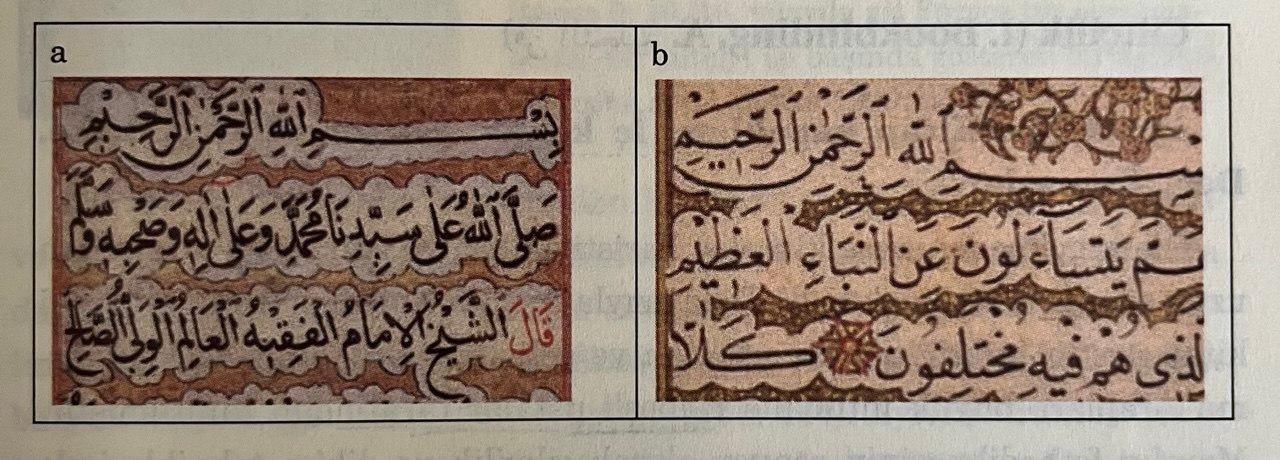
Cloud Band and Motif in Manuscript Works and Other Art Forms
The cloudband writing is an elongated and curled stylized cloud motif frequently used in English-language works under the name cloudband Cloud. Cloud bands are cloud-like decorative elements used to fill the spaces between other motifs. They are created by defining the shape of the line and filling the intervening spaces with gold leaf. This decorative form first appeared in manuscripts of the 4th/10th century. In some manuscripts, the cloud bands can be extremely delicate, forming intricate pat
EN
Burak Enes
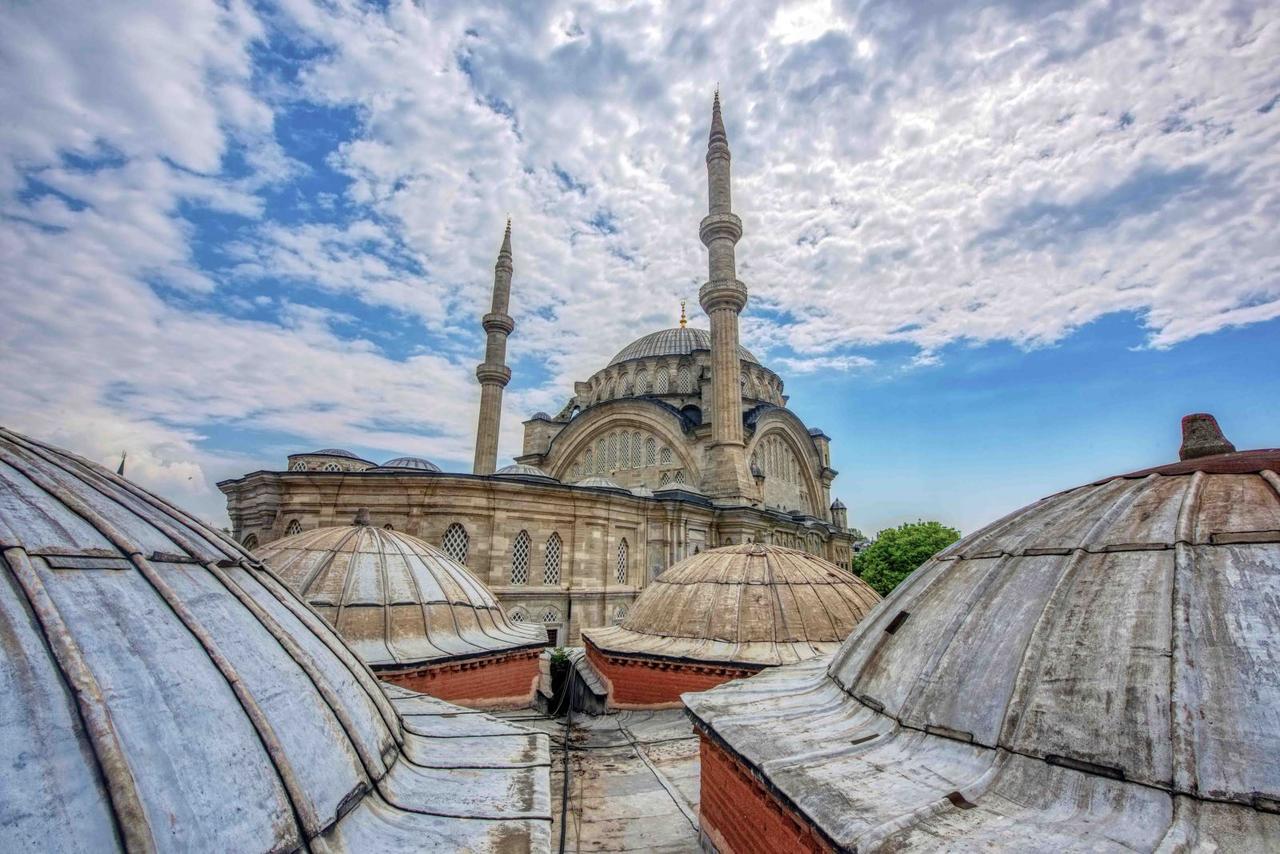
Nuruosmaniye Mosque
Nuruosmaniye Mosque is a mosque built in the 18th century and considered one of the most important works of the Ottoman Westernization period. The word “Nuruosmaniye” means “the light of the Ottomans.” Nuruosmaniye Mosque is located in Istanbul’s Nuruosmaniye district (Molla Fenari Neighborhood), on Vezirhan Street. In the place where the mosque now stands, there used to be the masjid of Fatıma Hatun. The construction initiated by Sultan Mahmud I in 1748 was halted upon his death; it was then co
EN
Melahat Pamuk
Mıstar
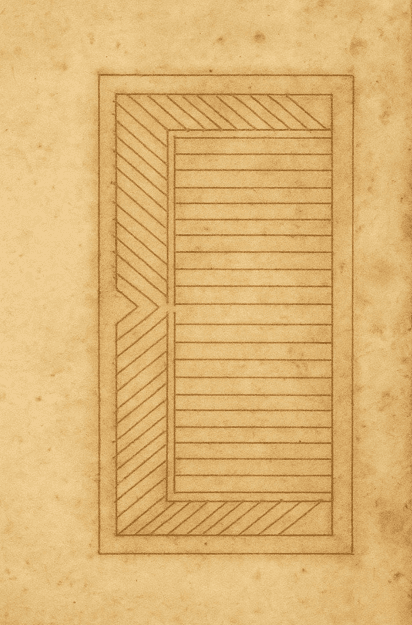
A mishtar is a tool consisting of threads stretched at equal intervals on a thin cardboard, placed beneath the paper to be written on, and pressed by hand to produce evenly spaced lines on the paper, ensuring neat handwriting.【1】 The word’s etymology derives from the Arabic roots “satr” or “satar,” meaning “to write” and “line.” In the Ottoman period, the tool was known as “mistar,” while in the Arab world it is called “mistara.” Its Persian equivalent is “hat-keş.” Historical Background The his
EN
Fatma Esmanur Koç
Experimental Typography
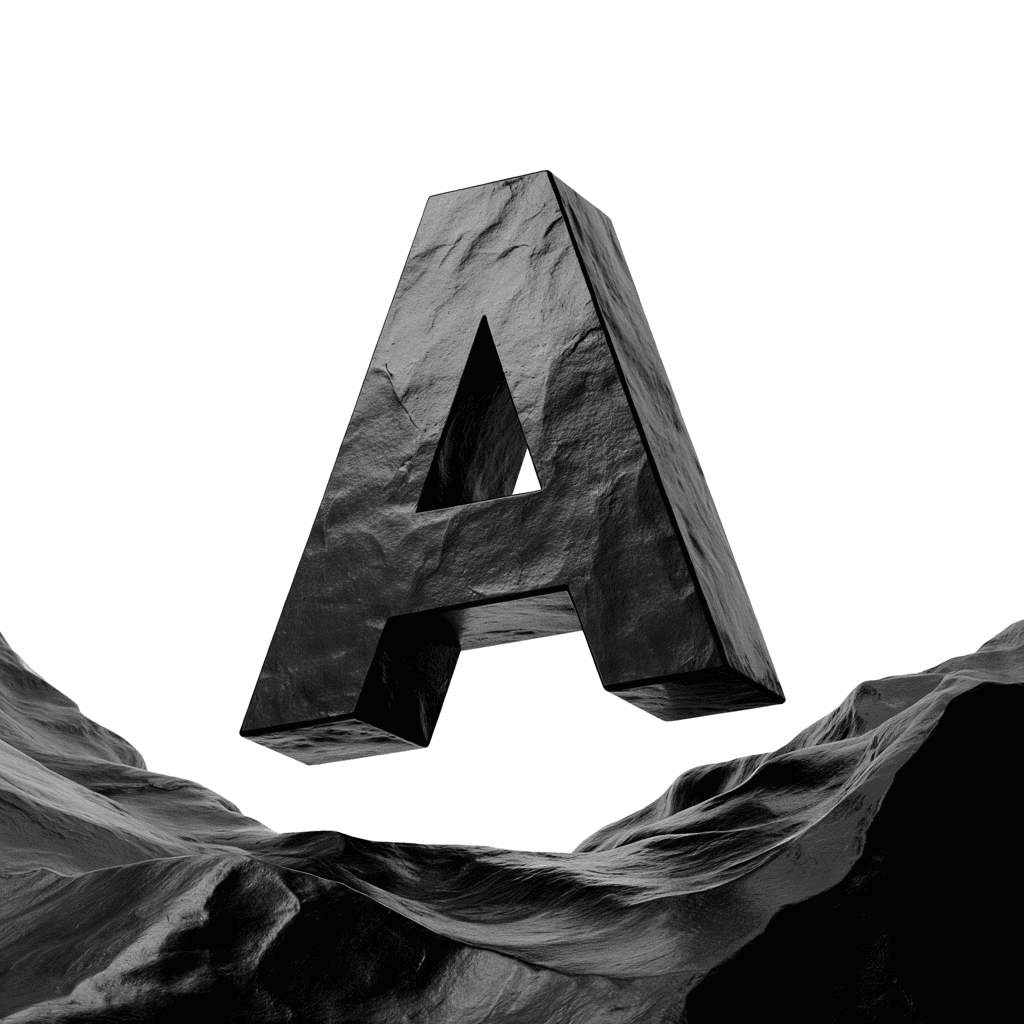
Experimental typography is a design approach that redefines the form and function of letters by surpassing traditional typographic rules. This approach offers new modes of expression by employing various techniques and forms to enhance the visual potential of text. By its very nature, experimental typography is an application model that does not rely on fundamental rules or principles but instead grants unlimited possibilities for the use of text and other typographic elements in terms of form a
ENMelahat Pamuk
Chinese Calligraphy
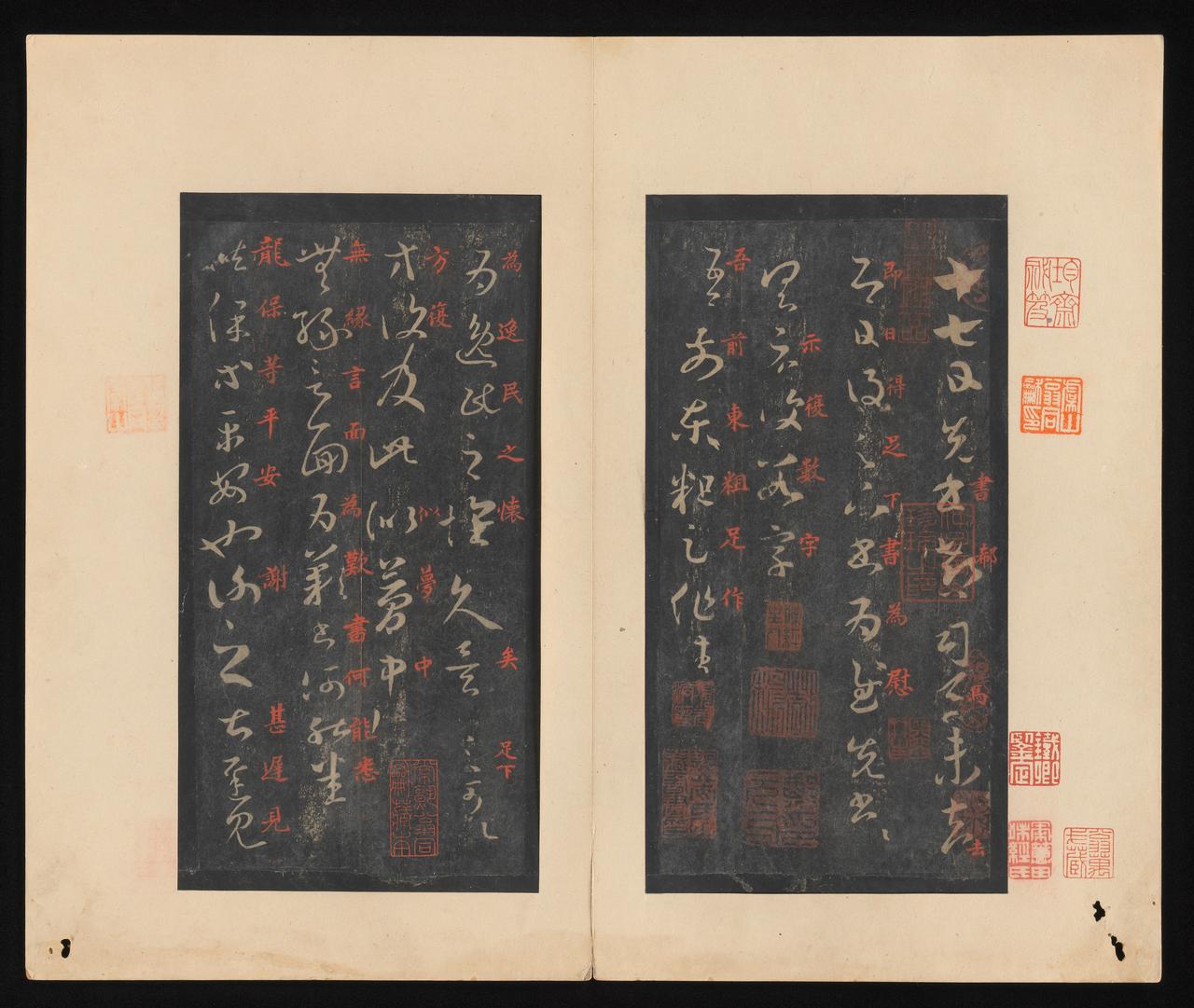
Chinese calligraphy is the art of writing Chinese characters in a disciplined manner using brush and ink. It goes beyond mere writing, carrying philosophical and social meanings. Calligraphy aims to reveal the visual and intellectual value of writing through elements such as line arrangement, brush movement, rhythm and composition. In Chinese culture, it is regarded as one of the four fundamental arts alongside literature, painting and music, and has been recognized for centuries as an indicator
EN
Nazlı Kemerkaya
Palimpsest
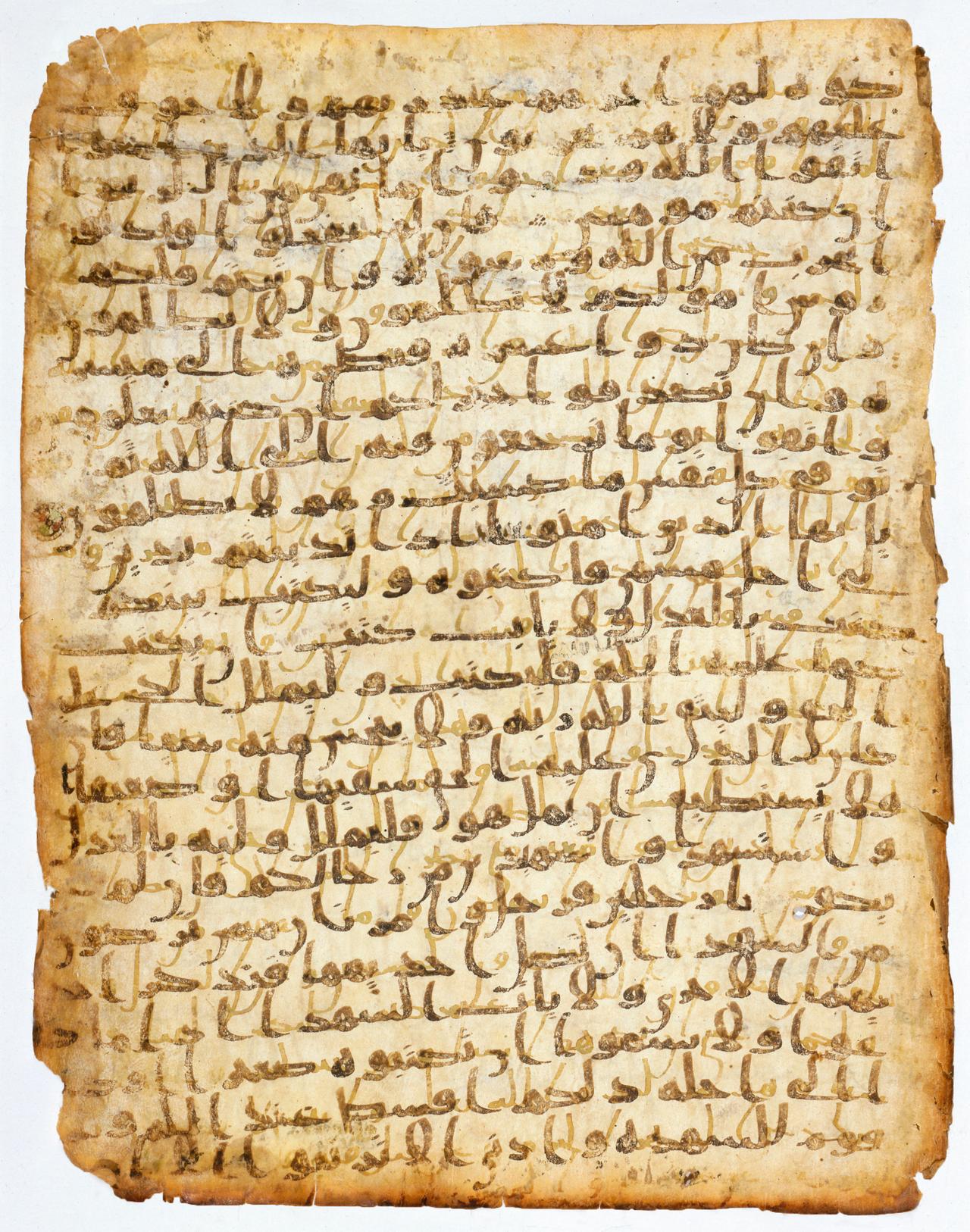
A palimpsest is a parchment or other writing surface on which a text has been erased so that a second text can be written over it, yet traces of the original writing remain visible. In antiquity, parchment was made from the skin of lamb, calf, or kid, and was expensive and not always readily available. Parchments that had already been used were reused for new writings to conserve writing surfaces. The original text was removed by scraping or washing. In everyday usage, the term palimpsest also r
EN
Burak Enes
Use of the Cloud Band and Motif in Manuscript Works and Other Art Forms
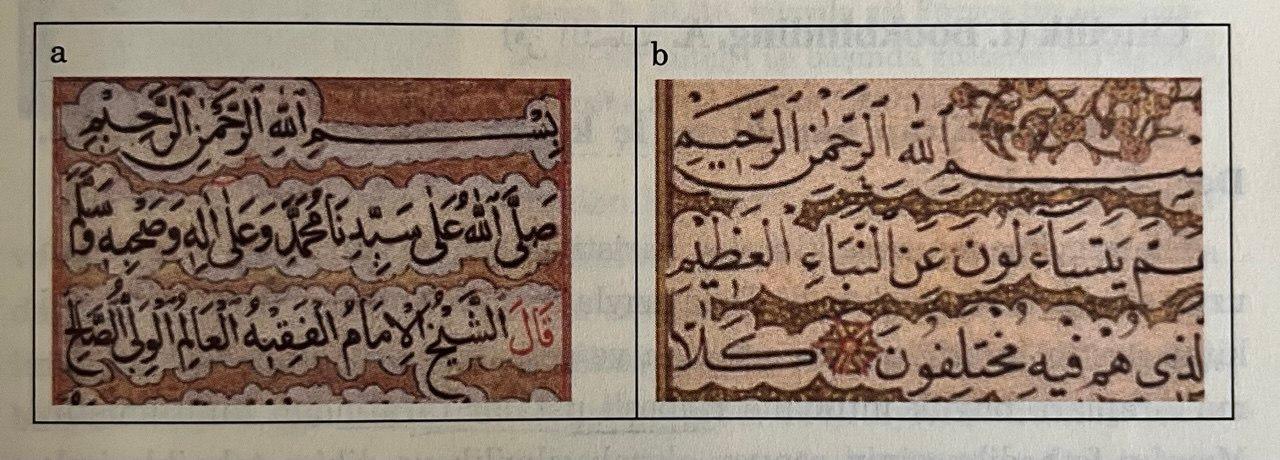
The cloud band, known in English as cloudband, is an extended and curled stylized cloud motif frequently used in manuscripts. Cloud bands are cloud-like decorative elements employed to fill the spaces between lines of text. They were created by defining the shape of the text line and filling the intervening spaces with gold leaf. This decorative style first appeared in manuscripts of the 4th/10th century. In some manuscripts, they can be extremely delicate, incorporating intricate leaf patterns.
ENBurak Enes
Chinese Calligraphy
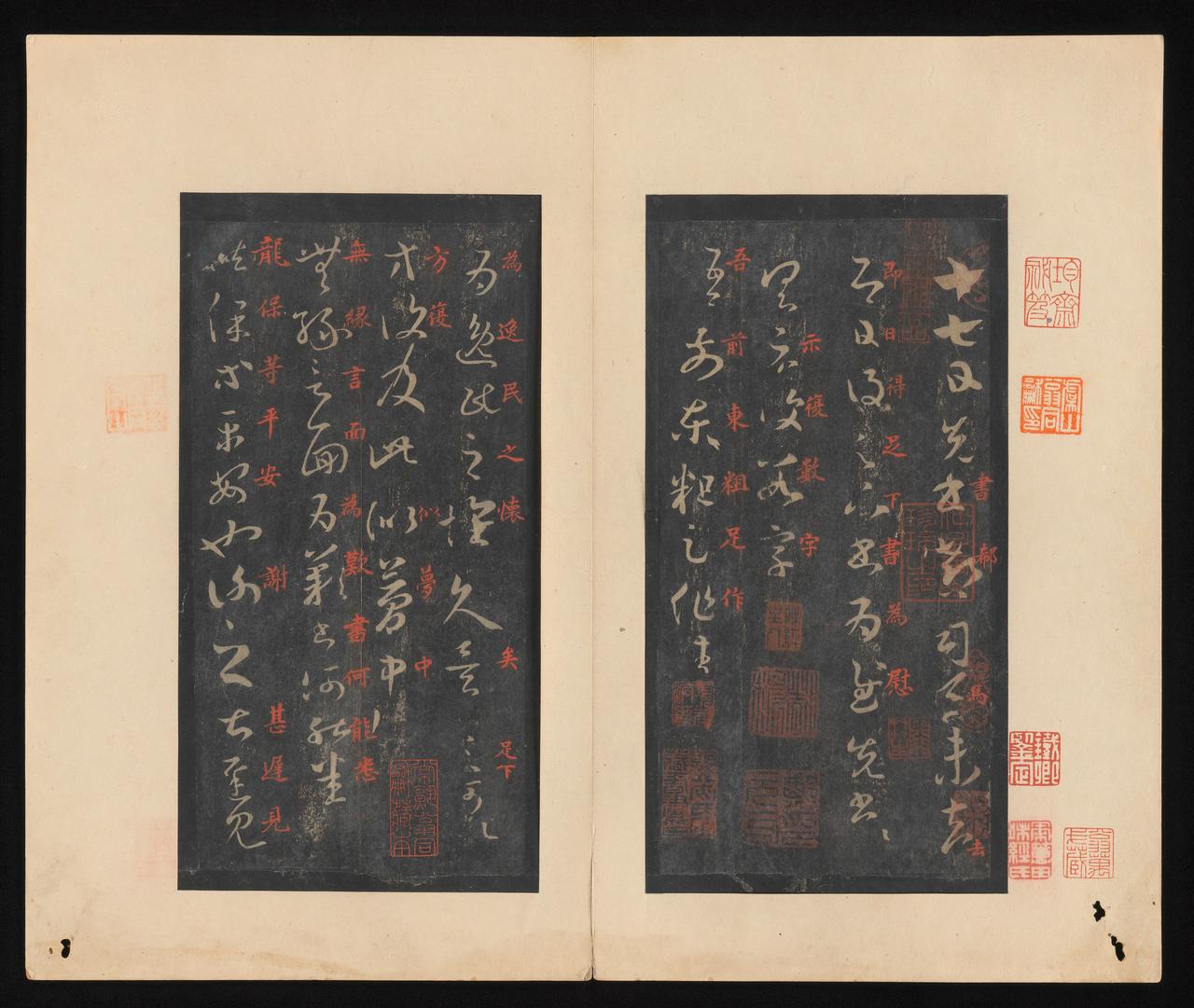
Chinese calligraphy is the art of writing Chinese characters in a disciplined manner using brush and ink. It transcends mere writing, carrying philosophical and social meanings. Through elements of line arrangement, brush movement, rhythm, and composition, calligraphy seeks to reveal the visual and intellectual value of writing. In Chinese culture, it is regarded as one of the four fundamental arts alongside literature, painting, and music, and has been recognized for centuries as an indicator o
EN
Nazlı Kemerkaya
Bursa Ulu Camii
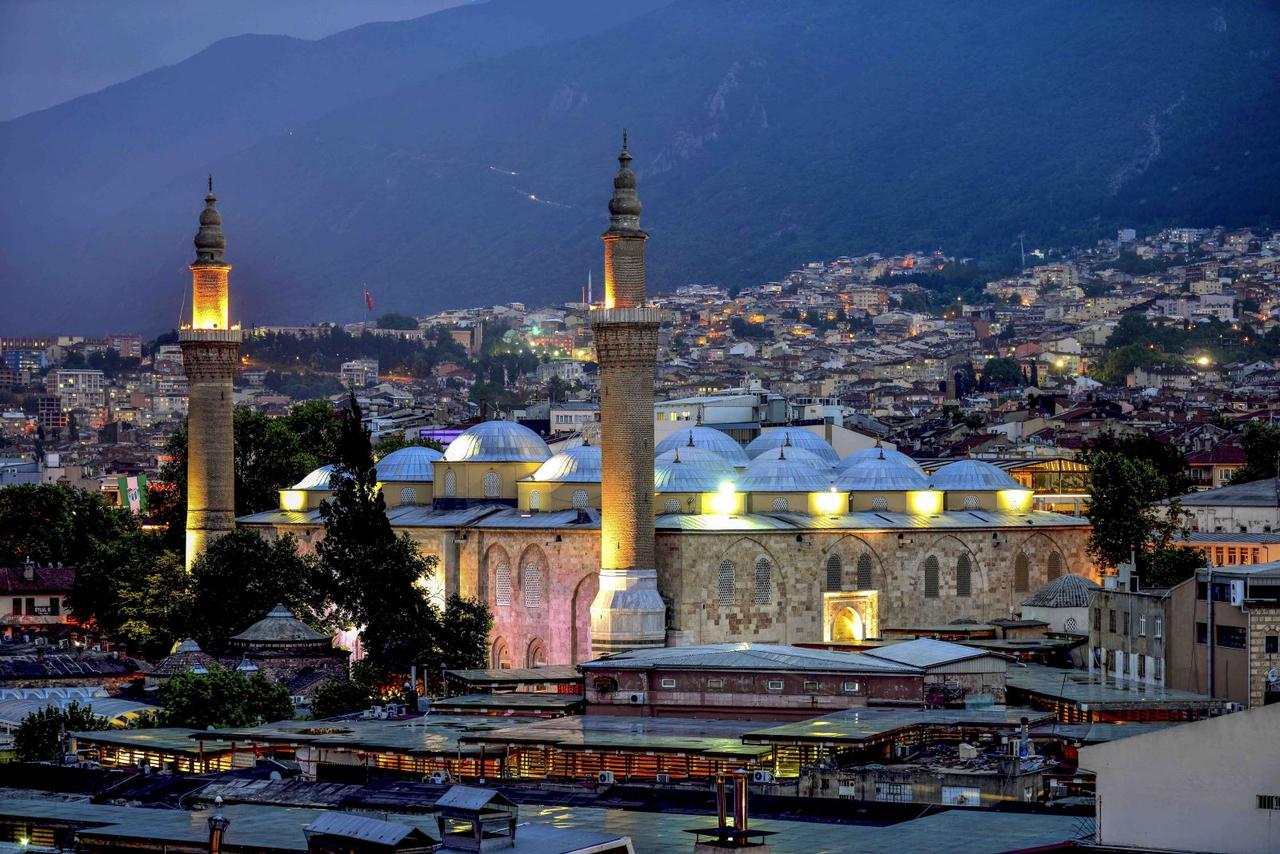
Bursa Ulu Camii, Bursa's center, built between 1396 and 1400 by Bayezid, is a historic mosque and the largest multi-domed example of early Ottoman architecture. Beyond serving as a central place of worship, it has also functioned throughout history as a center for religious, social, and cultural activities. The mosque is notable for its 20 domes, central şadırvan, wood kündekari minbar, and rich hat art collection. History As one of the earliest architectural structures of the Ottoman State, Bur
EN
Edanur Karakoç
What is Decoration?
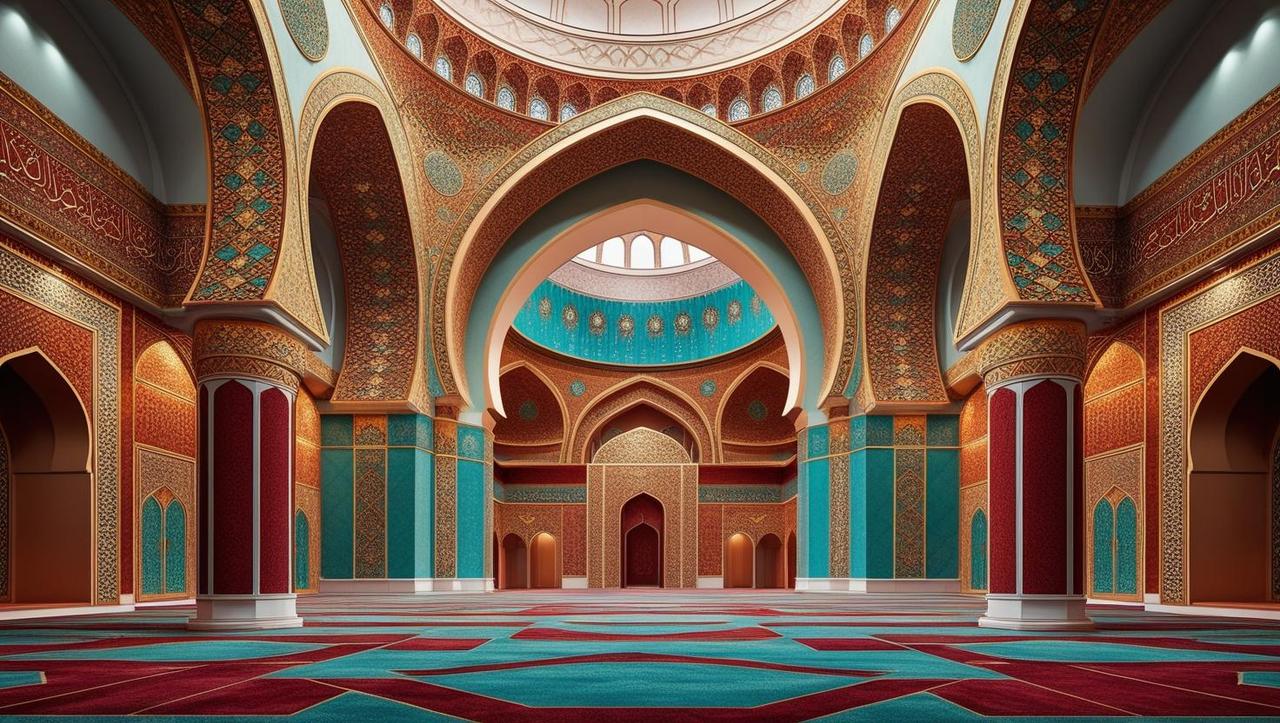
Ornamentation is the art of decoration used to adorn and make something beautiful and visually striking. The patterns you can find in books, mosques, palaces, ancient manuscripts, and tiles are part of ornamentation, featuring gold embellishments and colorful motifs. There are many different types of ornamentation. Calligraphy: The art of beautiful writing. Especially in ancient books and mosques, decorations are made using Arabic letters. Ceramic Decoration: Decorations made with colored cerami
EN
Meryem Şentürk Çoban