


This article was automatically translated from the original Turkish version.
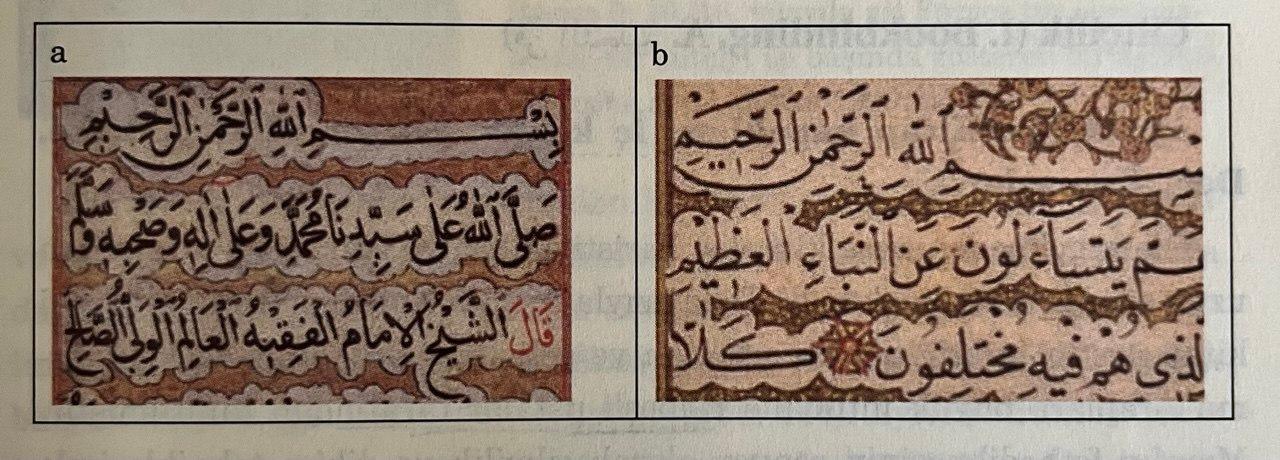
The cloud band, known in English as cloudband, is an extended and curled stylized cloud motif frequently used in manuscripts. Cloud bands are cloud-like decorative elements employed to fill the spaces between lines of text. They were created by defining the shape of the text line and filling the intervening spaces with gold leaf. This decorative style first appeared in manuscripts of the 4th/10th century. In some manuscripts, they can be extremely delicate, incorporating intricate leaf patterns. Beyond adding aesthetic beauty to the works, cloud bands also play an important role in emphasizing the text and organizing the page layout.
class=\
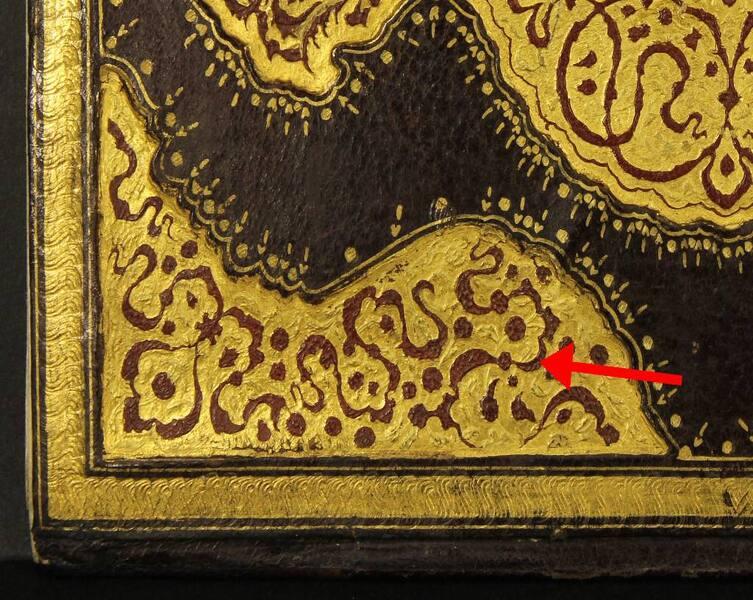
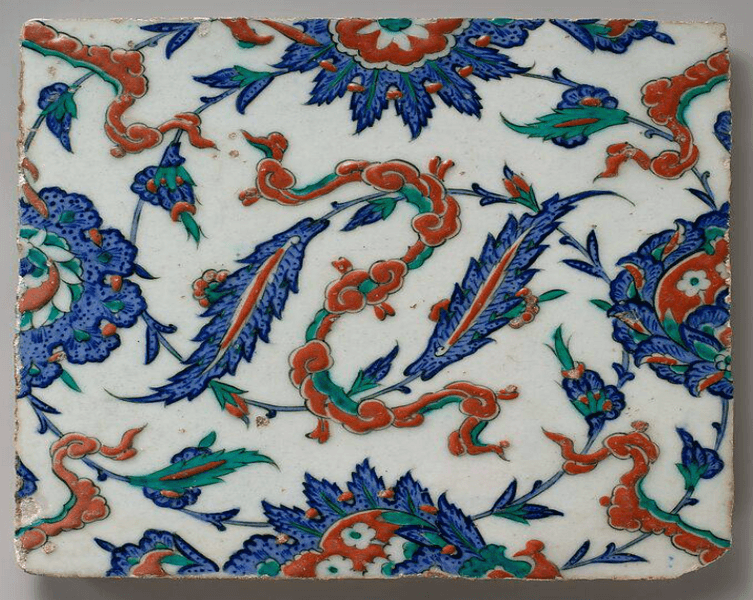
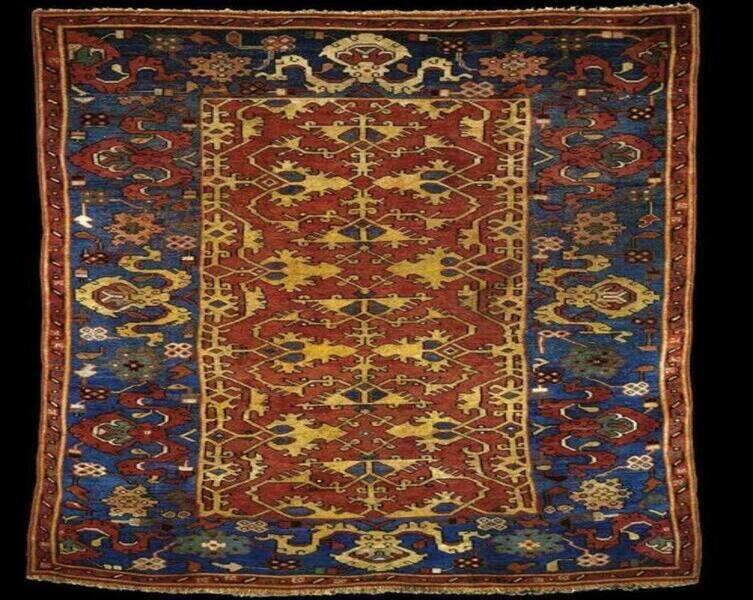
This decorative style, with roots extending back to China, has been widely used in many ornate manuscripts. Although this motif has not been found in earlier Anatolian Seljuk works, it is believed to have entered Turkish art during the Ottoman period through contacts with the Timurids and the Herat school. Due to its Chinese origins, it has also been called the Chinese cloud. Helmuth Bossert suggested that this motif symbolizes the steam and fire emitted from the mouths of mythical creatures such as the Simurgh and the dragon in their battle scenes. In Islamic tradition, there is the miracle of Prophet Moses’ staff transforming into a dragon. The cloud motif, which evokes dragons, may have been favored because it also alludes to Moses’ staff. Its resemblance to the nur (radiance) decorations surrounding prophets in early miniatures is also noteworthy.
class=\
class=\
class=\
Arseven, Celal Esad. 1927. Türk Sanatında Tezyinat. Hayat Mecmuası, I/20, pp. 9-14.
Bossert, Helmuth. 1976. Decorative Art of Asia and Egypt. Tubingen, pp. 33-37.
Doğanay, Aziz. 1999. Bulut Motifi Ve Osmanlı sanatındaki İlk örnekleri. Divan: Disiplinlerarası Çalışmalar Dergisi, pp. 225-34.
Déroche, François. 2006. Islamic codicology: an introduction to the study of manuscripts in Arabic script. London.
Gacek, Adam. 2020. Guide to Arabic Manuscripts. Klasik Yayınları.
Keskiner, Cahide. Türk Motifleri. Turing Yayınları, Istanbul, pp. 112.

No Discussion Added Yet
Start discussion for "Use of the Cloud Band and Motif in Manuscript Works and Other Art Forms" article
Origin and Meaning
Applications