

`astrophysics` Related Article Results
 Al
AlAlaknanda Galaxy
Alaknanda is a galaxy identified through analysis of data from the James Webb Space Telescope (JWST), dated to the early universe and notable for its prominent spiral structure. The galaxy has been observed at a high redshift value corresponding to a time when the universe was approximately 1.5 billion years old. Its structure provides an important example of the emergence of large, orderly disk galaxies in the early stages of cosmic evolution. Alaknanda is a significant example demonstrating th
EN
Meryem Şentürk Çoban
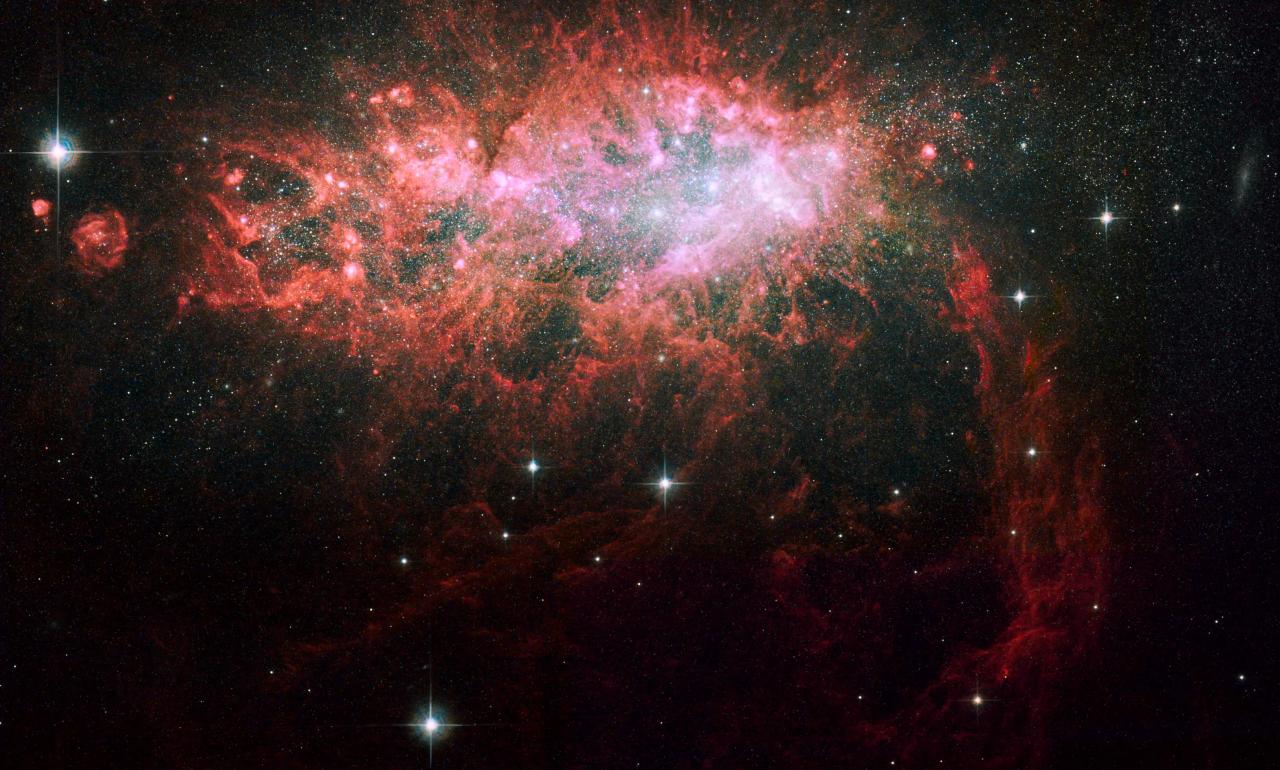
NGC 1569 Galaxy
The NGC 1569 Galaxy is an irregular dwarf galaxy located in the nearby cosmic environment of the Milky Way, characterized by intense star formation activity. Situated at a distance of approximately 11 million light years (3.36 Mpc), this galaxy is observed in the constellation Camelopardalis (Giraffe). NGC 1569 is particularly notable for its recent period of intense star formation, known as a starburst, which has lasted over the past few hundred million years. In this regard, it serves as a cri
EN
Osman Özbay
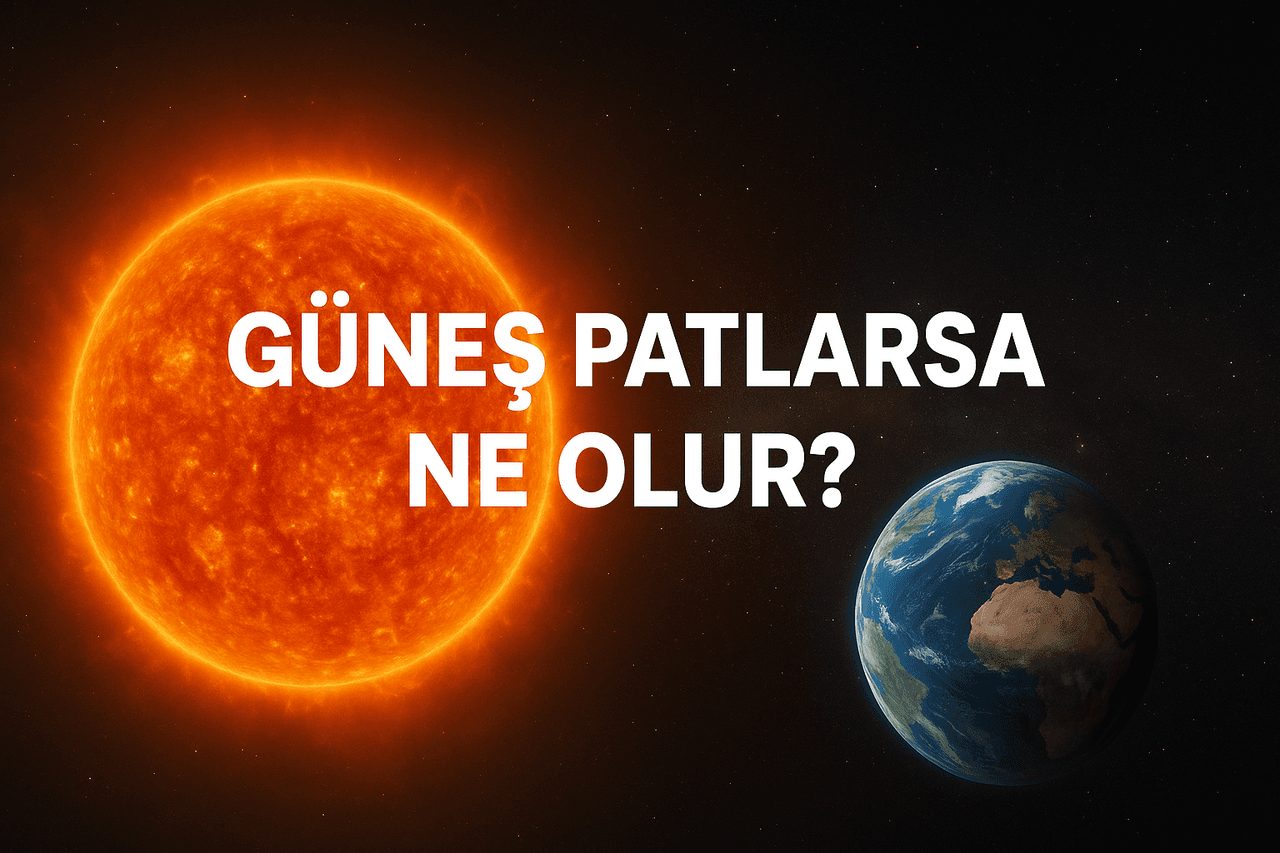
What Happens If the Sun Explodes?
The Sun is the source of everything on Earth. Our light, our heat, our seasons—all are made possible by the Sun’s steady luminosity. But a major question arises in the mind: What happens when the Sun one day dies? First, it is essential to understand: The Sun is not a star capable of exploding like a supernova. The reason is its relatively small mass. Supernova explosions occur only in massive stars with at least eight to ten times the mass of the Sun. Therefore, the Sun’s fate is not to explode
EN
Aykut Laçın
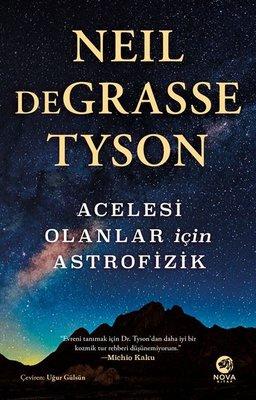
Astrophysics for Those in a Hurry (Book)
For People in a Hurry: Astrophysics (original title: Astrophysics for People in a Hurry) is a popular science book written by American astrophysicist Neil deGrasse Tyson. The book aims to convey the fundamental principles of astrophysics and the universe in a brief and accessible manner. Content and Themes The book presents a scientific perspective on the structure of the universe, fundamental physical laws, and cosmic phenomena. The main themes include: Structure and Scale of the Universe: Gala
ENOsman Özbay
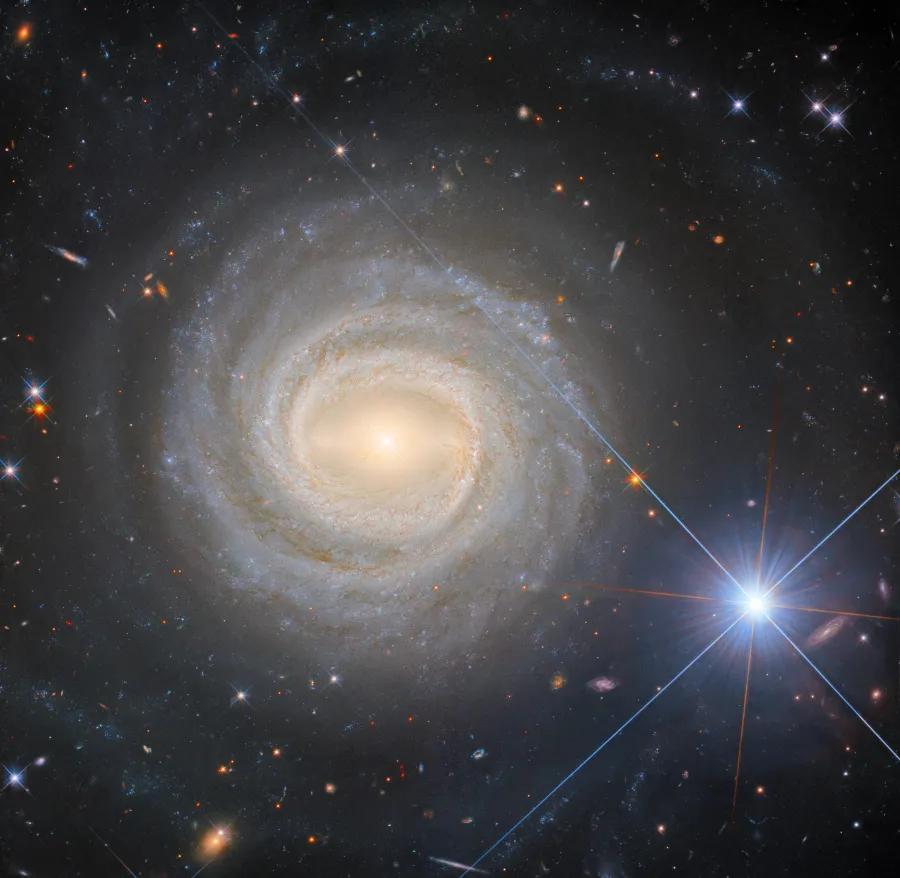
Seyfert Galaxy
Seyfert galaxies are celestial objects that were first identified in 1943 by American astronomer Carl Seyfert. Although they appear as normal spiral galaxies, they harbor regions of quasar-like high surface brightness at their centers【1】. These galaxies constitute the most common and lowest-energy class of active galactic nuclei (AGN). Their defining characteristic is the presence of strong and highly ionized emission lines originating from their nuclei【2】. When observed in visible light, they r
EN
Pelin Demirci
TETESS Space Telescope
Güneş Sistemi outside the stars orbiting exoplanets is a space telescope developed to detect. Its mission is to identify regular brightness variations caused by planets passing in front of particularly nearby and bright stars relative to Earth, thereby identifying new planet candidates. Mission Objective and Scientific Goals The primary objective of TESS is to survey a large portion of the sky to detect numerous exoplanet candidates. Unlike previous space telescopes, TESS adopts an observational
EN
Halil İbrahim ALADAĞ
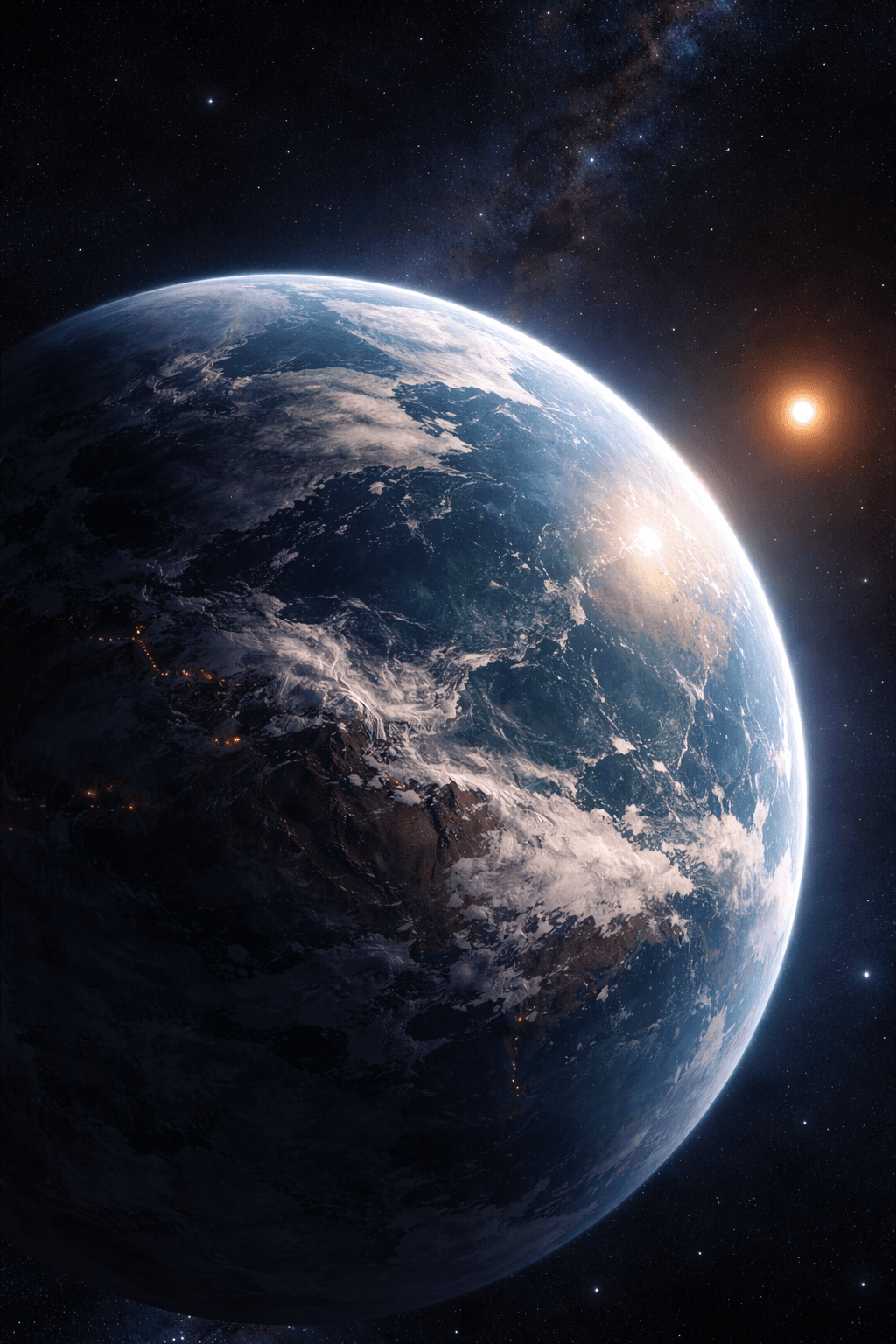
Potential Habitable Exoplanet HD 137010 b
Space research continues to expand our understanding of the universe each day. Most recently, astronomers announced the discovery of a new planet, relatively close to Earth, that may have potential for habitability. This planet, named HD 137010 b, has attracted scientific interest due to its characteristics. How Close Is It to Earth? HD 137010 b is located approximately 146 light years from Earth. Its radius is only 6 percent larger than Earth’s, placing it very close to the category of “Earth-l
EN
Oksana Gülünay

Wernher Magnus Maximilian Freiherr von Braun
Wernher Magnus Maximilian Freiherr von Braun 23 March 1912, in the Prussian region of Germany, was born into an aristocratic family. His father, Baron Magnus von Braun, and his mother, descended from King Valdemar I of Denmark. In childhood, he began showing an interest in science, particularly space; he developed an interest in astronomy by observing stars through a telescope given to him by his mother. The young Wernher read works by science fiction authors such as Jules Verne and H.G. Wells a
EN
Zekeriya Aktaş
NeNeutron Stars
Neutron stars are extremely dense celestial objects formed at the final stage of massive stars’ lives, following a supernova explosion. In the core of a star approximately ten times the mass of the Sun, hydrogen and helium undergo nuclear fusion until they are converted into iron. Since iron cannot be fused to release energy, the star’s core collapses, causing the outer layers to fall inward and triggering a violent supernova explosion. After this explosion, the star’s core contracts dramaticall
EN
Sema Nur Akdağ

Wernher Magnus Maximilian Freiherr von Braun
Wernher von Braun, as one of the 20th century’s most controversial and influential engineering figures, built a career that began with ballistic missile technologies developed in Nazi Germany and extended to the United States’ human mission to the Moon. He left behind a complex legacy shaped by the tension between his technical genius and his ethical responsibilities. ### Childhood Wernher Magnus Maximilian Freiherr von Braun was born on 23 March 1912 in the Prussian region of Germany into an ar
ENZekeriya Aktaş