

`architectural-heritage` Related Article Results
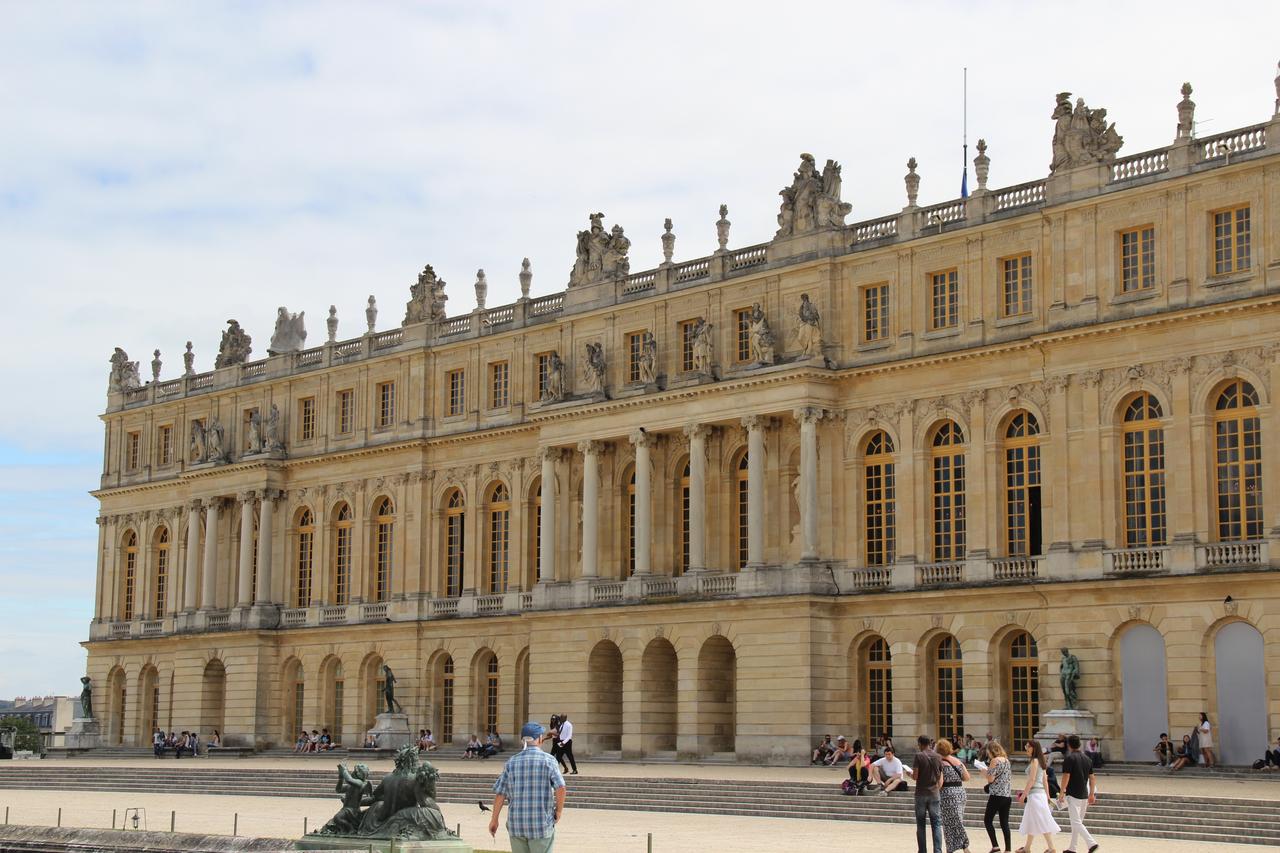
Palace of Versailles
Palace of Versailles, France’s Île-de-France region, located southwest of Paris, is a royal palace regarded as one of the most important representatives of 17th-century French art. It has been listed on the UNESCO World Heritage List since 1979 and holds universal value both architecturally and in terms of landscape design. Originally constructed as a small hunting lodge by Louis XIII, it was transformed and expanded by his son Louis XIV in 1682 into the royal residence and center of government.
EN
Miray GÜR
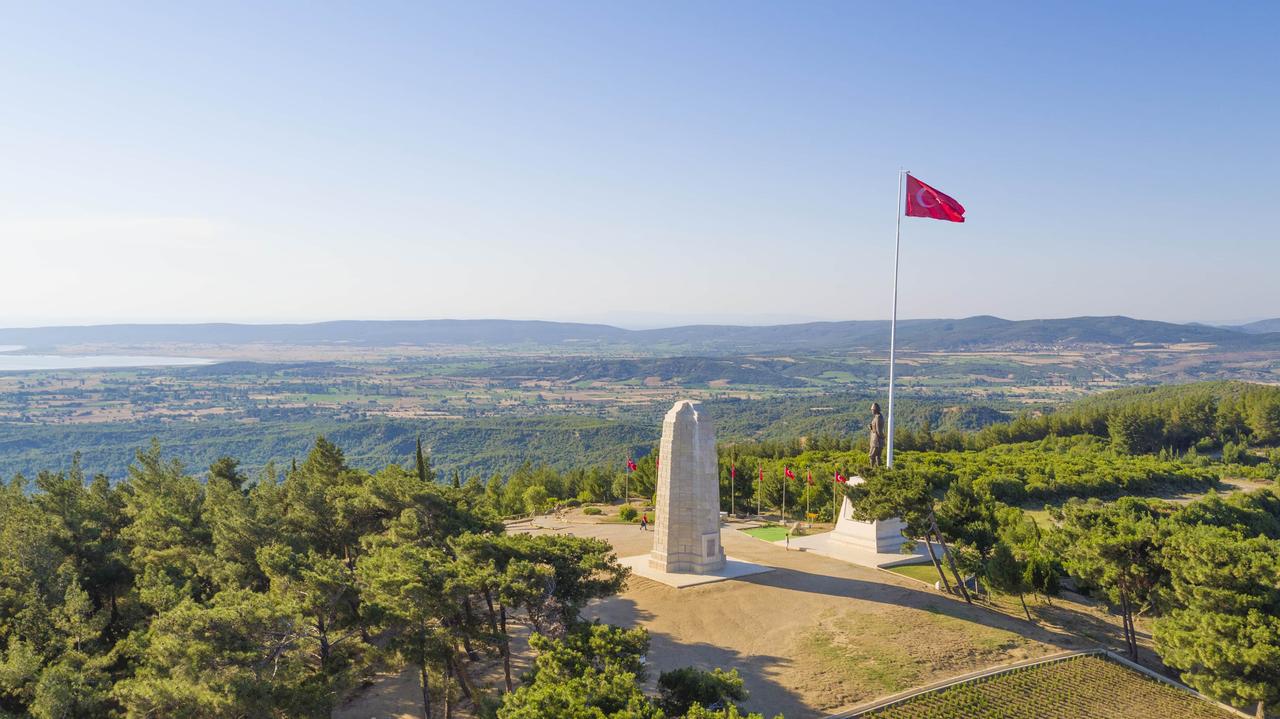
New Zealand National Monument
New Zealand National Memorial is the most prominent structure built in memory of New Zealand soldiers on the Gallipoli Peninsula. Located atop the Conkbayırı summit, this memorial was erected as the largest New Zealand memorial on the peninsula in commemoration of the battles that took place on 8 August 1915. The structure was completed in 1925 by the Commonwealth War Graves Commission (CWGC).【1】 Architectural Features and Design The memorial was designed by New Zealand architect S. Hurst Seager
EN
Gözde Cabadak
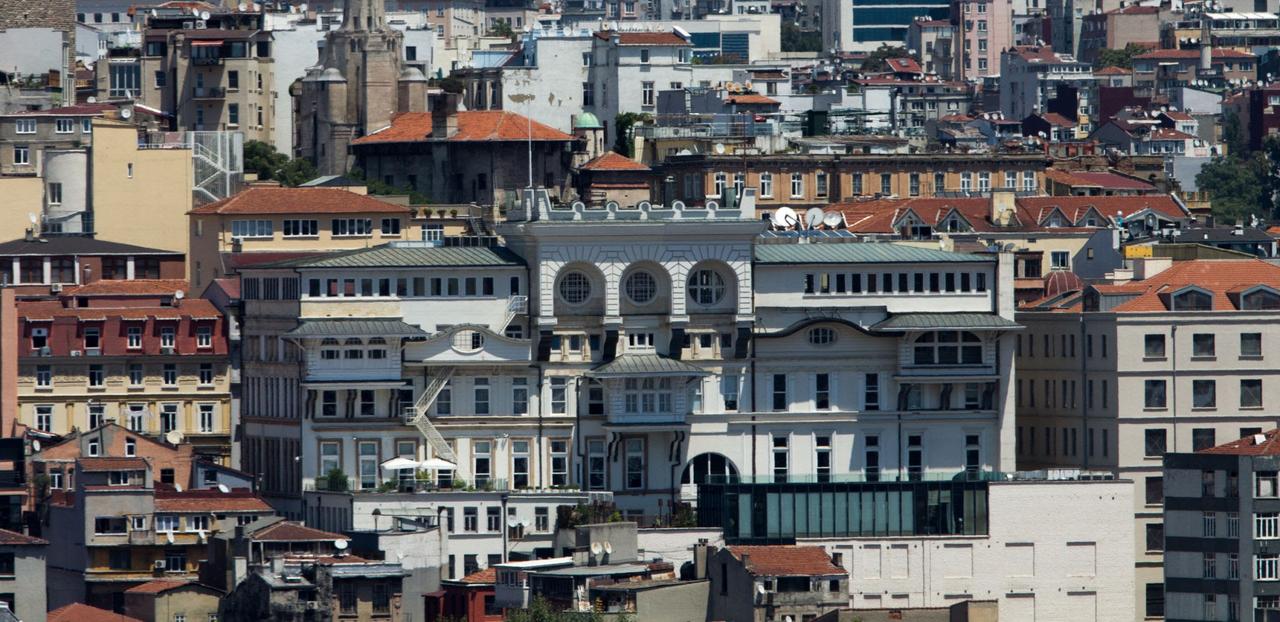
Urban Palimpsest
Urban palimpsest is a socio-spatial and architectural concept that refers to a city’s physical, spatial, and cultural fabric accumulating layers of traces from different historical periods, social practices, needs, and ideologies.【1】 The term derives from the Greek words palin, meaning "again," and psestos, meaning "scraped," combining to form palimpsēstos.【2】 In antiquity, due to the rarity and cost of parchment and papyrus, manuscripts with erased or scraped-off older texts rewritten on top we
EN
Kadriye Beyza Kirenci
Emirgan Korusu
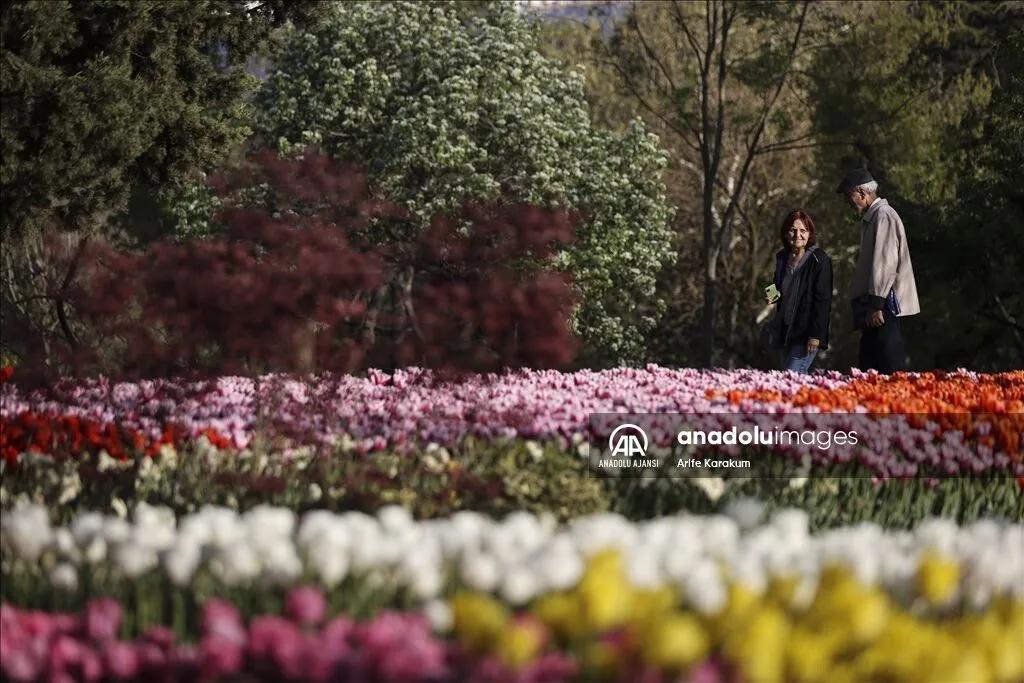
Emirgan Korusu is a recreational area of approximately 47 hectares located on the Rumelian shore of the Bosphorus in the Sarıyer district of Istanbul, between Baltalimanı and İstinye. 【1】 Known since antiquity and the Byzantine era for its dense cedar forests, the area was called "Kyparades" during the Byzantine period, meaning "cedar forest". 【2】 During the Ottoman period, the grove was granted in the mid-16th century to Nişancı Feridun Bey and later assigned in the 17th century to Emirgünoğlu
ENKadriye Beyza Kirenci

Mardin Ulu Cami
Imagine a city covered in golden-yellow stones, nestled beside the sky. This is Mardin! Within this beautiful city stands a vast structure that has remained standing for exactly 845 years: Mardin Ulu Cami. Have you ever walked inside a building this old and listened to the stories it whispers? Let us explore its historic gates together. The Oldest Story in the City Mardin Ulu Cami was built in 1176 by Sultan Kutbettin İlgazi during the Artuklu period. This mosque is older than your great-great-g
EN
Zerrin Bayar
Akdamar (Ahtamar) Holy Cross Church
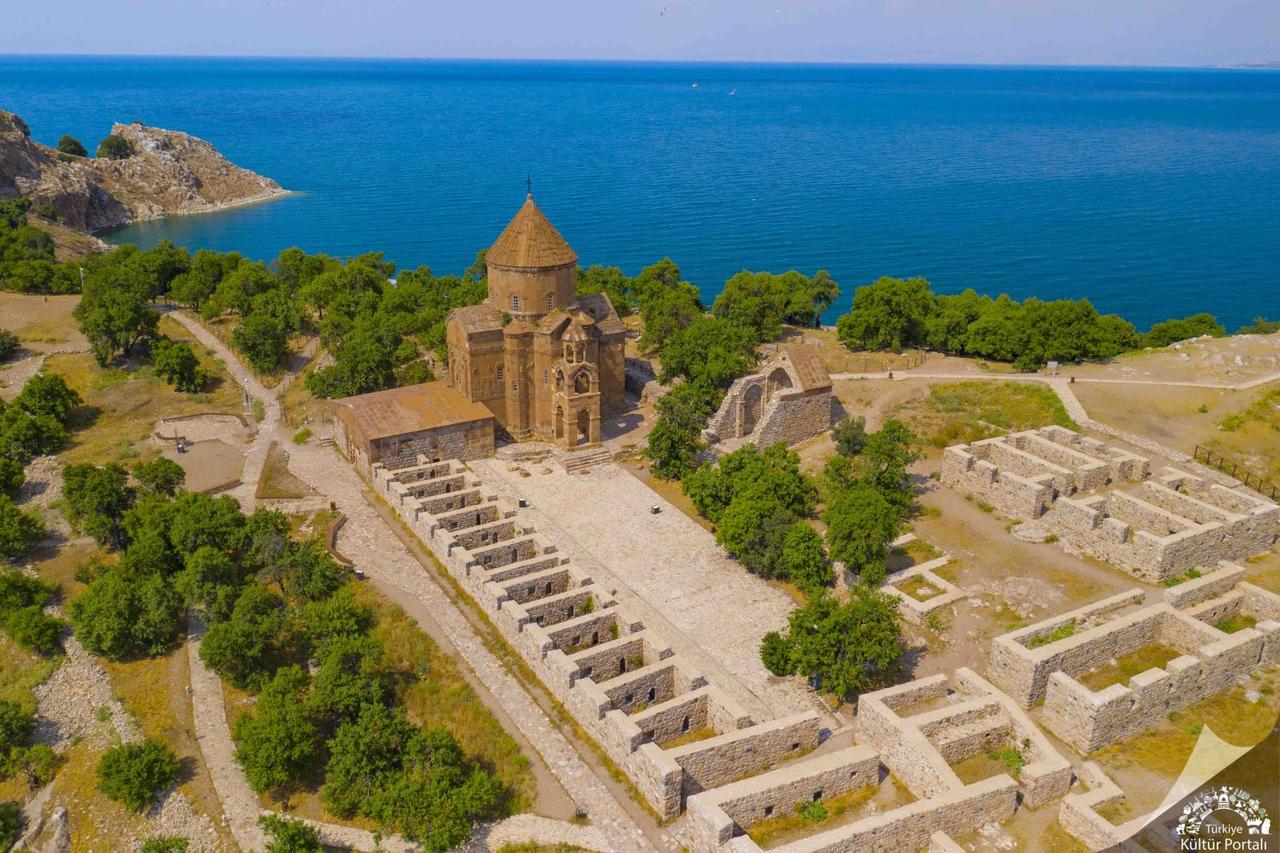
Akdamar Monumental Museum is a historic Armenian church located on Akdamar Island, the second largest island in Lake Van, near the district of Gevaş in Van, Türkiye. Also known as the Church of the Holy Cross, it was commissioned by King Gagik I Ardzruni of Vaspurakan between 915 and 921 and constructed by the architect Monk Manuel. This palace church reflects the cultural and architectural heritage of the Vaspurakan Kingdom, which ruled Van and its surroundings under the Abbasids from 908 to 10
EN
Muhammed Samed Acar
Historical Houses of Erzurum
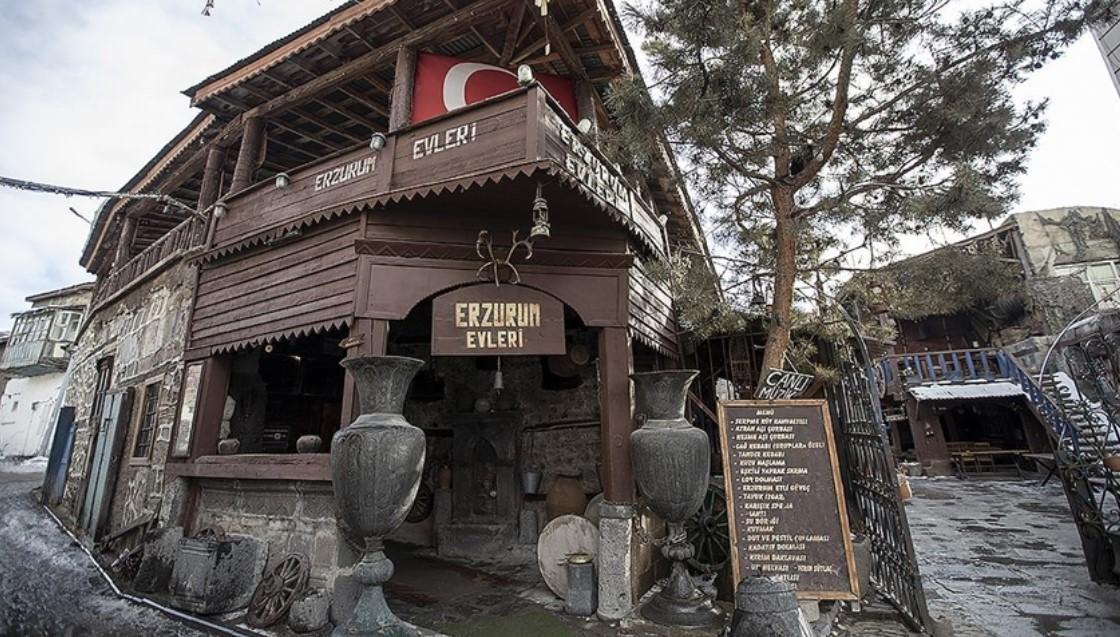
East Anatolia The historic houses of important reflect a rich architectural heritage bearing traces of various civilizations. Erzurum, due to its strategic location, has been at the center of various political and economic developments throughout history, profoundly shaping its urban and architectural fabric. Traditional Erzurum houses are significant cultural assets that reflect the region’s socio-cultural life, family structure, and economic conditions. These structures encompass not only phys
EN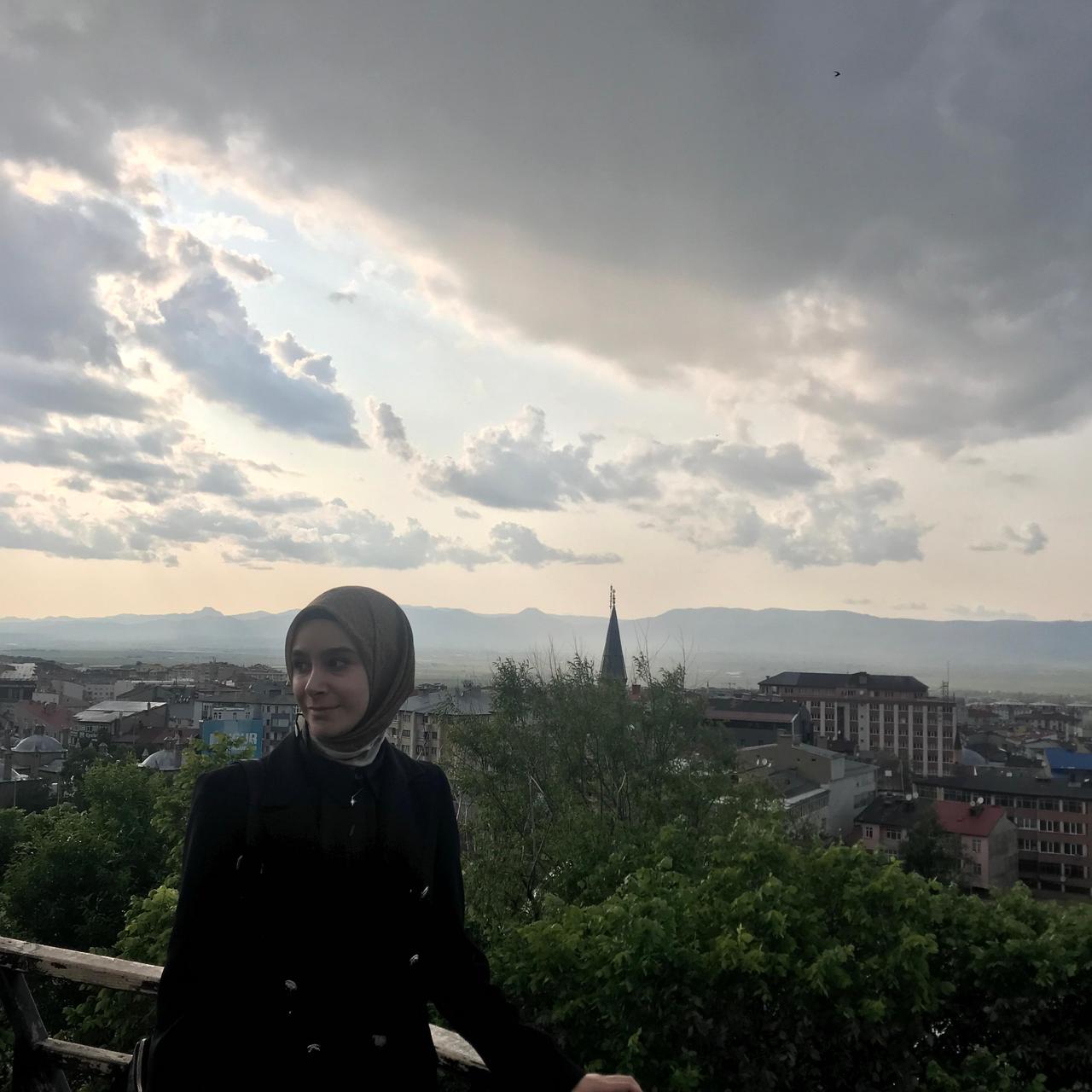
Büşranur Akpınar
Historical Houses of Erzurum
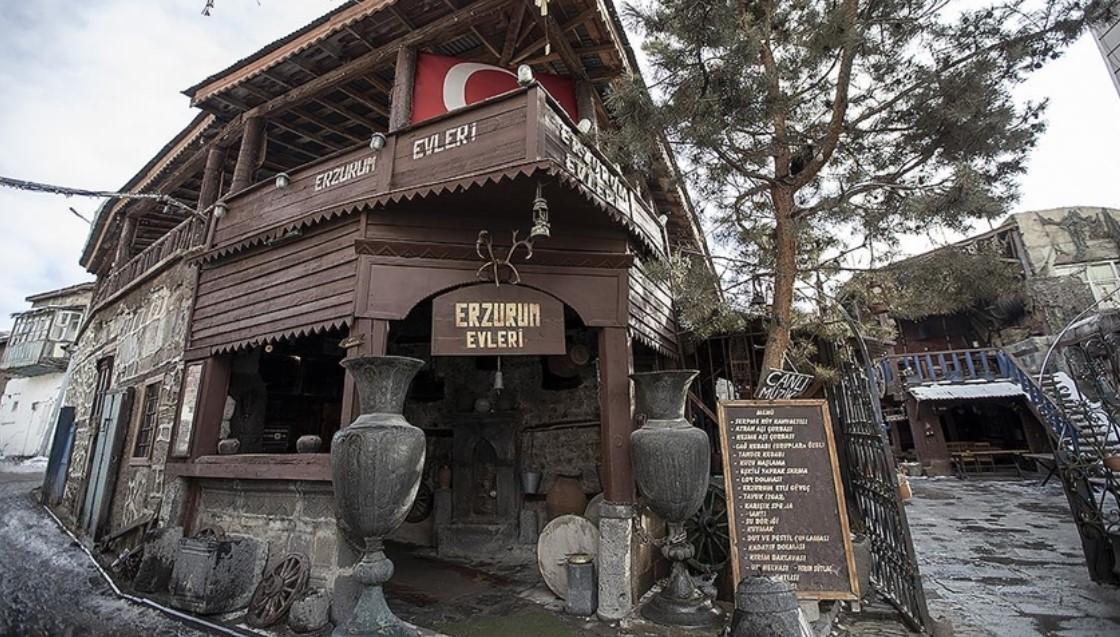
Eastern Anatolia Region’s rich architectural heritage, reflected in its historic houses, carries traces of various civilizations. Erzurum, an important cultural and historical center of this region, has historically been at the heart of various political and economic developments due to its strategic location, profoundly shaping its urban and architectural fabric. Traditional Erzurum houses are significant cultural assets that reflect the region’s socio-cultural life, family structure, and econo
EN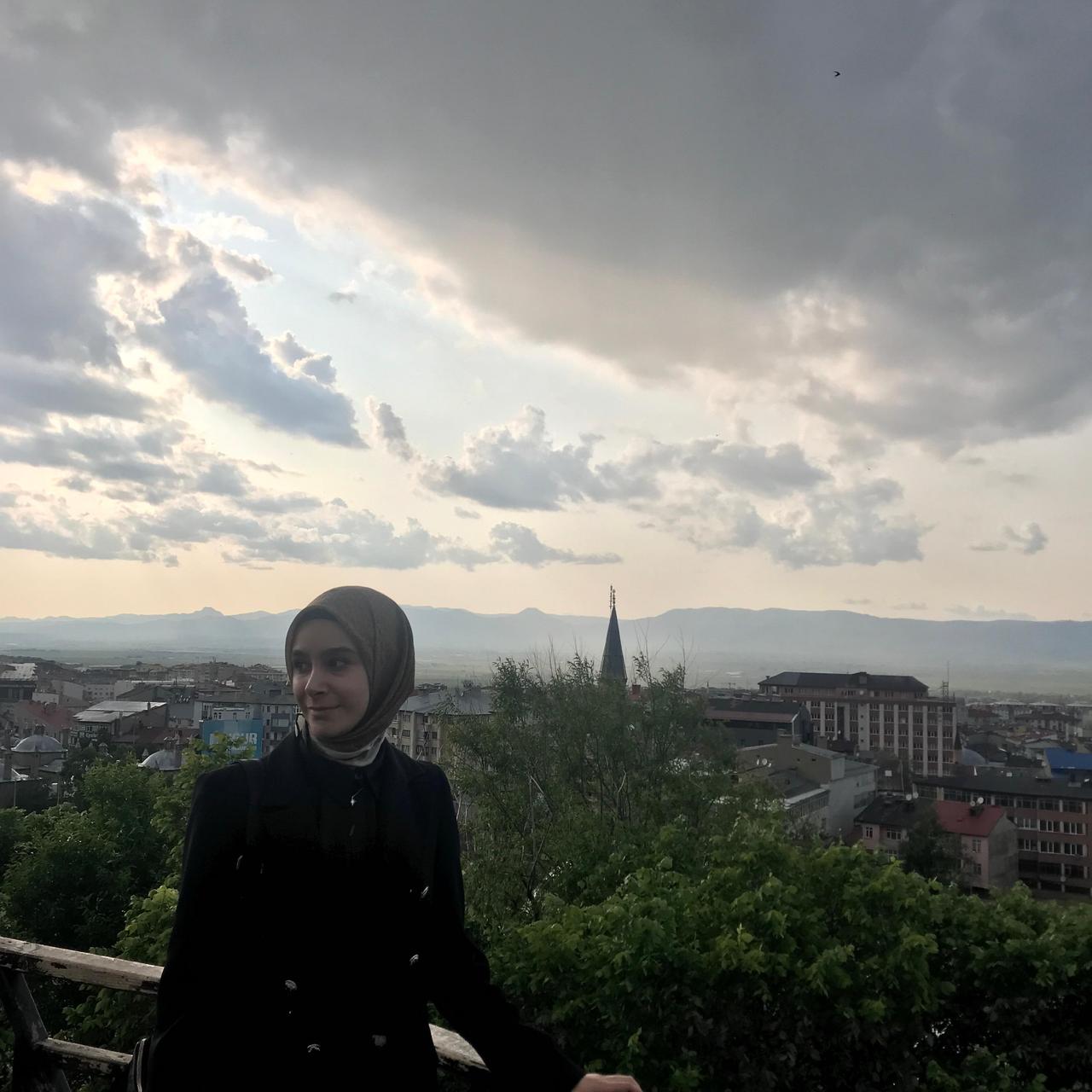
Büşranur Akpınar
Bayburt Grand Mosque
Bayburt Ulu Camii is a place of worship from the Seljuk period located in the city center of Bayburt in Türkiye’s Black Sea Region. It is one of the most significant representatives of the city’s Seljuk architectural heritage and is particularly renowned for its rare surviving brick-and-tile decorative elements, especially on its minaret. Built in the 13th century, the mosque has undergone various damages and numerous restorations over the centuries. Although much of its original structure was d
EN
Fatma Türkoğlu
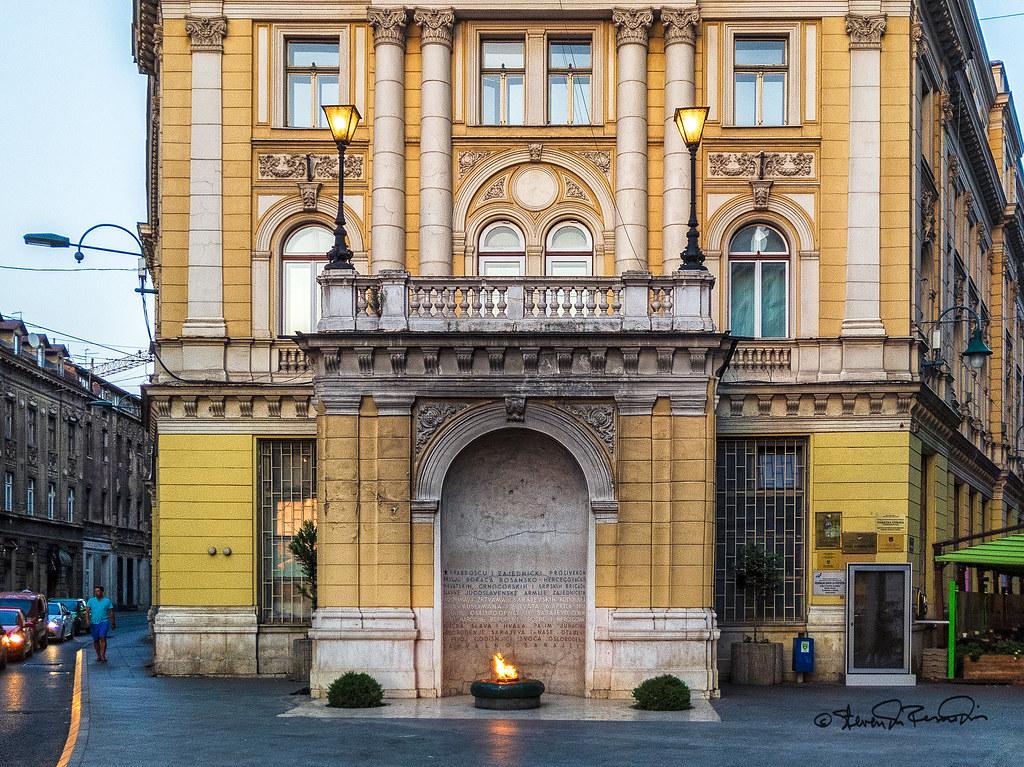
Monument of the Everlasting Fire (Vječna Vatra)
Monument of the Eternal Flame (Vječna Vatra) is a monumental structure in Bosanski Šamac, Sarajevo, symbolizing the military and ideological victory of World War II. Historical Background and Location The Monument of the Eternal Flame is located in the center of Bosnia and Herzegovina’s capital, Sarajevo, on the main thoroughfare now known as Marshal Tito Street. During the Ottoman period, this street was one of the city’s key residential and commercial areas. It acquired its name, Ćemaluša, fro
EN
Nursena Şahin