

`anatolian-civilizations` Related Article Results
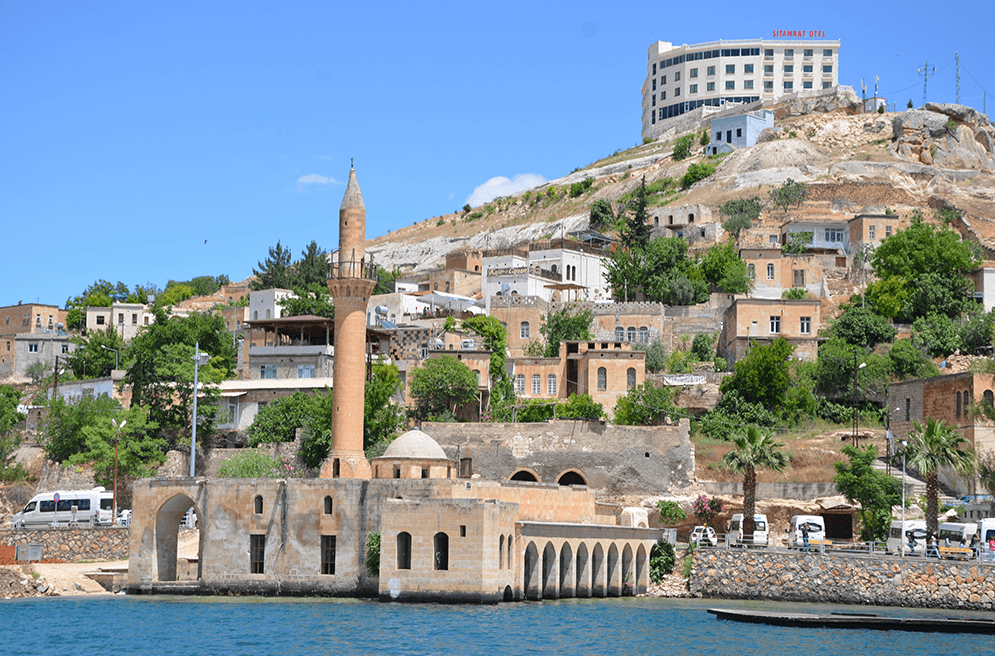
Halfeti (District)
Halfeti is a district in southeastern Türkiye,隶属于 Şanlıurfa Province, known for its historical and natural richness. Located along the Euphrates River, Halfeti has become a tourist destination due to its geographical position and cultural heritage. With the completion of the Birecik Dam in 2000, a large part of the district was submerged, leading to significant changes in the region’s settlement patterns and economic structure. Following this development, Halfeti was divided into “Old Halfeti” a
EN
Sevgi Kıraç
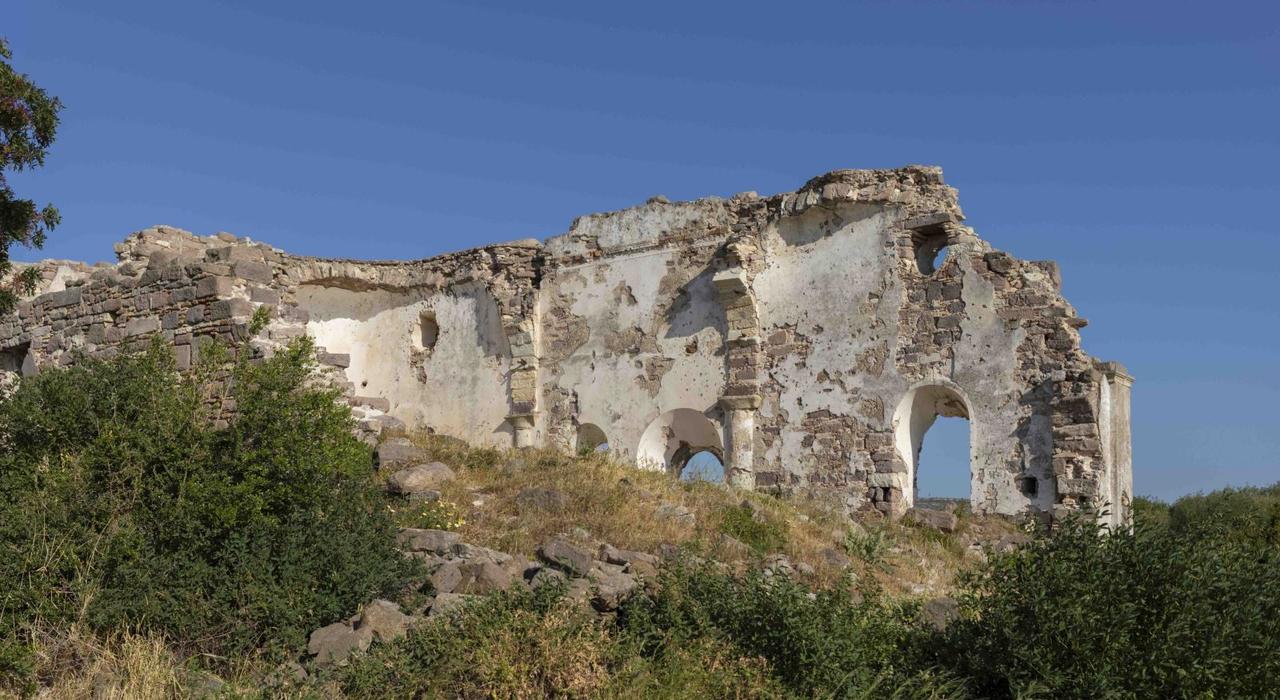
Erythrai Ancient City
Erythrai Ancient City is an Ionian settlement located within the boundaries of Ildırı Village, Çeşme District, İzmir Province, on the western Anatolian coastlineTürkiye Turizm Ansiklopedisi, “Erythrai Örenyeri ve Kazıları,” erişim 29 Ocak 2026, https://turkiyeturizmansiklopedisi.com/erythrai-orenyeri-ve-kazilari ">【1】. The ancient city developed on a peninsula with direct maritime access, situated on the western part of the Urla Peninsula. Architectural remains of the settlement largely overl
EN
Seren Yanık
Chapters of the Hittite Rock Monument
Fasıllar Hitit Rock Monument (Cradle of the Wolf Monument) is a monumental archaeological artifact from the Hittite Imperial Period, located within the boundaries of Fasıllar Neighborhood in the Beyşehir district of Konya. Dated to the 13th century BCE, this structure is considered one of the largest rock monuments in the world due to its carving from a single basalt block and its massive dimensions. Recognized as one of Anatolia’s most important historical heritage sites, the monument provides
EN
Yaren Karadeniz
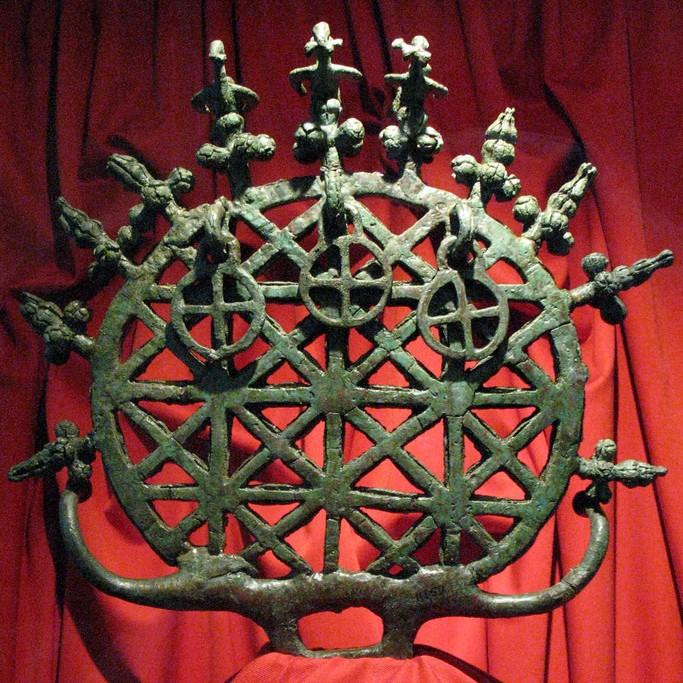
Hittite Sun Disc
The Sun Throne is a symbolic ritual object associated with solar and cosmic symbolism, particularly prominent among the ancient Anatolian civilizations of the Hattians and Hittites. Typically crafted from bronze, these objects were used in religious ceremonies and often designed in the form of a symbol carried atop a bull’s horn. Sun Thrones are regarded as an essential component of the belief systems of early Anatolian peoples, who sanctified natural phenomena and expressed them through symboli
EN
Emine Erdal
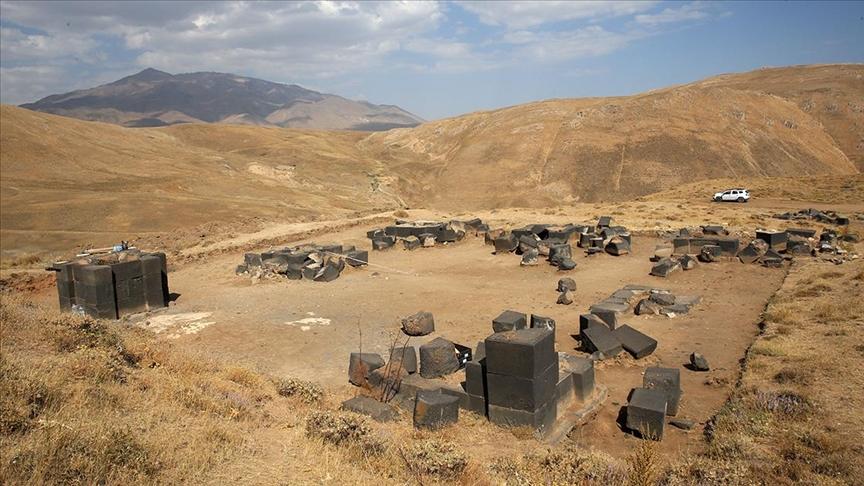
Kef Castle
Kef Kalesi is a historical fortress located near the district of Adilcevaz in Bitlis province, on the southern slopes of Mount Süphan, commanding a strategic position over the Van Lake basin. Situated at an elevation of 2300 meters above sea level, the fortress occupies a dominant location overlooking Van Lake and controls the critical route between Erciş and Bitlis. Due to its natural topography, the eastern, western and southern sides consist of steep and sheer cliffs, making access from these
EN
Aleyna Bozarslan
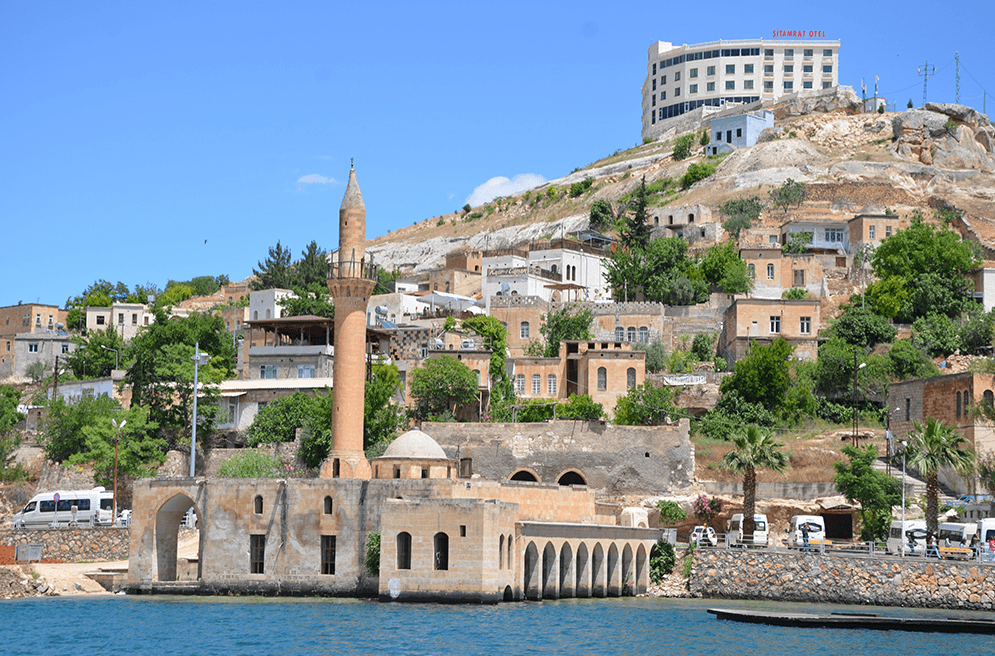
Halfeti (District)
Halfeti is a district in southeastern Anatolia region of Türkiye,隶属于 Şanlıurfa province, known for its historical and natural richness. Located on the eastern bank of the Euphrates River, Halfeti has become an important tourist destination due to its geographical position and cultural heritage. Following the completion of the Birecik Dam in 2000, a large portion of the district was submerged under water, leading to significant changes in the region’s settlement patterns and economic structure. A
EN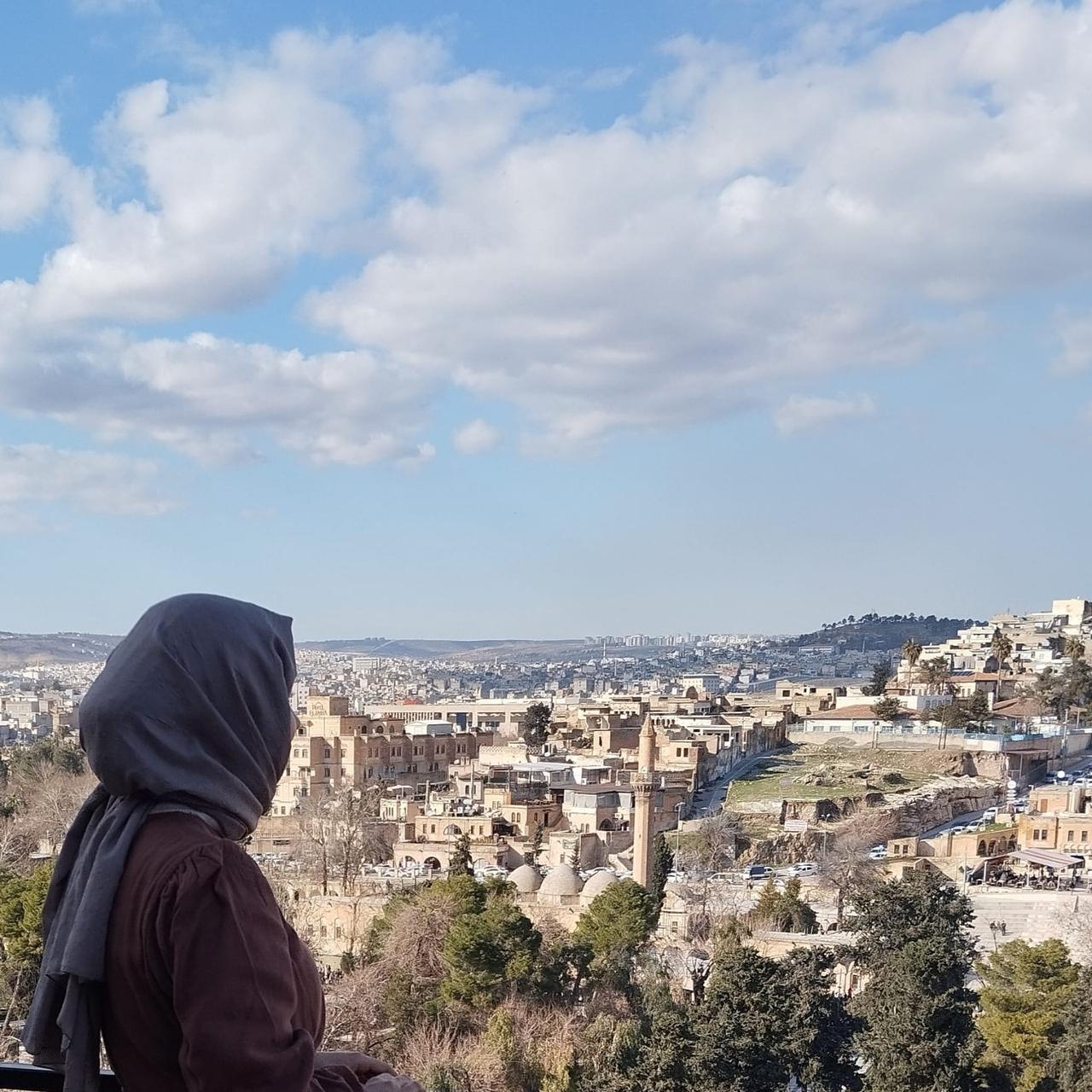
Sevgi Kıraç
Aksaray Museum
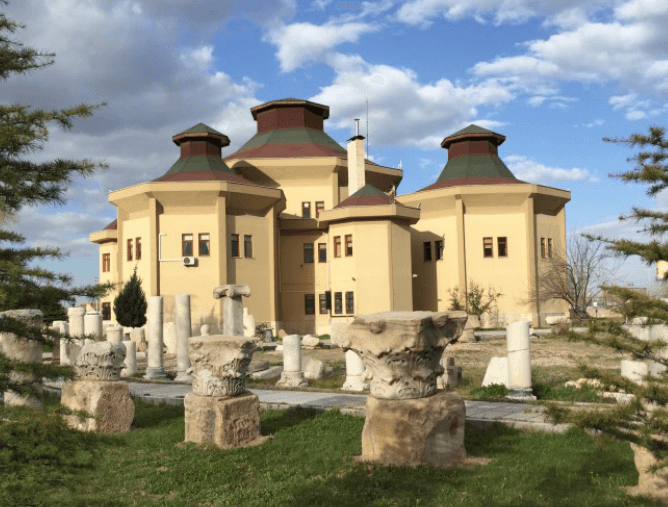
Aksaray Museum is a cultural institution located in the city center of Aksaray, often described as the gateway to Cappadocia in Türkiye’s Central Anatolia Region, shedding light on the thousands of years of history of Anatolian civilizations. The museum was first established in 1969 within the historic Zinciriye Medresesi, a structure dating to the Karamanoğlu Beylik period. It was relocated to a modern building in 2006 and reopened to the public in 2014 with a new chronological exhibition layou
EN
Sıla Ayas
Museum of Anatolian Civilizations
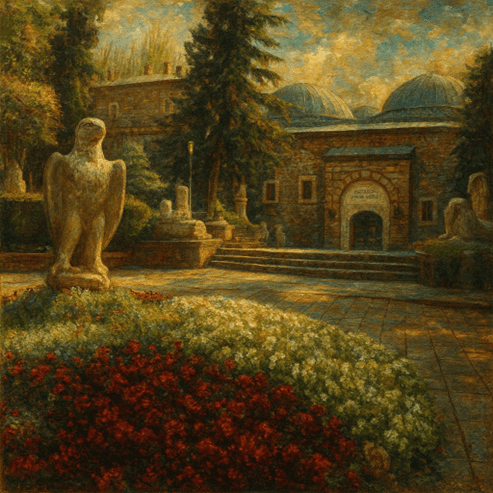
Where is the Museum of Anatolian Civilizations? The Museum of Anatolian Civilizations is located in the Ulus district of Ankara, southeast of the outer walls of the historic Ankara Castle. The museum was created through the restoration of two Ottoman-era structures previously used for different purposes: the Mahmut Paşa Bedesteni and the Kurşunlu Han. Following a long-term renovation initiative undertaken at the request of Atatürk to display artifacts collected from all corners of Anatolia, the
EN
Hikmet Can Urhan
Niğde Museum
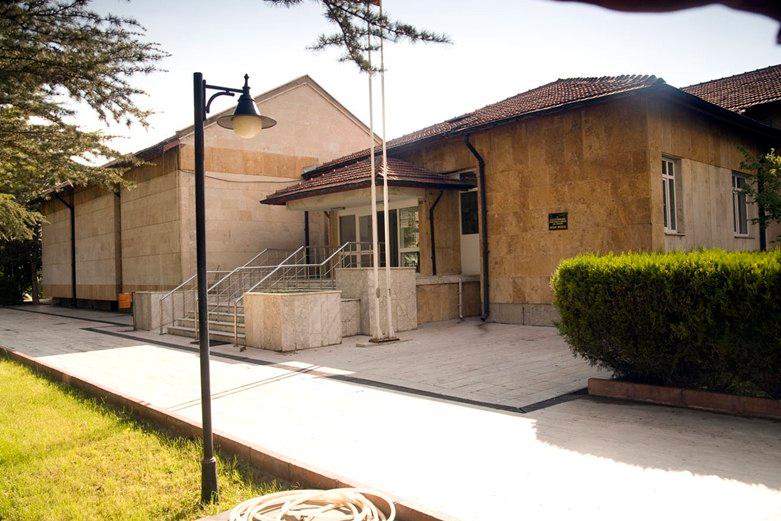
Niğde Museum is one of the institutions that preserve, display, and study the historical and cultural heritage of the Central Anatolia Region. Niğde Province has witnessed continuous settlement from the Paleolithic Age to the present and bears traces of many civilizations. Museum activities are essential for protecting, promoting, and transmitting the rich cultural heritage formed over this long historical process to future generations. Within this context, Niğde Museum has become one of the ins
EN
Meltem Saraç
Hittite Sun Disc
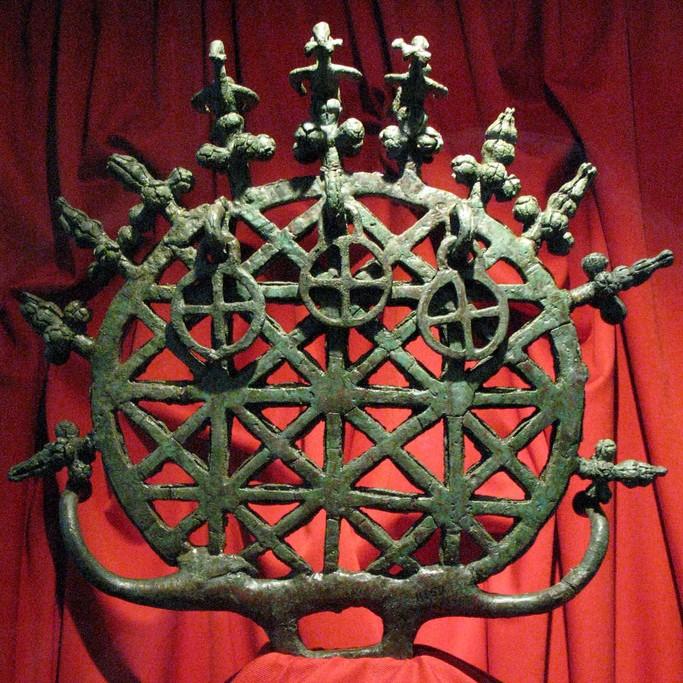
Güneş kursu is a symbolic ritual object found among the ancient Anatolian civilizations, particularly in the Hatti and Hittite societies, representing the sun and the cosmos. Typically made of bronze, these objects were used in religious ceremonies and often designed in the shape of a symbol carried atop a bull’s horn. Sun disks are regarded as an essential component of the belief systems of early Anatolian peoples, who sanctified natural phenomena and rendered them symbolic. Hitit Güneş Kursu H
EN
Emine Erdal