

`aestheticunderstanding` Related Article Results
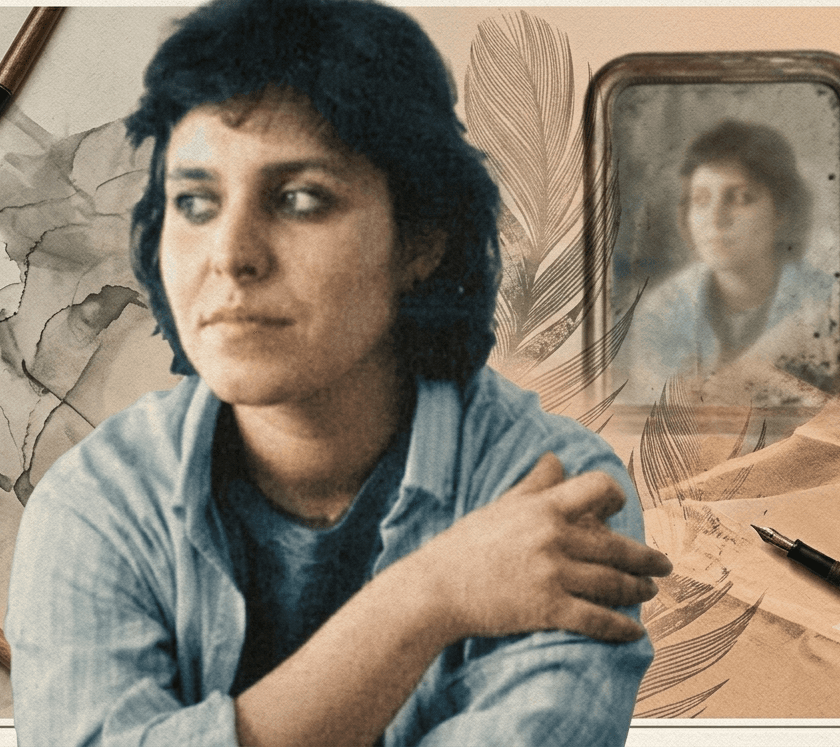
Nilgün Marmara in the Backyard of the Earth
Human beings occupy in the universe a space equal to the volume of their own emptiness. But some spirits fill that emptiness with such a sharp, unyielding seepage that even the silence left behind becomes a roaring river. Nilgün Marmara was one of those delicate and unyielding voices who treated this planet as a two-step lodging and watched its backyards early on, choosing departure as an act of will to preserve her own truth. Her poetry is a spiritual journey that wanders at the limits of endur
EN
Nursena Şahin

The Journey of the Tulip in Turkish Culture
Cultural symbols are powerful indicators that reflect a society’s aesthetic understanding, historical experience, and way of perceiving the world. In this context, the tulip in Turk culture history is not merely an ornamental plant; it carries a multilayered world of meaning deeply interwoven with art, literature, belief, and daily life. For centuries, the tulip found its place across a wide spectrum—from gardens to poetry, from architecture to decorative arts—and gradually transcended its role
ENNursena Şahin
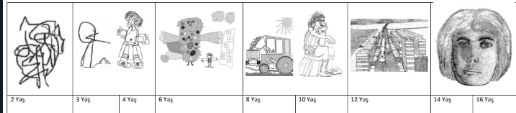
Children's Art
Art has been a powerful tool for human self-expression from the past to the present. For children, however, art is less an aesthetic activity and more an activity that develops their imagination and allows them to express their emotions freely. The importance of children’s art lies not only in its ability to reveal their creative potential but also in its contribution to their cognitive, emotional and social development. Children’s Art Children’s art consists of original activities. It is typica
EN
Rumeysa Kalkan

Barbie
Barbie is a globally recognized toy doll brand designed by American businesswoman Ruth Handler and launched in 1959 through the Mattel company. By shifting away from the traditional notion of dolls as representations of infants, Barbie centered an adult female figure and has exerted a defining influence on fashion popular culture and social gender roles since its debut. The brand has transcended its identity as merely a children’s toy to become one of the most significant cultural icons of the t
EN
Beyza Başar
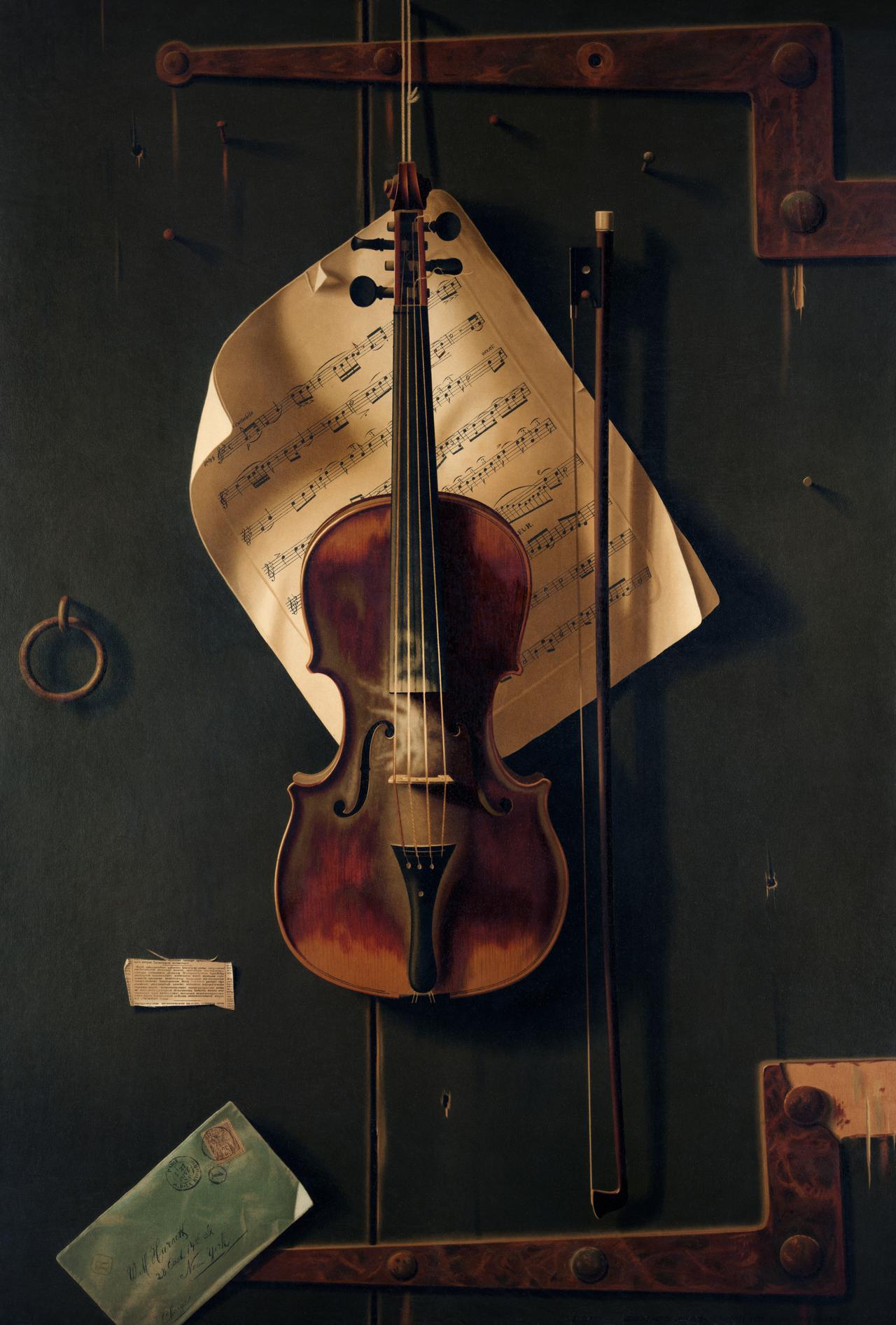
Trompe-l’œil
Trompe-l’œil is a representational technique in art history, particularly in painting and architecture, designed to create the illusion of three-dimensional reality on two-dimensional surfaces. The aim of this technique is to temporarily dissolve the distinction between form and content, representation and reality, by inducing in the viewer the illusion that the depicted object or space is real. Technically, trompe-l’œil is achieved through the use of perspective, light and shadow, and depth eff
EN
Nazlı Kemerkaya
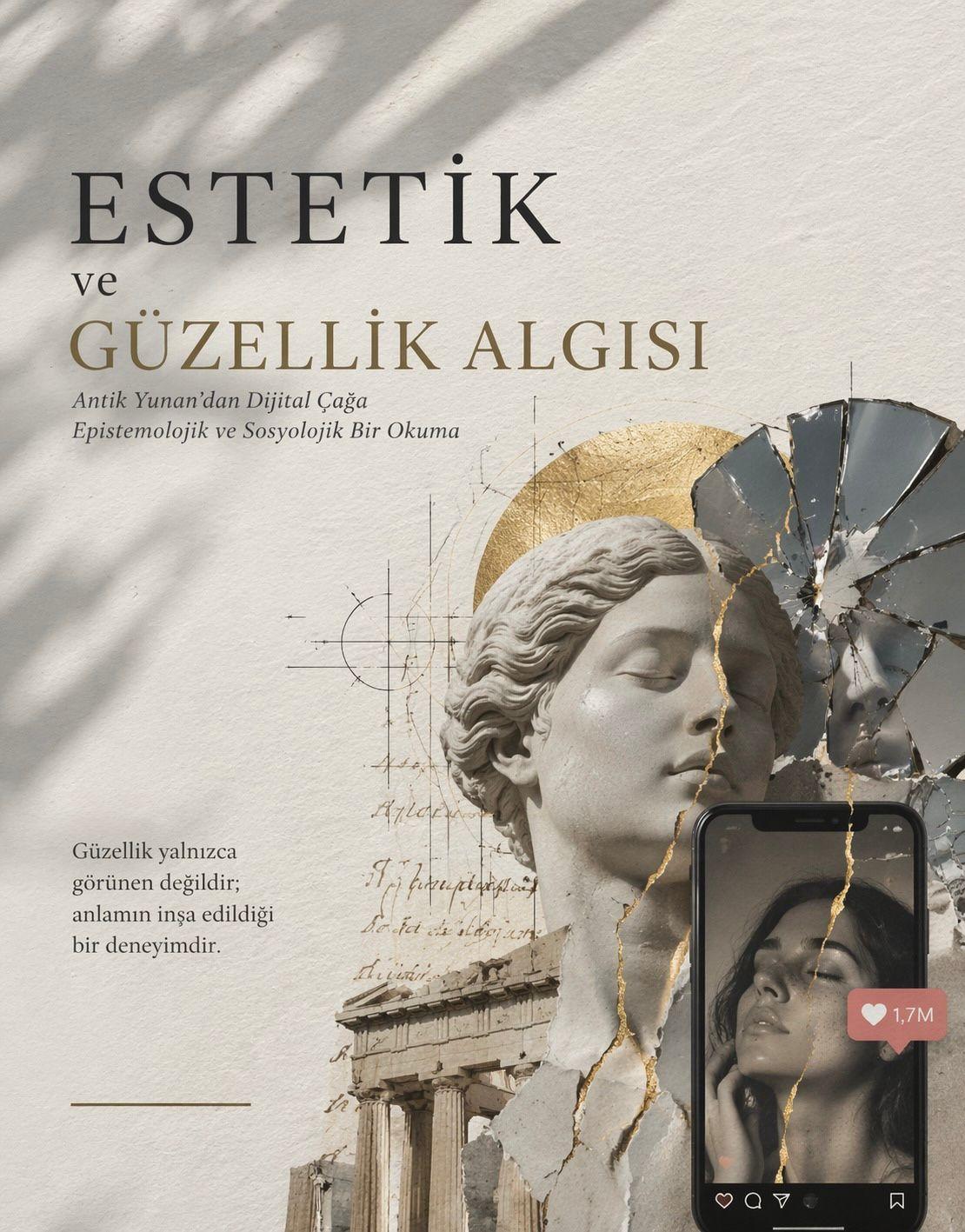
Aesthetics and Perception of Beauty: An Epistemological and Sociological Reading from Ancient Greece to the Digital Age
The concept of beauty, as one of the oldest and most contested categories in human thought, denotes not merely a domain of aesthetic judgment but a multidimensional universe of meaning encompassing ontological, epistemological and sociological dimensions. Ancient Greek thought to today’s digital society, aesthetic experience has evolved from being merely a sensory phenomenon of pleasure to becoming a foundational component of the individual’s relationship with truth, society and their own subjec
EN
İrem Naz Acar