


This article was automatically translated from the original Turkish version.
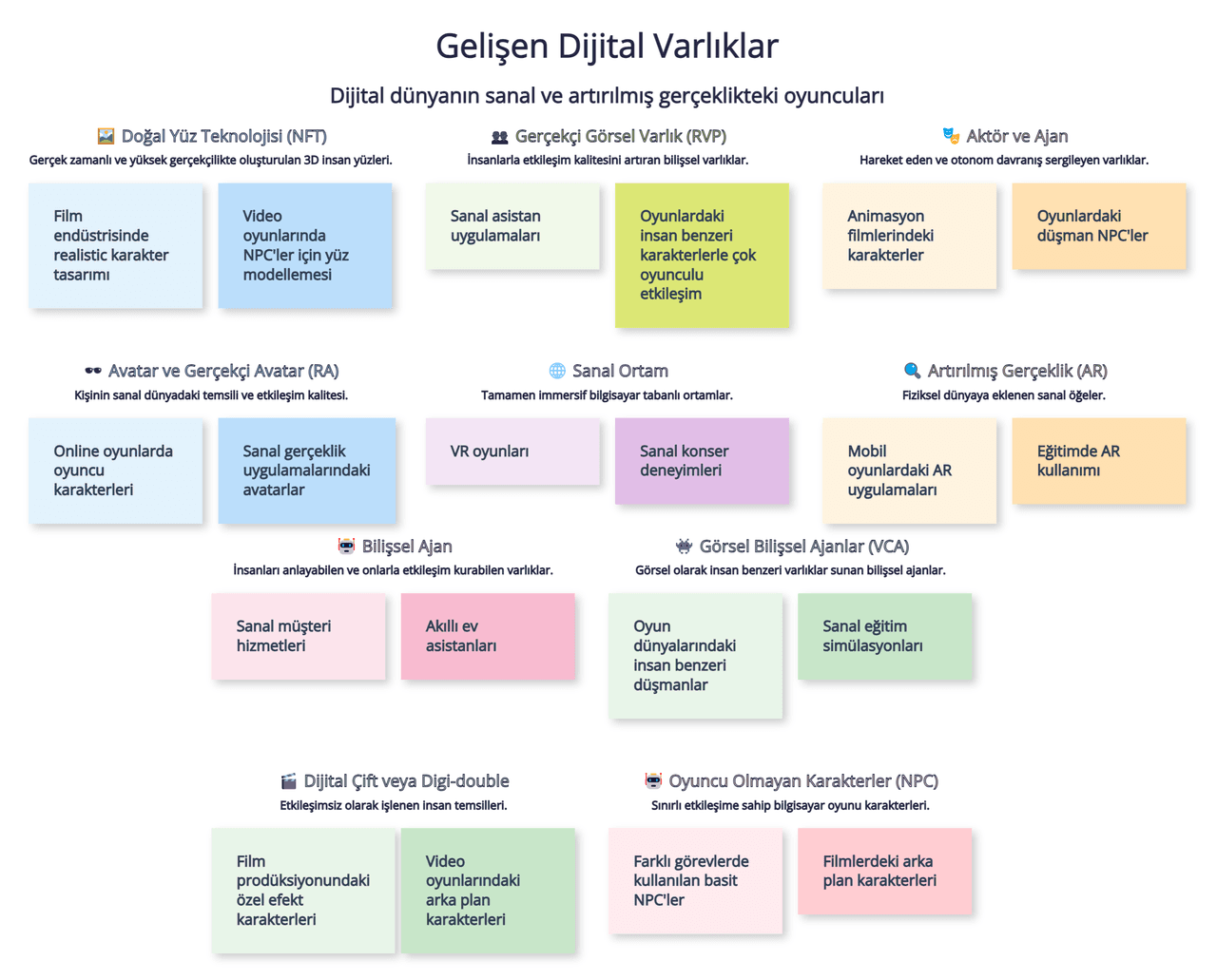
Virtual humans【1】 , are AI-supported digital entities defined by researchers as virtual agents that perform various functions in human-computer interaction. Due to their competencies in education, communication, reasoning, and adaptability, virtual humans are expected to take on more complex roles in the future.
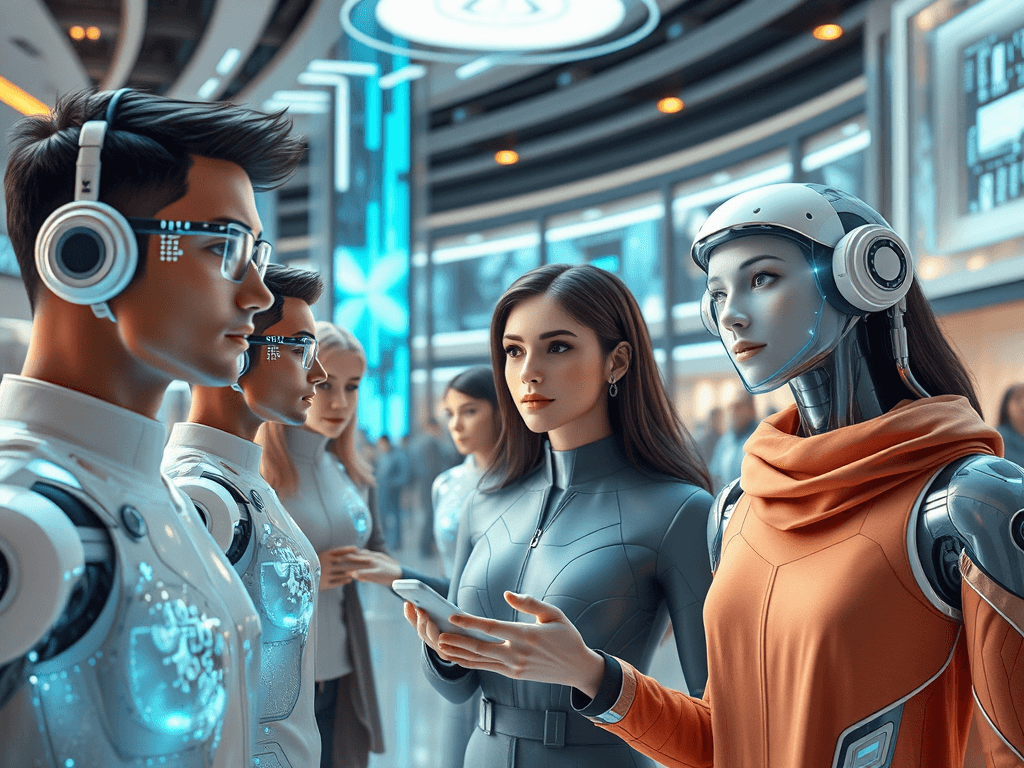
Image: Virtual Humans (generated with AI)
To become more advanced and human-like, virtual humans are expected to possess certain characteristics.
Virtual humans are designed with human-like appearances and observable behaviors, enabling them to interact with people in a more natural and effective manner.
They can possess cognitive components that enable decision-making and behavior control, allowing them to engage in human-like activities.
Thanks to natural language processing techniques, they can hold fluent conversations with humans and follow the context of dialogue.
Their ability to express emotions and respond to emotional cues enables humans to form deeper connections with these virtual entities.
Virtual humans are expected to have a personality that allows them to behave, feel, and think in unique and individualized ways. However, current technology does not yet support such a feature.
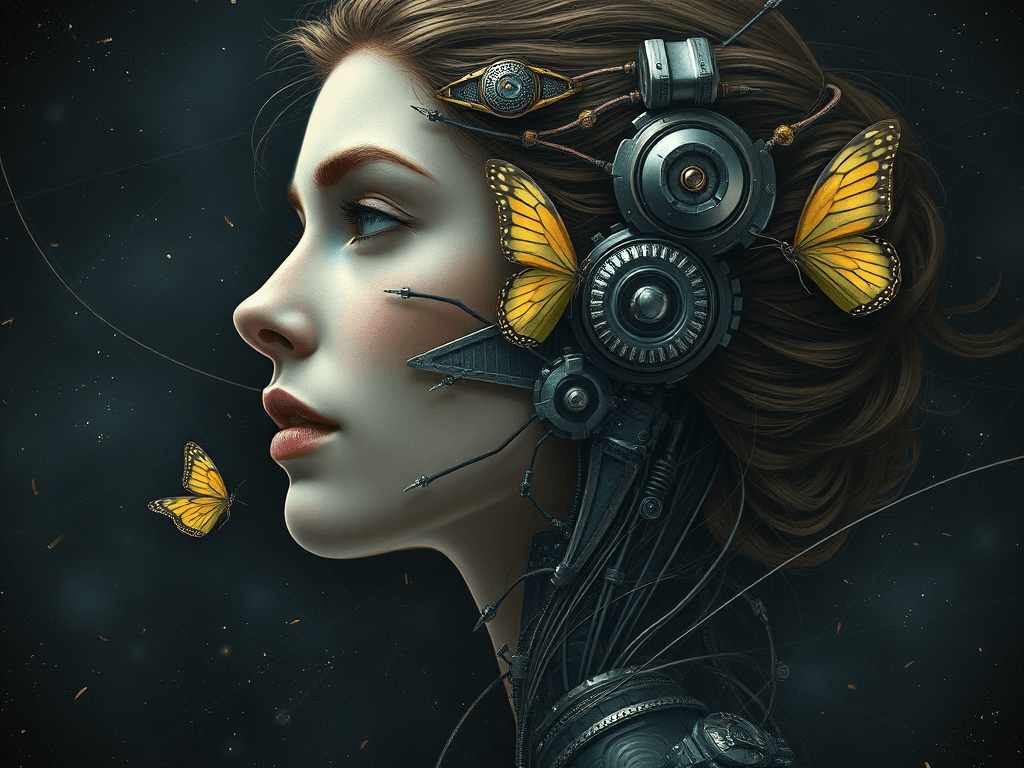
Image: Virtual Humans (generated with AI)
Virtual humans can accept inputs and make logical decisions based on them, demonstrating human-like performance in problem-solving processes. They are also highly successful in learning to cope with new situations, continuing their development, and adapting to changing conditions.
Independent movement and goal achievement are among the capabilities they are expected to possess, along with self-awareness and internal narrative.
With the ability to generate creative solutions and imagine scenarios, they can adapt to complex and unpredictable situations.
Assigning emotions to virtual humans is an important attribute because:
In popular culture, the expression of emotions and responses to them are regarded as evidence of humanity. The absence of emotion is often perceived as a sign of a problematic or psychotic personality.
The ability to express emotions and respond to them fosters more sincere and heartfelt interactions with people.
When a virtual human expresses emotion, it can trigger a genuine emotional response in a real human. Just as artificial emotions portrayed in films or theater can evoke real emotional effects, the emotional responses of virtual humans can produce authentic emotional impacts on people.
The Turing Test【2】 is applied as a method to evaluate a chatbot’s ability to converse in natural language. A machine that passes the test is considered to exhibit human-like intelligence. However, possessing only natural language proficiency is insufficient to qualify as a true virtual human. To be genuinely considered a virtual human, one must possess a significant portion of the attributes outlined above.
The evolution of virtual humans is making them increasingly functional through advances in artificial intelligence and human-computer interaction. In the future, these human-like 'entities' are expected to assume more complex roles and actively participate in various aspects of human life. This technological transformation is anticipated to equip virtual intelligences with human-like cognitive and emotional capabilities, transforming them from mere digital assistants into advanced virtual entities.
"Virtual Humans." Encyclopaedia Britannica. Accessedhttps://www.britannica.com/search?query=virtual+humans.
Aykaç, Bahar, and Cesur, Sevim. "Sanal gerçeklik çalışmalarının sosyal psikoloji alanında kullanımına yönelik bir derleme." *Nesne* 11, no. 28 (2023): 268-286.https://doi.org/10.7816/nesne-11-28-06
Burden, David, and Savin-Baden, Maggi. Virtual Humans: Today and Tomorrow. 2013.
Seymour, Mike, Riemer, Kai, and Kay, Judy. "Actors, Avatars and Agents: Potentials and Implications of Natural Face Technology for the Creation of Realistic Visual Presence." *Computers in Industry* 53, no. 2 (2018): 350-356.https://doi.org/10.1016/j.cie.2007.06.027
[1]
Bu varlıklar, doğal dil işleme, makine öğrenimi ve bilgisayarlı görü gibi teknolojilerle donatılarak eğitim, müşteri hizmetleri, sağlık, eğlence ve içerik üretimi gibi alanlarda kullanılmaktadır. Sanal insanlar, insan benzeri iletişim yetenekleri ve adaptasyon kabiliyetleri sayesinde etkileşimde bulundukları bireylere daha kişiselleştirilmiş ve gerçekçi deneyimler sunmayı amaçlamaktadır (Aykaç (2023).
[2]
Turing Testi, 1950 yılında ünlü bilgisayar bilimci Alan Turing tarafından önerilen bir testtir. Bu test, bir makinelerin insan benzeri zeka sergileyip sergilemediğini ölçmeyi amaçlar. Testin temelinde, bir insan hakem ile bir makine ve bir insan arasında yazılı bir sohbet gerçekleşir. Eğer hakem, makine ile insan arasındaki farkı ayırt edemezse, makine "insan benzeri zeka" göstermiş sayılır. Turing Testi, yapay zekâ alanında hala önemli bir referans noktasıdır ve makinelerin düşünme ve karar verme yeteneklerini değerlendirmek için kullanılır (Semour (2018))

Attributes Assigned to Virtual Humans
Assigning Emotions to Virtual Humans
The Turing Test and Virtual Humans
Future Perspectives