

`emotional-intelligence` Related Article Results
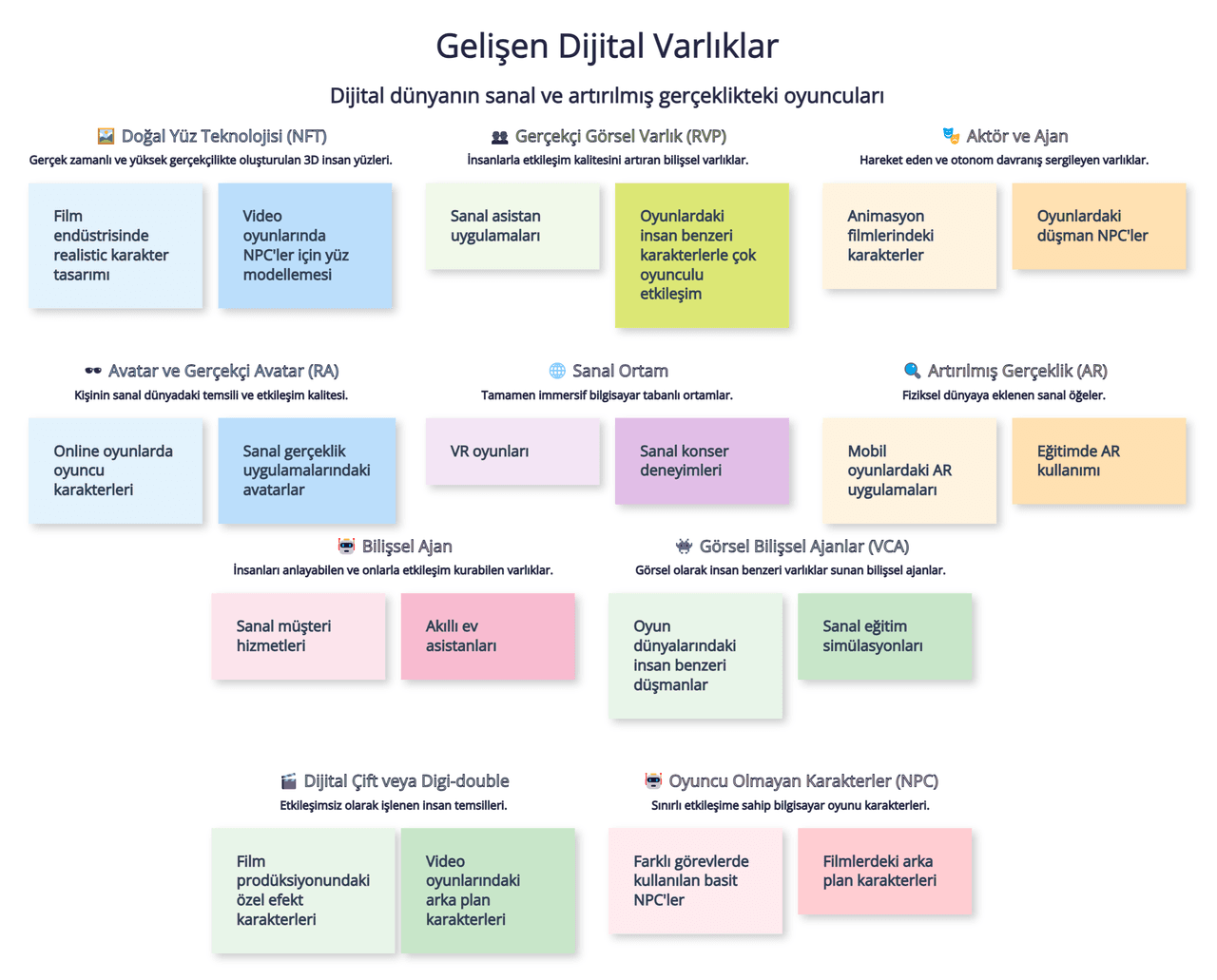
Virtual Humans
Virtual humansThese entities are equipped with technologies such as natural language processing, machine learning, and computer vision and are used in fields such as education, customer service, healthcare, entertainment, and content creation. Virtual humans aim to provide more personalized and realistic experiences to individuals they interact with, thanks to their human-like communication abilities and adaptability (Aykaç (2023). ">【1】 are entities supported by artificial intelligence and a
EN
Oksana Gülünay
 Th
ThThe Holistic Relationship Among Self-Esteem, Decision-Making, and Problem-Solving Skills
Self-esteem is a fundamental psychological construct related to an individual’s perception of themselves as valuable, capable, and worthy of respect. According to the Turkish Language Association, self-esteem means “the respect and intrinsic value a person feels toward themselves.” In psychological literature, self-esteem is defined as an individual’s overall evaluation of themselves and plays a decisive role in self-perception, social relationships, decision-making behaviors, and psychological
EN
Ayça Uçar
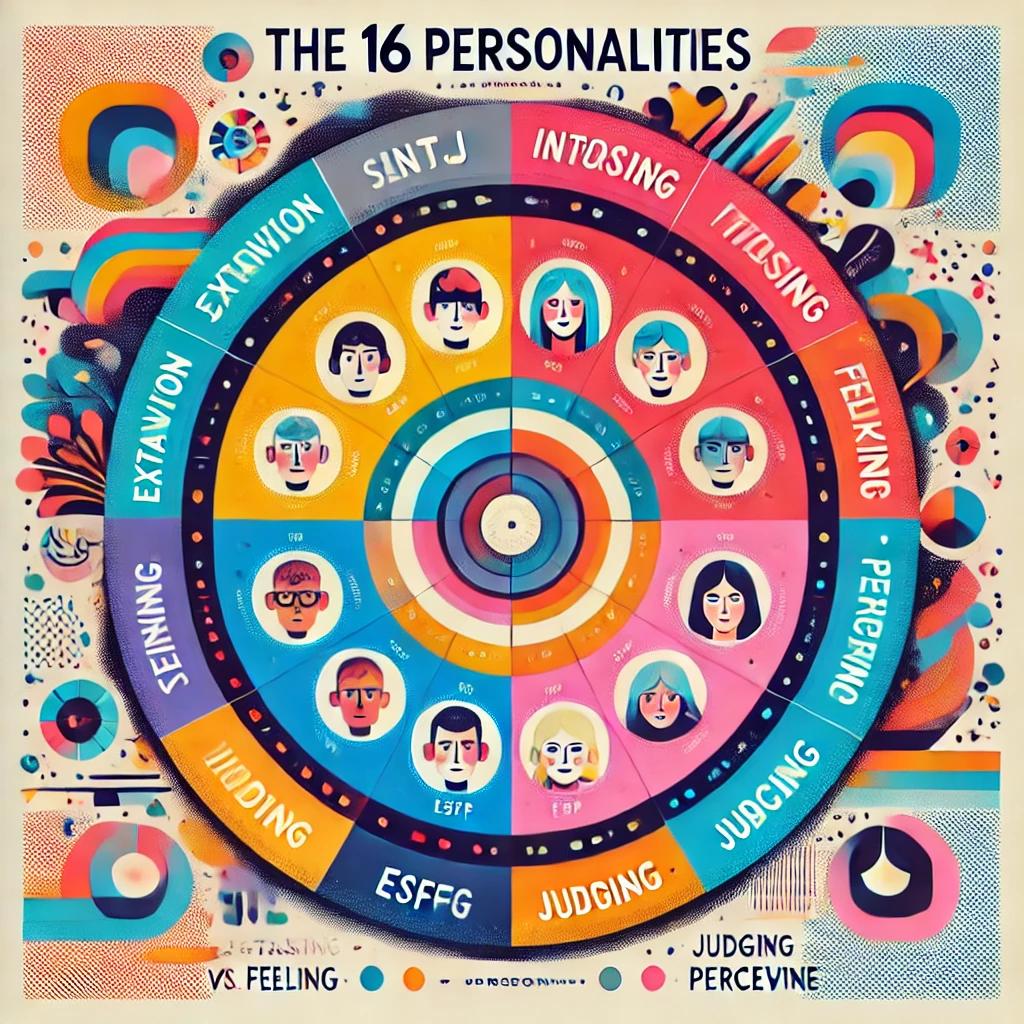
Myers-Briggs Type Indicator (MBTI)
The Myers-Briggs Type Indicator (MBTI) is a personality inventory designed to understand individuals' psychological tendencies. Developed by Katharine Cook Briggs and Isabel Briggs Myers, this test is based on Carl Jung’s theory of psychological types. The MBTI evaluates personality structures across four fundamental dimensions to generate 16 distinct personality types. History and Development The foundations of the MBTI are rooted in the 1921 work Psychologische Typen (Psychological Types) by S
EN
Kübra Cin
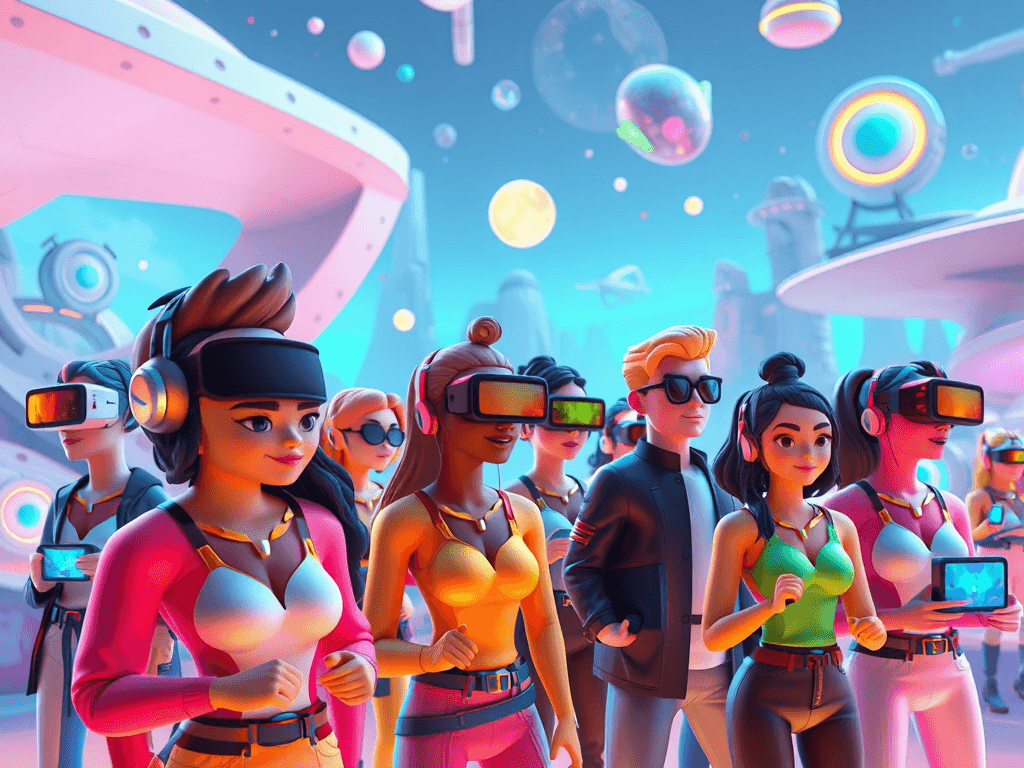
Avatar Virtual Humans
AvatarAn avatar is a digital representation of a user in a virtual world. It is typically designed as a 3D model or 2D image and enables the user to interact within digital environments. Avatars allow users to represent themselves in online games, virtual reality applications, social media platforms and other digital spaces. Avatars can be customized according to users personal preferences through visual modifications, movements and sounds. Additionally, avatars can be made more realistic and in
EN
Oksana Gülünay
ThThe Psychology of Emotions and Emotional Intelligence (Book)
Nevzat Tarhan’s book The Psychology of Emotions and Emotional Intelligence is a guide focused on understanding one’s inner world and managing emotions effectively on. Nevzat Tarhan presents the importance of emotional intelligence in our lives by blending scientific knowledge with real-life examples. The book aims to equip readers with skills beneficial for both personal development and human relationships awareness. The book centers on how individuals recognize and manage their emotions and the
EN
Ömer Said Aydın
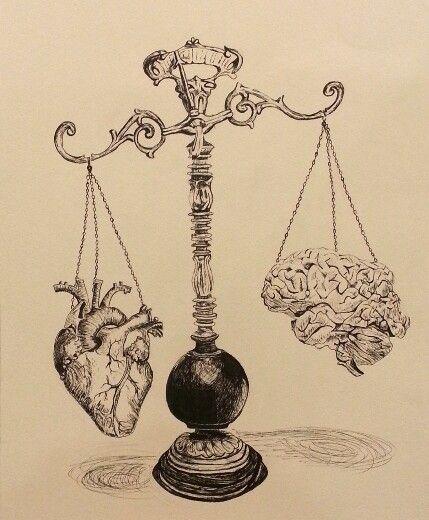
Empathy or Logic? Seeking Balance in Human Relationships
Human relationships are a complex art of balance, and the most common dilemma in this balance is choosing between logic and empathy. One seeks truth through cold calculations, while the other focuses on understanding others’ worlds guided by the heart. So, which should be more decisive in human relationships? The answer depends not only on what is “right” but also on the purpose and context of the relationship. The Role and Power of Logic Logic equips us with the ability to evaluate situations o
ENAyşe Sultan Şahinci
T3T3 Podcast | Discovering Emotional Intelligence - Eray Beceren
Emotional Intelligence of Leaders In this episode of the T3 Podcast, we welcome management consultant and educator Eray Beceren. Beceren examines emotional intelligence—a vital competency for leadership—from its historical roots to its modern components, exploring its developability and its relationship to leadership in all its dimensions. Definition and History of Emotional Intelligence Emotional intelligence (EQ) refers to a person’s ability to recognize and manage their own emotions and to un
EN
T3 Akademi
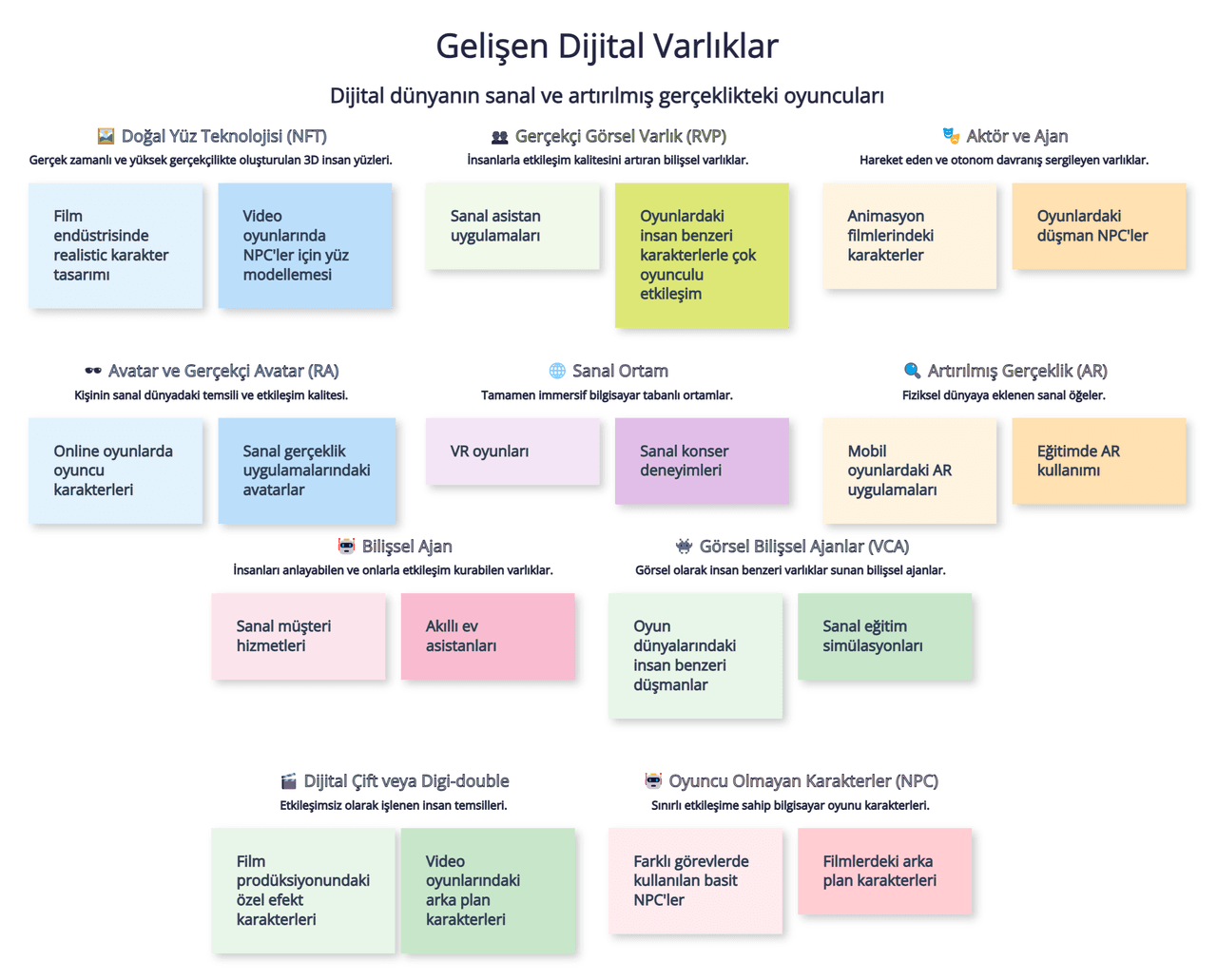
Virtual Humans
Virtual humansBu varlıklar, doğal dil işleme, makine öğrenimi ve bilgisayarlı görü gibi teknolojilerle donatılarak eğitim, müşteri hizmetleri, sağlık, eğlence ve içerik üretimi gibi alanlarda kullanılmaktadır. Sanal insanlar, insan benzeri iletişim yetenekleri ve adaptasyon kabiliyetleri sayesinde etkileşimde bulundukları bireylere daha kişiselleştirilmiş ve gerçekçi deneyimler sunmayı amaçlamaktadır (Aykaç (2023). ">【1】 , are AI-supported digital entities defined by researchers as virtual ag
ENOksana Gülünay
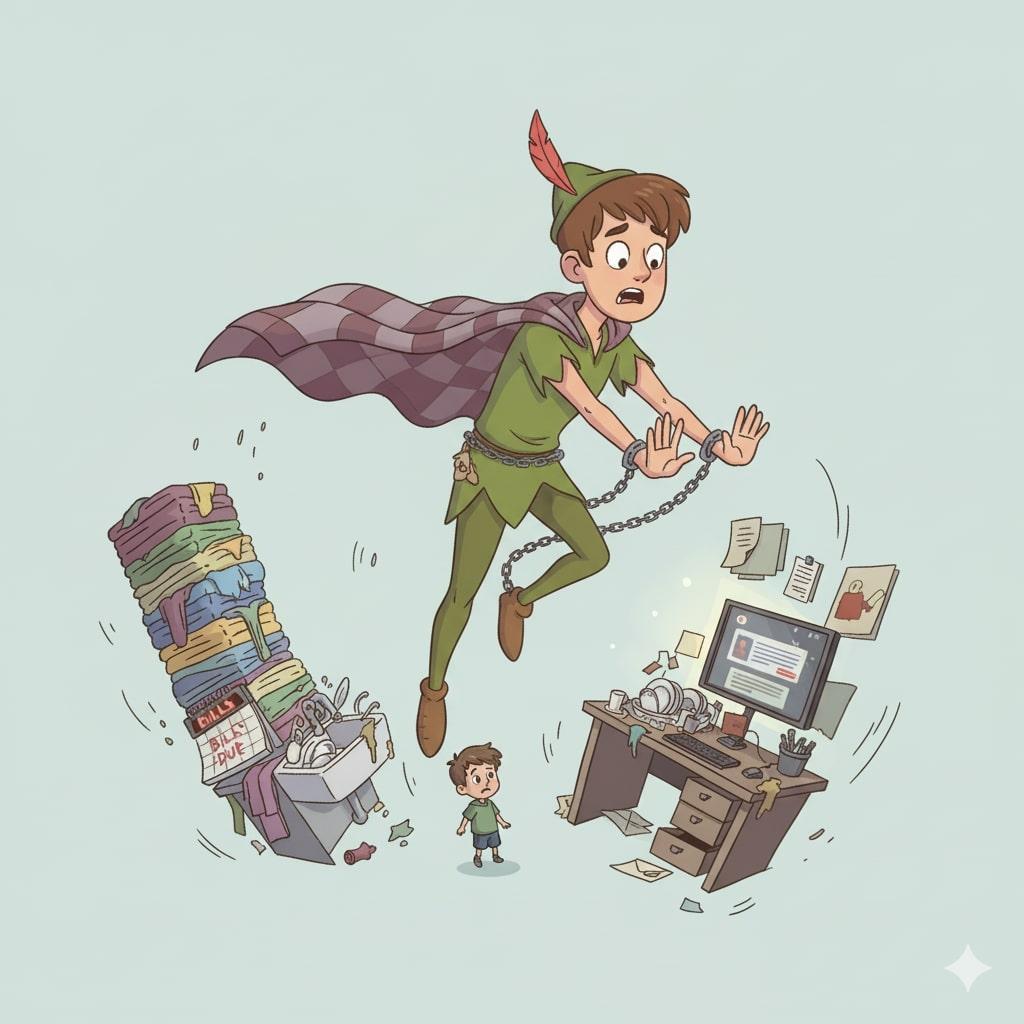
Peter Pan Syndrome
Peter Pan Syndrome (PPS) is a psychological concept used to describe individuals who have reached adulthood but are unable to confront the emotional and responsibility expectations associated with adult life. The term derives from Peter Pan, the fictional character created by author James M. Barrie in 1902 who never ages and rejects growing up. The syndrome refers to a mismatch between a person’s chronological age and their level of maturity. Kiley describes this condition as being trapped in a
EN
Nursena Şahin
Avatar Sanal İnsanlar
AvatarAvatar, sanal dünyada bir kullanıcının dijital temsilcisidir. Genellikle bir 3D model veya 2D resim olarak tasarlanır ve kullanıcının dijital ortamda etkileşimde bulunmasına olanak tanımaktadır. Avatarlar, kullanıcıların çevrimiçi oyunlar, sanal gerçeklik uygulamaları, sosyal medya platformları ve diğer dijital ortamlarda kendilerini temsil etmelerini sağlamaktadır. Avatarlar, görsel özelleştirmeler, hareketler ve sesler gibi unsurlarla kullanıcıların kişisel tercihlerine göre şekillendiri
TROksana Gülünay