badge icon

This article was automatically translated from the original Turkish version.

Article

Undersea Internet Cables

Quote

Digital age global internet connectivity is largely provided by fiber optic cables laid beneath the sea. Today, more than 1.4 million kilometers of ocean floor cables exist worldwide, carrying 99 percent of internet data traffic. From this perspective, submarine internet cables form the fundamental backbone of global civil and military communications, and fully understanding their structure is of critical importance.
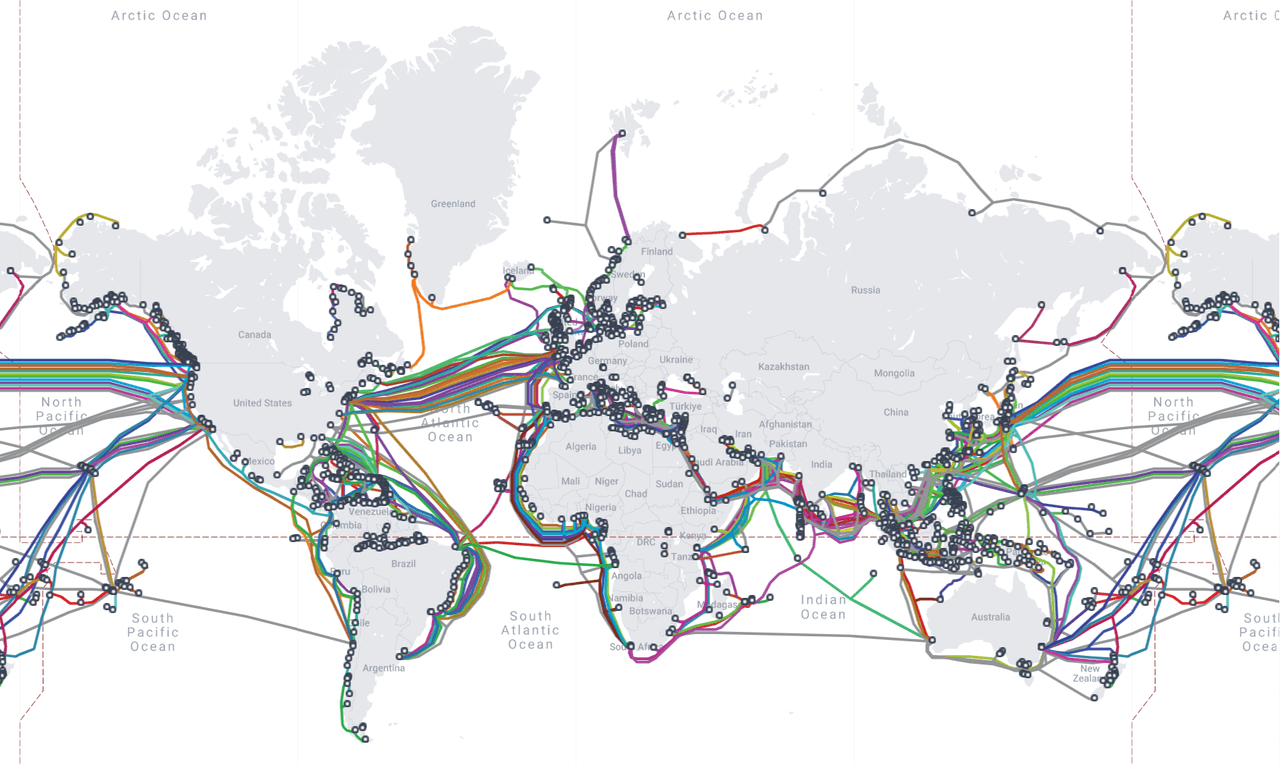

Submarine Internet Cables Map, Submarine Cable Map


Principle of Operation of Submarine Cables

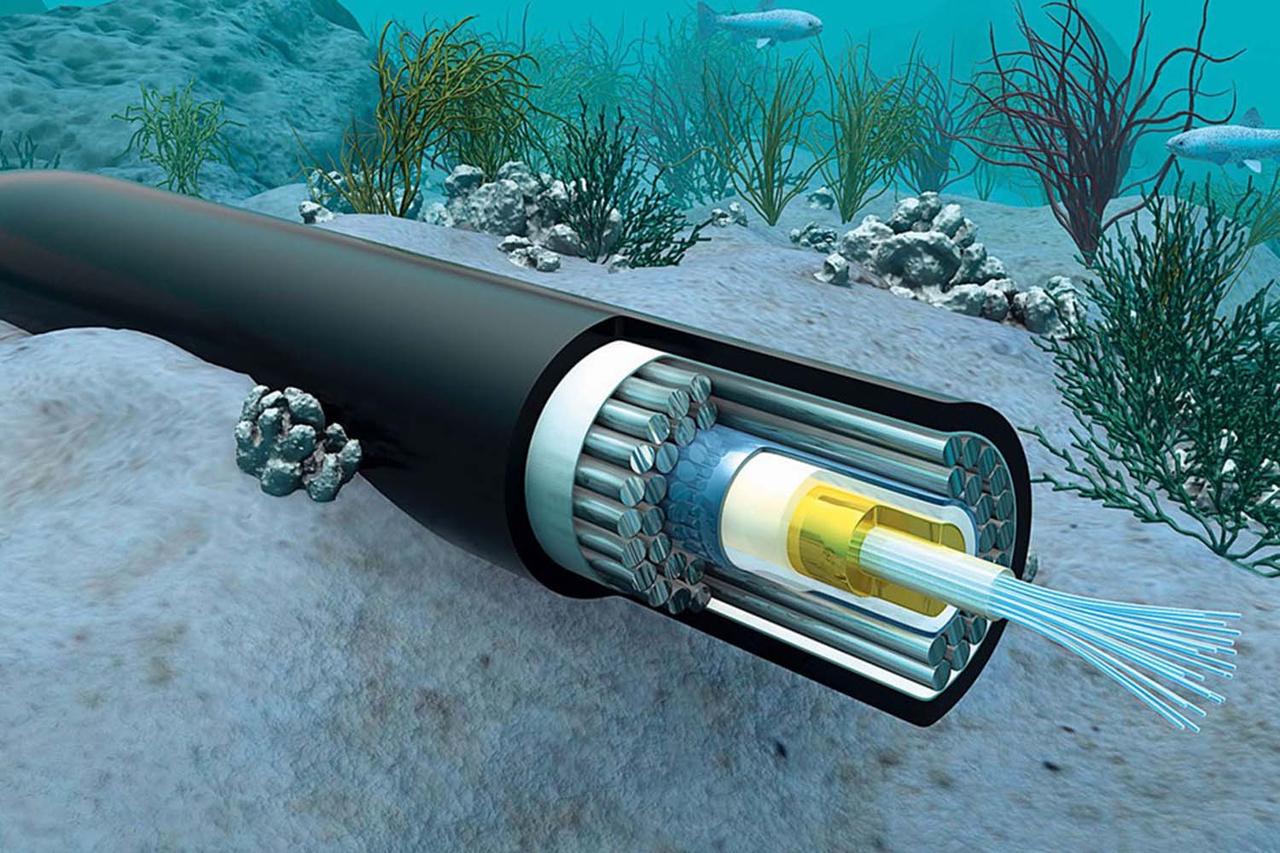
Submarine cables transmit data using fiber optic technology. Data sent as laser light from one end travels through thin glass fibers and is read by a receiver at the other end. The main components of submarine cables are:

  • Core fiber optic cable: Transmits data at the speed of light.
  • Insulation and waterproof coatings: Protect the cable from external environmental factors.
  • Reinforced armor and steel wires: Provide resistance against wear and breakage, especially in shallow waters.
  • Amplifiers (Repeaters): Placed at intervals of approximately 50 to 100 kilometers to prevent signal degradation over long distances.


Technical specifications:

  • Data Transfer Speed: Modern fiber optic submarine cables can transmit up to 100 Tbps.
  • Latency: Delays between continental connections can be kept below 60 ms.
  • Cable Lifespan: Designed to operate for an average of 25 years.


Structure of Submarine Cables, Navegalo


History of Submarine Cables

The history of submarine telecommunications cables dates back to 1858 with the first transatlantic telegraph line. Fiber optic technology began to be used from the 1980s onward.


Key events:
  • 1866: The first successful transatlantic telegraph cable was laid.
  • 1988: The first fiber optic transoceanic cable, TAT-8, was commissioned.
  • 2011 Japan Earthquake: Several submarine cables were damaged due to the tsunami, severely affecting Japan’s global internet access.
  • 2022 Fishing Vessel Accident: A ship’s anchor severed submarine cables off the coast of Taiwan, causing major internet outages worldwide.


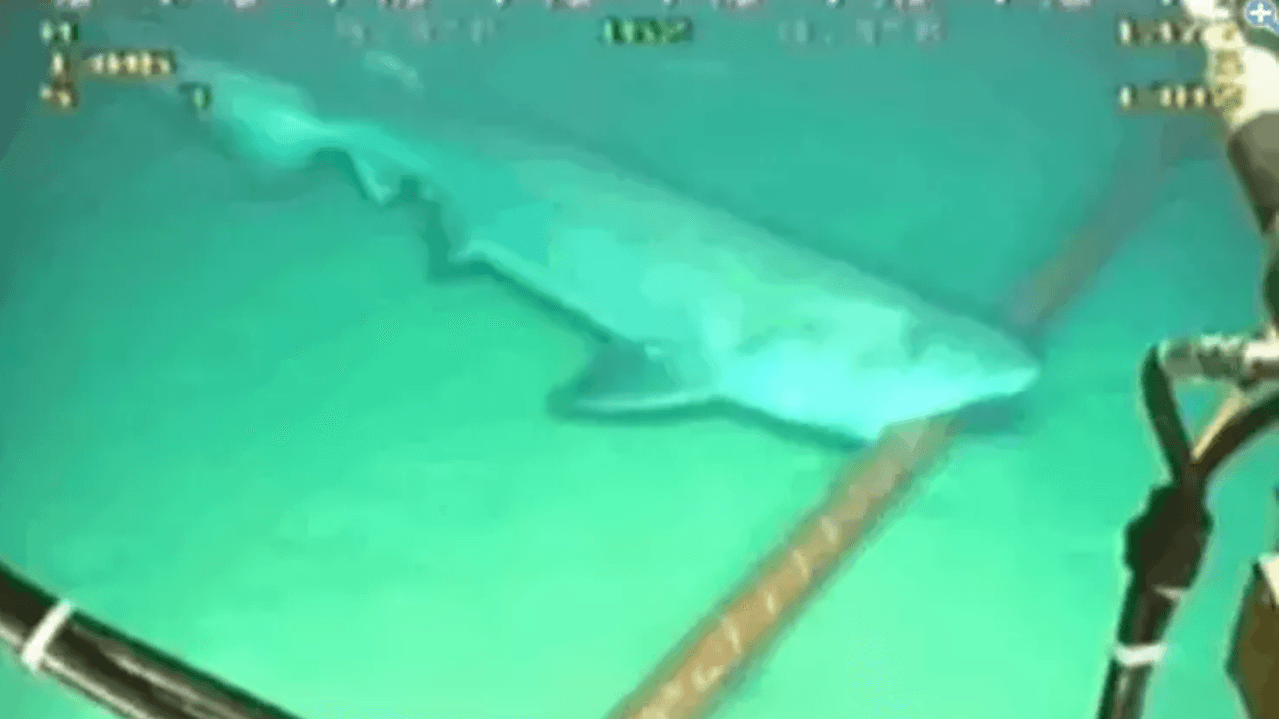
Sharks are biting Google’s submarine cables, Hürriyet

Türkiye and the Submarine Cable Network

Türkiye occupies a strategic position between Europe, Asia and the Middle East, making it a critical transit point.

Important submarine cables connected to Türkiye are:
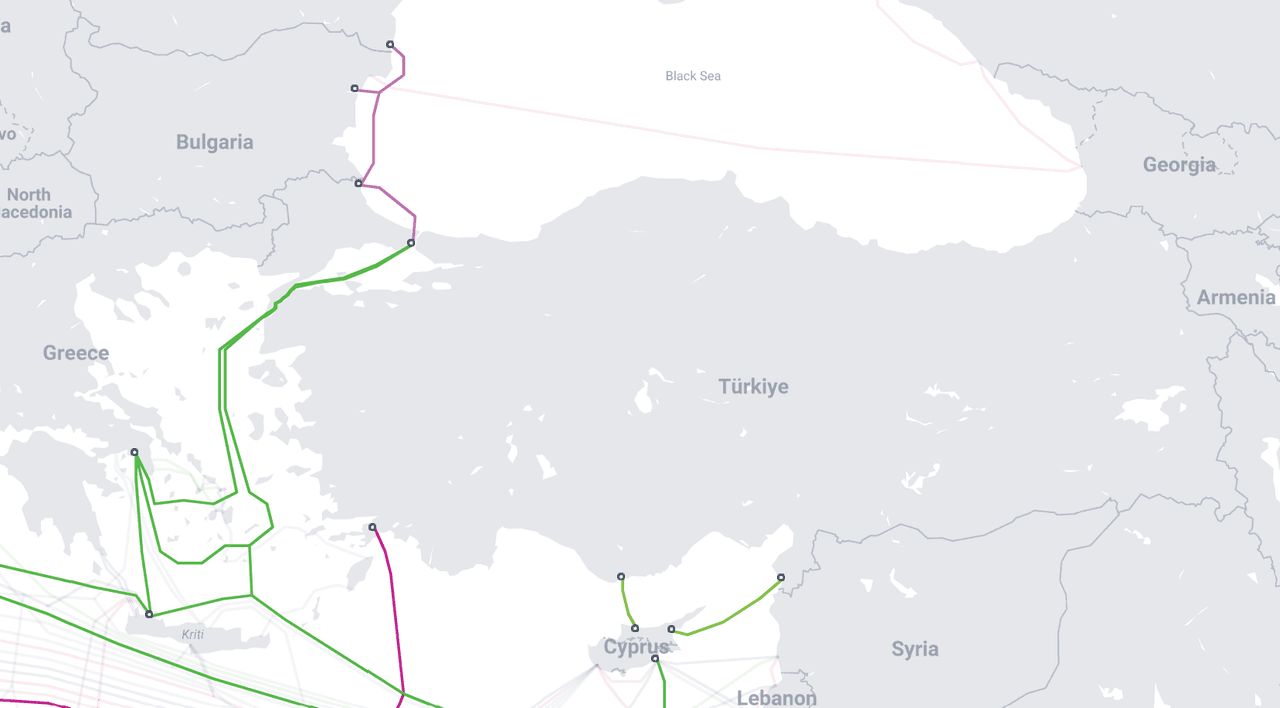
  • KAFOS: A system starting in Istanbul that connects Türkiye to Romania and Bulgaria via the Black Sea.
  • MedNautilus Submarine System: The largest Mediterranean submarine cable network, starting in Istanbul and connecting Türkiye to Italy, Greece, Israel and Cyprus.
  • SeaMeWe-5: This extensive cable system links Asia, Africa and Europe, connecting to Türkiye via a cable originating from Marmaris in Muğla.
  • Turcyos-1: Connects Türkiye and Cyprus, starting from Bozyazı in Mersin and terminating in Girne, Cyprus.
  • Turcyos-2: Connects Türkiye and Cyprus, starting from Samandağ in Hatay and terminating in İskele, Cyprus.


Türkiye Submarine Internet Cables Map, Submarine Cable Map


Significant Events in Türkiye

  • 2015 Istanbul-Bodrum Submarine Cable Outage: Damage to the MedNautilus cable caused major delays in Türkiye’s international internet traffic.
  • 2020 İzmir Earthquake: Physical damage occurred to some cables in the Aegean Sea, resulting in outages in certain regions.


Security Risks and Geopolitical Tensions

Submarine cables are at the center of geopolitical conflicts. For example, the technology rivalry between the USA and China has turned this critical infrastructure into a strategic target.


Threats:
  • Cyberattacks: Data traffic over cables can be intercepted or rerouted.
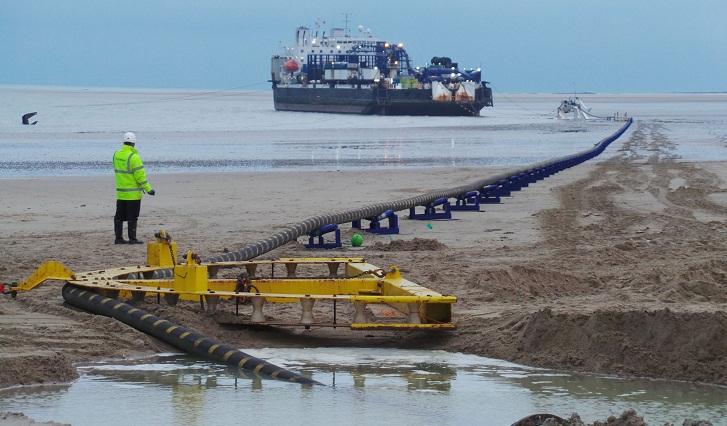
  • Physical disruptions: Cables may be damaged by fishing activities, ship anchors or natural disasters.
  • Military interventions: Some countries may target the submarine cable infrastructure of rival nations.


Maintenance of SeaMeWe-5 cables is underway, Dailysun


Future Expectations

Planned developments:

  • Cables reaching 1 Pbps speed: Ultra-high bandwidth investments planned for after 2025.
  • Quantum-secure data transmission: Integration of quantum technologies for encryption and data security.
  • Autonomous cable repair systems: Robots capable of repairing damaged cables without human intervention.

Bibliographies

Gazete Oksijen. (2023). *ABD-Çin Teknoloji Savaşı Okyanus Altına İndi: Dünyayı İnternete Bağlayan Okyanus Altı Kabloları Hedefte*. Accessed February 27, 2025.Accessed adresi.

TEİAŞ. (n.d.). *Submarine Power Transmission Cable*. Accessed February 27, 2025.Accessed adresi.

TeleGeography. (n.d.). *Submarine Cable Map*. Accessed February 27, 2025.Accessed adresi.

Author Information

Avatar
AuthorBülent DurusoyJuly 14, 2026 at 2:24 PM

Discussions

No Discussion Added Yet

Start discussion for "Undersea Internet Cables" article

View Discussions

Contents

  • Principle of Operation of Submarine Cables

  • History of Submarine Cables

  • Türkiye and the Submarine Cable Network

  • Significant Events in Türkiye

  • Security Risks and Geopolitical Tensions

  • Future Expectations