


This article was automatically translated from the original Turkish version.
+1 More
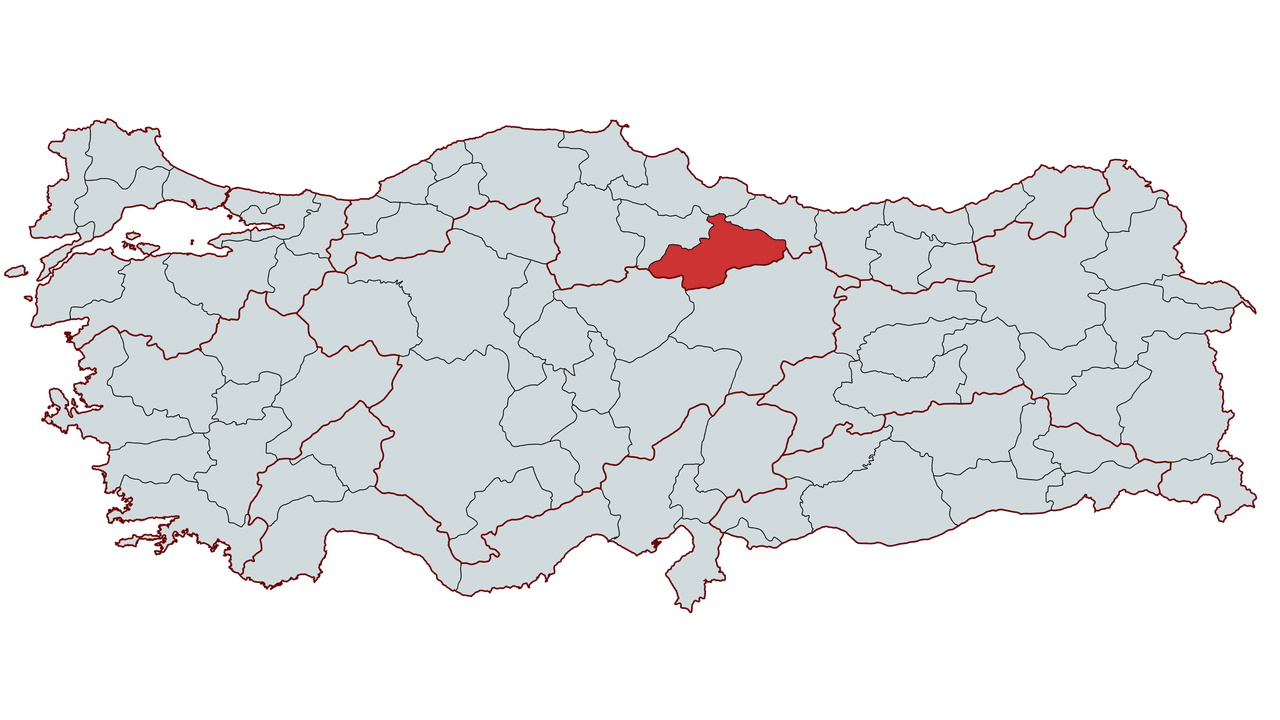
Tokat
Country | Türkiye | ||||||||
|---|---|---|---|---|---|---|---|---|---|
Region | Black Sea Region | ||||||||
Population | 612,674 (2024) | ||||||||
Area | 10,072 km² | ||||||||
Climate | Black Sea - Continental Transition Climate | ||||||||
Important Buildings and Natural Areas | Tokat Castle, Ballıca Cave, Comana Ancient City, Sulusaray Spas, Zile Castle, Sebastopolis Ancient City, Almus Dam, Niksar Çamiçi Plateau | ||||||||
Governor | Abdullah Köklü | ||||||||
Mayor | Mehmet Kemal Yazıcıoğlu | ||||||||
Area Code | 356 | ||||||||
License Plate Code | 60 | ||||||||
Tokat is a city located in the eastern interior of Türkiye’s Black Sea Region, with a history of hosting various civilizations. It covers an area of 10,072 km² and had a population of 612,674 as of 2024. Built on the fertile lands of the Yeşilırmak basin, Tokat has been an important center of trade, culture and science throughout history.
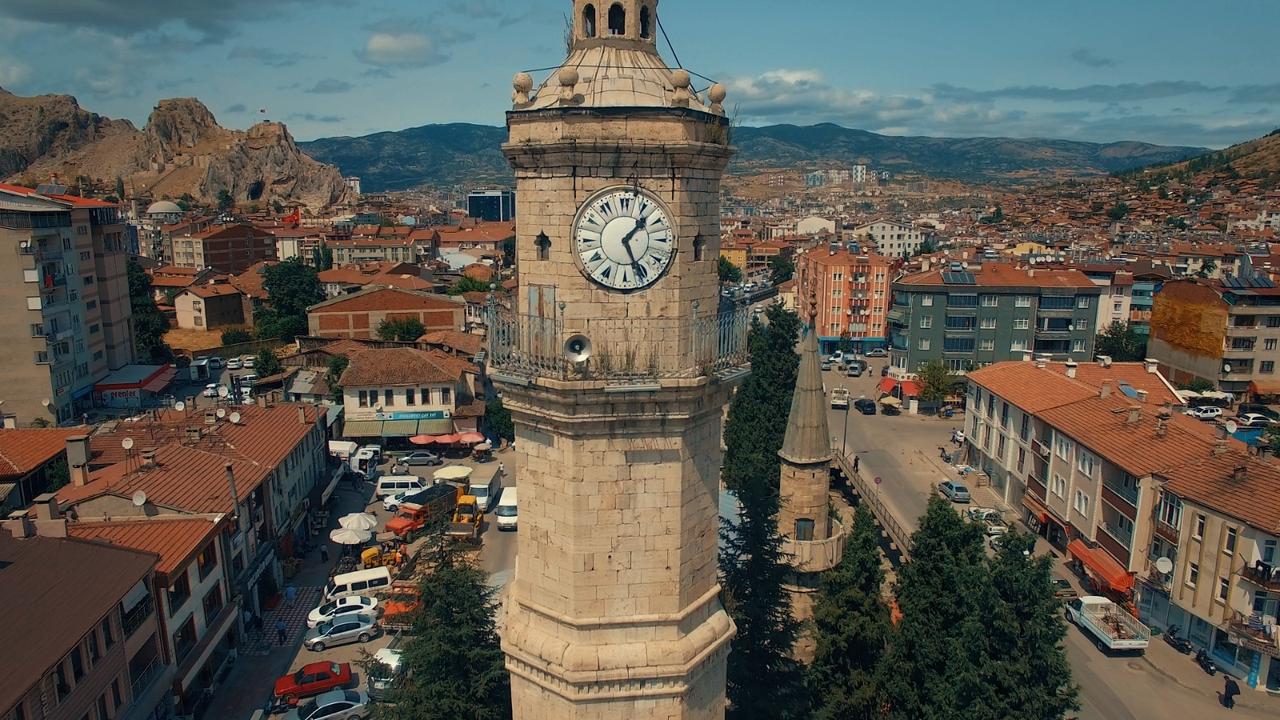
Tokat Clock Tower - Central Black Sea Development Agency
Tokat is one of the oldest settlement sites in Anatolia, with its history extending back to 5500 BCE. Throughout history it has served as a host to various civilizations and has been an important center due to its trade, cultural and strategic position. The region has been under the rule of many states including the Hittites, Phrygians, Persians, Romans, Byzantines, Danişmendids, Seljuks and Ottomans.
Archaeological findings in Tokat and its surroundings indicate that the region was inhabited since the Chalcolithic Age (5500–3500 BCE).
Tokat lies in a transition zone between the Black Sea and Central Anatolia Regions. It is bordered by Samsun to the north, Ordu to the northeast, Sivas to the south and southeast, Yozgat to the southwest and Amasya to the west. The city is situated on the Yeşilırmak Valley and is surrounded by elevations such as the Canik Mountains, Köse Mountains, Deveci Mountain and Yaylacık Mountain.
Tokat experiences influences from both the Black Sea and Central Anatolian climates. The northern areas have a mild, rainy Black Sea climate while the southern areas exhibit the continental climate typical of Central Anatolia. Summers are hot and dry, winters are cold and snowy. The annual average temperature is 12.8°C and annual precipitation ranges between 400 and 600 mm depending on the region.
Tokat is known for its fertile agricultural plains. Major plains include Kazova, Turhal Plain, Niksar Plain, Erbaa Plain and Artova Plain. The Canik Mountains rise in the north, the Köse Mountains in the east and the Deveci Mountains in the south.
The Yeşilırmak and Kelkit Çayı are the most important rivers in Tokat. The Çekerek, Tozanlı and Karakuş Çayları also play significant roles in the region’s irrigation system. Almus Dam and Zinav Lake are among its key water sources.
As of 2024, Tokat’s population is approximately 612,674. In recent years the population has been declining due to migration, particularly among the youth who move to large cities for economic reasons. Population density is higher in the urban center while rural areas show a declining trend.
Tokat’s economy is based on agriculture, animal husbandry, trade and industry. Major agricultural products include wheat, barley, maize, legumes, tobacco, sugar beet, sunflower and various vegetables and fruits. Tokat is also notable for its grape and walnut production.
In addition to large and small livestock farming, trout production and beekeeping are important livelihood sources. Almus Dam Lake is one of Turkey’s major trout production centers.
In the industry sector, factories operate in cigarette, flour, animal feed, dairy, textile, agricultural machinery, food processing and forest products.
Tokat has the character of an open-air museum due to its artifacts from various historical periods. Notable historical and cultural structures include:
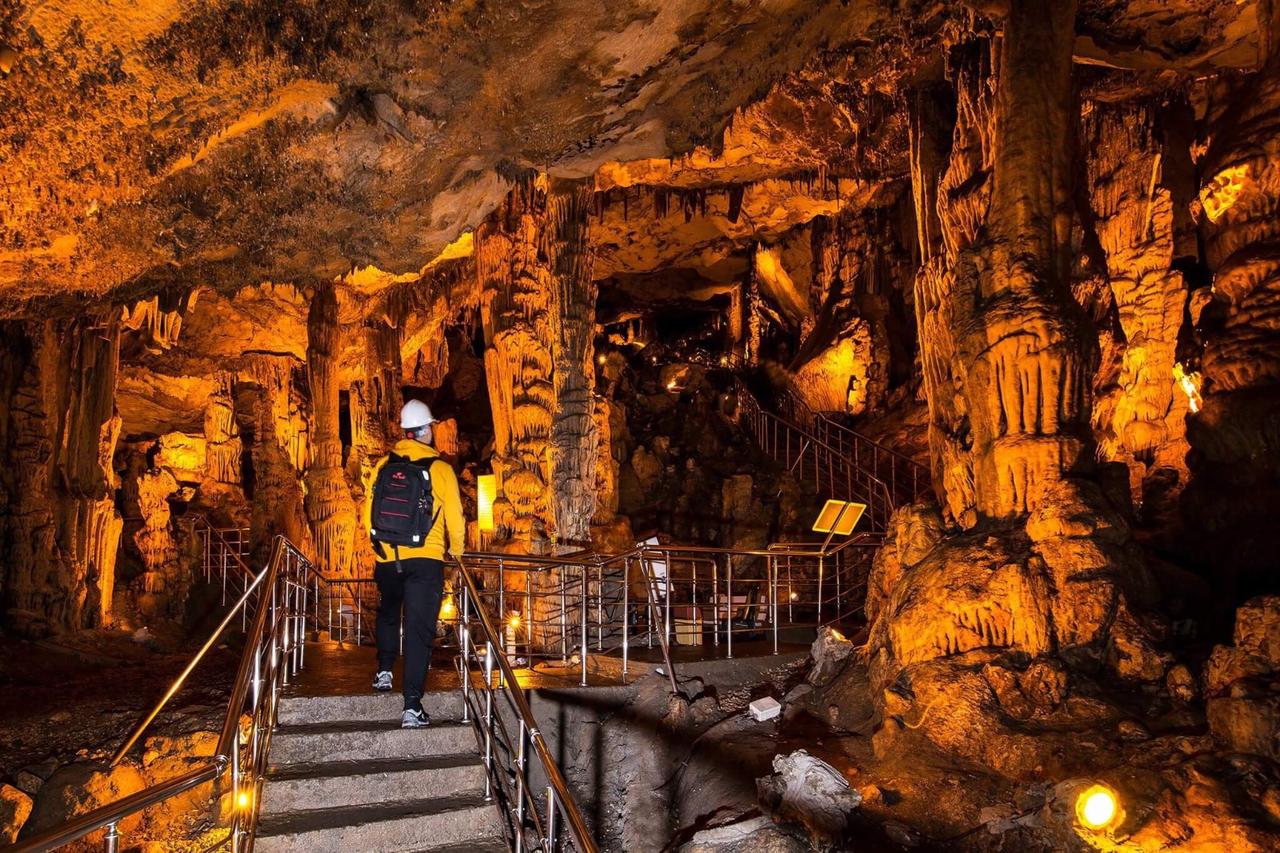
Ballıca Cave - Central Black Sea Development Agency
Tokat offers visitors a wide range of historical and natural attractions. Ballıca Cave, Almus Dam Lake, Çamiçi Plateau and Kaz Lake are among the region’s key tourist destinations. Tokat’s traditional crafts include embroidery, coppersmithing and carpet weaving.
Tokat lies on major roads connecting the Black Sea with Central Anatolia. Highways pass through Tokat linking Samsun with Sivas and Kayseri to Central Anatolia and connecting Eastern Anatolia to Istanbul via Erzincan, Reşadiye, Niksar and Erbaa.
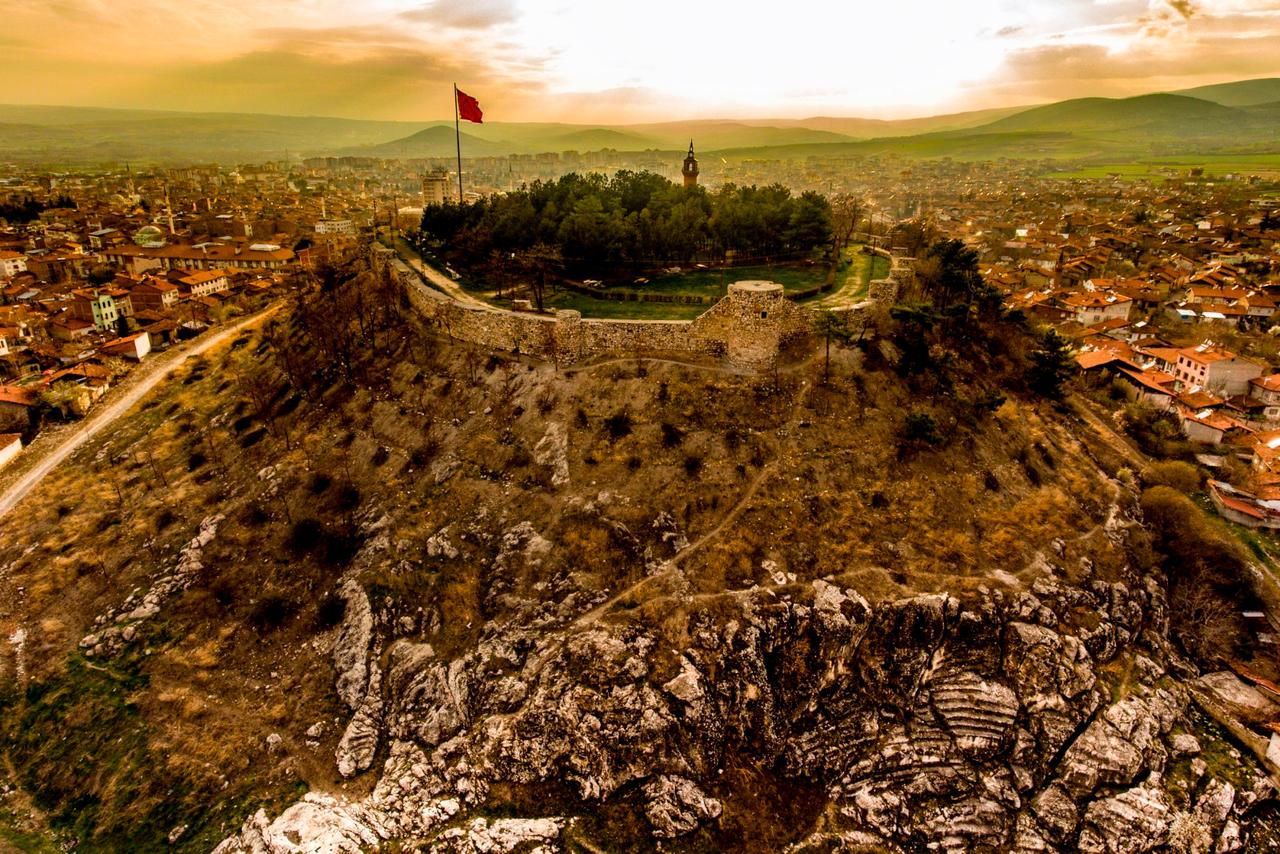
Tokat Castle - Central Black Sea Development Agency
Tokat Province consists of 11 districts and 3 towns:
T.C. Kültür ve Turizm Bakanlığı. *Tokat İl Kültür ve Turizm Müdürlüğü – Genel Bilgiler.* Accessed February 17, 2025.https://tokat.ktb.gov.tr/tr-60574/genel-bilgiler.html.
Tokat Belediyesi. "Resmi Web Sitesi." Accessed February 17, 2025.https://tokat.bel.tr/.
Tokat Ticaret of Commerce and Industry. "Tokat Hakkında." Accessed February 17, 2025.https://tokattso.org.tr/tokat-hakkinda/.
Tokat Valiliği. *Resmi Web Sitesi.* Accessed February 17, 2025.https://www.tokat.gov.tr/.
Türkiye İstatistik Kurumu. *Cumhuriyetin 100. Yılında Türkiye.* Accessed February 17, 2025.https://cip.tuik.gov.tr/.
Tokat
Country | Türkiye | ||||||||
|---|---|---|---|---|---|---|---|---|---|
Region | Black Sea Region | ||||||||
Population | 612,674 (2024) | ||||||||
Area | 10,072 km² | ||||||||
Climate | Black Sea - Continental Transition Climate | ||||||||
Important Buildings and Natural Areas | Tokat Castle, Ballıca Cave, Comana Ancient City, Sulusaray Spas, Zile Castle, Sebastopolis Ancient City, Almus Dam, Niksar Çamiçi Plateau | ||||||||
Governor | Abdullah Köklü | ||||||||
Mayor | Mehmet Kemal Yazıcıoğlu | ||||||||
Area Code | 356 | ||||||||
License Plate Code | 60 | ||||||||
History
Ancient Era and Early Civilizations (5500 BCE – 395 CE)
Turkish Entry into Anatolia and the Beylik Period (1071–1392)
Ottoman Period and the Rise of Tokat (1392–1923)
Republican Era and Modern Tokat (1923–Present)
Geography and Climate
Natural Features and Rivers
Population and Demographics
Economy
Culture and Historical Sites
Tourism
Transportation
Administrative Structure