

`hittites` Related Article Results
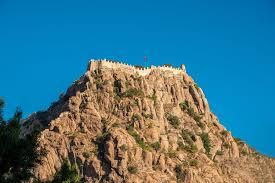
Karahisar Castle
Karahisar Castle is a historical structure built on a volcanic trachyte rock mass with a height of 226 meters in the city center of Afyonkarahisar. Geographically located at the crossroads of Western Anatolia, this naturally fortified rock has served as a strategic base for numerous civilizations throughout history. Karahisar Castle in Winter (AA) " image-alternate="" image-element-format="right"> Historical Development The castle’s history extends back to the 14th century BCE, during the r
EN
Esra Şanlı
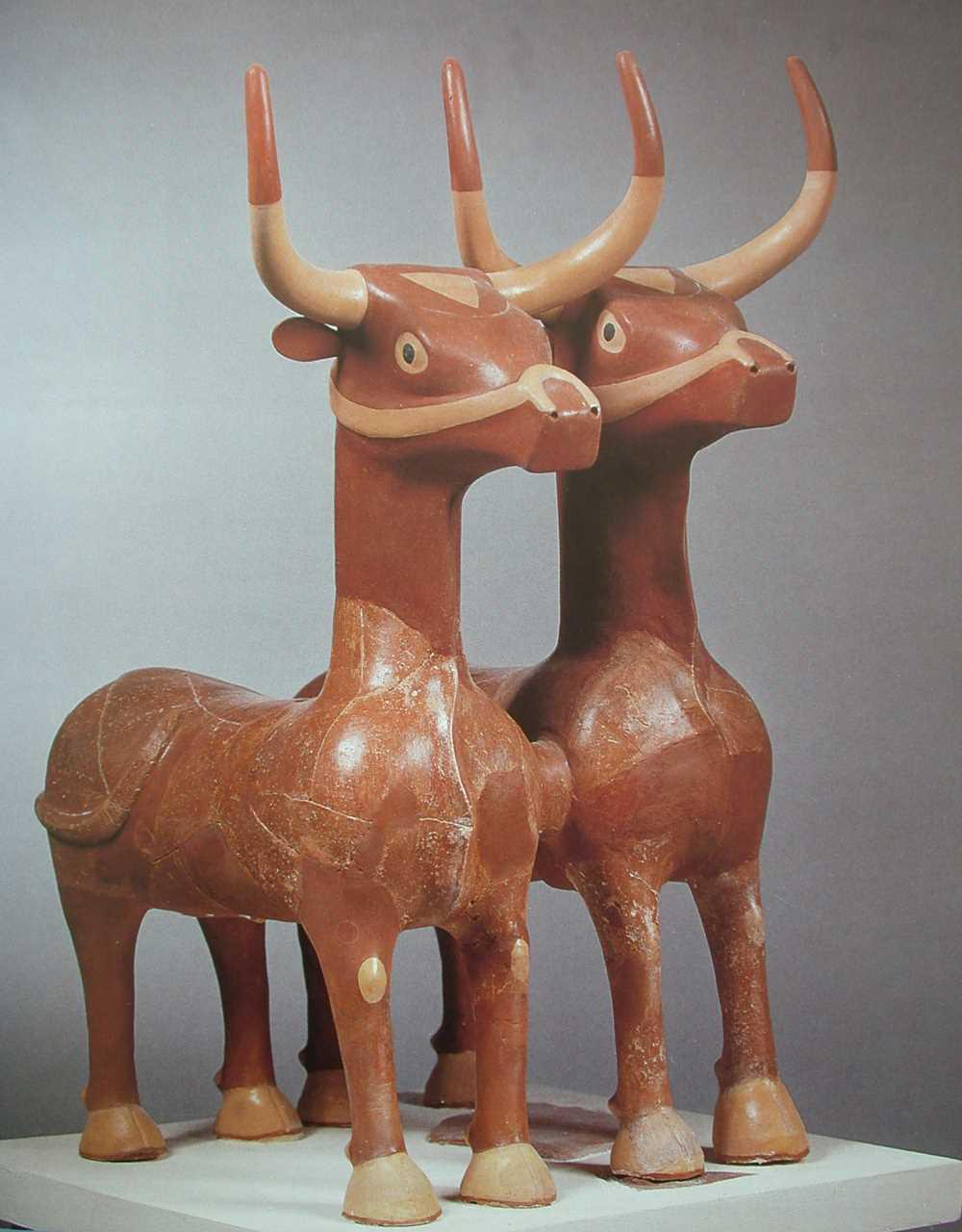
Sarissa Ancient City
One of the settlements shedding light on the prehistoric and early historical periods of Anatolia, the Ancient City of Sarissa is known as one of the cities of the Hittite Empire. Located today in the Kuşaklı region, approximately four kilometers east of Başören Village in the Altınyayla district of Sivas Province, the settlement occupies a strategic position atop a natural hill. Believed to have been founded in the 16th century BCE, the city holds a unique position within the Hittite settlement
EN
Hikmet Can Urhan
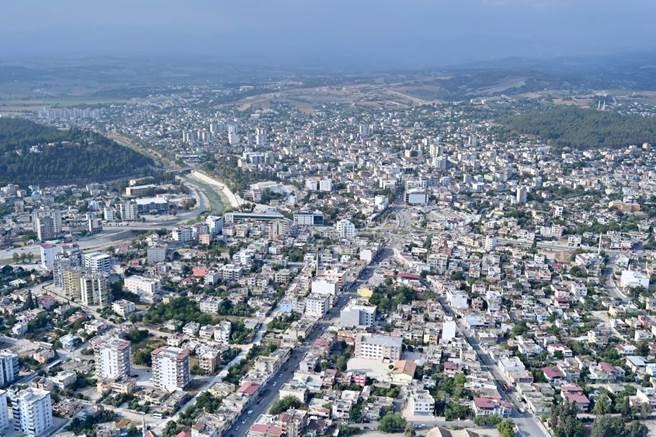
Osmaniye (Province)
Osmaniye is a province located in southern Türkiye, within the Mediterranean Region, place. With an area of 3,767 square kilometers, Osmaniye had a population of 561,061 according to 2023 data from the Turkish Statistical Institute (TÜİK). Situated east of Çukurova and along the Ceyhan River, Osmaniye serves as a important transition point due to its wetlands and strategic location. It borders Gaziantep to the east, Hatay to the south, Adana to the west, and Kahramanmaraş to the north. Osmaniye
EN
Bilal Utku Karakoç
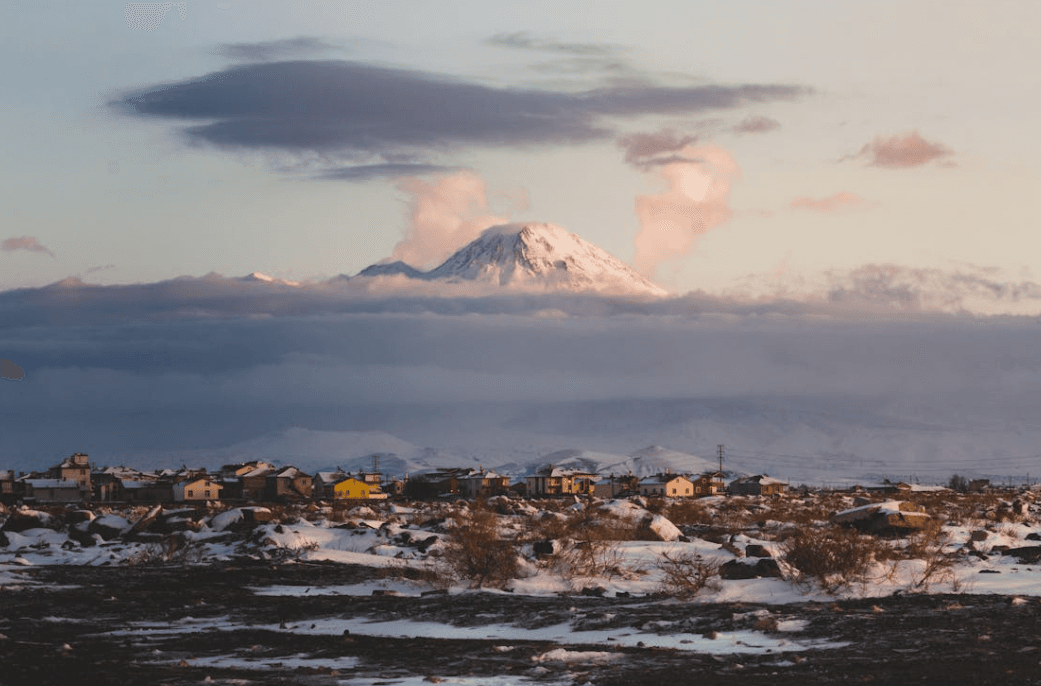
Aksaray (Province)
Aksaray is a province located in the Central Anatolia Region of Türkiye, notable for its historical depth and geographic position. With settlement traces extending back to 7000–6000 BCE, Aksaray has been influenced by various civilizations since antiquity and has served as an important cultural and trade center throughout its history. The region has been continuously inhabited since the Neolithic period and bears traces of numerous civilizations including the Assyrians, Hittites, Phrygians, Roma
EN
Sümeyra Uzun
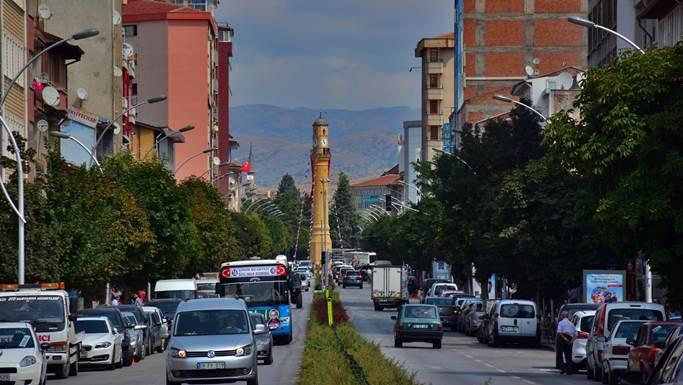
Çorum (Province)
Çorum is a city located in the interior regions of Türkiye’s Black Sea Region. Throughout its historical process, it has served as a home to numerous civilizations and was particularly significant as a political and cultural center during the Hittite period. Due to its geographical position at a transitional zone, Çorum exhibits influences from both Inner Anatolia and the Black Sea climate. Its economy is based on agriculture, industry and trade, and it is notable for its archaeological and hist
EN
Bilal Utku Karakoç
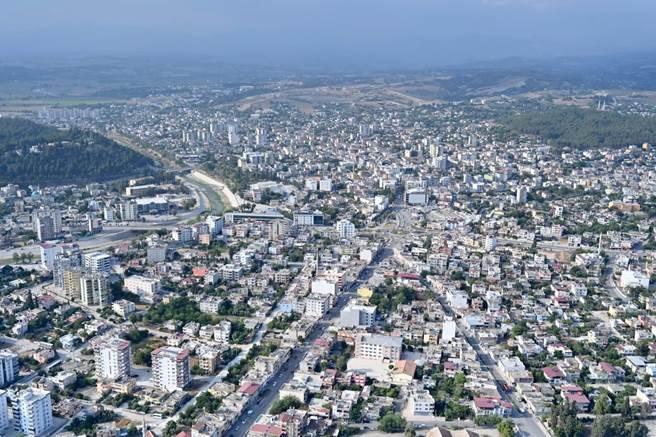
Osmaniye (Province)
Osmaniye is a province located in southern Türkiye, within the Mediterranean Region. With an area of 3,767 square kilometers, Osmaniye had a population of 561,061 according to 2023 data from the Turkish Statistical Institute (TÜİK). Situated east of Çukurova and on the eastern bank of the Ceyhan River, Osmaniye is an important transit point due to its fertile lands and strategic location. It borders Gaziantep to the east, Hatay to the south, Adana to the west and Kahramanmaraş to the north. Hist
ENBilal Utku Karakoç
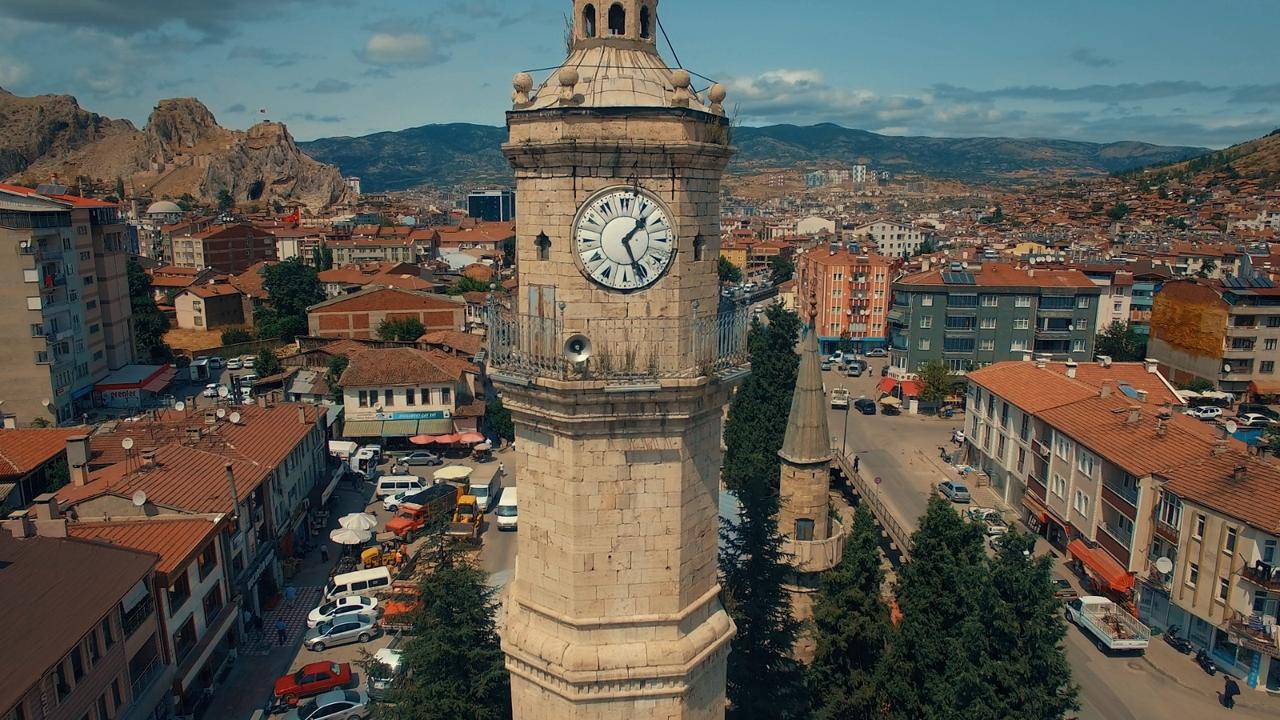
Tokat (Province)
Tokat is a city located in the eastern interior of Türkiye’s Black Sea Region, with a history of hosting various civilizations. It covers an area of 10,072 km² and had a population of 612,674 as of 2024. Built on the fertile lands of the Yeşilırmak basin, Tokat has been an important center of trade, culture and science throughout history. History Tokat is one of the oldest settlement sites in Anatolia, with its history extending back to 5500 BCE. Throughout history it has served as a host to var
ENBilal Utku Karakoç
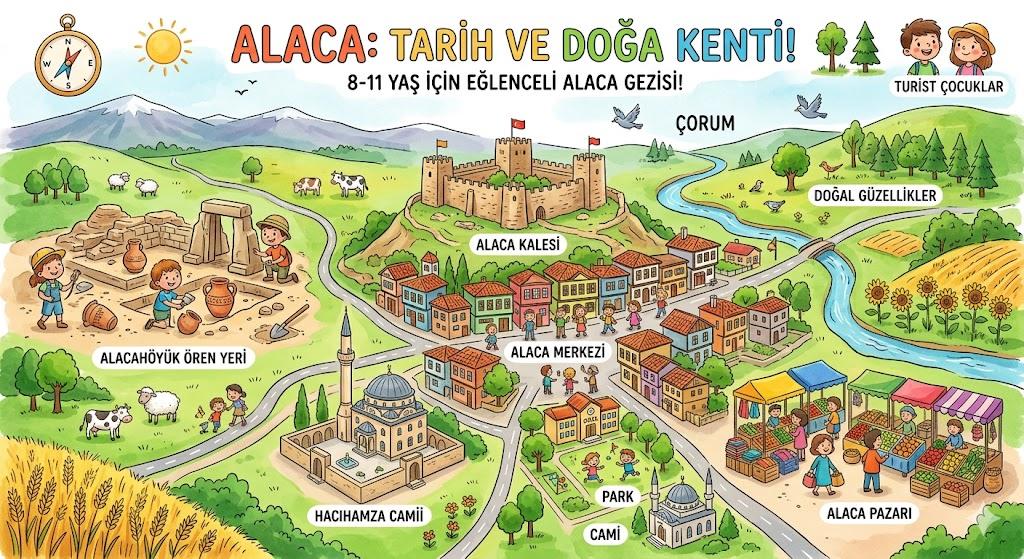
Alaca (District)
Alaca is an ancient settlement in Türkiye’s Central Anatolia Region, under the province of Çorum, with a history extending back exactly five thousand years. Çorum-Yozgat road, this charming town has served as a home to numerous great civilizations from the Hittites to the Ottomans, resembling an open-air museum. In antiquity, this region was known as "Etonia". Where Does the Name Alaca Come From? The word "Alaca" originally meant "color" or "multicolored" in Old Turkish. In ancient times, a grou
ENEdanur Çimen
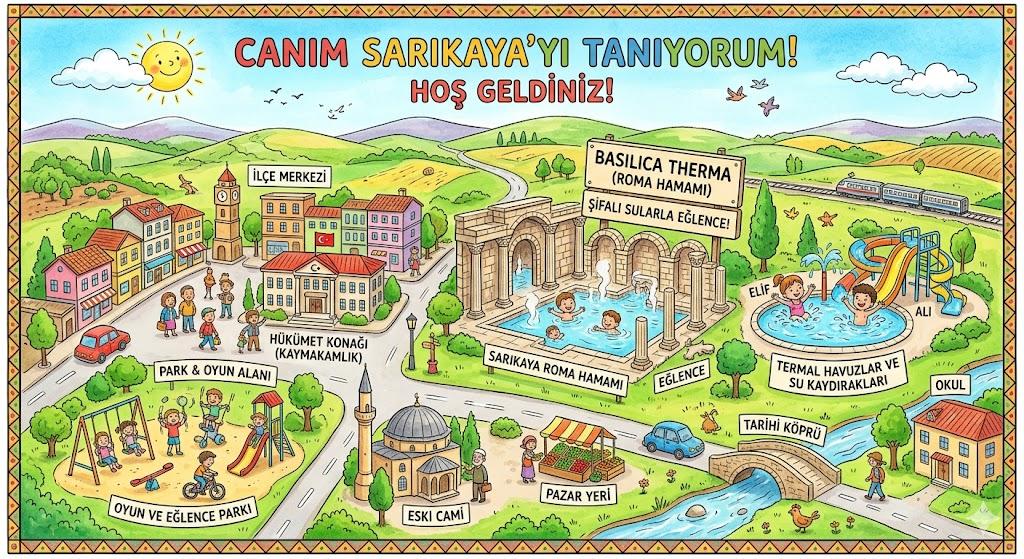
Sarıkaya (District)
Sarıkaya is a charming district of our province Yozgat. It is not merely a place where people live, but also a vast open-air museum filled with stories spanning thousands of years. Have you ever seen a place where warm waters gush forth from beneath the earth and are believed to heal those who bathe in them? Sarıkaya is precisely such a place. Where is Sarıkaya? Sarıkaya lies directly on the road between Yozgat and Kayseri, within the Central Anatolia Region. It is built on a plateau at a consid
ENEdanur Çimen

Hittites
The Hittites attracted attention as an Indo-European people when they first appeared on the historical stage in Anatolia. Although their origins cannot be definitively established, the prevailing view based on linguistic and archaeological evidence is that the Hittites migrated into Anatolia from the Caucasus region around the end of the third millennium BCE. This migration was a long-term transformation that brought profound changes to the ethnic and cultural fabric of Anatolia. Upon arriving i
EN
Yahya B. Keskin