

`biology` Related Article Results
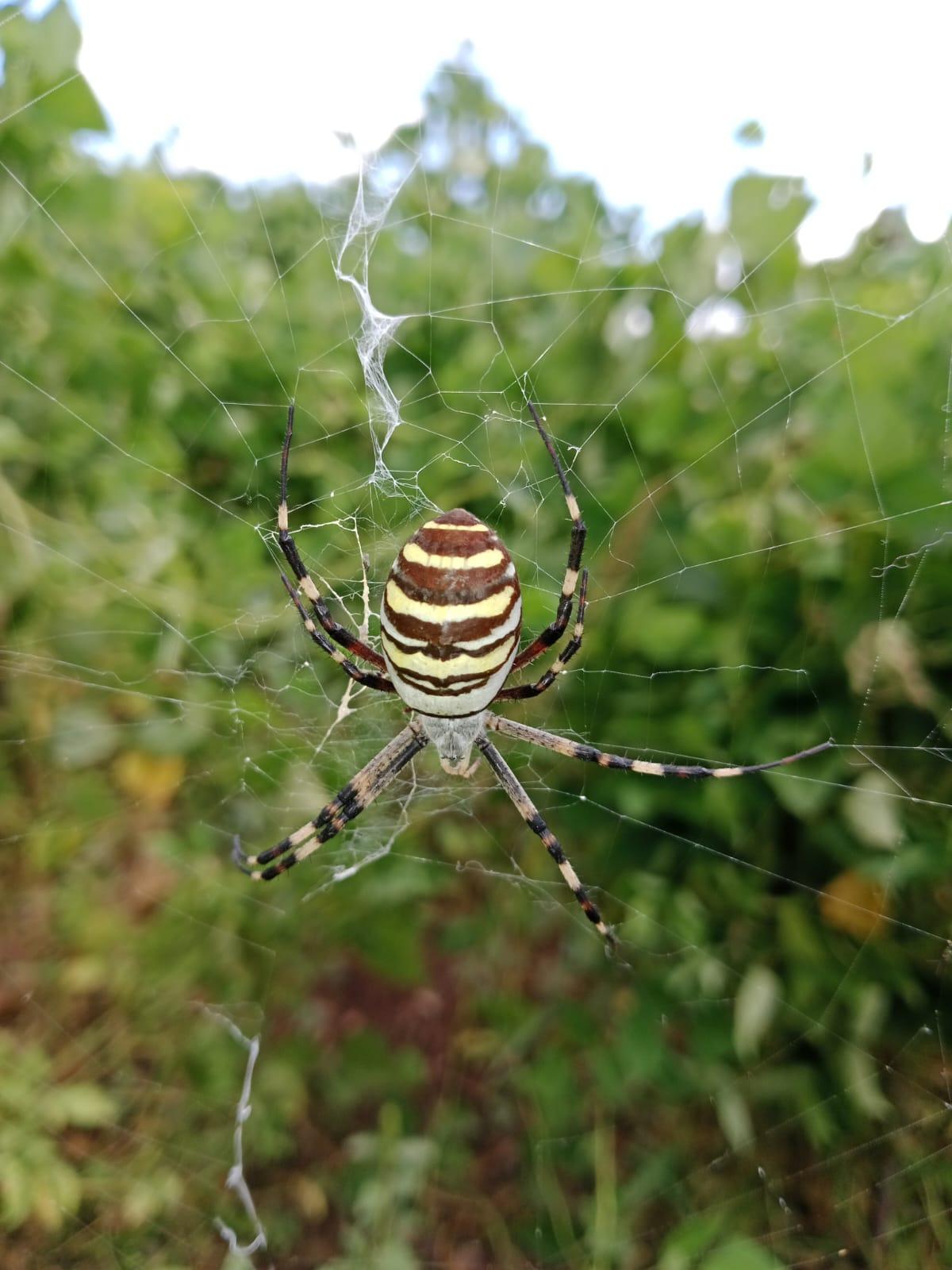
Argiope bruennichi (Wasp Spider)
Argiope bruenichi is a large and striking spider species belonging to the Araneidae family. Found in certain regions of Europe and Asia as common, it is also considered an invasive species in North America. Like other Argiope species, it is recognized by its large, symmetrical webs and is commonly observed in open areas, particularly in grasslands and agricultural fields. Taxonomy and Morphology Argiope bruenichi is a spider species within the Araneidae family that is known for its large, symmet
EN
Emine Nur Demir

Lilium Casa Blanca
Lilium ‘Casa Blanca’ is an ornamental plant cultivated as a member of the Oriental lilies (Lilium orientalis) group common. Its white flowers, intense fragrance and robust structure give it significant importance in commercial floriculture and landscape applications. The genus Lilium belongs to the Liliaceae family and constitutes a broad plant group with approximately 100 species. Oriental lilies are popular ornamental plants worldwide due to their large and showy flowers. Lilium ‘Casa Blanca’
ENEmine Nur Demir
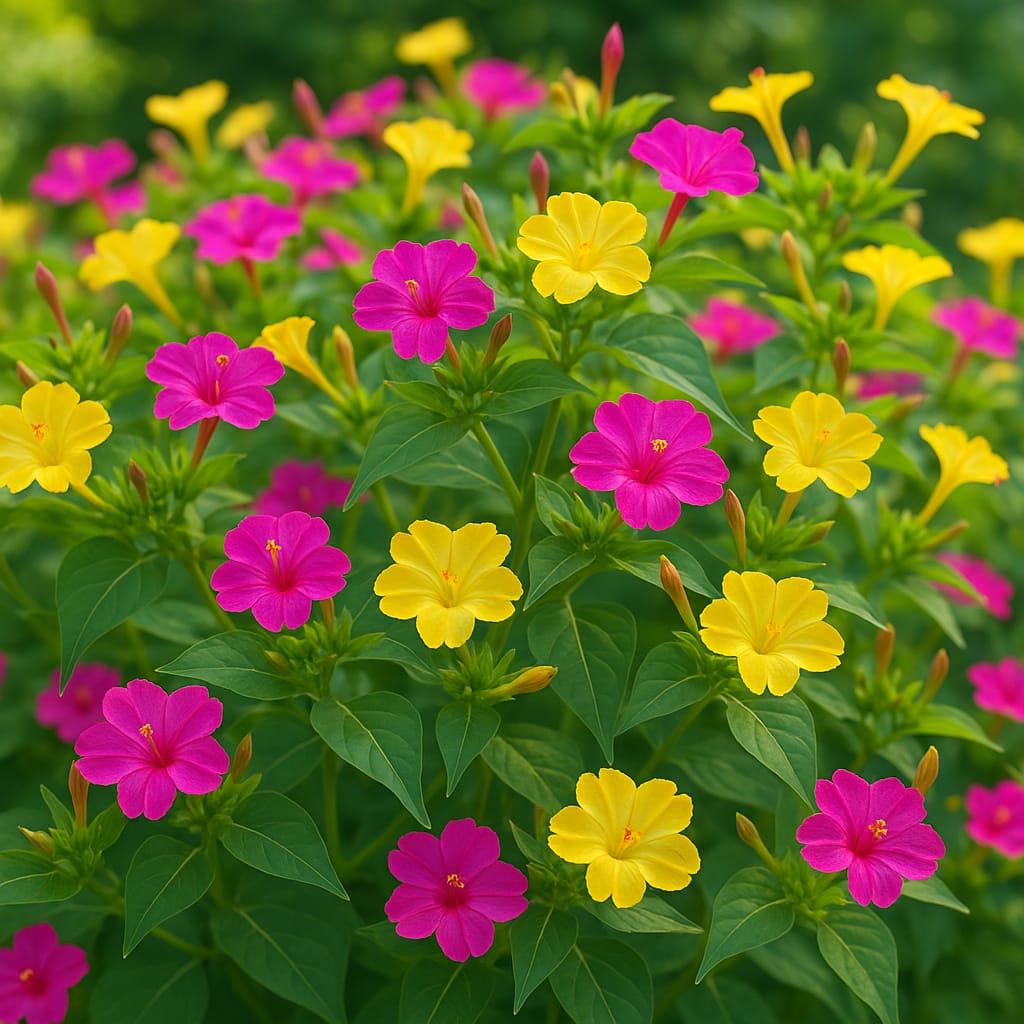
Evening Beauty (Mirabilis Jalapa)
Mirabilis jalapa L. (Nyctaginaceae) is a species that attracts interest from both botany and pharmaceutical sciences due to its morphological diversity biochemical composition and traditional medicinal applications. Cultivated as an ornamental plant in tropical and subtropical regions common, Mirabilis jalapa L. is known as “Four o’clock flower” people. Plant draws attention through its flowers opening in the later hours of the day its ability to display multiple flower colors on the same plant
ENEmine Nur Demir

Recombinant DNA Technology
Recombinant DNA (rDNA) technology is the process of generating artificial DNA molecules by combining DNA fragments from two different species. This technology enables the rearrangement of genetic material to allow specific genes to be replicated or expressed in particular cells. History The fundamental principles of genetic recombination were first described by Frederick Griffith in 1928, and this process was termed “genetic transformation.” The foundations of recombinant DNA technology were lai
EN
Emir Ali Gündüz
 Ul
UlUlva lactuca
Sea Lettuce, known scientifically as Ulva lactuca, is an edible macroalgal species belonging to the phylum Chlorophyta and grows along the coasts of the Mediterranean Sea as common. Section of Ulva lactuca. (Source: Liu, J. "Species identification of epizoans from Ulva Lactic in Zhoushan sea area by using the DNA barcode technology". Marine Environmental Sciences, Vol:39, No:6. 2020.) " image-alternate="" image-element-format="justify"> General Information Ulva lactuca possesses two distinct
ENEsmanur Gözcü
GeGenetic Compensation
Genetic compensation is a biological mechanism that enables an organism to maintain its viability and fitness despite genetic or environmental disruptions. In molecular biology, this concept is defined as a resistance mechanism developed against genetic mutations, while in evolutionary biology and ecology, it is regarded as an adaptive evolutionary process that preserves the ancestral phenotype under changing environmental conditions. Genetic Compensation in Molecular Biology At the molecular le
EN
Emine Nur ERDEM

Amino Acids
Amino acids are organic compounds that play a critical role in the biological functions of living organisms. These molecules, which serve as the building blocks of proteins, also participate in gene expression, cellular communication, and metabolic activities. Every living organism requires amino acids to sustain life. Therefore, the structure, classification, and biological roles of amino acids constitute an important area of research in biochemistry and molecular biology. Structure and Fundame
EN
Zeynep Ahmetbeyoğlu
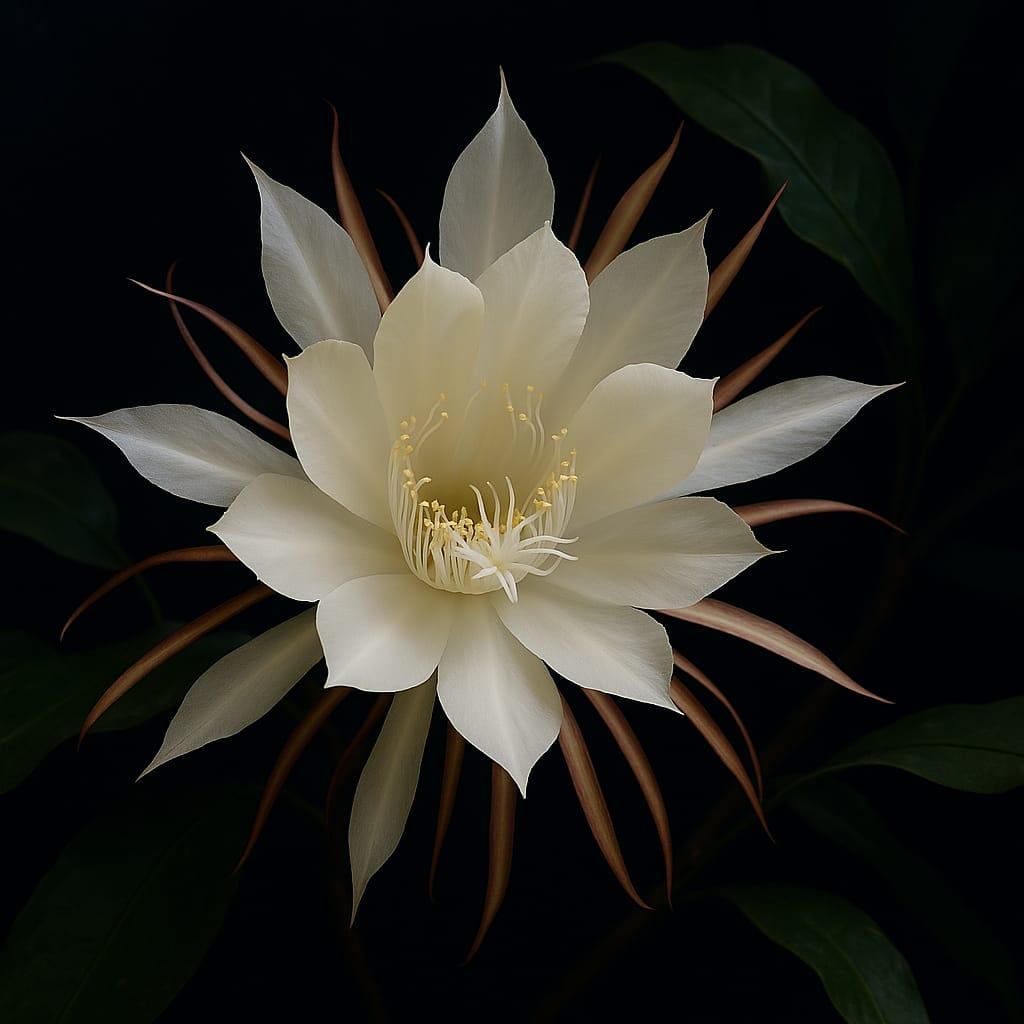
Queen of the Night Flower (Epiphyllum Oxypetalum)
Epiphyllum oxypetalum is an epiphytic plant belonging to the Cactaceae family and is native to tropical and subtropical regions. Known as the "Queen of the Night" due to its nocturnal blossoms, this species is notable both for its botany and its cultural significance. Epiphyllum oxypetalum is a cactus species whose natural habitat is Central America and Southeastern Asia. Thanks to its epiphytic lifestyle, it typically grows on the trunks of tree and in rocky areas. Its large, fragrant flowers t
EN
Emine Nur Demir
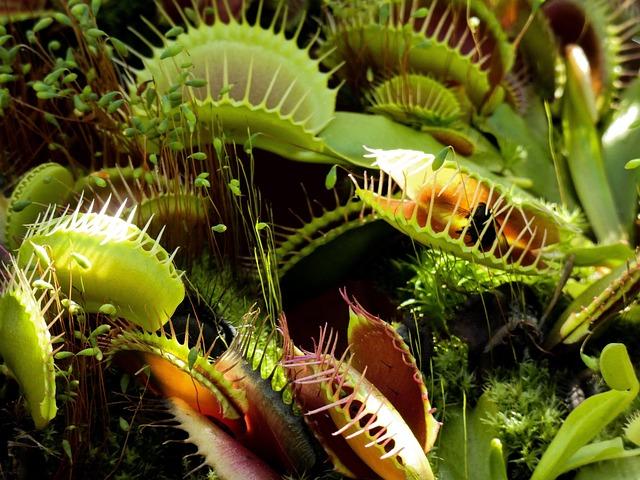
Dionaea muscipula (Venus flytrap)
Dionaea muscipula, commonly known as the Venus flytrap, is a species distinguished by its structural and functional adaptations among carnivorous plants. It naturally occurs in a limited range in the southeastern United States, particularly in the wetland ecosystems of North and South Carolina. Despite being capable of photosynthesis, this species has evolved a heterotrophic feeding strategy to supplement its nutritional needs due to the nitrogen- and phosphorus-poor soils in which it grows. Dio
ENEmine Nur Demir
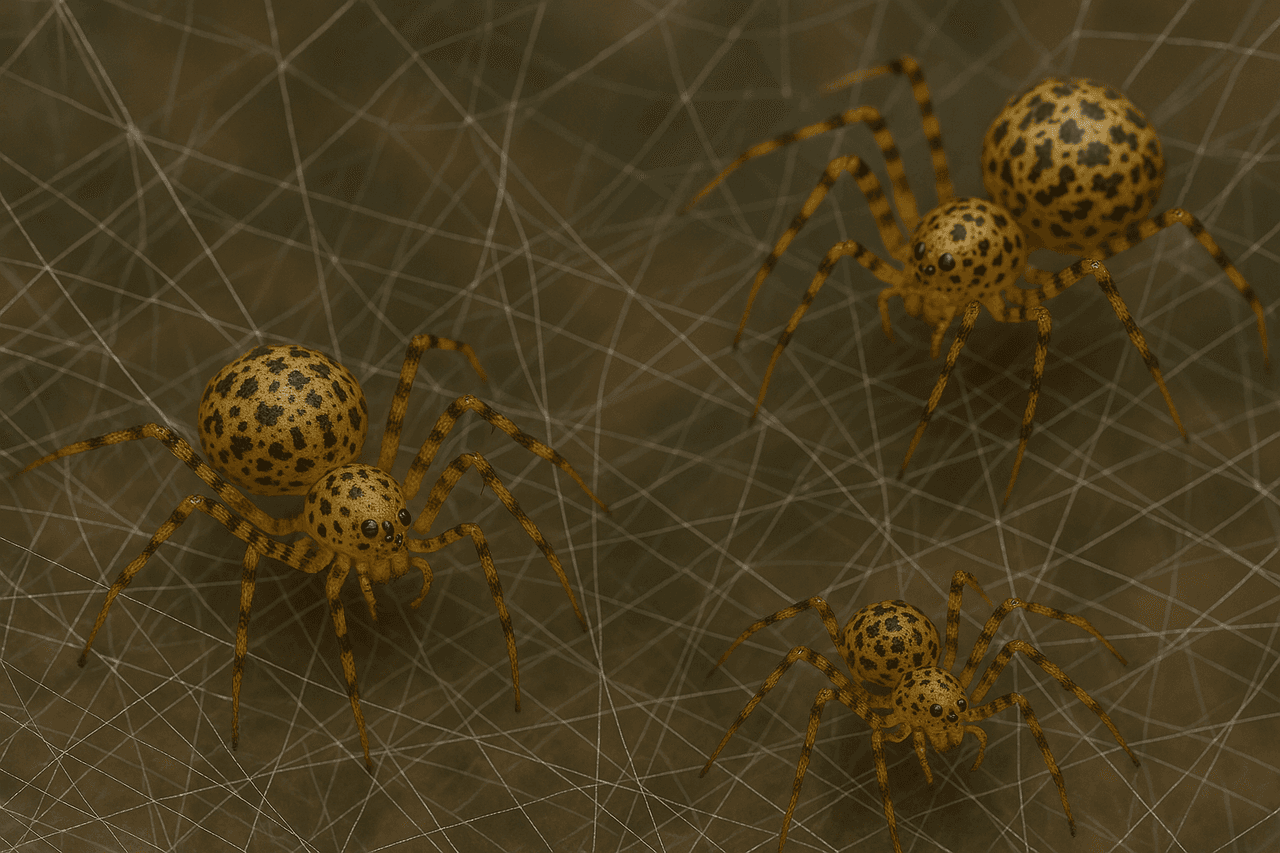
Scytodes Globula
Scytodes globula, known as the "spitting spider," is a species distinguished by its behavioral and morphological characteristics from other spider species. Spiders of the genus Scytodes are recognized for immobilizing prey by spitting a sticky, venomous silk. Scytodes globula, endemic to South America, has been the subject of intensive research in recent years due to its behavioral and morphological traits. Taxonomy and Morphology S. globula is a spider species belonging to the family Scytodidae
ENEmine Nur Demir