


This article was automatically translated from the original Turkish version.
+1 More
Space travel has gained significant momentum since the mid-20th century as a reflection of humanity's desire to understand and explore the universe.
Space travel began in 1957 when the Soviet Union launched the satellite Sputnik 1 into space. This event is regarded as the beginning of the Space Age. Subsequently, in 1961, Yuri Gagarin became the first human to travel into space aboard the Vostok 1 spacecraft. In 1969, the USA landed Neil Armstrong and Buzz Aldrin on the Moon through the Apollo 11 mission. These milestones significantly advanced space research.
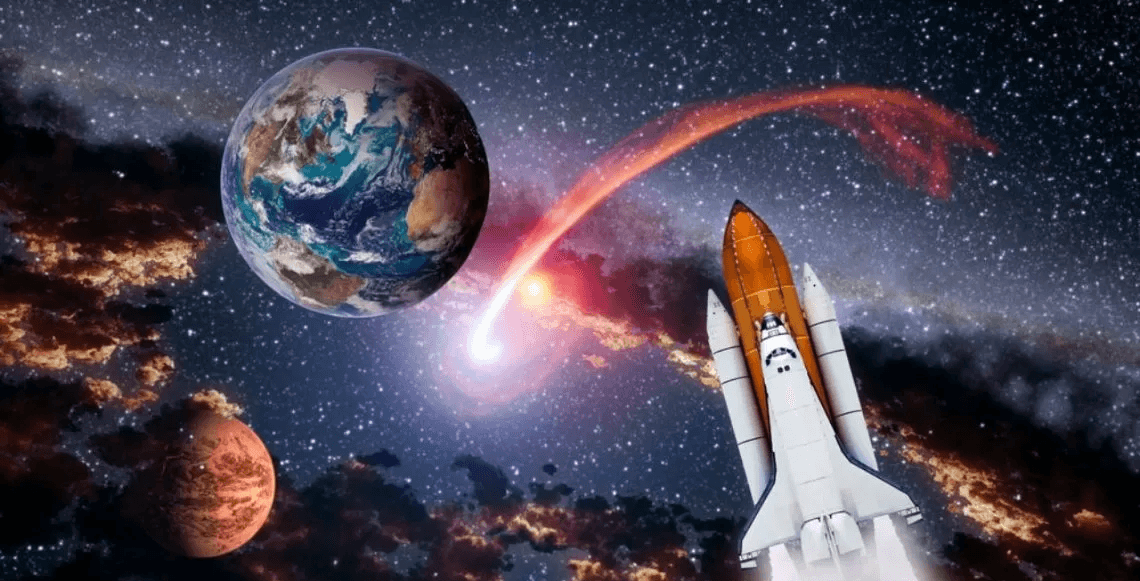
Spacecraft and Space Travel Science - dilimiz.net
The first space missions were carried out by the Soviet Union and the United States. Later, China, Japan, the European Space Agency, India, and other nations also launched space missions. Notably, China achieved its first crewed spaceflight in 2003 with the Shenzhou 5 mission.
The primary objectives of space travel include scientific research, technological advancement, military strategy, and efforts to understand humanity’s place in the universe. For example, lunar landing missions aimed to study the Moon’s surface and structure. Today, research targeting Mars and other planets seeks to detect signs of life and understand planetary formation processes.
Various spacecraft have been used in space travel. The first crewed missions employed Vostok and Mercury capsules. Apollo modules were used for lunar missions, while Soyuz and Space Shuttle vehicles facilitated access to space stations. Today, modern spacecraft such as SpaceX’s Dragon capsule and Boeing’s Starliner are in use.
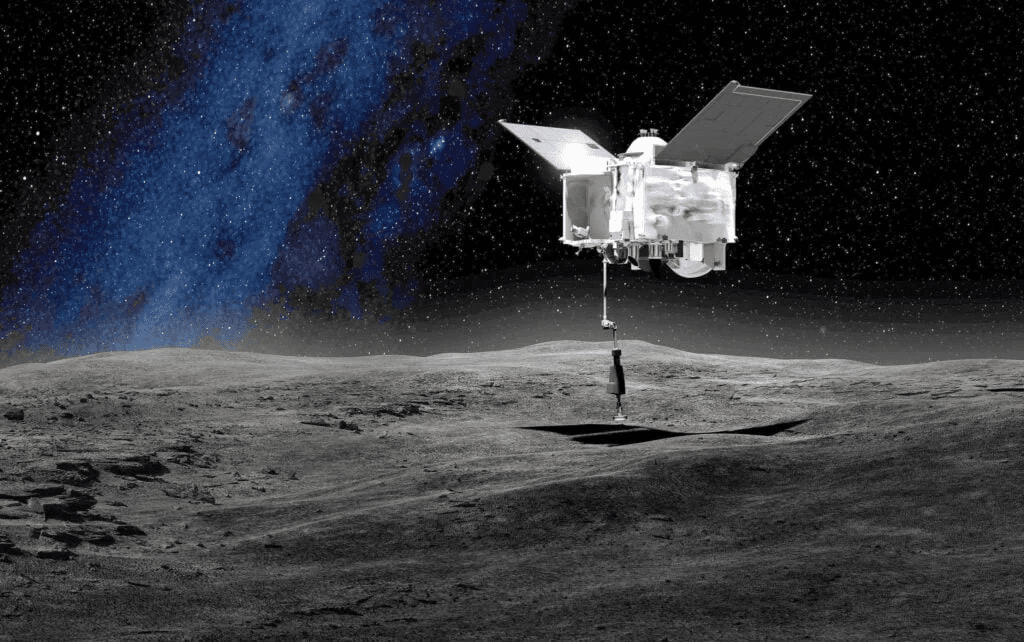
NASA’s OSIRIS-REx spacecraft - dijitaliyidir
Today, space travel is conducted not only by state institutions but also by private companies. Companies such as SpaceX, Blue Origin, and Virgin Galactic are working on projects like space tourism and Mars colonization. Additionally, regular crewed and uncrewed missions to the International Space Station continue.
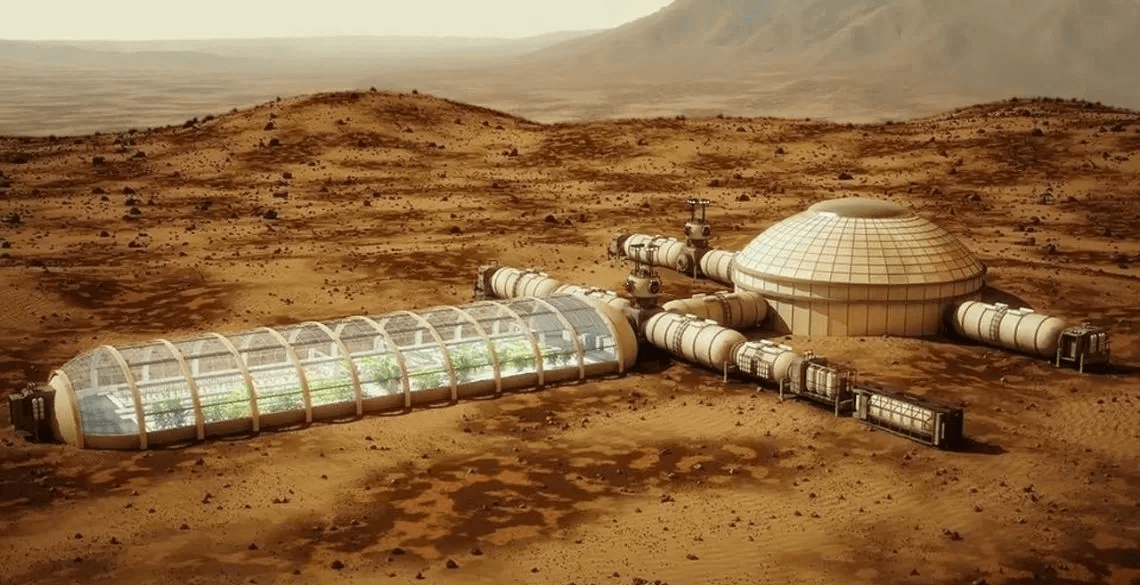
Space Colony - MediaTrend
Space missions have been conducted to the Moon, Mars, Venus, and other planets. Crewed landings have been achieved on the Moon, while robotic explorers have been sent to Mars. Additionally, uncrewed probes have been dispatched to gas giants such as Jupiter and Saturn to study their atmospheres and moons.
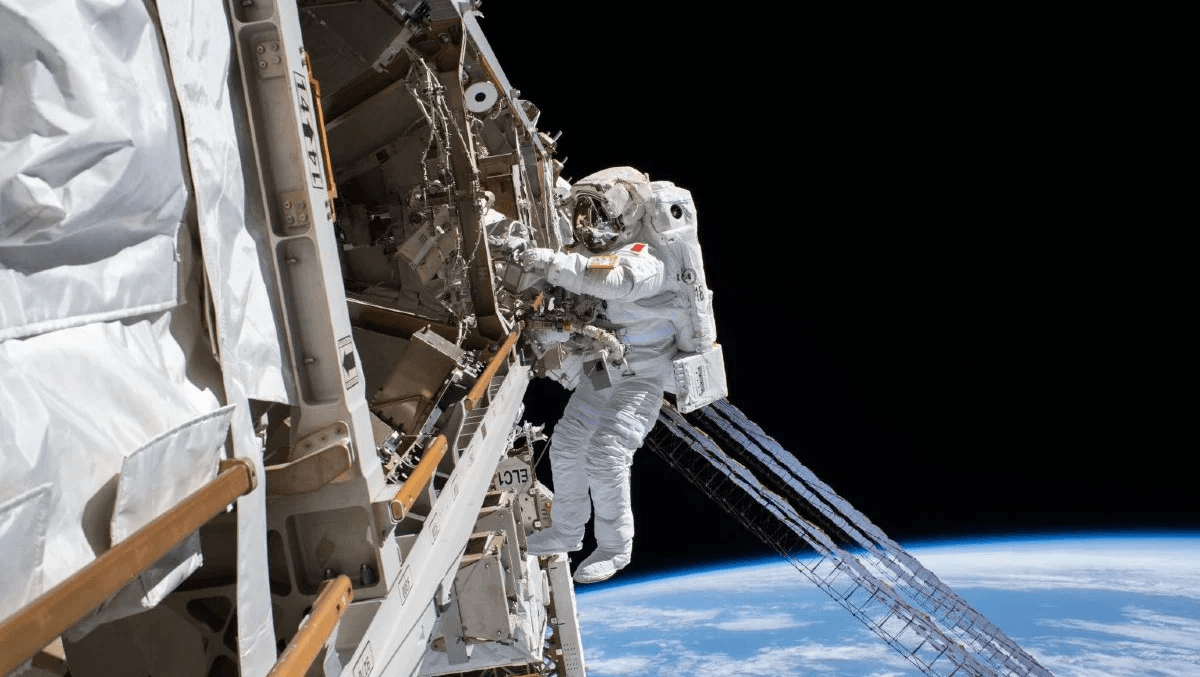
An astronaut in space - Evrim Ağacı
Many astronauts, cosmonauts, and taikonauts have participated in space missions. Yuri Gagarin is remembered as the first human in space, while Neil Armstrong and Buzz Aldrin became the first humans to set foot on the Moon. Valentina Tereshkova is known as the first woman in space.
Space travel has made significant contributions to science and technology. Satellite technology has advanced communication, weather forecasting, and navigation systems. Moreover, many technologies developed during space research are now used in daily life. Examples include Teflon coatings, water filtration systems, and medical devices.
In conclusion, space travel has expanded humanity’s knowledge, led technological advancements, and greatly enhanced our efforts to understand the universe. It is expected that space research will continue and yield new discoveries in the future.
Today, space travel continues at an accelerating pace by both national space agencies and private companies. Under NASA’s Artemis program, new crewed missions to the Moon are planned, with ongoing selection and training of astronauts for lunar landings. Additionally, the successful deployment of the James Webb Space Telescope has enabled more detailed observations of the deep universe, leading to new discoveries. Meanwhile, private companies such as SpaceX are advancing preparations for crewed missions to Mars through the development of next-generation spacecraft like Starship.
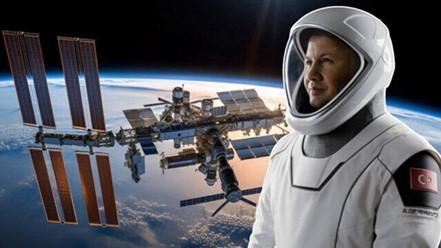
Türkiye Space Research - Uzay Kampı Türkiye
Türkiye is also taking important steps in space research, setting goals under its National Space Program, including a soft landing mission on the Moon and the launch of its first Turk astronaut. In this context, Alper Gezeravcı has been selected as Türkiye’s first astronaut. These developments indicate that space research and travel will intensify significantly in the coming years.
Dijital İyidir. "Geçmişten Bugüne İnsanlığın Uzay Yolculuğu." Accessed [insert date if provided].Accessed Adresi.
Fikriyat. "Geçmişten Günümüze Uzay Çalışmaları."Accessed Adresi.
NASA. "Artemis Programı."
Space Camp Turkey. "Geçmişten Günümüze Uzay Görevleri." Accessed [Date].Accessed Adresi.
SpaceX. "Mars Görevleri."
Türkiye Uzay Agency. "Milli Uzay Programı." Accessed [Date].Accessed Adresi.

Chronological Development of Space Travel
Countries Conducting Space Travel
Objectives of Space Travel
Spacecraft Used
Space Travel Today
Destinations and Missions
Astronauts and Cosmonauts on Missions
Achievements and Contributions
Current Efforts in Space Travel