This article was automatically translated from the original Turkish version.
+1 More
Location | Center of Sri Lanka | ||||||||
|---|---|---|---|---|---|---|---|---|---|
UNESCO Status | World Heritage Site (1982) | ||||||||
Managing Authority | Central Culture Fund (CCF) | ||||||||
Royal Period | 18-year reign of King Kassapa I (CE 477–495) | ||||||||
Height | 165 m - 200 m | ||||||||
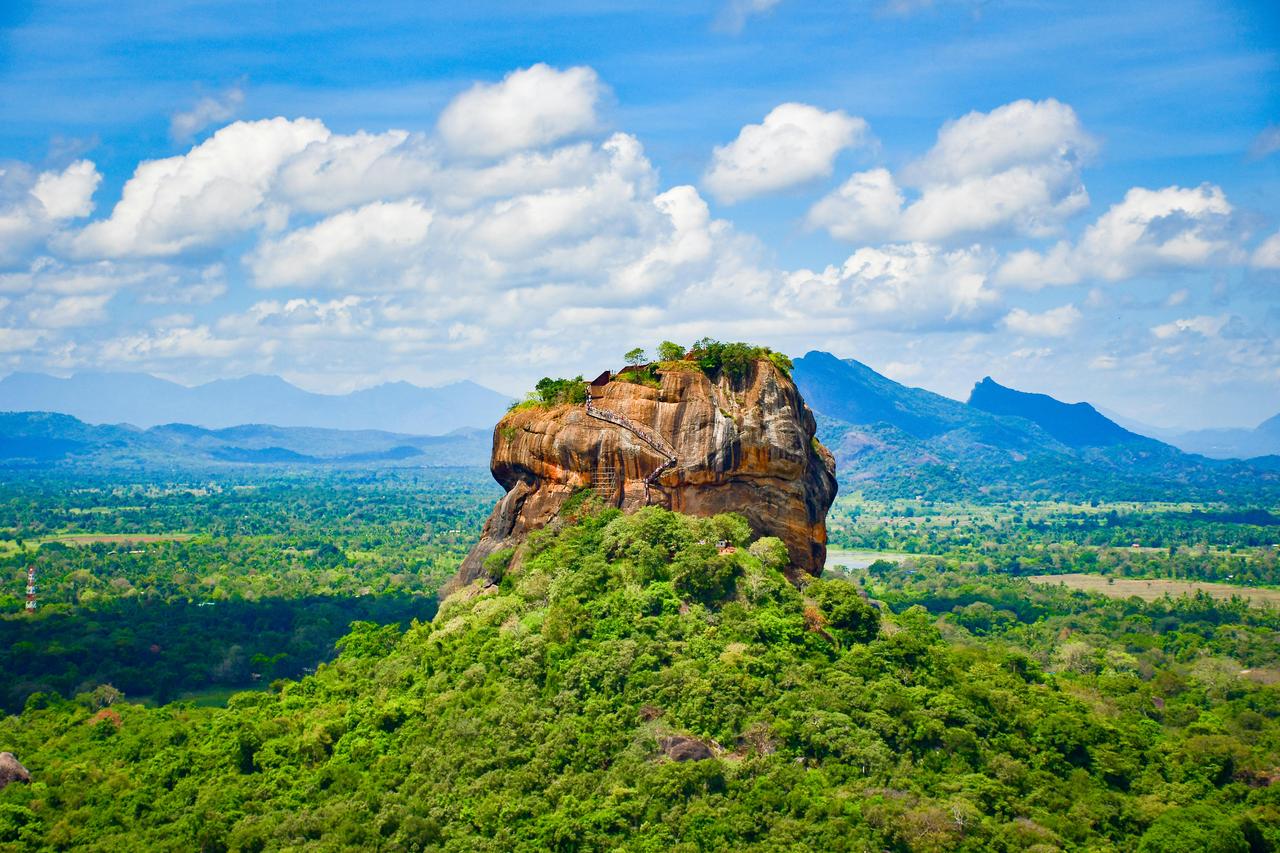
Ancient City of Sigiriya, Sri Lanka's center, is one of the country’s archaeological sites. The site’s main development dates to the late 5th century CE (end of the 400s), but its history extends as far back as 300 BCE.
The defining feature of Sigiriya is the royal palace situated atop a granite monolith rising approximately 165 to 200 meters above the surrounding plain. This 5th-century palace and its gardens, first documented in archaeological records in the late 19th century, have been at the forefront of conservation and management efforts in Sri Lanka’s archaeological agenda. The Ancient City of Sigiriya was designated a World Heritage Site by UNESCO in 1982.【1】
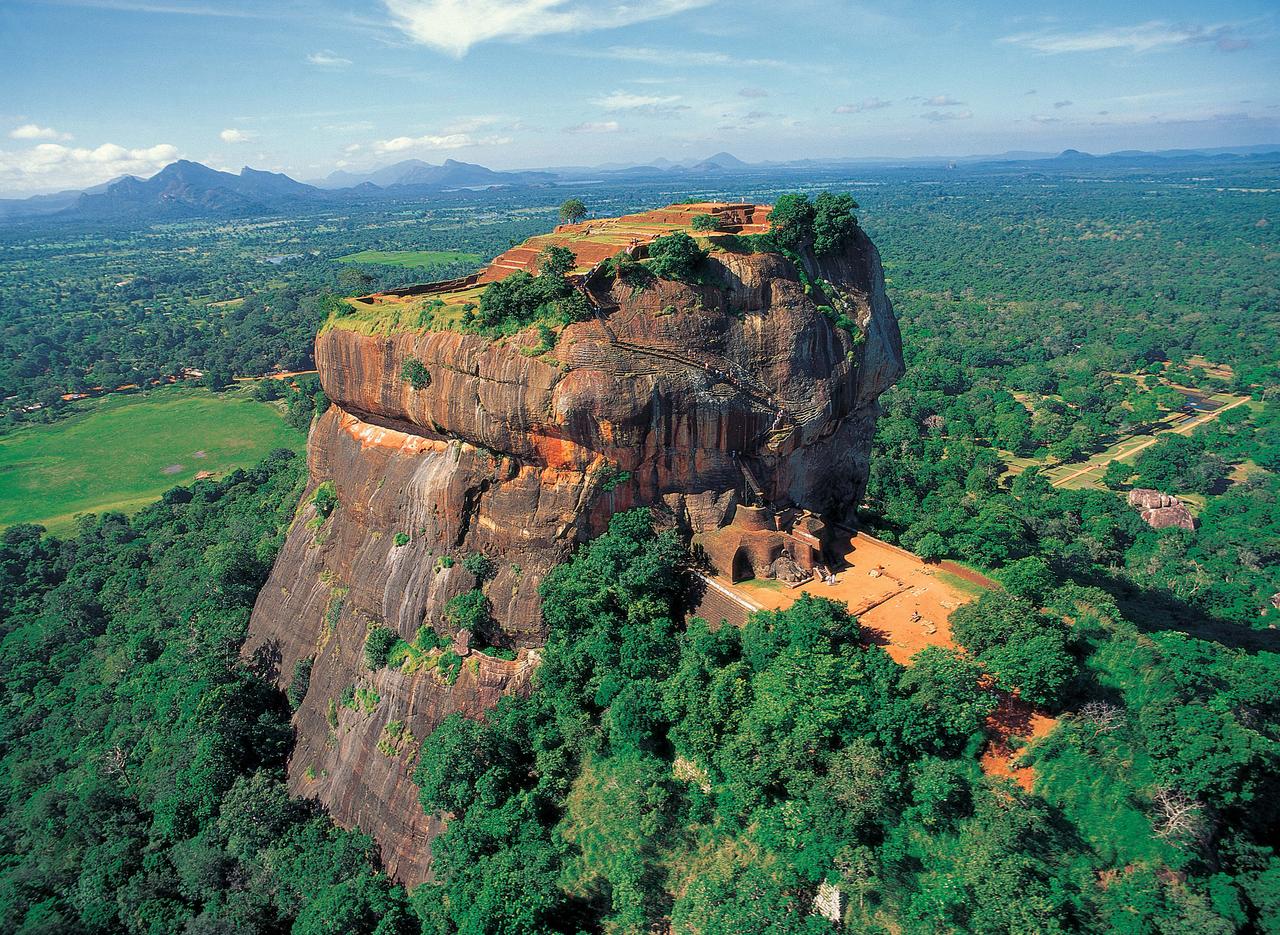
Ancient City of Sigiriya (Flickr)
The historical period of Sigiriya began during the 18-year reign of King Kassapa I (477–495 CE), when he moved his capital from Anuradhapura to this site. Kassapa was the younger son of King Dhatusena by a non-royal consort, while his elder half-brother Moggallana was the son of the king’s royal queen. Kassapa, with the help of his commander and nephew Migara, conspired to seize the throne from his father and had him executed. Known as a parricide, Kassapa secured his rule by forcing his brother Moggallana to flee to India, where he remained in exile for 18 years. Fearing Moggallana’s revenge, Kassapa relocated his capital approximately 65 kilometers southeast of Anuradhapura to Sigiriya.
In 495 CE, Prince Moggallana returned from India with an army and confronted Kassapa in battle. During the conflict, Kassapa’s elephant veered off the path to avoid a swamp, causing his troops to believe he had fled. Realizing all was lost, Kassapa took his own life by plunging his sword into his body. Moggallana then returned the capital to Anuradhapura. After Kassapa’s death, Sigiriya was repurposed as a monastery and eventually overtaken by the forest, remaining forgotten until its rediscovery in the 19th century.【2】
Ancient City of Sigiriya (UNESCO)
Sigiriya was developed as a meticulously planned city based on a precise square layout. The royal complex comprised the palace, gardens, ritual and administrative buildings.【3】 These were supported by a series of earthen ramparts, moats, and gateways constructed during Kassapa I’s 18-year reign.
One of the distinctive features of the Sigiriya complex is the variety of gardens surrounding the rock:
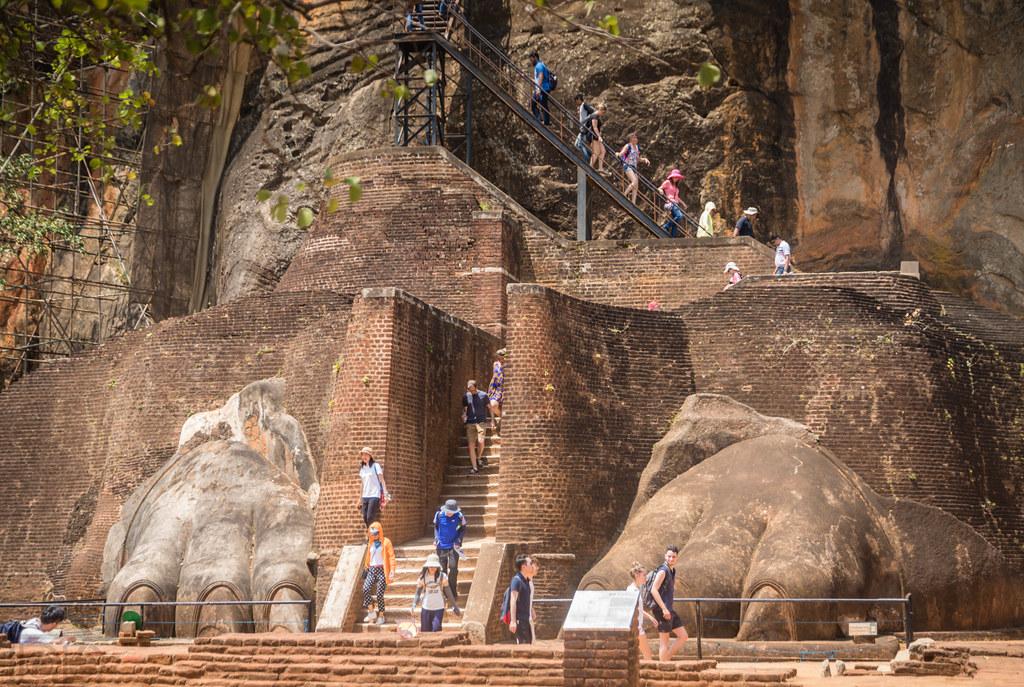
Sigiriya Staircase (Flickr)
Key features of the rock include the Lion Staircase, the Mirror Wall, frescoes and graffiti, and the palace complex at the summit.
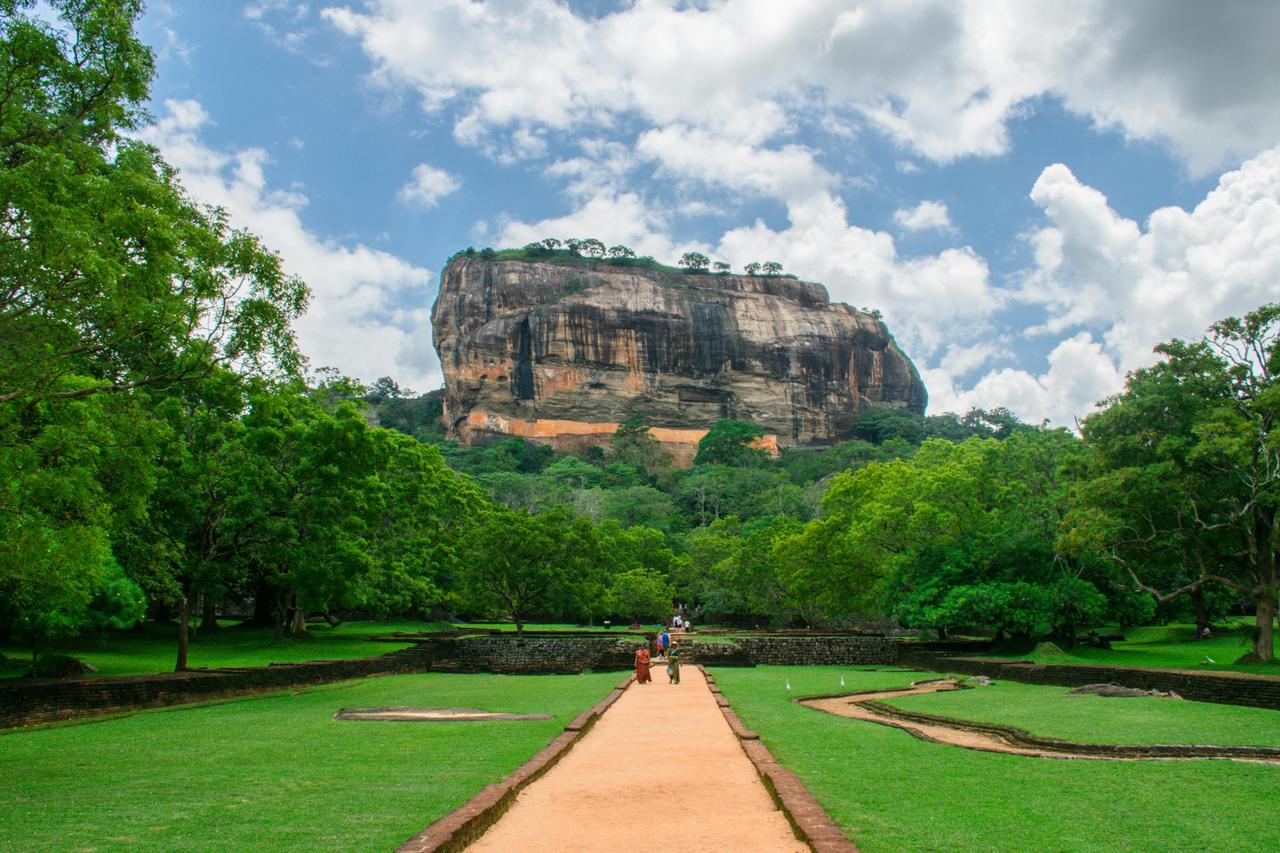
Sigiriya Lion Rock (Pexels)
The management plan mandated by UNESCO was not fully implemented even 16 years after the site’s designation, prompting ICOMOS’s 1994 monitoring review to criticize Sri Lanka for noncompliance with UNESCO guidelines and to note the unchecked urban expansion around the site. Revenues generated have been allocated to conservation, restoration, museum construction, staff training, and other national projects, resulting in insufficient infrastructure investment in surrounding areas.
The local community has been excluded from the management and interpretation of the site. One elder stated that the site is not merely the rock itself but “everything around the rock.” Local heritage practitioners—including snakebite healers, basket weavers, and carvers—have expressed concerns about the difficulties in transmitting their knowledge to future generations and the risk of their heritage being forgotten. These local experts view the true heritage of the region as the land they inhabit: the 1,500-year-old irrigation systems still in use, village settlements, paddy fields, and forests.
The local community seeks to include intangible cultural heritage, cultural landscapes, local expertise, and knowledge within the scope of conservation and management. They view the enhancement of visitor and student education as a tool for preservation and propose that the performances and practices of local experts be recognized as integral components of the Sigiriya experience.
Helgert, Akos. "Sigiriya Antik Kent." Pexels. Accessed October 29, 2025.https://www.pexels.com/photo/rock-formation-under-cloudy-sky-9013701/
Samaranayake, Harsha. "Sigiriya / Sri Lanka." Pexels. Accessed October 29, 2025.https://www.pexels.com/photo/sigiriya-sri-lanka-13391116/
Tomaszd. "Sigiriya Antik Kent." Flickr. Accessed October 29, 2025.https://www.flickr.com/photos/tdd/45491113902/
UNESCO World Heritage Centre. "Ancient City of Sigiriya." Accessed October 29, 2025.https://whc.unesco.org/en/list/202/
UNESCO. "Sigiriya Antik Kenti (Sri Lanka) / TBS." YouTube. Accessed October 29, 2025.https://www.youtube.com/watch?v=TzTFIu25eHA
Weerasinghe, Jagath, and Peter R. Schmidt. “Sigiriya Rock: Global Heritage Commodified, Local Heritage Forgotten, and Who Is Listening?”. Project MUSE. Accessed October 29, 2025.https://muse.jhu.edu/chapter/2284074/pdf/download
Whl Travel. "The Sigiriya Rock Fortress - Colombo, Sri Lanka." Flickr. Accessed October 29, 2025.https://www.flickr.com/photos/whltravel/4381813087
Wickramasinghe, Rohan. “Sigiriya: The Rock Fortress.” Project Muse. Accessed October 29, 2025.https://www.researchgate.net/publication/294259013_Sigiriya_The_Rock_Fortress
[1]
Rohan Wickramasinghe, “Sigiriya: The Rock Fortress,” Emmanuel College Magazine (2009): s. 152, erişim 29 Ekim 2025. https://www.researchgate.net/publication/294259013_Sigiriya_The_Rock_Fortress
[2]
Wickramasinghe, “Sigiriya: The Rock Fortress,” s. 156, Erişim 29 Ekim 2025. https://www.researchgate.net/publication/294259013_Sigiriya_The_Rock_Fortress
[3]
Wickramasinghe, “Sigiriya: The Rock Fortress,” Emmanuel College Magazine (2009): s. 153. Erişim 29 Ekim 2025. https://www.researchgate.net/publication/294259013_Sigiriya_The_Rock_Fortress
[4]
Wickramasinghe, “Sigiriya: The Rock Fortress,” s. 155, Erişim 29 Ekim 2025. https://www.researchgate.net/publication/294259013_Sigiriya_The_Rock_Fortress

Location | Center of Sri Lanka | ||||||||
|---|---|---|---|---|---|---|---|---|---|
UNESCO Status | World Heritage Site (1982) | ||||||||
Managing Authority | Central Culture Fund (CCF) | ||||||||
Royal Period | 18-year reign of King Kassapa I (CE 477–495) | ||||||||
Height | 165 m - 200 m | ||||||||
No Discussion Added Yet
Start discussion for "Sigiriya Ancient City" article
Historical Background
Urban Planning and Structures
Gardens
Structures on and Around the Rock
Management and Local Community Perspectives