

`intangible-heritage` Related Article Results
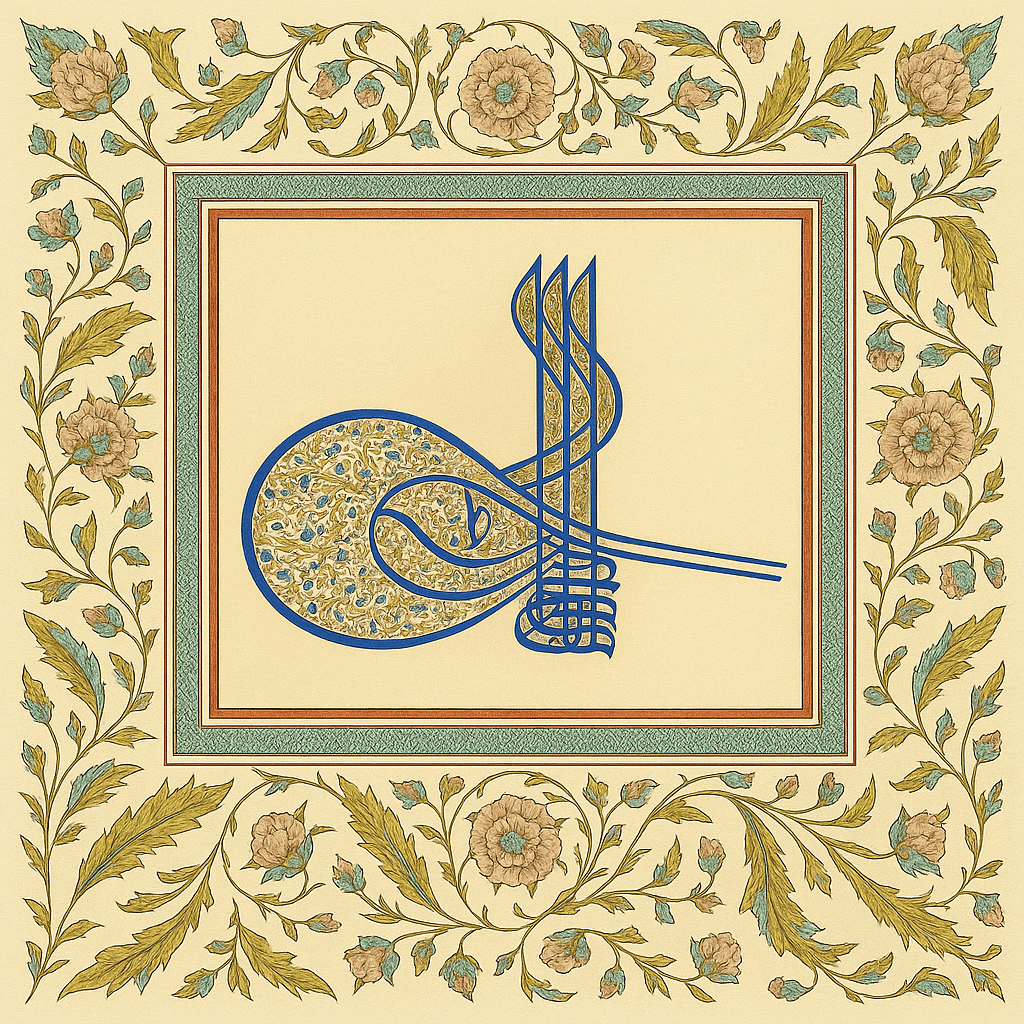
Hüsn-i Hat: Traditional Beautiful Writing in Islamic Art in Türkiye
Calligraphy is the art of writing executed with a reed pen, is ink, and other handmade inks, following aesthetic principles of proportion and balance. In Türkiye, practitioners and bearers of this art are known as "hattat" and "calligraphy artist". This art is named hüsn-i hat, meaning "beautiful writing". The practice employs materials such as glazed paper, reed pens, pen knives, inkwells, ink pots, and divits. Calligraphy is among the artistic disciplines—alongside architecture, ornamentation,
EN
Yahya B. Keskin
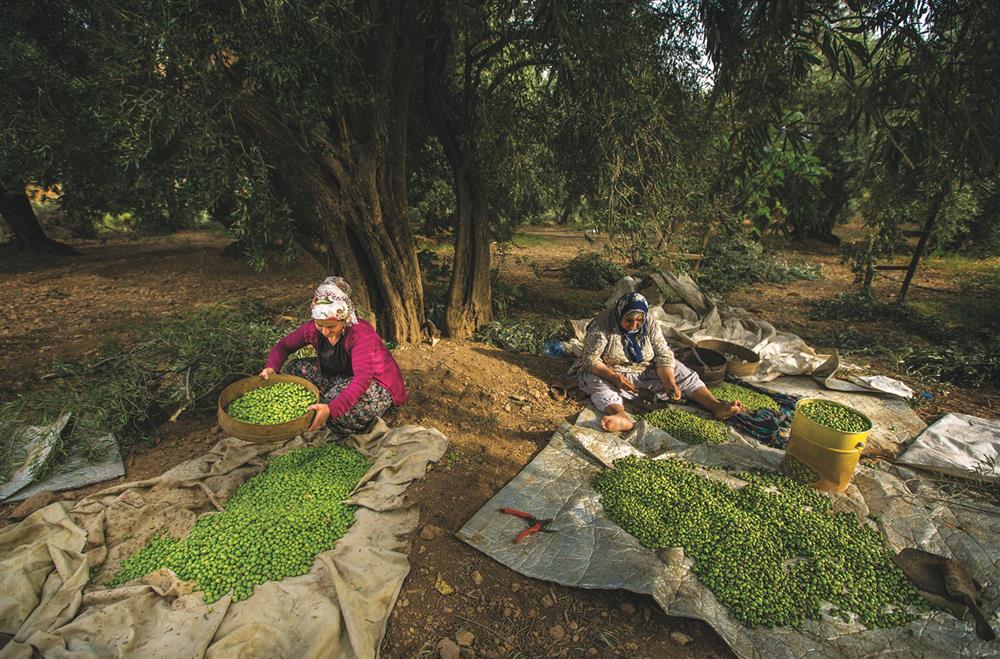
Traditional Olive Cultivation
Traditional olive cultivation is an intangible cultural heritage in Türkiye, encompassing knowledge, methods, and practices transmitted from generation to generation over centuries. This includes practices such as planting, grafting, pruning, and fertilizing olive trees, as well as harvesting and processing olives and producing olive oil. In 2023, Türkiye’s element titled “Traditional Knowledge, Methods, and Practices Related to Olive Cultivation” was inscribed on the UNESCO List of Intangible C
EN
Nursena Güller

Sigiriya Ancient City
Ancient City of Sigiriya, Sri Lanka's center, is one of the country’s archaeological sites. The site’s main development dates to the late 5th century CE (end of the 400s), but its history extends as far back as 300 BCE. The defining feature of Sigiriya is the royal palace situated atop a granite monolith rising approximately 165 to 200 meters above the surrounding plain. This 5th-century palace and its gardens, first documented in archaeological records in the late 19th century, have been at the
EN
Nursena Şahin
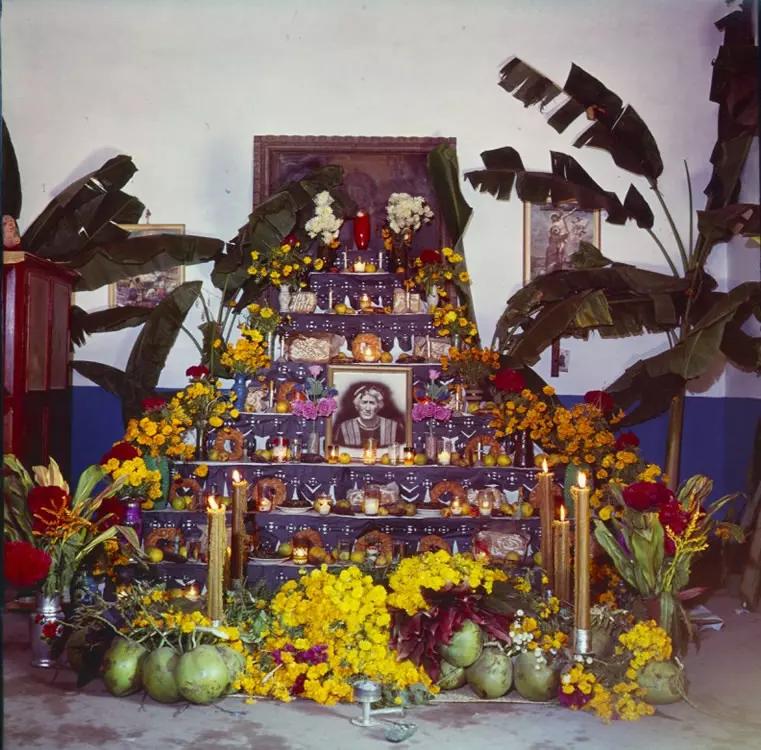
Day of the Dead (Día de los Muertos)
Day of the Dead (Spanish: Día de los Muertos) is a traditional cultural and religious holiday observed in various regions of Latin America, especially Mexico, dedicated to honoring deceased family members and ancestors. Celebrated annually on November 1 and 2, the festivities are based on the belief that the souls of the deceased return briefly to the world of the living. The holiday is known for its colorful rituals that emphasize the continuity of life, family bonds, and intergenerational memo
ENNursena Şahin
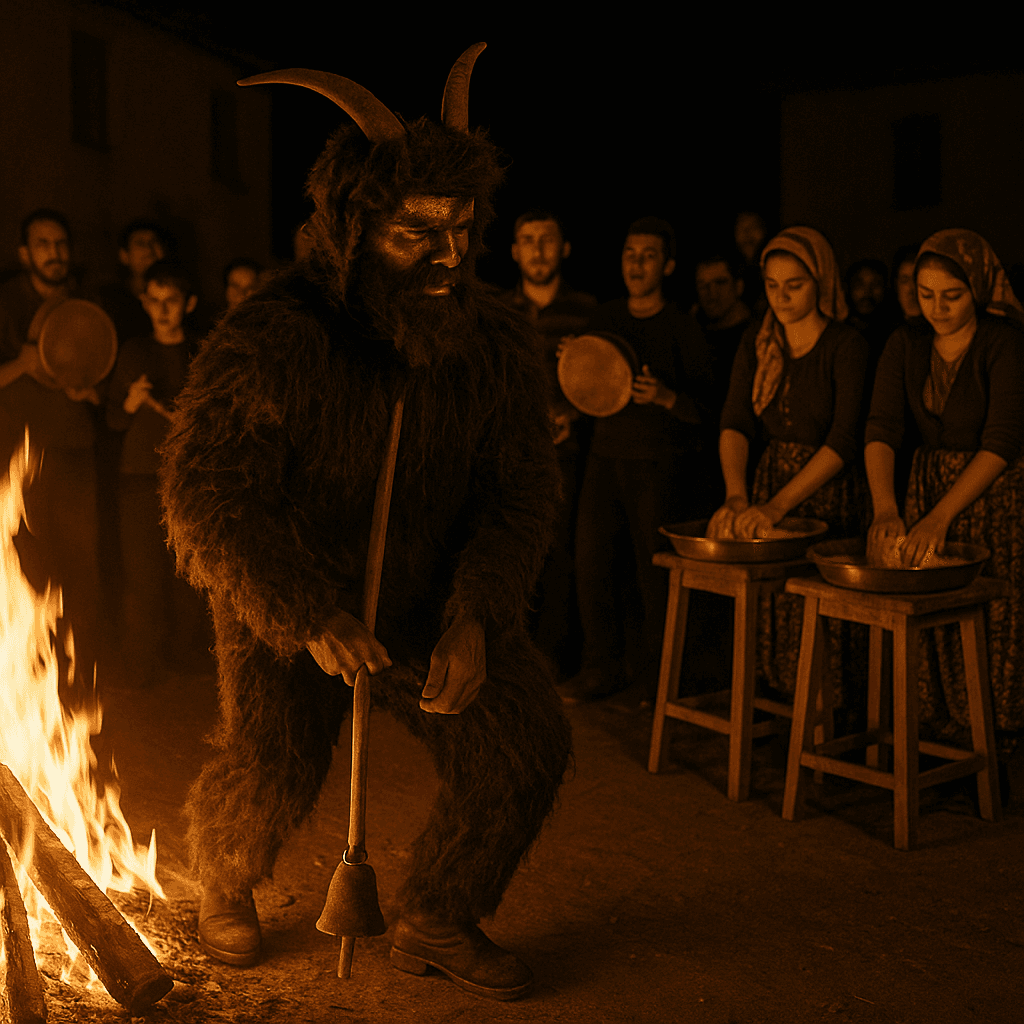
Pıngıdık Game
Pıngıdık Oyunu is a traditional folk game and rite of passage practiced by the Tahtacı Türkmen community in Gökbük Village of the Finike district in Türkiye’s Antalya province. It is classified as a “spectacle game” and is widely believed to originate from Central Asian Turkic traditions and early Anatolian theatrical/ritual practices. It is recorded that the game was officially included in Türkiye’s National Inventory of Intangible Cultural Heritage in 2014. Game Area, Timing and Social Context
EN
Sümeyye Akkanat Terzioğlu
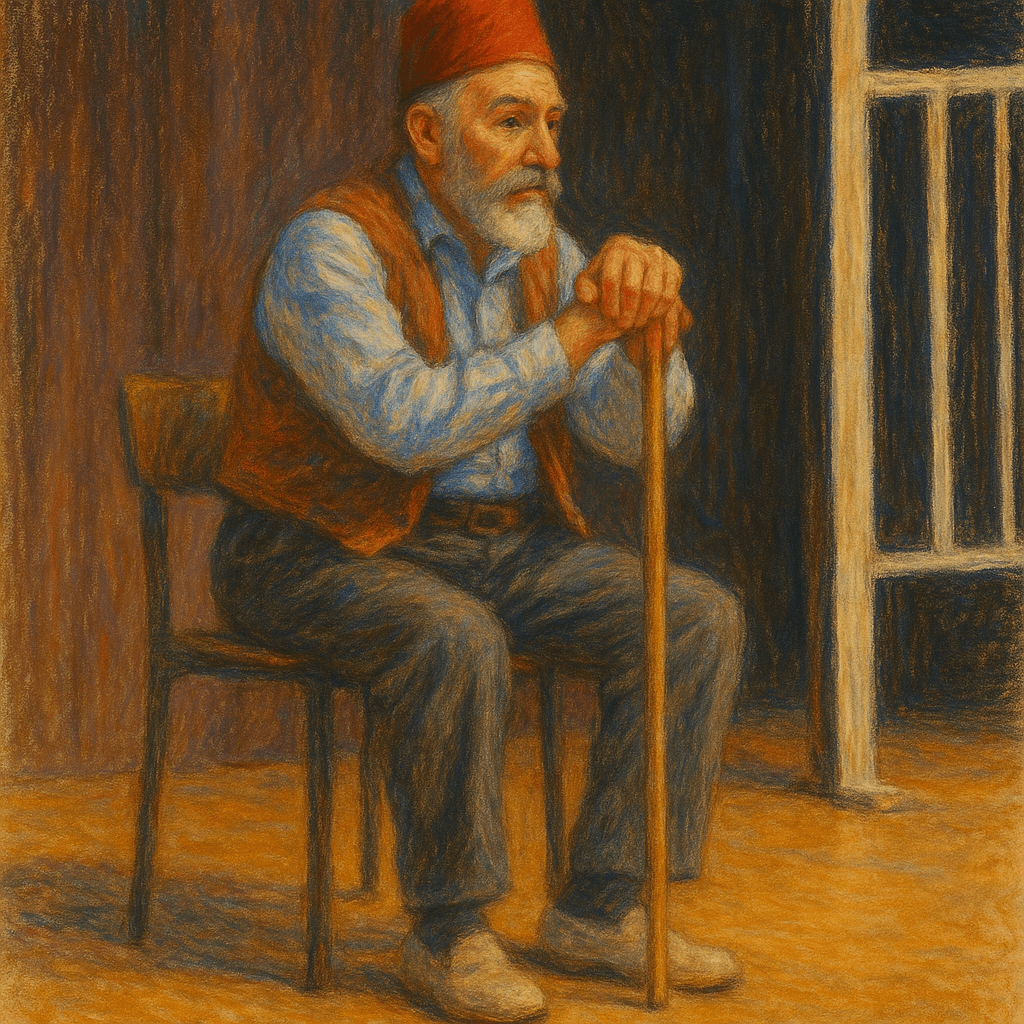
Meddahlık
Meddahlık is a storytelling art that aims to entertain the audience through imitation, impersonation, and dramatization. The practitioner of this art is called a meddah, a term derived from Arabic meaning “one who praises” or “one who extols.” Meddahlık is also defined as the improvised storytelling performance by artists known as meddahs, who entertain the public using imitation, humor, gestures, and facial expressions. The success of the art depends on the meddah’s rhetorical skill and the con
ENYahya B. Keskin
 Kü
KüKürsübaşı Tradition
The "Kürsübaşı" tradition can be defined as a cultural practice observed particularly in Elazığ and its surrounding areas, where elements of oral folk narratives, music, and conversation come together. This practice offers a space for social interaction, typically during the winter months, in a room or house where individuals gather around a stove or hearth. It serves as a setting in which traditional oral culture elements are transmitted, social communication is maintained, and certain social r
ENSümeyye Akkanat Terzioğlu
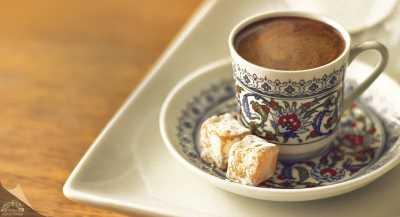
Turkish Coffee
Turkish coffee is a beverage distinguished by its unique aroma, foam, and sediment, made from roasted and finely ground seeds of the coffee plant (Coffea arabica). It is typically served in small, single-handled cups, accompanied by water and Turkish delight. Although the coffee plant does not grow in Türkiye, Turkish coffee is differentiated by its distinctive grinding and brewing methods. History The introduction of Turkish coffee into Ottoman society dates back to the mid-16th century. Coffee
EN
Zelal Çakar
Goat herding
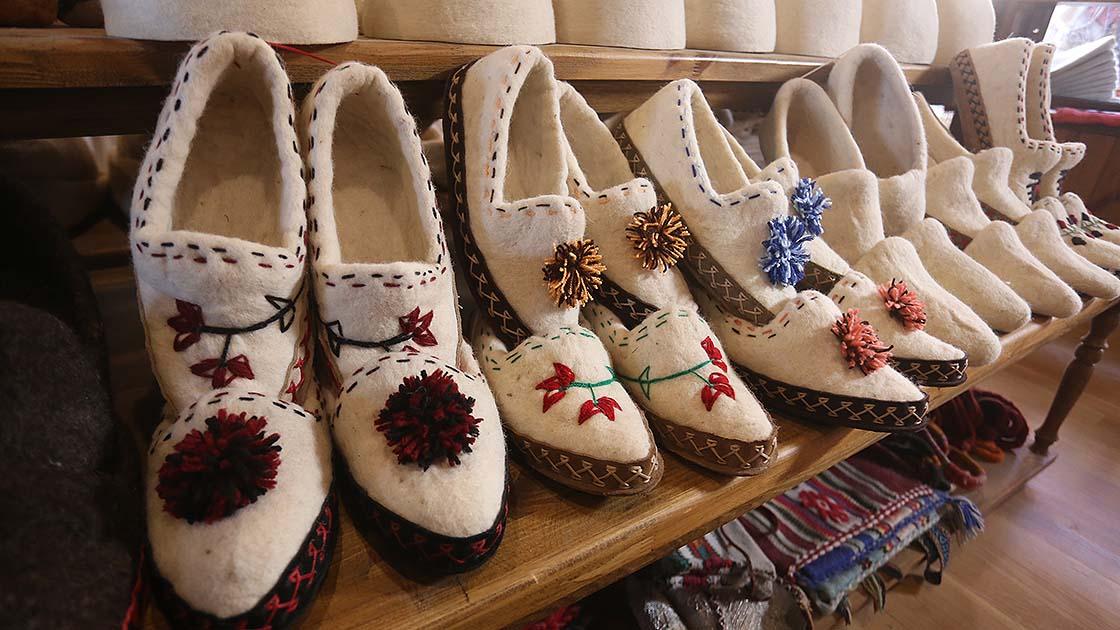
Feltmaking is a craft that involves the production of items through the felting of natural fibers such as sheep’s wool. Those who practice this trade are called felt master or feltmaker. Feltmaking is an ancient craft that extends from the steppes of Central Asia to the hans, bazaars, and village squares of Anatolia. Felt is a traditional textile material formed when wool fibers cling together under the influence of moisture, heat, and pressure, resulting in a non-woven surface. Originating from
EN
Elif Laçin
Şanlıurfa Culinary Museum
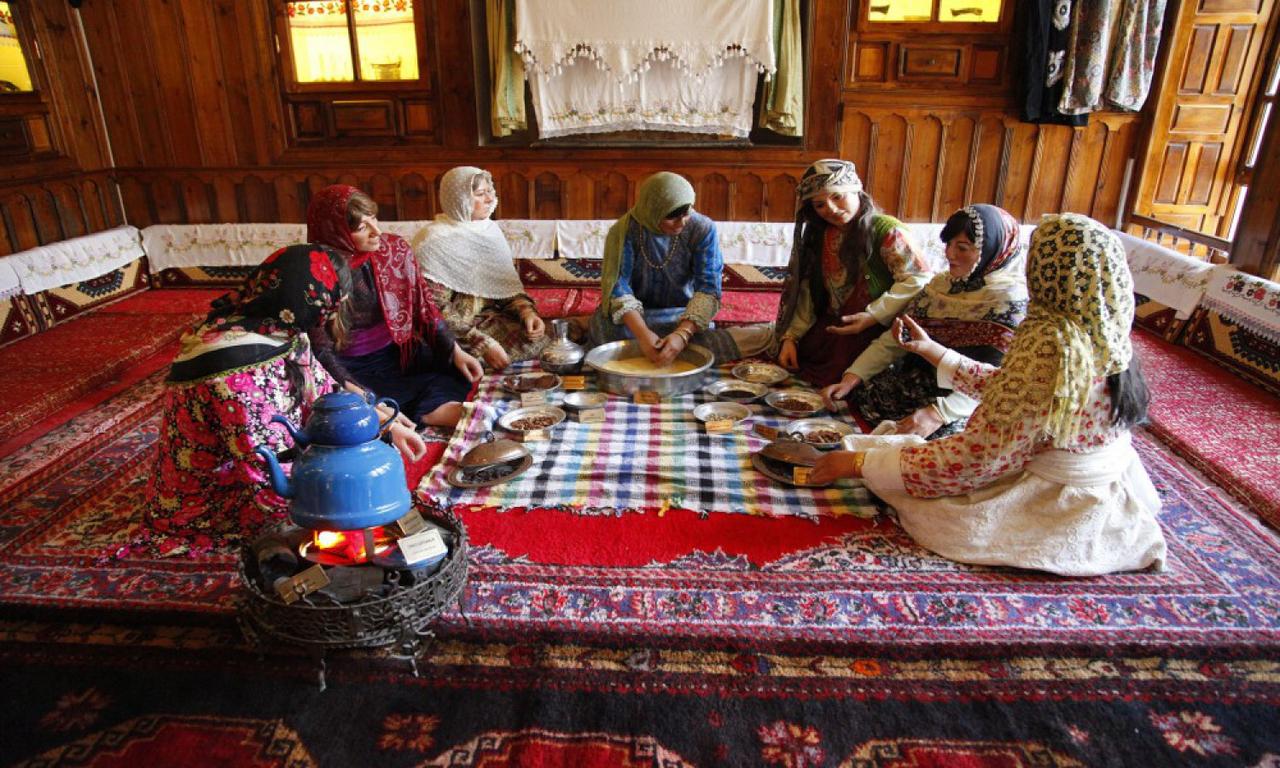
Şanlıurfa Culinary Museum is a thematic museum established to preserve, document, and present the rich culinary culture of Türkiye’s southeastern region. Opened in 2011 by the Şanlıurfa Metropolitan Municipality, the museum exhibits a wide range of cultural elements including traditional dishes, cooking techniques, dining customs, kitchen utensils, and food-related social rituals. It also serves as a symbolic representation of the city’s deep-rooted gastronomic identity, recognized by UNESCO’s C
EN
Hüseyin Caner Özkan