


This article was automatically translated from the original Turkish version.
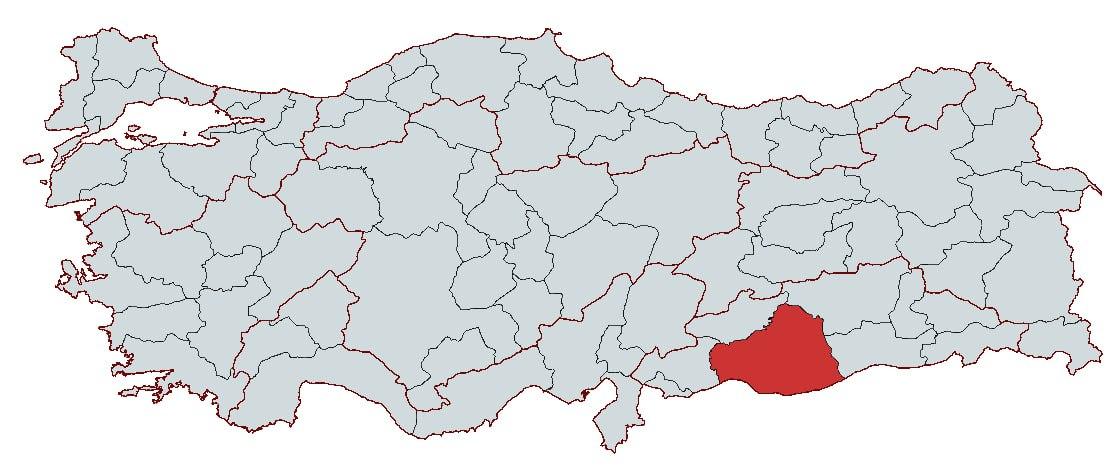
Şanlıurfa
Country | Türkiye | ||||||||
|---|---|---|---|---|---|---|---|---|---|
Region | Southeastern Anatolia | ||||||||
Population (2023) | 2,213,964 | ||||||||
Area | 18,584 km² | ||||||||
Climate | Continental and Semi-Arid | ||||||||
Elevation | 477 m | ||||||||
History | 10,000s BC | ||||||||
Major Districts | Eyyübiye, Haliliye, Karaköprü, Siverek | ||||||||
Important Places | Göbekli Tepe, Balıklıgöl, Harran, Halfeti, Urfa Kalesi | ||||||||
Famous Cuisine | Urfa kebabı, çiğ köfte, lahmacun, şıllık tatlısı | ||||||||
Mayor | Mehmet Kasım Gülpınar | ||||||||
Area Code(s) | 414 | ||||||||
License Plate | 63 | ||||||||
Şanlıurfa is a city located in southeastern Türkiye, with a history extending back to 10,000 BCE. In antiquity, the city was known as Edessa, and during the Ottoman period it was called Urfa. In 1984, it was granted the honorific title “Şanlı” in recognition of its heroic resistance, and its official name became Şanlıurfa. Geographically, Şanlıurfa borders Mardin to the east, Gaziantep to the west, Adıyaman and Diyarbakır to the north, and Syria to the south.
As of 2023, Şanlıurfa has a population of 2,213,964 and is one of Türkiye’s youngest cities. 37 percent of its population is aged 0–14. The districts with the highest population densities are Eyyübiye, Haliliye and Karaköprü. While urban migration to the city center continues, population levels in rural areas are declining.
Şanlıurfa is a significant cultural center due to its historical sites such as Göbekli Tepe, Balıklıgöl and Harran. With its young population and rich historical heritage, it plays an important role in Türkiye’s economic and cultural development.
class=\
Şanlıurfa’s history extends back to 10,000 BCE and it is recognized as one of the world’s oldest continuously inhabited settlements. Throughout history, the city has come under the rule of many civilizations including the Sumerians, Hittites, Assyrians, Babylonians, Persians, Romans, Byzantines, Umayyads, Abbasids, Seljuks and Ottomans.
In antiquity, the city was known as Edessa. In the 4th century BCE, it was rebuilt by Seleucus I Nicator, one of Alexander the Great’s generals, and came under Hellenistic influence. Later, under Roman and Byzantine rule, Edessa became an important center due to its strategic location.
In the 7th century, with the arrival of Islamic armies, the city became part of the Islamic cultural sphere under the Umayyads and Abbasids. Particularly during the Abbasid period, in 814 CE, the walls of the current castle were constructed to strengthen the city’s defenses.
In 1517, during Yavuz Sultan Selim’s campaign in Egypt, Urfa was incorporated into Ottoman territory. During this period, it became an important center of trade and culture. Administered as a sancak within the Ottoman administrative structure, the city was cosmopolitan, with diverse ethnic and religious communities living together.
Following the Armistice of Mudros, Urfa was occupied first by the British and then by the French. In 1920, after a courageous popular resistance, the city was liberated from occupation. In commemoration of this heroism, in 1984 the Grand National Assembly of Türkiye granted the city the honorific title “Şanlı,” and its official name became Şanlıurfa.
Today, Şanlıurfa is a major tourist destination due to its rich historical and cultural heritage. Archaeological sites such as Göbekli Tepe shed light on the city’s prehistoric past and attract international attention. Other tourist attractions such as Balıklıgöl, Harran and Halfeti also draw visitors. Şanlıurfa’s rich history, which brings together traces of multiple civilizations, continues to preserve its cultural diversity and significance today.
Şanlıurfa is located in the Southeastern Anatolia Region of Türkiye. It borders Mardin to the east, Gaziantep to the west, Adıyaman and Diyarbakır to the north, and Syria to the south.
Şanlıurfa has a young and rapidly growing population, reaching 2,213,964 as of 2023. Male and female populations are nearly equal. With one of Türkiye’s highest fertility rates, 37 percent of the population is aged 0–14, making Şanlıurfa one of the youngest provinces in the country.
The majority of the population is concentrated in central districts such as Eyyübiye, Haliliye, Karaköprü and Siverek. The city continues to grow at a rate of 2.02 percent annually, but economic factors have also led to outward migration. According to 2014 data, more people left the city than arrived, indicating a net population loss.
Şanlıurfa’s urbanization process continues, and as a city with a young and dynamic workforce, it requires sustained economic and social investment.
Şanlıurfa’s economy is primarily based on agriculture, with energy, tourism and animal husbandry also playing significant roles. Thanks to its vast and fertile agricultural land, the province alone contains a major portion of Türkiye’s irrigable land. Major agricultural products include cotton, wheat, lentils, maize, barley, pistachios and peppers. Additionally, Ceylanpınar Agricultural Enterprises, one of Türkiye’s largest farms, is located within the province’s boundaries.
Industry is largely agriculture-based, with textiles and food processing holding significant shares in manufacturing. Electricity generated by the Atatürk Dam contributes substantially to the national energy supply, and fishing activities at the dam also support the economy. Moreover, the Akçakale Border Gate is an important commercial point for the province’s economy.
Tourism also holds an important place in Şanlıurfa’s economy. Historical and cultural sites such as Göbekli Tepe, Balıklıgöl and Harran attract both domestic and international tourists. This has contributed to the growth of the service sector.
Şanlıurfa’s history extends back to 10,000 BCE. The city is home to Göbekli Tepe, the world’s oldest known temple complex. This archaeological site, listed on the UNESCO World Heritage List, is regarded as one of humanity’s earliest centers of religious belief.
Şanlıurfa is considered an important center in Islam, Christianity and Judaism.
Göbekli Tepe: Göbekli Tepe, the world’s oldest known temple complex, holds great significance in archaeological discovery.
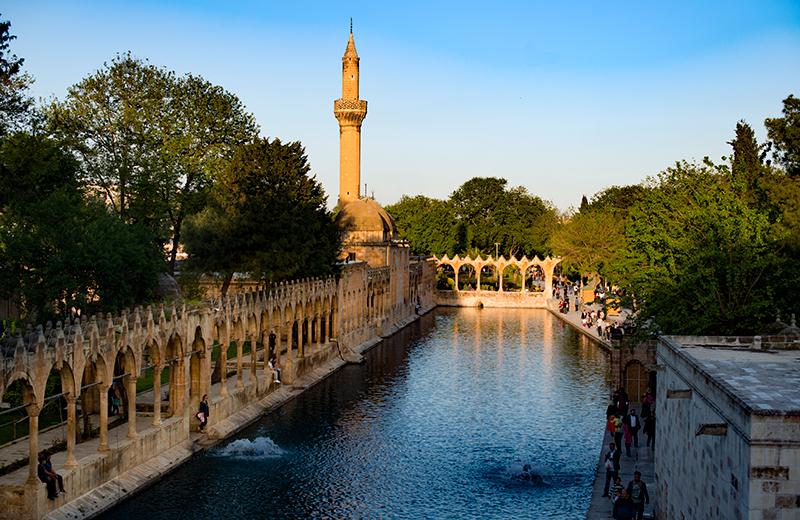
Balıklıgöl and Halil-ür Rahman Mosque: The historically and religiously significant Balıklıgöl is notable for its sacred carp and surrounding historical structures.
Harran: Harran, one of the world’s oldest settlements, is known for its beehive-shaped houses and for hosting the first university in the Islamic world.
Urfa Castle: Located in the city center, Urfa Castle attracts visitors with its historical legacy and panoramic views.
Halfeti: Known as the “Hidden Paradise,” Halfeti draws attention with its stone structures submerged under the waters of the Birecik Dam. Boat tours allow visitors to explore the sunken village of Savaşan Köyü.
Atatürk Dam and GAP Project: The Southeastern Anatolia Project (GAP), one of Türkiye’s largest irrigation and energy initiatives, has made significant contributions to Şanlıurfa’s agricultural and economic development.
Gastronomy (Şanlıurfa Cuisine): Şanlıurfa cuisine is known for its rich flavors reflecting the region’s cultural diversity.
Gezimanya. "Şanlıurfa Hakkında Bilinmesi Gerekenler." Accessed February 6, 2025.https://gezimanya.com/turkiye/sanliurfa-hakkinda-bilinmesi-gerekenler.
Invest Şanlıurfa. "Şanlıurfa Genel Ekonomik Görünüm." Accessed February 6, 2025.https://www.investsanliurfa.com/sanliurfa/genel-ekonomik-gorunum--410.
Nüfusu.com. "Şanlıurfa Nüfusu." Accessed February 6, 2025.https://www.nufusu.com/il/sanliurfa-nufusu.
Urfa.tr. "Şanlıurfa Genel Bilgi, Nüfus ve Coğrafi Yapı." Accessed February 6, 2025.https://urfa.tr/sanliurfa-genel-bilgi-nufus-ve-cografi-yapi/.
Şanlıurfa Büyükşehir Municipality. "Şanlıurfa Tarihi." Accessed February 6, 2025.https://www.sanliurfa.bel.tr/icerik/1/1/sanliurfa-tarihi.
Şanlıurfa Valiliği Resmi Web Sitesi. "Şanlıurfa Genel Bilgiler." Accessed February 6, 2025.http://www.sanliurfa.gov.tr/.
Şanlıurfa Valiliği. "Kültür ve Turizm." Accessed February 6, 2025.http://www.sanliurfa.gov.tr/kultur-turizmi.

Şanlıurfa
Country | Türkiye | ||||||||
|---|---|---|---|---|---|---|---|---|---|
Region | Southeastern Anatolia | ||||||||
Population (2023) | 2,213,964 | ||||||||
Area | 18,584 km² | ||||||||
Climate | Continental and Semi-Arid | ||||||||
Elevation | 477 m | ||||||||
History | 10,000s BC | ||||||||
Major Districts | Eyyübiye, Haliliye, Karaköprü, Siverek | ||||||||
Important Places | Göbekli Tepe, Balıklıgöl, Harran, Halfeti, Urfa Kalesi | ||||||||
Famous Cuisine | Urfa kebabı, çiğ köfte, lahmacun, şıllık tatlısı | ||||||||
Mayor | Mehmet Kasım Gülpınar | ||||||||
Area Code(s) | 414 | ||||||||
License Plate | 63 | ||||||||
No Discussion Added Yet
Start discussion for "Şanlıurfa (Province)" article
Founding History
Antiquity and Edessa
Spread of Islam and the Medieval Period
Ottoman Period
War of Independence and the “Şanlı” Title
Şanlıurfa Today
Geographical Structure
Demographics
Economy
Cultural Heritage
Beliefs and Legends
Historical and Tourist Sites