


This article was automatically translated from the original Turkish version.
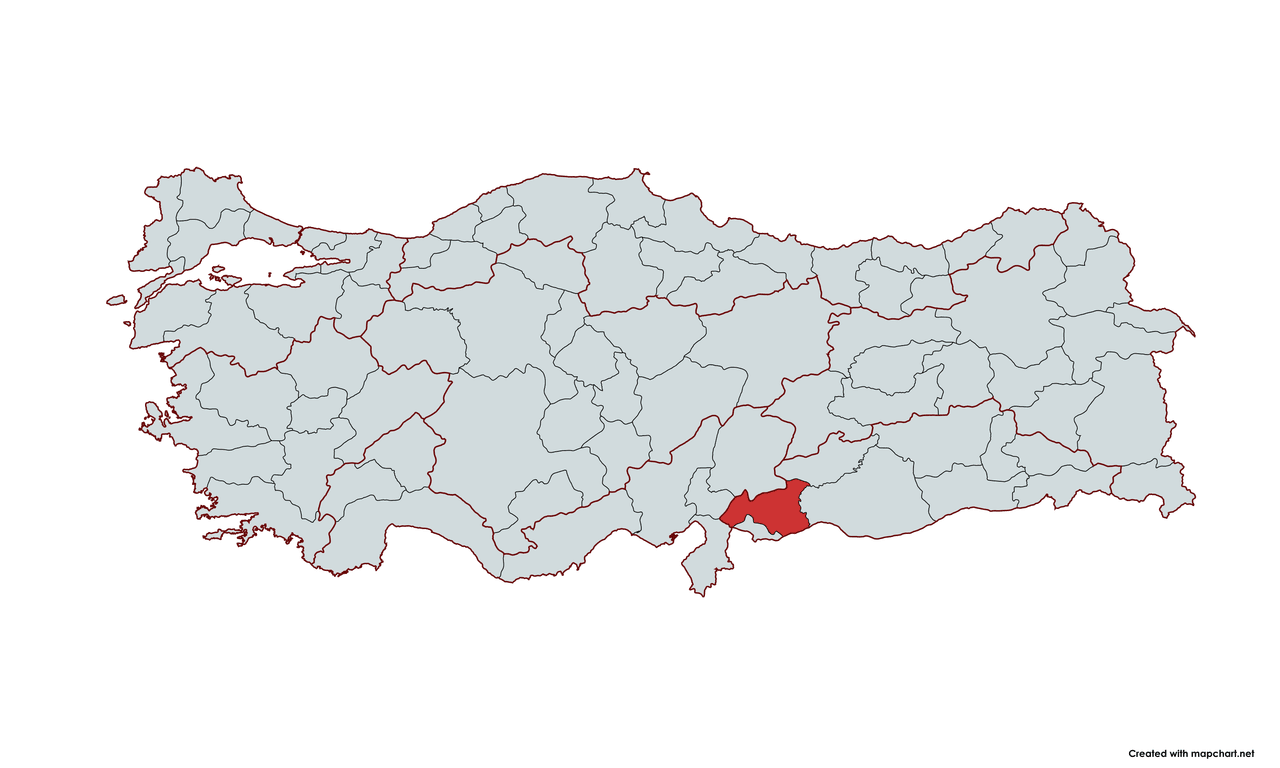
Gaziantep
Country | Türkiye | ||||||||
|---|---|---|---|---|---|---|---|---|---|
Region | Mediterranean Region - Southeastern Anatolia Region | ||||||||
Population (Number) | 2193363 | ||||||||
Area (km²) | 6887 | ||||||||
Climate | Continental Climate - Mediterranean Climate | ||||||||
Important Places | Zeugma Mosaic Museum, Bayazhan City Museum, Yesemek Open Air Museum | ||||||||
Area Code | 0342 | ||||||||
License Plate Code | 27 | ||||||||
Governor | Kemal Çeber | ||||||||
Metropolitan Municipality Mayor | Fatma Şahin | ||||||||
Gaziantep is a city located in the southeastern Anatolia region of Türkiye. Historically, it has served as a home to numerous civilizations, granting it a rich cultural heritage. The city is an important center historically and culturally. Historical structures such as Gaziantep Kalesi, the Zeugma Mozaik Müzesi, and the old urban fabric enhance interest in the region. Gaziantep is also significant in terms of traditional crafts; copperwork and hand weaving products form a vital part of the local economy. Gaziantep’s agricultural production constitutes another major dimension of its economy. Products such as pistachio, pomegranate, and olive are prominent agricultural outputs in the region. This diversity supports the dynamism and sustainability of the city’s economic structure.
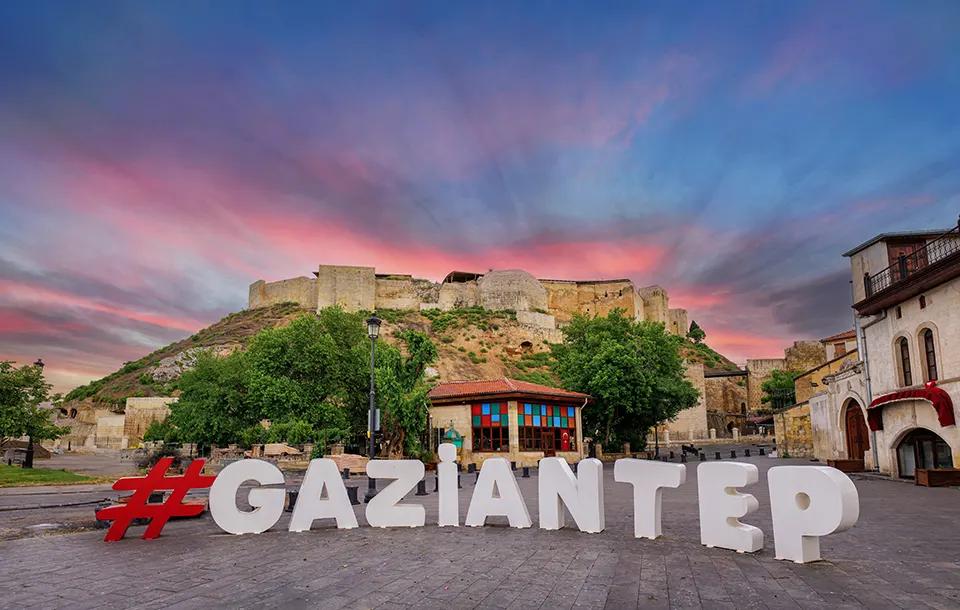
Gaziantep
The city is particularly renowned for its cuisine and has been included by UNESCO in its Creative Cities Network. Gaziantep cuisine exhibits great diversity in regional dishes and flavors, many of which are geographically protected. Key delicacies in Gaziantep cuisine include baklava, beyran soup, katmer, and lahmacun. Additionally, products such as Gaziantep pistachios and Gaziantep baklava enjoy high demand both locally and internationally. Gaziantep is home to 107 geographically protected products, which make significant contributions to the city’s cultural and economic value.
Gaziantep is a city with a rich historical and geographical past, having hosted numerous civilizations throughout its history. Located in southeastern Anatolia, it has been an important center both historically and strategically. Gaziantep’s history dates back to ancient times, benefiting from its position at the junction of Mesopotamia and the Mediterranean.
Gaziantep’s history extends to the ancient era. The earliest settlement traces are estimated to go back to around 3500 BCE. The city was directly associated with some of the first great civilizations, including the Sumerians and Akkadians. Throughout its history, Gaziantep came under the rule of major civilizations such as the Hittites, Assyrians, Urartians, Persians, and the Macedonian Kingdom, and due to its strategic location, it remained a significant settlement throughout every era.
In antiquity, the city was known as “Antep,” and the states and civilizations established in the region adopted this name. During the Roman Empire, the city began to develop as an important part of the empire. Gaziantep became a vital defensive center for safeguarding the empire’s borders, and many enduring structures were built during this period.
After coming under Byzantine rule, Gaziantep was conquered by the Arabs in the 7th century. Following the spread of Islam, the city came under the control of major Islamic states such as the Abbasids and the Umayyads. Throughout the Middle Ages, Gaziantep developed as a major cultural and trade center within the Islamic world. The region held an economically significant position due to its location along key caravan routes.
During this period, Gaziantep also hosted numerous architectural and cultural works. Some of the city’s mosques, madrasas, and bathhouses date from this era. These structures reflect the deep influence of Islamic culture in the city.
During the Ottoman Empire, Gaziantep maintained its status as an important city. After joining Ottoman territories in the 16th century, it became a significant administrative center. Gaziantep developed both militarily and commercially, with numerous hans, bazaars, and caravanserais constructed. During this period, Gaziantep’s cuisine and handicrafts also experienced major growth. The Ottoman era was a time of significant cultural and economic expansion for Gaziantep.
During the Turk War of Independence, Gaziantep was one of the cities that displayed fierce resistance against French occupation. In 1919, the French occupied the city, but the people of Gaziantep launched a determined struggle against this occupation. In 1921, Gaziantep achieved a decisive victory against the French during the War of Independence, cementing its status as a symbol of the Turkish nation’s fight for independence. Following this victory in 1921, the city was granted the honorific title “Gazi.”
After the proclamation of the Republic, Gaziantep rapidly developed as a center of industry and trade in Turkey. During this period, infrastructure, education, and healthcare services underwent major transformation, while industrial activities increased significantly. In the early years of the Republic, Gaziantep became a major center for the food industry, textiles, and carpets.
Today, Gaziantep continues to exist as both an important industrial center of Türkiye and a city rich in cultural heritage. The city is particularly known for globally recognized products such as baklava and Gaziantep pistachios, as well as its historical structures, museums, and traditional handicrafts. Gaziantep has been included by UNESCO in its Creative Cities Network, a title that has formally recognized the city’s cultural and gastronomic value on a global scale.
Having been shaped by numerous civilizations throughout its history, Gaziantep remains a significant center due to its cultural richness and its potential for trade and industry. This historical legacy has made Gaziantep one of the most notable cities in both Türkiye and the world.
Gaziantep is a province located in southeastern Türkiye, geographically close to the eastern part of the Mediterranean Region and also situated among the provinces of the Southeastern Anatolia Region. With one of the largest land areas in Türkiye, Gaziantep has historically been an important settlement due to its strategic location. The province borders Şanlıurfa to the west, Kilis to the east, Syria to the south, and Adıyaman and Kahramanmaraş to the north.
Gaziantep’s general terrain consists largely of mountainous and plain areas. The city lies at the foothills of the Amanos Mountains, an extension of the Taurus Mountains, which run parallel from east to west. These mountainous areas influence the climate and vegetation cover. The highest points in the city reach up to 2,000 meters in elevation at the peaks of the Amanos Mountains.
The province’s fertile plains are concentrated in the İslahiye, Barak, Araban, Yavuzeli, and Oğuzeli regions. The Euphrates River, Nizip Creek, Afrin Creek, Merziman Creek, and Alleben Stream are the main waterways of Gaziantep, highlighting the region’s rich water resources.
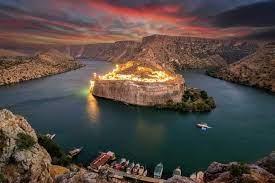
Euphrates River
Gaziantep has a climate characterized by the combination of continental and Mediterranean influences. Summers are hot and dry, while winters are mild and rainy. Summer temperatures often reach up to 35°C, while winter temperatures remain around 5°C. Rainfall is concentrated mainly in spring and autumn, with almost no rainfall during summer months. These climatic conditions make irrigation methods essential for agriculture.
Gaziantep’s natural vegetation is dominated by forests of black pine, oak, and Aleppo pine. Additionally, olive trees and vineyards are other elements contributing to the region’s natural wealth. The concentration of arable land enables the city to be rich in food production and agricultural output. Major agricultural products grown in Gaziantep include wheat, barley, cotton, maize, olive, grape, and pistachio.
Gaziantep’s geographic location has made it an important city both historically and commercially. Due to its position at the junction of Mesopotamia and the Mediterranean, it has served as a crucial crossroads throughout history. Situated at the intersection of the Middle East, the Mediterranean, and Southeastern Anatolia, Gaziantep constitutes a strategic node for both national and international trade routes. This situation has transformed the city over time into a major center of trade and industry.
The districts of Gaziantep are as follows:
Gaziantep is one of the most populous provinces in Türkiye. As of 2023, the provincial population is approximately 2.1 million. Population growth has occurred rapidly in recent years, driven by the city’s size and economic potential, which attract both internal and external migration. The province has a high population density, though this varies across settlement areas. As a metropolitan municipality, Gaziantep is a region experiencing increasing urbanization and industrialization.
Gaziantep is a highly developed province in terms of industry, agriculture, and trade, and these factors are key drivers of population growth and migration. Additionally, the province has a notably young population, providing a significant advantage in terms of labor force and education. Gaziantep is also known for its cultural diversity and the presence of numerous ethnic groups.
Gaziantep is one of Türkiye’s most advanced and dynamic economies. The province’s economic structure is shaped by a strong integration of industry, agriculture, and trade. Gaziantep holds particular importance in the field of industry and production.
Industry: Gaziantep is one of Turkey’s leading industrial cities. The industrial sector is diversified across textiles, food, machinery, automotive, and metal industries. Gaziantep is also one of Turkey’s largest food production centers, renowned for products such as baklava, spices, dried fruits, and olive oil. Organized industrial zones and small industrial sites provide significant employment opportunities. The province’s industrial infrastructure has helped establish it as a regional trade hub.
Agriculture: Gaziantep possesses highly fertile soils and produces major agricultural products. Olive, pistachio, cotton, wheat, vegetables, and fruits are the province’s primary agricultural outputs. Pistachio is one of Gaziantep’s most important agricultural products and is famous worldwide. In addition, various fruit varieties and high-quality vineyards are cultivated in the plains and mountainous areas surrounding the city.
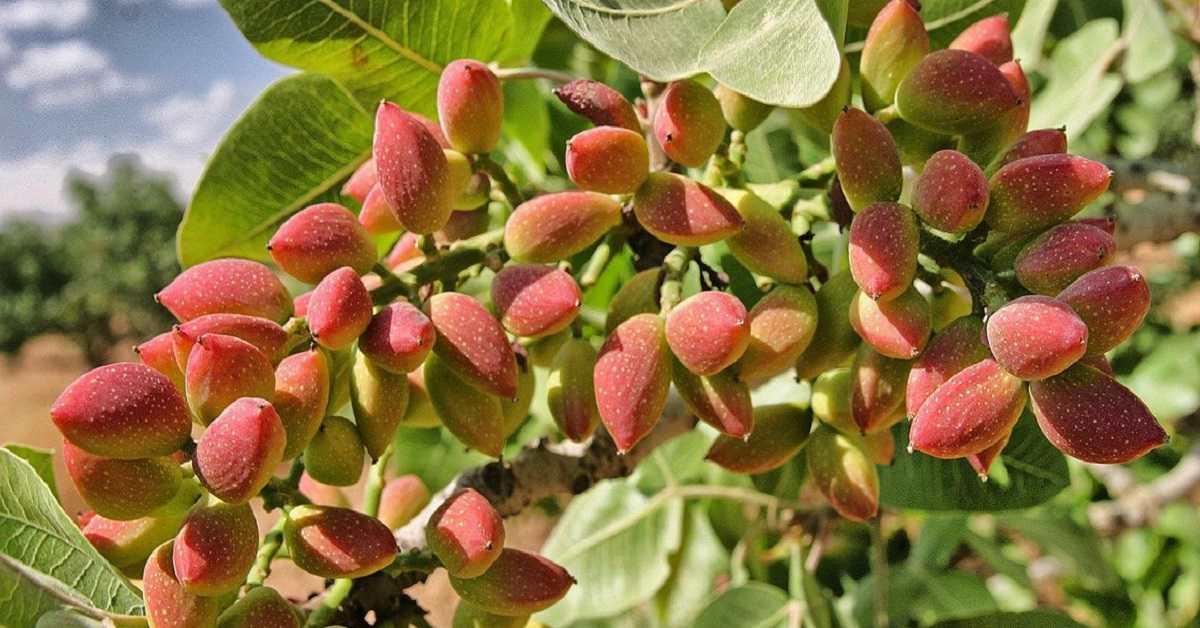
Gaziantep Pistachio
Trade: Gaziantep is a major center for exports. It is one of Turkey’s largest exporting provinces, particularly known for textile, food, and agricultural exports. Exports play a major role in Gaziantep’s economic growth. The province’s geographic advantages and international trade connections have enabled it to access markets in the Middle East, Europe, and Africa.
In recent years, the tourism sector has gained significant importance in Gaziantep’s economy. The city attracts both domestic and international tourists through its historical and cultural richness, gastronomy, and handicrafts. Particularly recognized by UNESCO as a “City of Gastronomy,” Gaziantep is globally renowned for its cuisine and baklava, enhancing the economic contribution of visitors.
Gaziantep’s strong industrial infrastructure, agricultural potential, and intense trade activity are key factors in its economic growth. The city continues to expand with increasing economic dynamism each year.
Gaziantep’s history extends back to prehistoric times. Historical structures, ancient cities, mosaics, and ruins reveal the region’s millennia-old past. Gaziantep Kalesi, dominating the city center, is a vital site for understanding the region’s history. Additionally, the ancient city of Zeugma and its mosaic collections are key components of Gaziantep’s historical heritage. The Zeugma Mozaik Müzesi, with its world-famous mosaics, is one of the city’s most visited attractions.
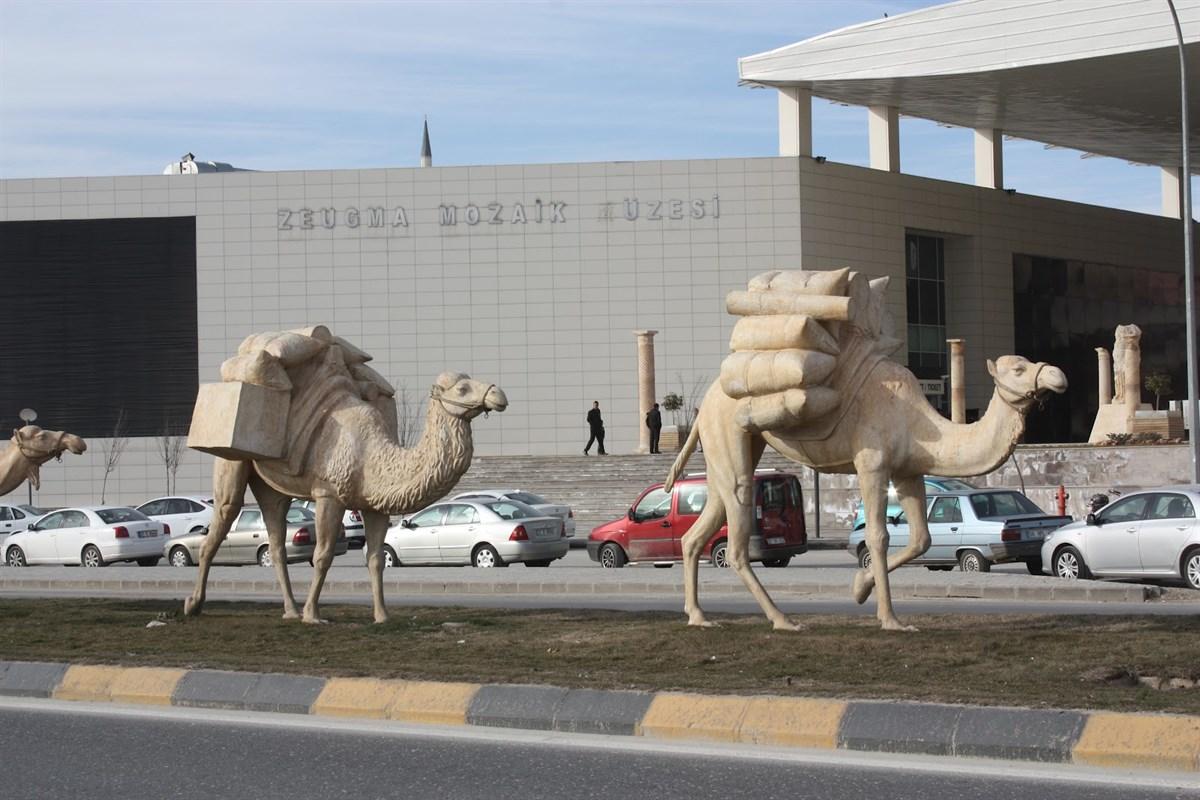
Zeugma Mozaik Müzesi-1
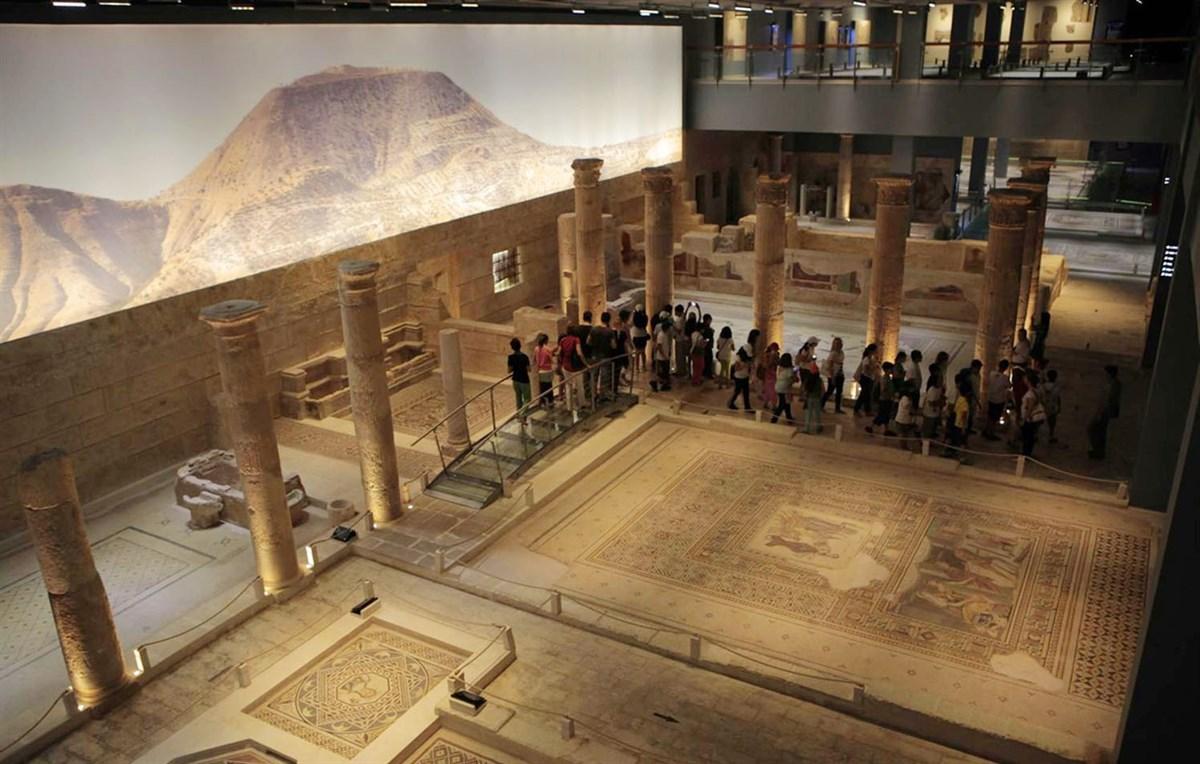
Zeugma Mozaik Müzesi-2
Bayazhan City Museum is an important cultural site reflecting Gaziantep’s historical fabric. Located near the city center, this museum offers a deep insight into the city’s past and traditional ways of life. Bayazhan is a historic building constructed in 1909. Originally the residence of a wealthy merchant family, it later served various functions. Restored in 2009, it was opened to the public as a museum and is named after the Bayazhan family who lived there.
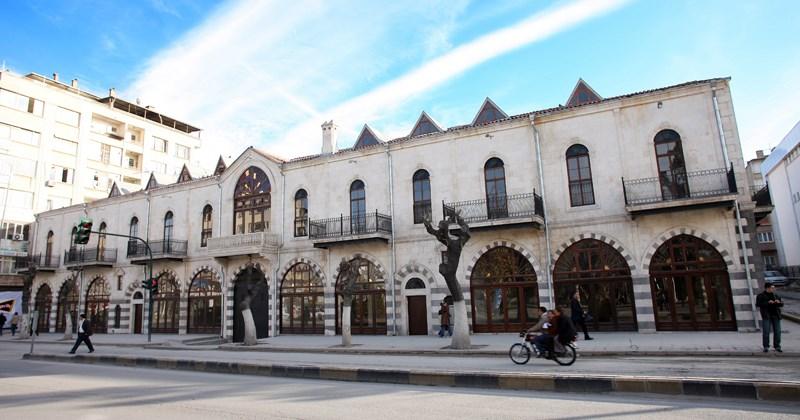
Bayazhan City Museum
The museum presents numerous elements related to Gaziantep’s past. Visitors can explore archaeological artifacts, objects reflecting daily life in earlier eras, historical photographs, examples of handicrafts, and traditional clothing, gaining a closer understanding of the city. The Bayazhan City Museum is a vital source for understanding the social and cultural structure of Gaziantep during the Ottoman period and the early years of the Republic.
Yesemek Open-Air Museum, located within the boundaries of Gaziantep province, is a significant site for history and archaeology enthusiasts. It is an open-air museum housing ancient stone sculptures and artifacts, particularly renowned for its Hittite-era works.
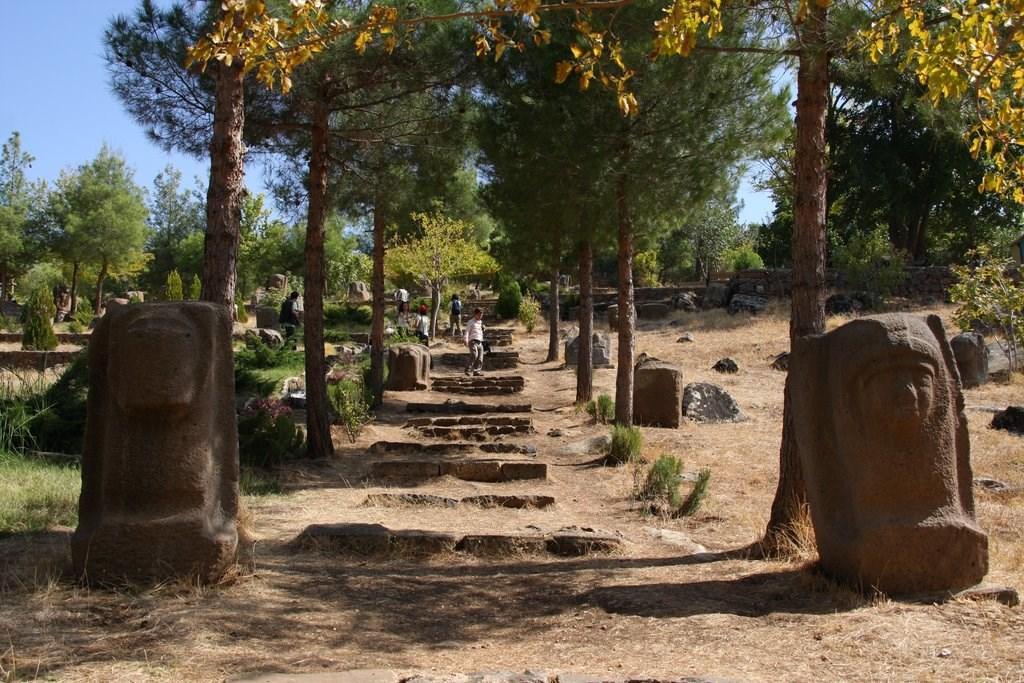
Yesemek Open-Air Museum
Gaziantep cuisine is one of the most important elements of the city’s tourism. The city has been included by UNESCO in its Creative Cities Network for gastronomy. Gaziantep cuisine is famous for kebabs, mezes, baklava, lahmacun, and içli köfte. Gaziantep baklava is internationally renowned and one of the city’s most iconic gastronomic symbols. Numerous restaurants, cafes, and pastry shops in the city offer visitors the chance to explore Gaziantep’s culinary traditions.
Gaziantep is also renowned for its traditional handicrafts. Copperwork, carpet weaving, soap making, handmade ceramics, and tile work offer visitors authentic souvenirs. The city’s historic bazaars, particularly the Bakırcılar Çarşısı and Zincirli Bedesten, are key locations where these handicrafts are displayed and sold.
Gaziantep offers a nature-integrated tourism experience. Mountains such as Sofdağları, Dülükbaba, and Ganibaba are ideal for hiking and mountaineering. Additionally, boat tours along the Euphrates River and picnic areas provide ideal spaces for tourists to relax and enjoy nature.
Numerous cultural events and festivals are held throughout the year in Gaziantep. One of the most famous is the annual Baklava and Sweet Festival, where the city’s renowned sweets and gastronomic delights are showcased. Additionally, handicrafts festivals, music events, and cultural activities attract tourists.
Gaziantep cuisine stands out as one of the richest and most rooted in Turkish culinary tradition. The city is known for its centuries-old gastronomic heritage and unique dishes. A key feature of Gaziantep cuisine is the masterful use of rich spices and local ingredients, resulting in hearty and flavorful dishes centered on meat and vegetables.
Main Dishes and Delicacies:
Gaziantep Governor Kemal Çeber was born in 1972 in Artova district of Tokat. After graduating from Ankara University Faculty of Political Sciences, he began his career in public administration and served as a district governor in various provinces. Appointed Governor of Rize in 2017, he assumed the role of Gaziantep Governor in 2023. Çeber has contributed to numerous initiatives in crisis management, disaster response, and urban transformation.
Gaziantep Metropolitan Municipality Mayor Fatma Şahin was born in Gaziantep in 1966. After graduating from Istanbul Technical University’s Department of Chemistry and Metallurgy, she entered politics and became one of Turkey’s first female members of parliament in 2002. Elected Mayor of Gaziantep Metropolitan Municipality in 2014, Şahin has held several international roles and declared Gaziantep a “Green City.” She was re-elected for a third term in the 2024 local elections.
"Gaziantep Coğrafyası," Gaziantep Büyükşehir Belediyesi. Accessed February 13, 2025.https://www.gaziantep.bel.tr/tr/gaziantepi-kesfet/gazianep-cografyasi.
"Gaziantep," TDV İslâm Ansiklopedisi. Accessed February 13, 2025.https://islamansiklopedisi.org.tr/gaziantep.
"Turizm Aktiviteleri," Gaziantep İl Kültür ve Turizm Müdürlüğü. Accessed February 13, 2025.https://gaziantep.ktb.gov.tr/TR-52312/turizm-aktiviteleri.html.
"İlimize Ait Tescillenmiş Coğrafi İşaretli Ürünler," Gaziantep İl Kültür ve Turizm Müdürlüğü. Accessed February 13, 2025.https://gaziantep.ktb.gov.tr/TR-207872/ilimize-ait-tescillenmis-cografi-isaretli-urunler.html.
"Şehrimiz," Gaziantep Valiliği. Accessed February 13, 2025.http://www.gaziantep.gov.tr/sehrimiz

Gaziantep
Country | Türkiye | ||||||||
|---|---|---|---|---|---|---|---|---|---|
Region | Mediterranean Region - Southeastern Anatolia Region | ||||||||
Population (Number) | 2193363 | ||||||||
Area (km²) | 6887 | ||||||||
Climate | Continental Climate - Mediterranean Climate | ||||||||
Important Places | Zeugma Mosaic Museum, Bayazhan City Museum, Yesemek Open Air Museum | ||||||||
Area Code | 0342 | ||||||||
License Plate Code | 27 | ||||||||
Governor | Kemal Çeber | ||||||||
Metropolitan Municipality Mayor | Fatma Şahin | ||||||||
No Discussion Added Yet
Start discussion for "Gaziantep (Province)" article
History
Ancient Period
Middle Ages and Islamic Period
Ottoman Period
War of Independence and Republican Era
Modern Gaziantep
Geography
Geographical Features
Climate
Vegetation and Natural Resources
Impact of Geographic Location on the Economy
Districts
Population
Economy
Tourism
Historical and Cultural Richness
Gastronomy
Handicrafts and Souvenirs
Natural Beauty and Recreation
Festivals and Events
Cuisine
Administration