


This article was automatically translated from the original Turkish version.
+1 More
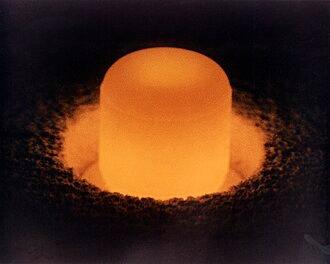
Plutonium-238
Symbol | Pu-238 | ||||||||
|---|---|---|---|---|---|---|---|---|---|
Atomic Number | 94 | ||||||||
Half-life | 87.7 years | ||||||||
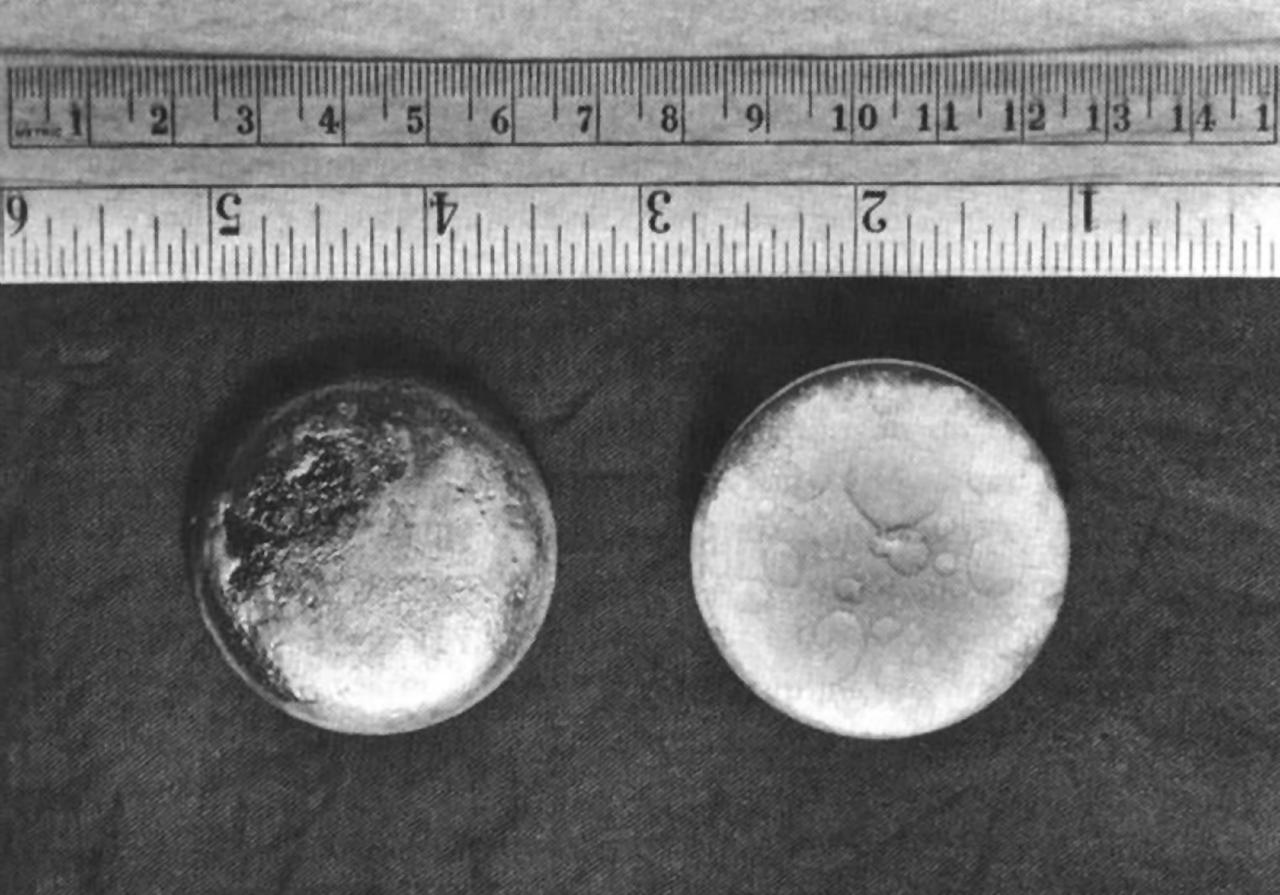
Plutonium is known as the second transuranic element in the actinide series. It was discovered in 1940 by Glenn T. Seaborg, Joseph W. Kennedy, Edward M. McMillan, and Arthur C. Wohl at the University of California, Berkeley. This discovery resulted from the bombardment of uranium-238 with deuterons. The process produced neptunium-238 and two free neutrons; neptunium-238 then decayed via beta emission to formplutonium-238. The discovery of plutonium was part of the effort to develop the atomic bomb during World War II and therefore remained undisclosed to the public until 1946. Plutonium derives its name fromPluto, the dwarf planet in the Solar System. This naming follows the sequence of the planets: Pluto, discovered after Uranus and Neptune, lent its name to plutonium, the element discovered after uranium and neptunium. Plutonium is a radioactive metallic element that occurs rarely in nature and is almost entirely synthetic. It is produced in nuclear reactors when uranium-238 atoms absorb neutrons. The most stable isotope of plutonium, plutonium-244, has a half-life of approximately 82 million years. Plutonium emits alpha particles, beta particles, neutrons, and gamma rays. Alpha particles are a type of radiation with low penetration and short range. However, if plutonium is inhaled or ingested, it can accumulate in the lungs and cause long-term health problems. ### Plutonium Isotopes and Their Half-Lives Plutonium has five common isotopes: Pu-238, Pu-239, Pu-240, Pu-241, and Pu-242. All of these isotopes are fissile, meaning they can undergo fission when struck by a neutron. Their half-lives are as follows: **Pu-238**: 87.7 years **Pu-239**: 24,100 years **Pu-240**: 6,560 years **Pu-241**: 14.4 years **Pu-242**: 373,300 years Isotopes with shorter half-lives decay more rapidly and emit higher levels of radioactivity.
class=\
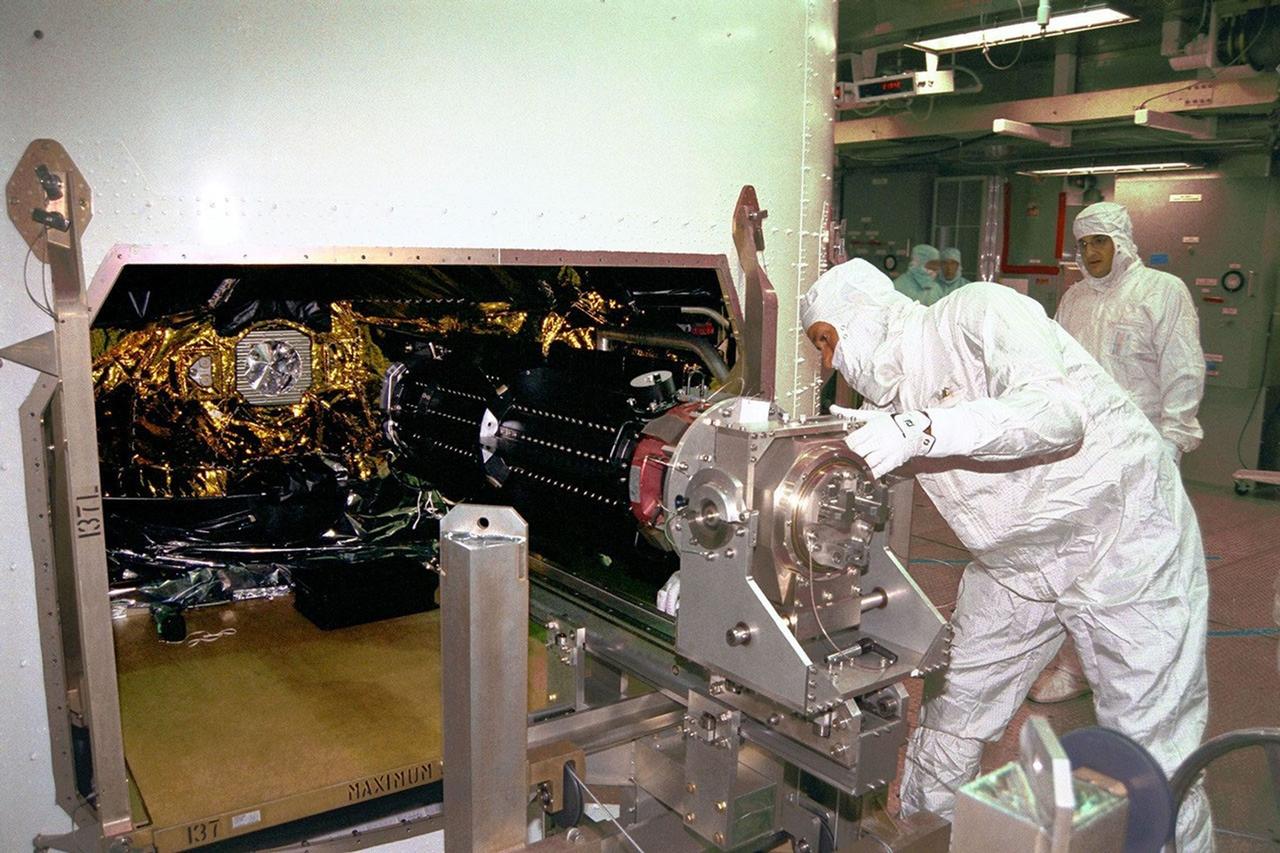
### Plutonium-238 Plutonium-238 is one of the most important isotopes of plutonium and is particularly used in space research. This isotope provides electricity and heat to spacecraft through radioisotope thermoelectric generators (RTGs). The natural radioactive decay of plutonium-238 offers a long-lasting and reliable source of heat. #### Properties of Plutonium-238 **Half-life**: 87.7 years **Radiation type**: Alpha particles (low neutron and gamma radiation) **Power density**: High (produces significant heat even in small quantities) **Stability**: Stable at high temperatures and retains its properties over many years #### Use in Space Missions Plutonium-238 has played a critical role in many NASA space missions. For example: **Cassini**: Spacecraft that studied Saturn and its moons **New Horizons**: Spacecraft that explored Pluto and beyond **Perseverance**: Rover searching for signs of life on Mars Plutonium-238 enables spacecraft to operate far from the Sun or during nighttime. It also generates the electricity needed to power scientific instruments and communication systems. ### Other Uses of Plutonium **Nuclear Weapons**:Plutonium-239is a key component of nuclear weapons. One of the first atomic bombs developed during the Manhattan Project, "Fat Man," was made using plutonium-239. **Nuclear Energy**: Plutonium can be used as fuel in nuclear reactors. Mixed Oxide (MOX) fuel, a mixture of plutonium and uranium oxides, is used innuclear power plantsin some countries. **Medical Applications**: Plutonium-238 has been used as a long-lasting power source in some cardiac pacemakers.
class=\
### Environmental and Medical Effects of Plutonium As a radioactive element, plutonium poses risks to the environment and human health. When inhaled or ingested, it can accumulate in the lungs and lead to long-term health problems. Therefore, safe storage and handling of plutonium are of great importance. ### Plutonium-238 Production and Future The United States halted plutonium-238 production in the 1980s but resumed production in 2011 at the Oak Ridge National Laboratory. This production provides the plutonium needed for radioisotope power systems used in NASA space missions. Plutonium-238 is expected to remain an indispensable resource for future space exploration.
NASA Science. *Radioisotope Power Systems: About Plutonium-238*. Accessed February 11, 2025.Accessed Adresi.
National Center for Biotechnology Information. *Plutonium - PubChem*. Accessed February 11, 2025.Accessed Adresi.
U.S. Nuclear Regulatory Commission. Plutonium. Accessed February 11, 2025.

Plutonium-238
Symbol | Pu-238 | ||||||||
|---|---|---|---|---|---|---|---|---|---|
Atomic Number | 94 | ||||||||
Half-life | 87.7 years | ||||||||
No Discussion Added Yet
Start discussion for "Plutonium and Plutonium-238" article