

`space-research` Related Article Results

Artificial Intelligence in Space
Artificial Intelligence in Space is the collective set of technologies that enable computer systems to mimic human-like cognitive processes in humanity’s efforts to understand and explore the universe. These technologies are applied across a wide range of fields including mission planning, autonomous system management, big data analysis, astronaut support, and space debris tracking. Artificial intelligence plays a critical role in addressing the uncertainties and challenges inherent in space res
EN
Sümeyye Akkanat Terzioğlu
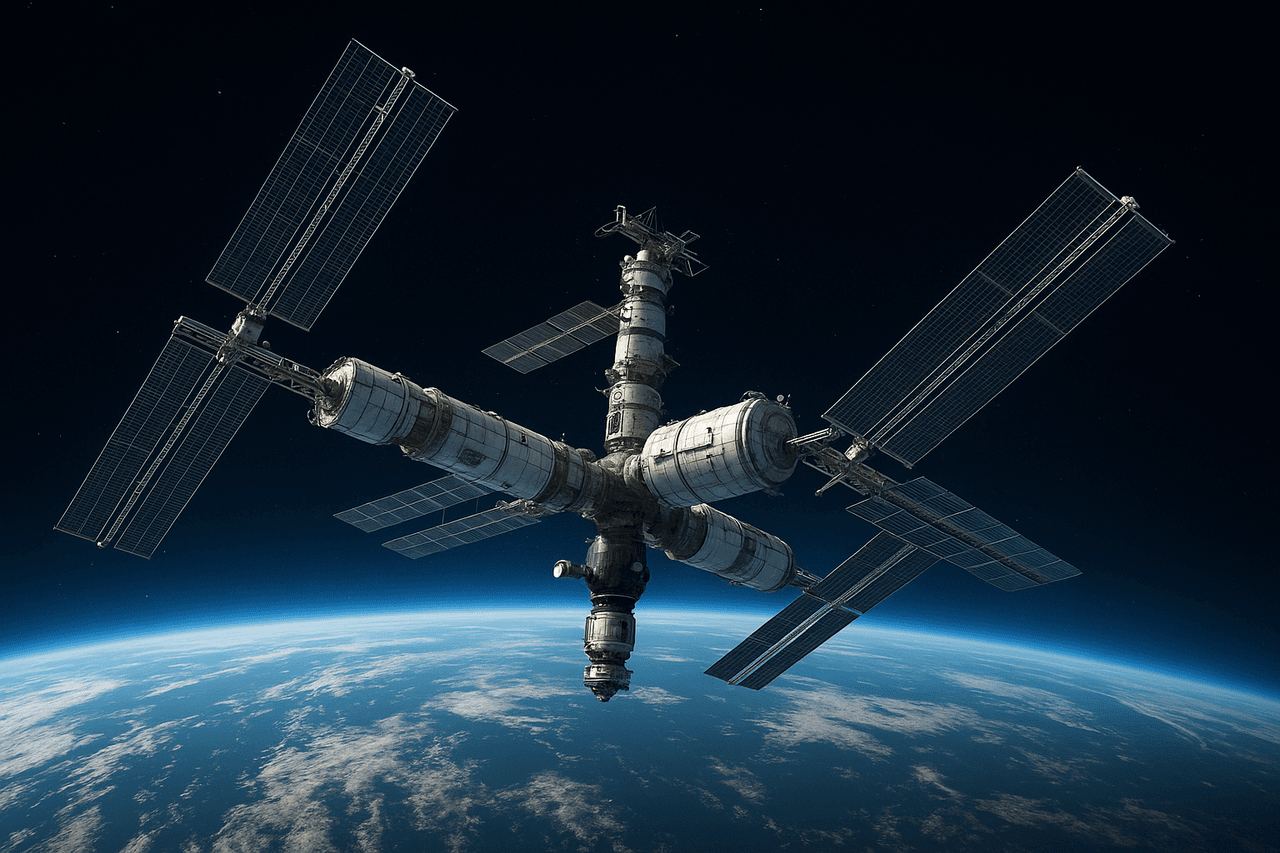
Space Stations
Space station is a platform designed for humans to live, work, and conduct scientific research for extended periods in the vacuum of space. These structures, typically placed in low Earth orbit, differ from other spacecraft in that they lack their own powerful propulsion systems. Instead, they are visited by other spacecraft such as rockets and shuttles, which dock with them to transport astronauts and cargo. Space stations are engineered to remain in orbit for weeks, months, or even years. They
EN
Beyza Nur Türkü
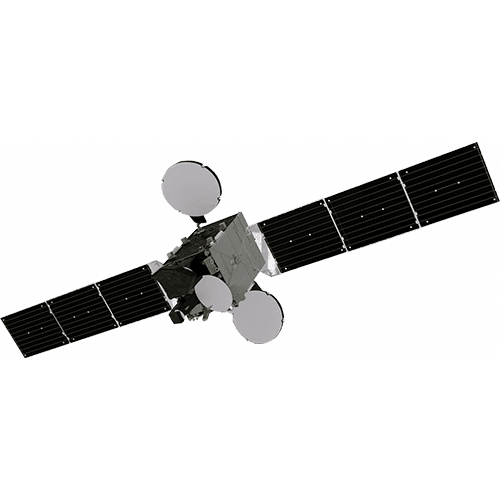
TÜRKSAT 6A
TÜRKSAT 6A is Türkiye’s first fully domestic and national communication satellite. It was developed through a collaboration between TUSAŞ, ASELSAN, and CTech under the project management of TÜBİTAK UZAY. With a launch mass of approximately 4.2 tons and a 16-year operational lifespan, the satellite operates in a geostationary orbit at 42° East. TÜRKSAT 6A provides communication and broadcasting services covering large parts of Türkiye, Europe, Asia, and Africa, featuring more than 20 transponders
EN
Zelal Çakar
 Ba
BaBandırma Missile Club
Bandırma Füze Kulübü was founded by five high school students at Şehit Mehmet Günenç High School in Bandırma, Balıkesir. The club continued as a community group under the patronage of the “Füze Kültür Kulübü” starting in 1957. As global rocket activities increased, particularly following the successful launch of the Soviet Union’s Sputnik-1 rocket, the club sought to raise awareness through expanded research in space exploration, rockets, missiles, and atomic energy, as well as by delivering lec
ENBeyza Nur Türkü
TETESS Space Telescope
Güneş Sistemi outside the stars orbiting exoplanets is a space telescope developed to detect. Its mission is to identify regular brightness variations caused by planets passing in front of particularly nearby and bright stars relative to Earth, thereby identifying new planet candidates. Mission Objective and Scientific Goals The primary objective of TESS is to survey a large portion of the sky to detect numerous exoplanet candidates. Unlike previous space telescopes, TESS adopts an observational
EN
Halil İbrahim ALADAĞ
BaBandırma Missile Club
The Bandırma Missile Club was founded by five high school students at Şehit Mehmet Günenç High School in Bandırma, Balıkesir. In 1957, the club continued under the patronage of a community as the "Rocket Culture Club." Following the global increase in rocket activities and especially after the Soviet Union successfully launched Sputnik-1, the club sought to raise awareness by expanding its research into space exploration, rockets, missiles, and atomic energy, and by organizing lectures. Five hig
ENBeyza Nur Türkü
AlAlcubierre Drive
The Alcubierre warp drive proposes a theory in which the geometry of spacetime is distorted to enable a spacecraft to exceed the speed of light. According to the warp theory, the spacecraft itself does not travel faster than the speed of light fast. Instead, the spacetime surrounding the craft is warped; this distortion creates a “wave” around the vehicle. As the front of the craft is compressed and the rear expanded, the spacecraft can traverse vast distances in short periods of time short with
EN
Oksana Gülünay
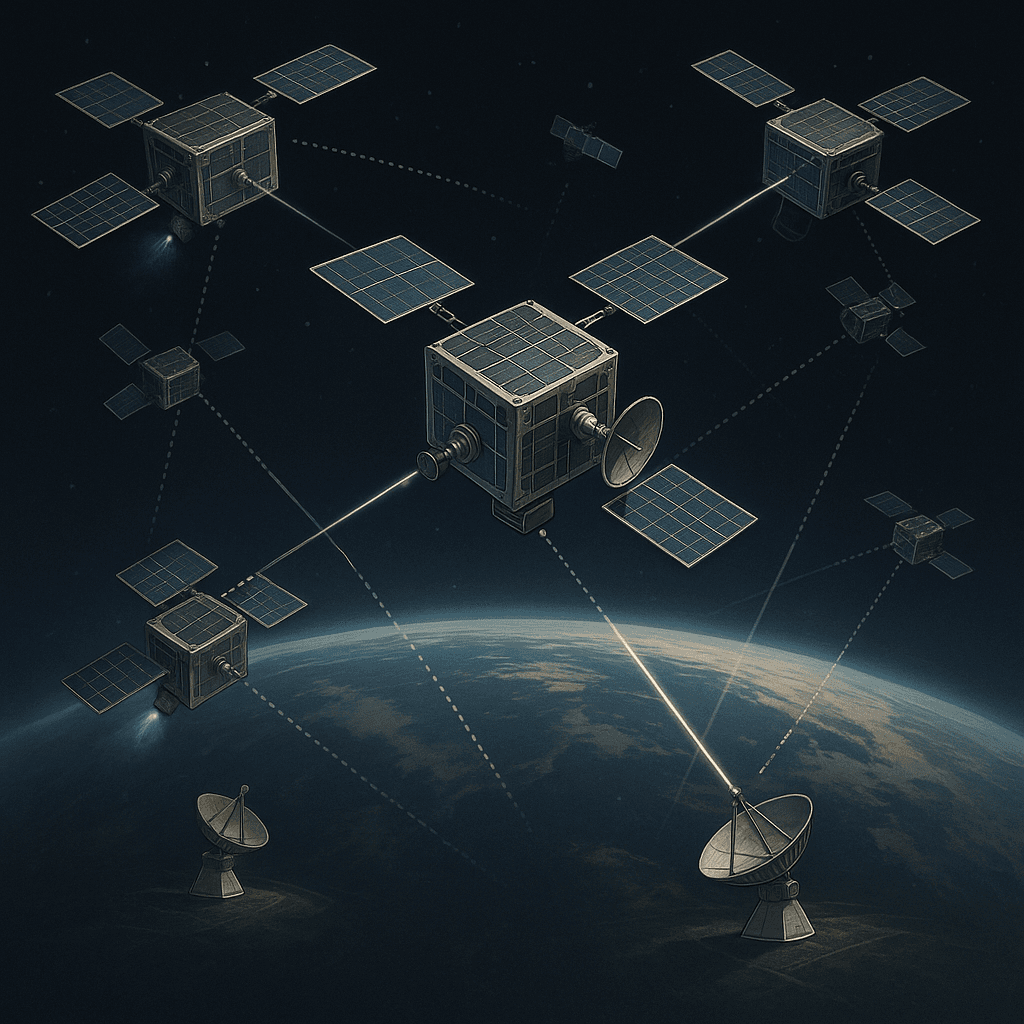
Microsatellite Technologies
Microsatellites are small spacecraft typically weighing between 10 and 100 kilograms. This category forms part of the small satellite (smallsat) family along with even smaller subclasses: nanosatellites (1–10 kg), picosatellites (0.1–1 kg), and femtosatellites (<0.1 kg). Among the earliest examples is Sputnik 1, launched in 1957, which is considered the starting point of this technological lineage due to its mass being close to that of modern microsatellites.Mantzouris, G. “Micro and Pico Sat
EN
Ömer Said Aydın
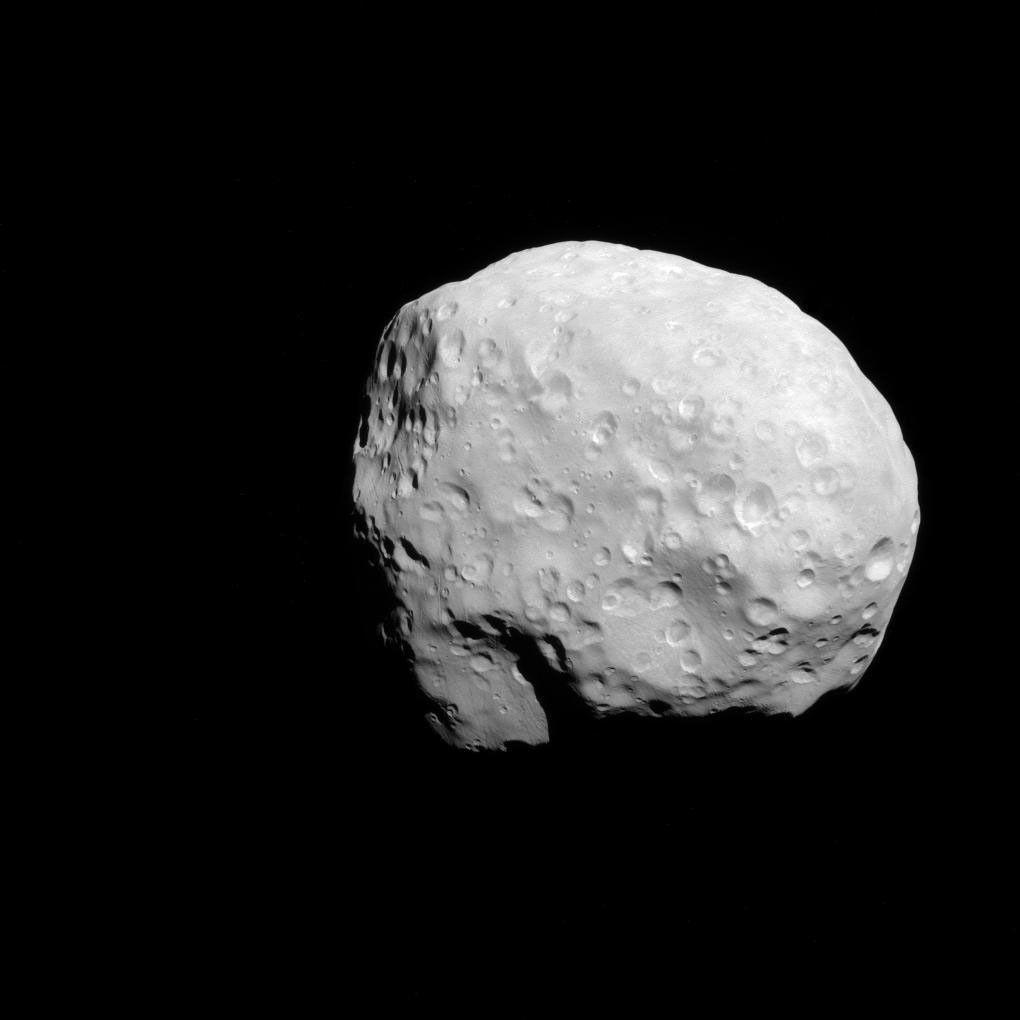
Epimetheus
Epimetheus, Satürn’ün doğal uydularından biridir ve Satürn’ün halka sistemiyle yakın ilişkisi bulunan küçük, düzensiz uydular arasında yer alır. Epimetheus, yörüngesel özellikleri bakımından Satürn sisteminde özgün bir yörünge düzenine sahip olup, Janus uydusuyla kurduğu karşılıklı yörünge etkileşimiyle tanımlanır. Discovery Process Epimetheus was first observed in 1966 by Richard L. Walker; however, this observation was long confused with that of Janus. The definitive identification of Epimethe
ENPelin Demirci
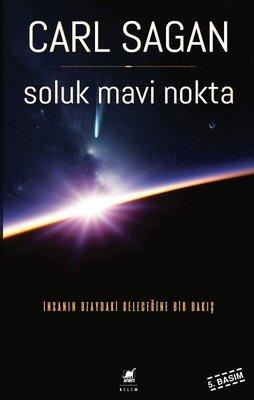
Pale Blue Dot (Book)
The Pale Blue Dot (original title: Pale Blue Dot: A Vision of the Human Future in Space) is a popular science book written by American astronomer, astrophysicist and science communicator Carl Sagan. The book focuses on humanity’s place in the universe space exploration and the future of humankind. Content and Themes The book presents a scientific perspective on the universe humanity and space exploration. Its main themes include: Cosmic Perspective: The position of Earth in the universe and huma
EN
Osman Özbay