

`nuclear-energy` Related Article Results
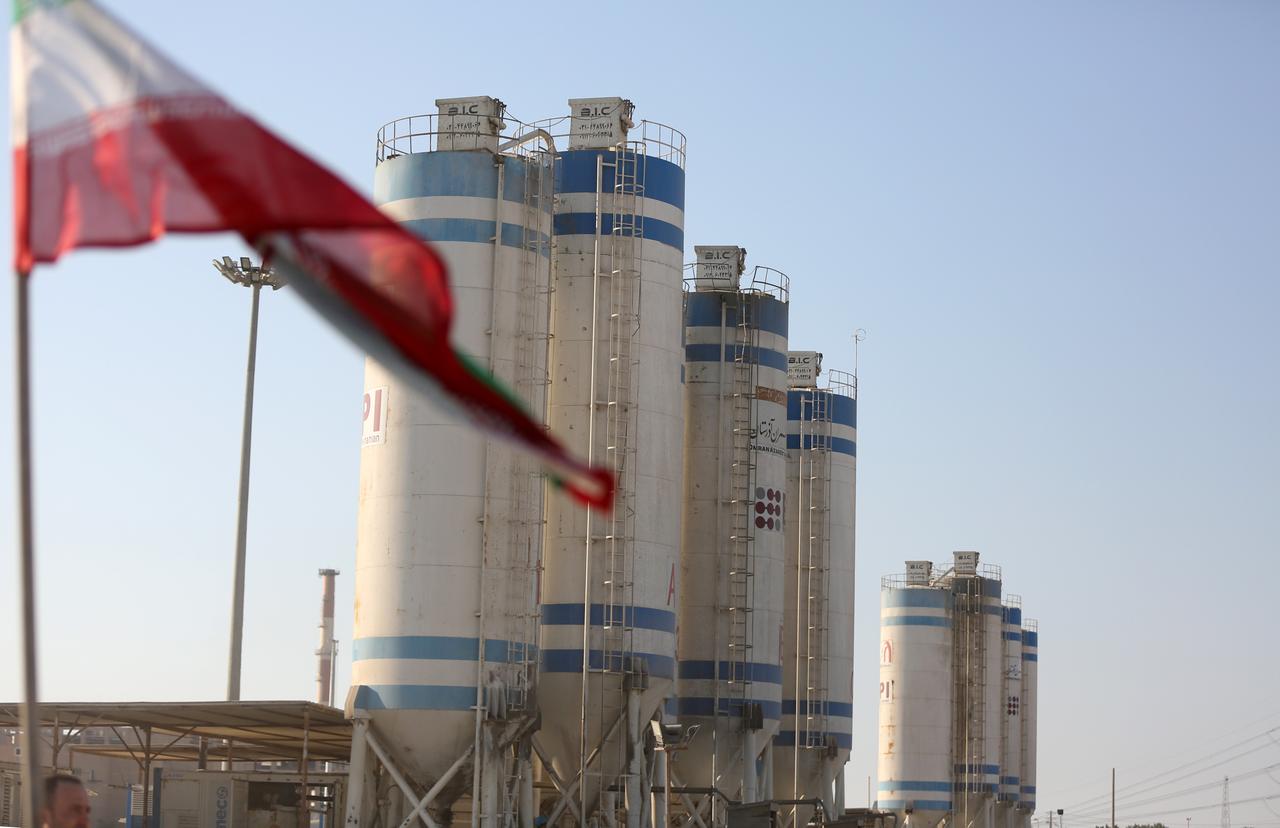
Attacks on the Bushehr Nuclear Power Plant (2026)
The attacks on the Bushehr Nuclear Power Plant (2026) occurred within the context of military strikes by the United States and Israel against Iran, which began on 28 February 2026, and involved the nuclear power plant in the city of Bushehr, Iran being struck by multiple missiles and munitions during March 2026. First Missile Impact and Iranian Official Statements (17–18 March 2026) The official statement regarding the first missile impact on the Bushehr Nuclear Power Plant site was issued by th
EN
Edanur Karakoç

Australia-India Uranium Export Agreement
The Australia-India Uranium Export Agreement is an administrative arrangement signed on 9 July 2026 in the city of Melbourne between Australia and India to regulate the export of Australian-origin uranium to India for peaceful purposes. The agreement was signed following talks between the Prime Minister of Australia Anthony Albanese and the Prime Minister of India Narendra Modi in Melbourne.【1】 The arrangement entered into force under the framework of the Australia-India Nuclear Cooperation Agre
ENEdanur Karakoç
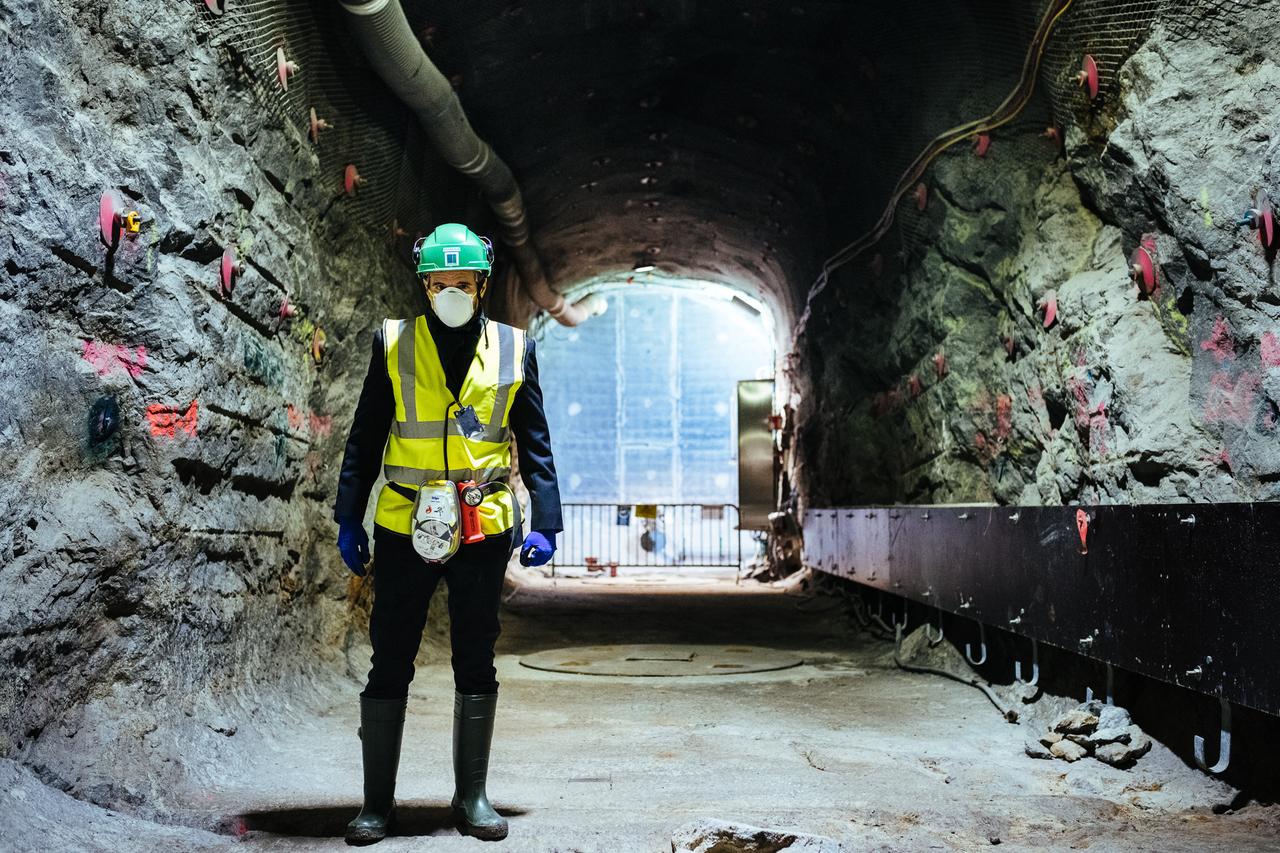
Onkalo Used Nuclear Fuel Storage Facility
Onkalo Spent Nuclear Fuel Repository is the world’s first deep geological repository, constructed in the Eurajoki region of southwestern Finland for the permanent disposal of spent nuclear fuel. The name Onkalo, meaning “pit” or “hiding place” in Finnish, aims to isolate high-level radioactive waste from nuclear power plants within geologically stable bedrock layers approximately 400 to 450 meters underground, without requiring future human intervention.【1】 Technical Structure and Safety Mechani
EN
Nursena Şahin
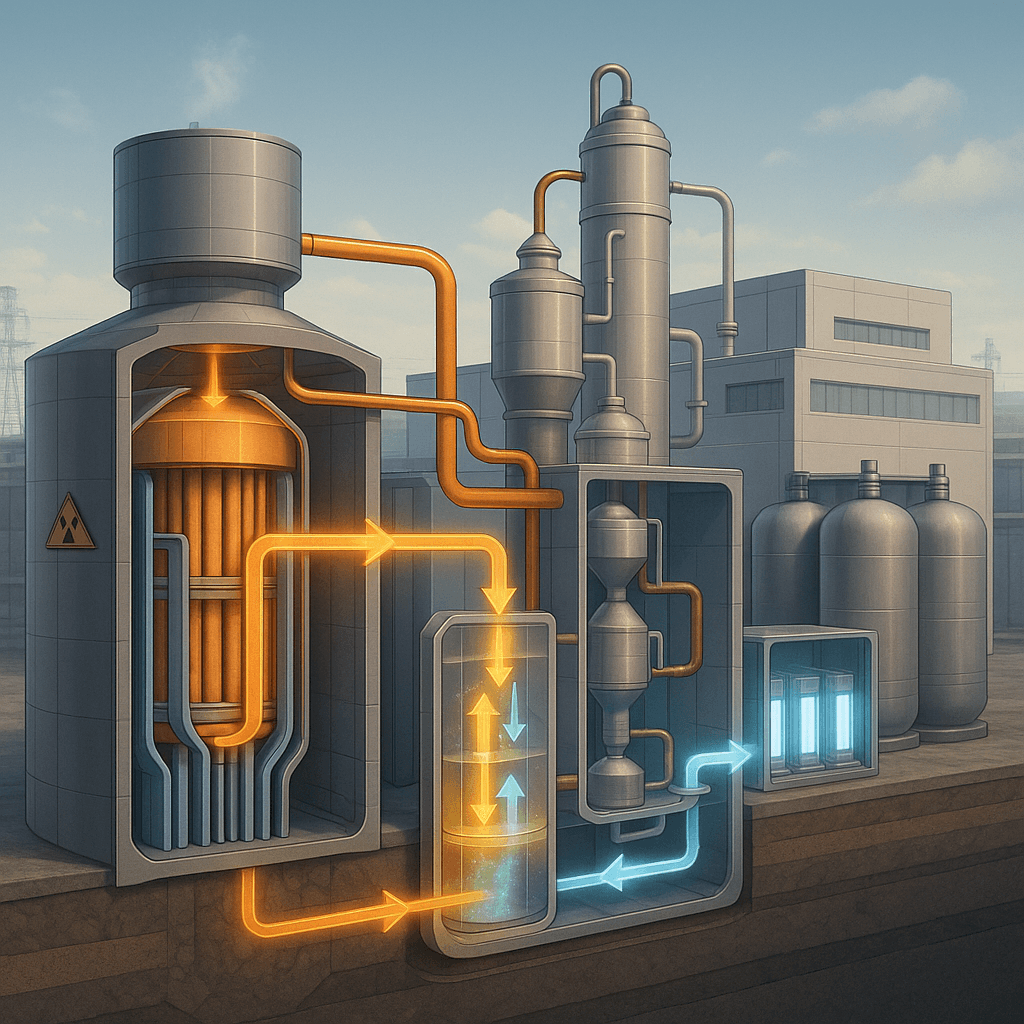
Nuclear Hydrogen Production
Nuclear hydrogen production is an energy conversion method based on the decomposition of water into its chemical components, hydrogen and oxygen, using heat and/or electricity generated by nuclear reactors. This approach is an innovative technological solution aimed at reducing fossil fuel use, enhancing energy supply security, and supporting the production of low-carbon hydrogen. Hydrogen production methods are classified according to the type of energy source used and the environmental impact
EN
Ömer Said Aydın
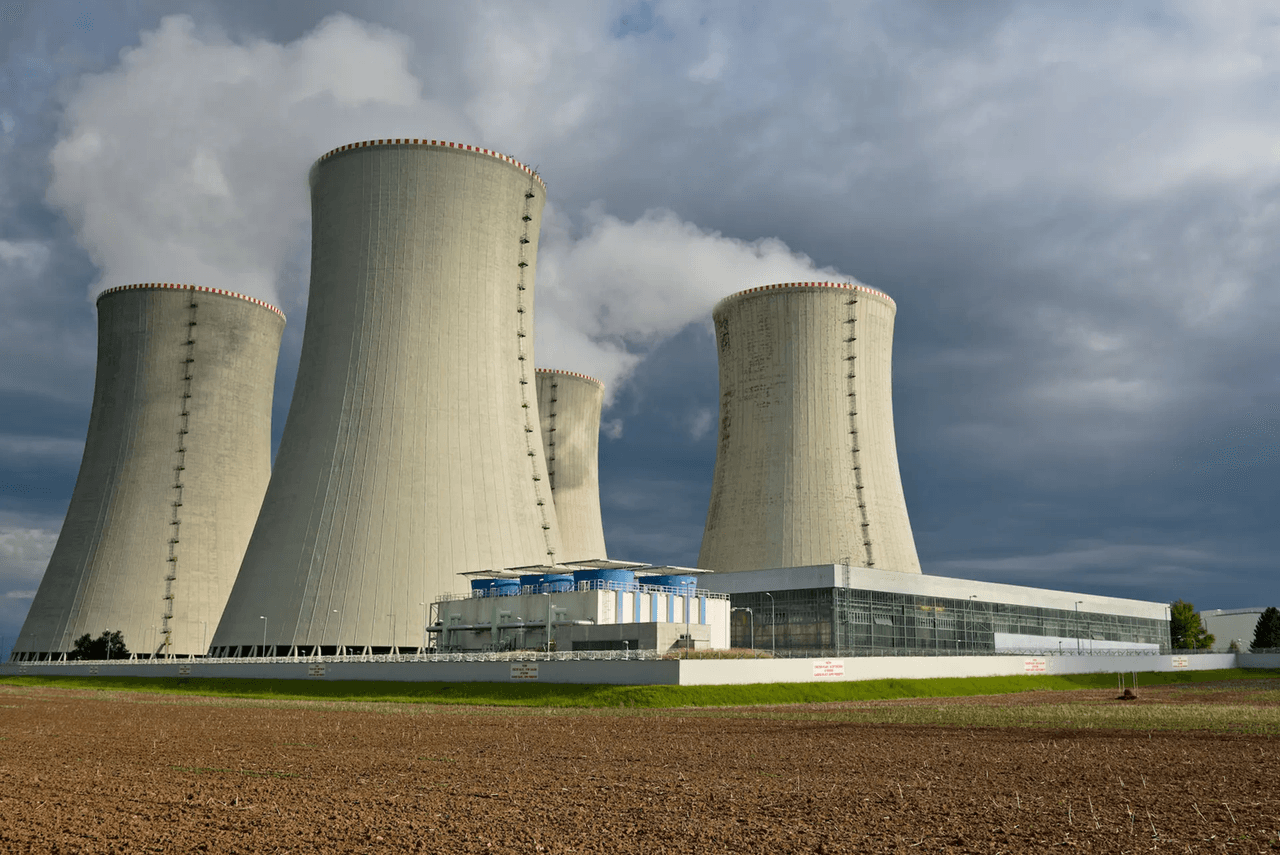
Fourth Generation Molten Salt Reactors
Fourth-generation Molten Salt Reactors (MSR) are an advanced class of reactors that use a mixture of molten salts as either the primary coolant or the fuel carrier in nuclear fission energy production. As one of the six advanced reactor technologies identified by the Generation IV International Forum (GIF), MSRs are distinguished from conventional light water reactors by their potential for high thermal efficiency, passive safety systems, and conversion of nuclear waste. In these systems, the fu
EN
Mürselat YÜRÜMEZ
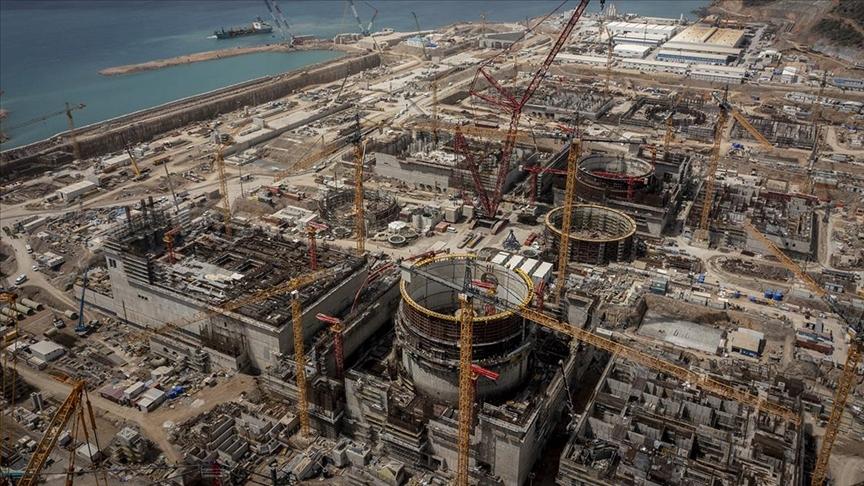
Akkuyu Nuclear Power Plant
Akkuyu Nuclear Power Plant (Akkuyu NPP) is Türkiye’s first nuclear energy production facility. The project, located in Büyükeceli, Gülnar district of Mersin Province, consists of four VVER-1200 pressurized water reactors, each with a capacity of 1200 megawatts. Built under an intergovernmental agreement signed with the Russian Federation in 2010, the plant has been designed in compliance with international standards using multi-layered safety systems. Upon completion, it is expected to meet appr
EN
Nazlı Kemerkaya
 Ur
UrUranium and Nuclear Technology
Uranium is a metal found in nature. radioactive is a heavy element that plays a critical role in energy production and the defense industry. Its atomic number is 92. It is one of several substances used in nuclear fission reactions. Uranium is one of the main components of nuclear fuels used for energy production on a scale comparable to world and also holds strategic importance in military and medical applications as a important place. Naturally occurring uranium has several isotopes, most nota
EN
İbrahim Furkan Eraslan
FuFusion Energy
Fusion energy is a type of nuclear reaction in which light atomic nuclei fuse to form a heavier nucleus, releasing large amounts of energy in the process. This process, which occurs naturally in the Sun and other stars, is considered an unlimited and clean source source capable of meeting energy demands on Earth. The key advantages of fusion energy include unlimited fuel reserves, inherent nuclear safety and low environmental impact place. Fusion reaction Fusion Reactions and Fuels Fusion reacti
ENAysel Rümeysa Kesici

Valeri Alekseyevich Legasov
Valeri Alekseyevich Legasov (Russian: Валерий Алексеевич Легасов; 1 September 1936 – 27 April 1988) was a Soviet inorganic chemist and member of the Academy of Sciences of the USSR. He specialized in nuclear physics and plasma methods, the synthesis and study of new compounds involving elements under abnormally high oxidation states, nuclear and plasma technologies, energy conservation technologies, and hydrogen energy. He is known for his work on the commission investigating the Chernobyl Nucle
ENAli Cahit Özdil
UrUranium Enrichment
Uranium enrichment is the artificial process of increasing the proportion of uranium-235 (U-235), the isotope found in natural uranium that enables energy production in nuclear reactors. This process is carried out to produce fuel for nuclear reactors or to obtain material for nuclear weapons. Natural uranium consists primarily of two different types (isotopes) of uranium: Uranium-238 (U-238): Makes up approximately 99.3 percent of natural uranium. This isotope cannot be used directly for energy
ENYunus Emre Yüce