


This article was automatically translated from the original Turkish version.
+1 More
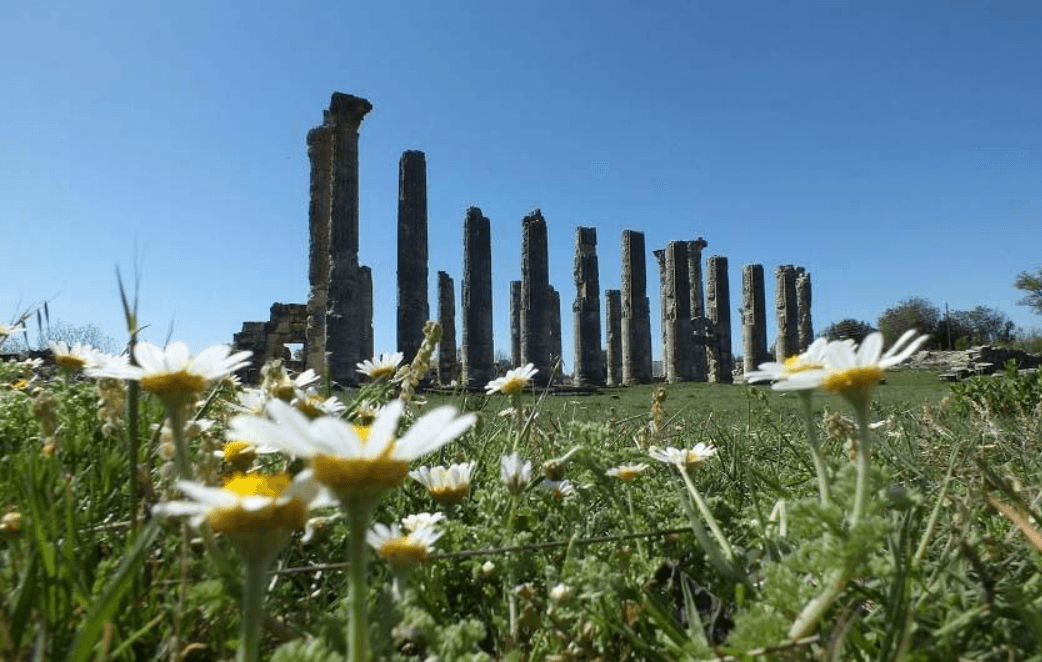
Olba Ancient City
Location | Mersin Province Uzuncaburç Neighborhood Silifke District | ||||||||
|---|---|---|---|---|---|---|---|---|---|
Founding Date | Hellenistic Period (approximately 3rd century BCE) | ||||||||
Olba Ancient City is located within the boundaries of Mersin Province in modern-day Türkiye, near the village of Uzuncaburç (formerly Diokaesareia), which belongs to the district of Silifke. In antiquity, the city was situated in the region of Cilicia, within the basin of the Limonlu River (ancient Lamos), on the southern slopes of the Taurus Mountains.
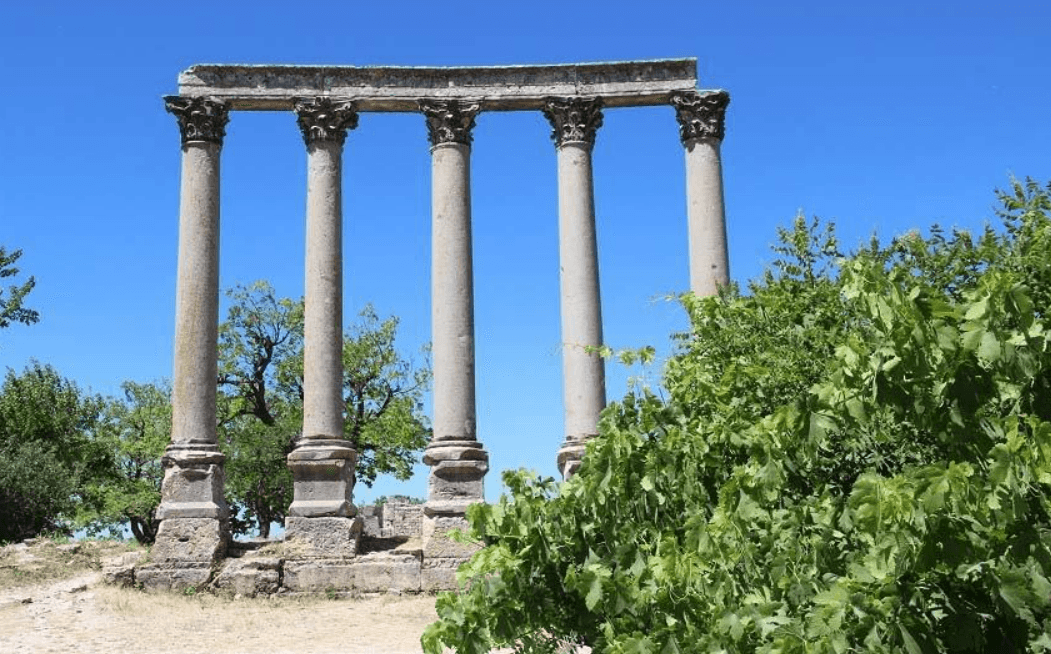
Olba is referred to as “Olba” or “Olbe” in ancient sources. Its history extends back to the Hellenistic period. In the work Geographika by the ancient author Strabo, Olba is described as a semi-independent state governed by priest-kings. These priest-kings held both religious and political authority, consolidating their power through the Temple of Apollo. During the Roman period, Olba formed an administrative unit together with Diokaesareia and was incorporated into the empire. Although it lost its autonomy during this time, it retained its economic and cultural significance.
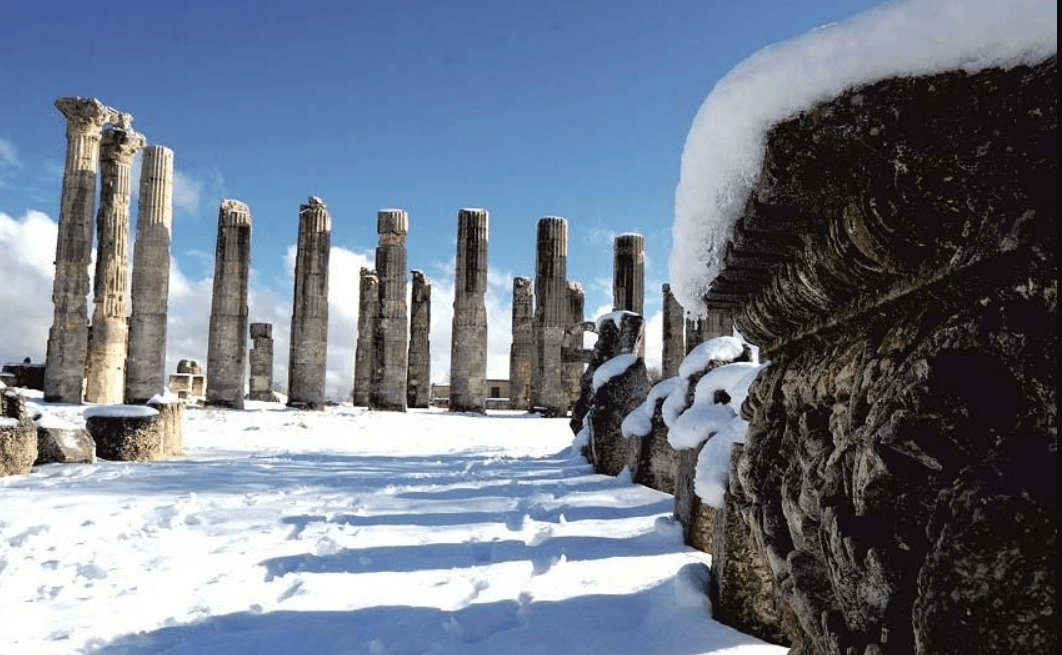
Olba Antik Kenti - Silifke Belediyesi
In antiquity, Olba functioned as a theocratic kingdom. Governance of the region was in the hands of religious officials organized around the cult of Apollo. The priest-kings exercised authority not only in religious matters but also in civil and military affairs. This system of governance gradually came to an end under the influence of the Roman Empire.
Archaeological excavations at Olba Ancient City have brought to light structures primarily dating to the Roman period. Major remains include aqueducts, necropolis areas, the agora, monumental tombs, churches, towers, and sections of the city wall.
Inscriptions (epigraphic documents) found at Olba provide information on administrative structures and local governance during the Roman period. Additionally, coins minted in the city offer data on both economic history and political organization. These coins predominantly feature depictions of Apollo and the names of local rulers.
Systematic archaeological excavations at Olba began in the second half of the 20th century. Surface surveys and excavations conducted by Turkish archaeologists have clarified the city’s structural and topographical layout. In recent years, the site has been the subject of numerous scholarly publications and has been studied by archaeology departments of several universities.
Olba is an important center for archaeology and ancient history due to its status as one of the few examples of theocratic governance in the Cilician region and its rich collection of Roman-era architectural elements. The city preserves elements reflecting the religious, administrative, and economic life of Cilicia.
Culture Portal. "Olba." Türkiye Kültür Portalı, Accessed May 11, 2025.https://www.kulturportali.gov.tr/turkiye/mersin/gezilecekyer/olba.
Eşsiz Mersin. "Olba Antik Kenti." Accessed May 11, 2025.https://www.essizmersin.com/tr/2/antik-kentler-ve-kaleler/olba-antik-kenti/235.
Silifke Belediyesi. "Olba Antik Kenti." Silifke Belediyesi, Accessed May 11, 2025.https://silifke.bel.tr/Content?header=5&title=68.
Türkiye Turizm Ansiklopedisi. "Olba Antik Kenti." Türkiye Turizm Ansiklopedisi, Accessed May 11, 2025.https://turkiyeturizmansiklopedisi.com/olba-antik-kenti.

Olba Ancient City
Location | Mersin Province Uzuncaburç Neighborhood Silifke District | ||||||||
|---|---|---|---|---|---|---|---|---|---|
Founding Date | Hellenistic Period (approximately 3rd century BCE) | ||||||||
Historical Background
Religious and Political Structure
Urban Structure and Remains
Excavations and Research