

`classical-period` Related Article Results
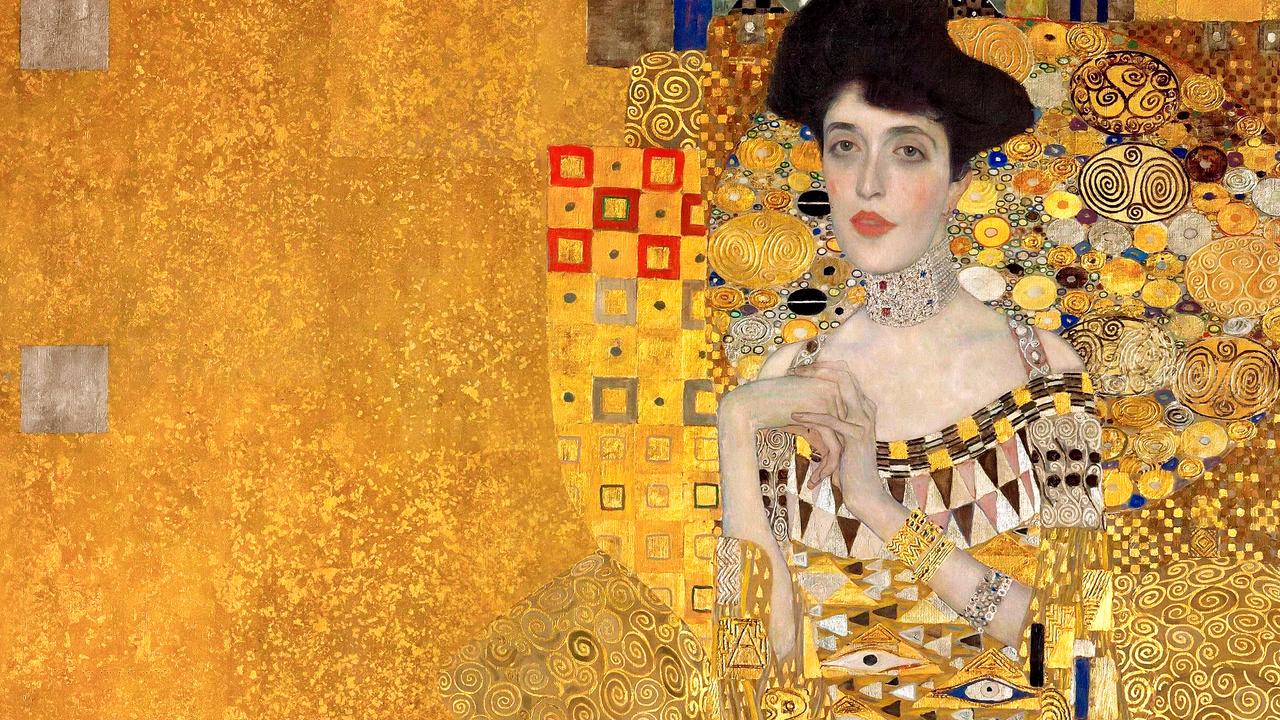
Gustav Klimt
Gustav Klimt is an Austrian painter born in 1862 in Baumgarten near Vienna. Klimt, one of the founding members of the Vienna Secession movement, emerged as one of the most notable representatives of figurative painting during the late 19th and early 20th centuries. His works, which attracted the attention of both art circles and the public, continued to draw interest in the international art market after his death; masterpieces such as The Kiss, Beethoven Frieze and Bauerngarten have become cult
EN
Nazlı Kemerkaya
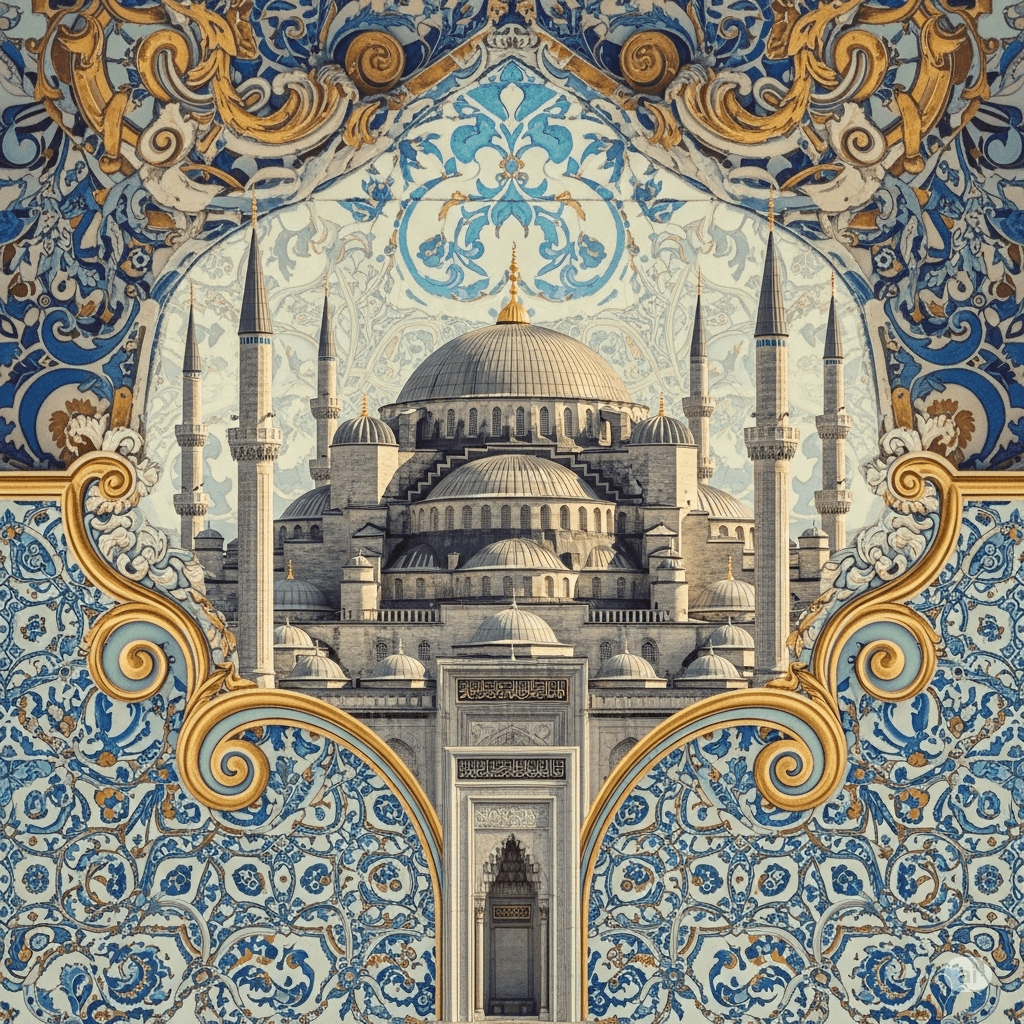
Ottoman Mosque Architecture
Ottoman mosque architecture represents a significant architectural tradition that developed over the approximately 600-year reign of the Ottoman Empire and established a distinctive style within the Islamic world. This architecture began with early beylik structures, gained new dimensions after the conquest of Istanbul, reached its classical peak with the works of Mimar Sinan, and underwent transformation during the Westernization period under the influence of various artistic movements. The mos
EN
Yunus Emre Yüce
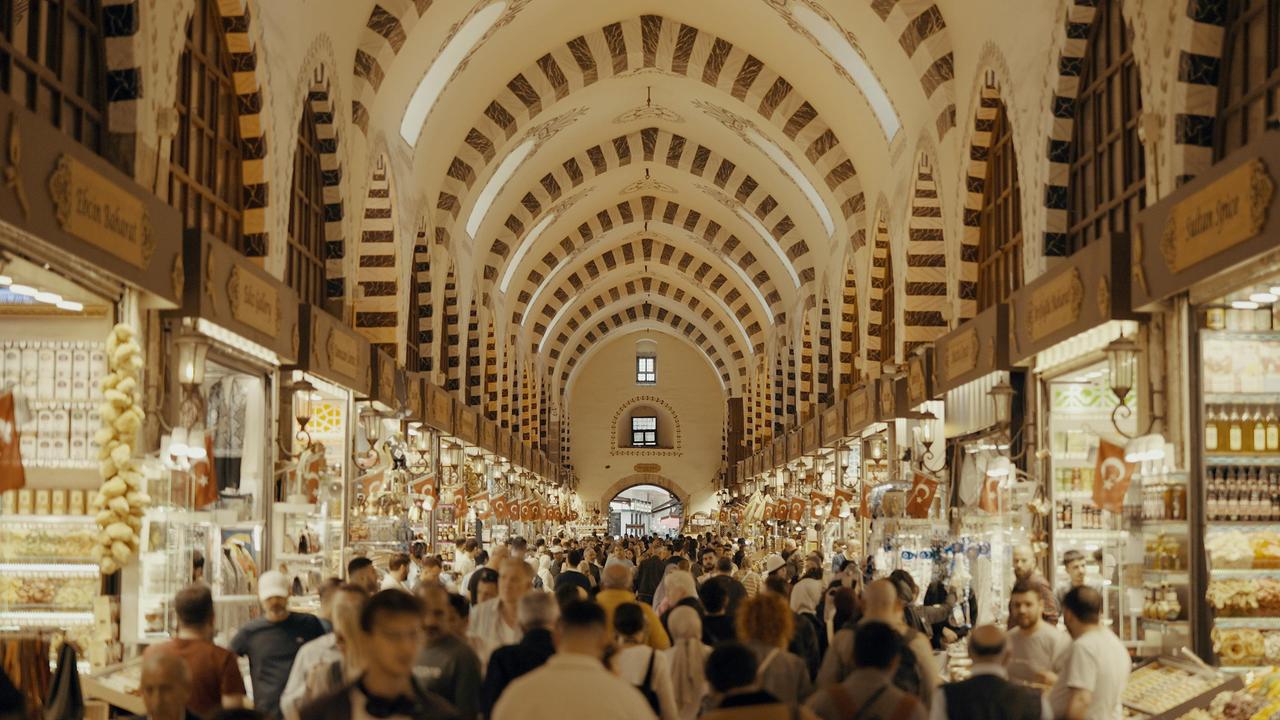
Classical Ottoman Architecture
Classical Ottoman Architecture is an architectural style that developed during the 16th century, the peak of the Ottoman Empire’s political cultural and economic power. It is characterized by centralized plan layouts structural balance and monumental scale. This period’s architecture produced not only aesthetically and functionally refined structures but also representative buildings that reflected the state’s authority social order and religious legitimacy. Guided by Mimar Sinan this style was
EN
Esra Özkafa
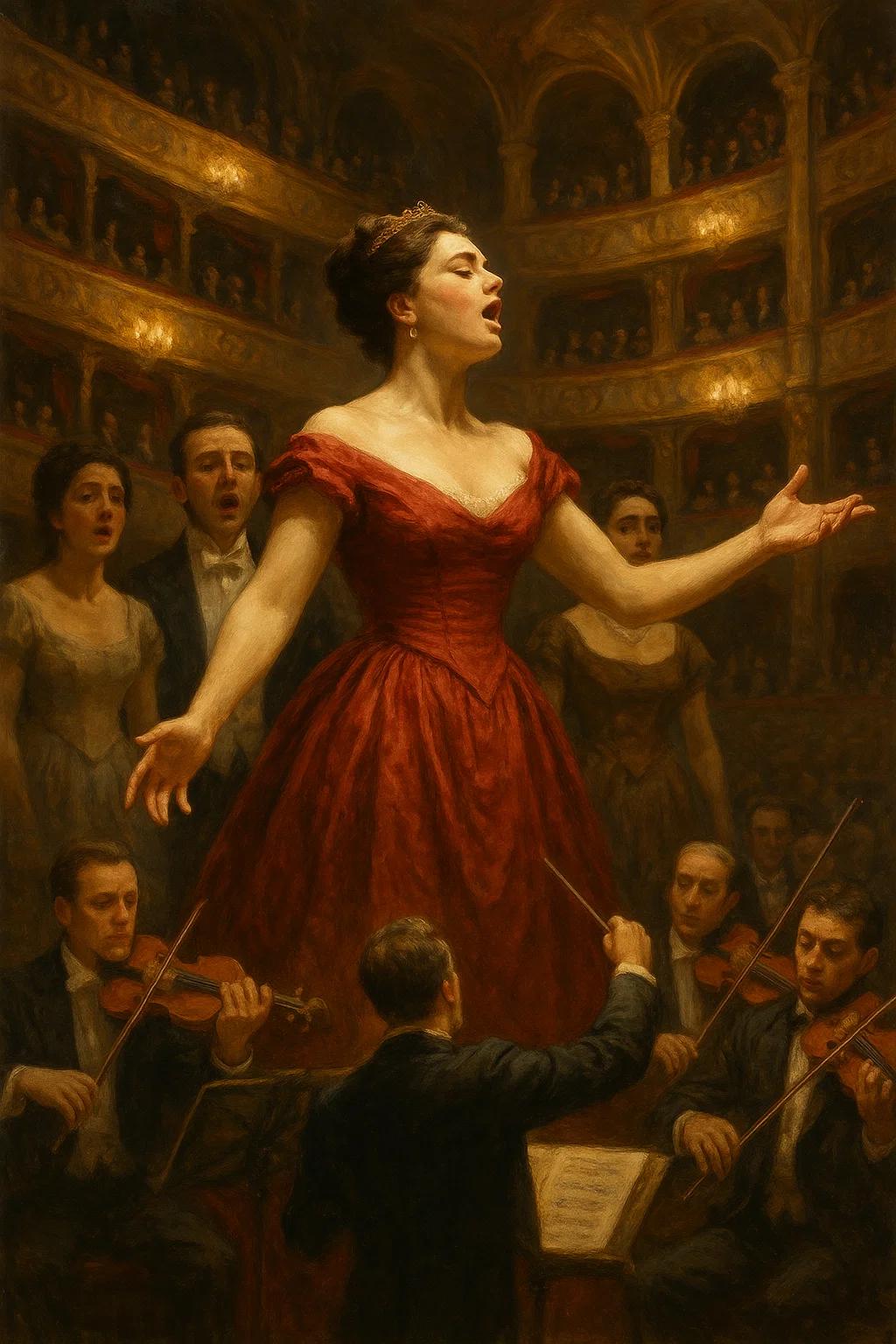
Opera
Opera is an art form with a unique stage structure that originated in Italy in the late 16th century, integrating elements of both music and theater. The intellectual environment of the early period was shaped particularly by Renaissance thought and nourished by an interest in reviving ancient Greek theater. In Florence, a group of artists, musicians, and thinkers known as the Camerata laid the theoretical foundation for this new form of dramatic music. According to them, ancient tragedy was exp
EN
Aslı Öncan
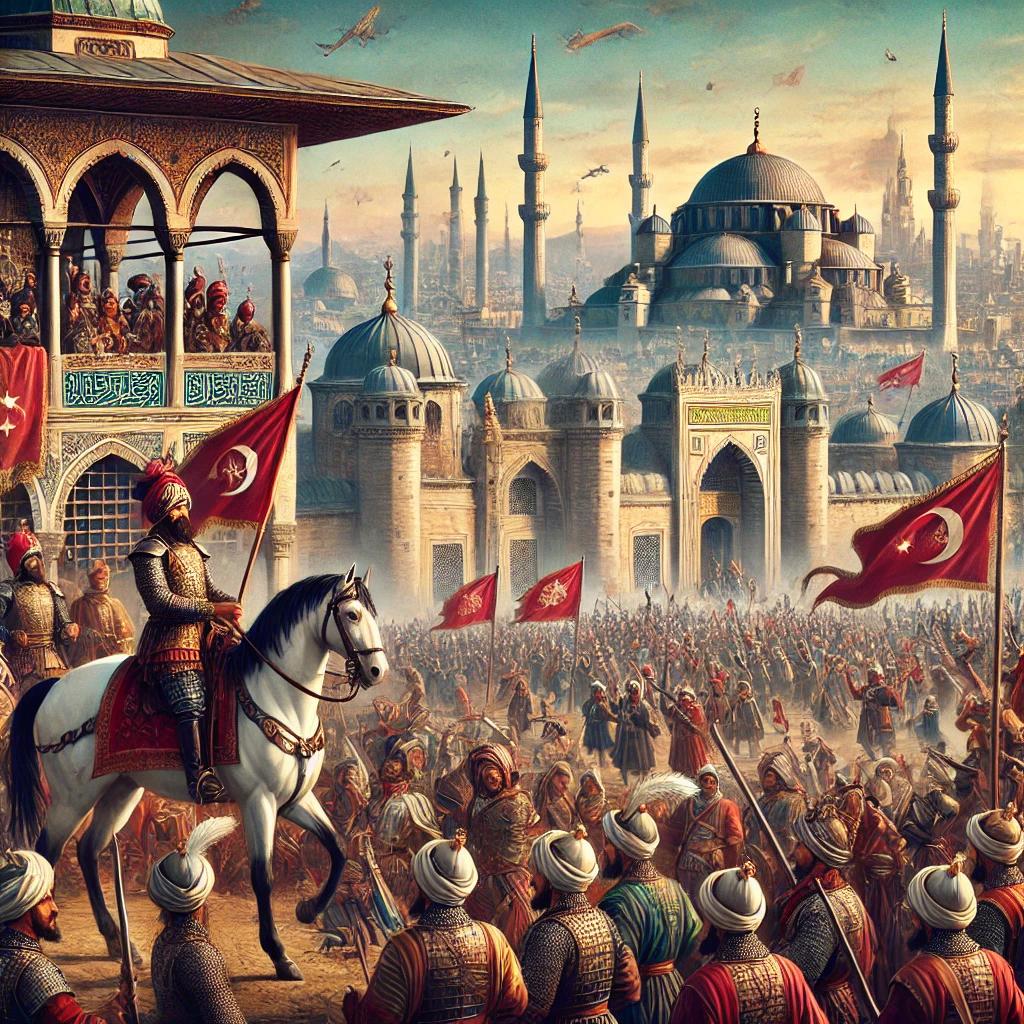
Let's Tear Down the Ottoman Empire!
Yes, the title may initially seem provocative or even odd. However, this statement summarizes a Europe reflex that extends not only to the late Ottoman period but all the way back to the early conquest years when the state first appeared on the historical stage. Ottoman Even while it was still just one of the beyliks in Anatolia, its advance into the Balkans generated profound unease within Europe’s political and religious structure. This unease led over subsequent centuries to a series of milit
EN
Mustafa Cem İnci
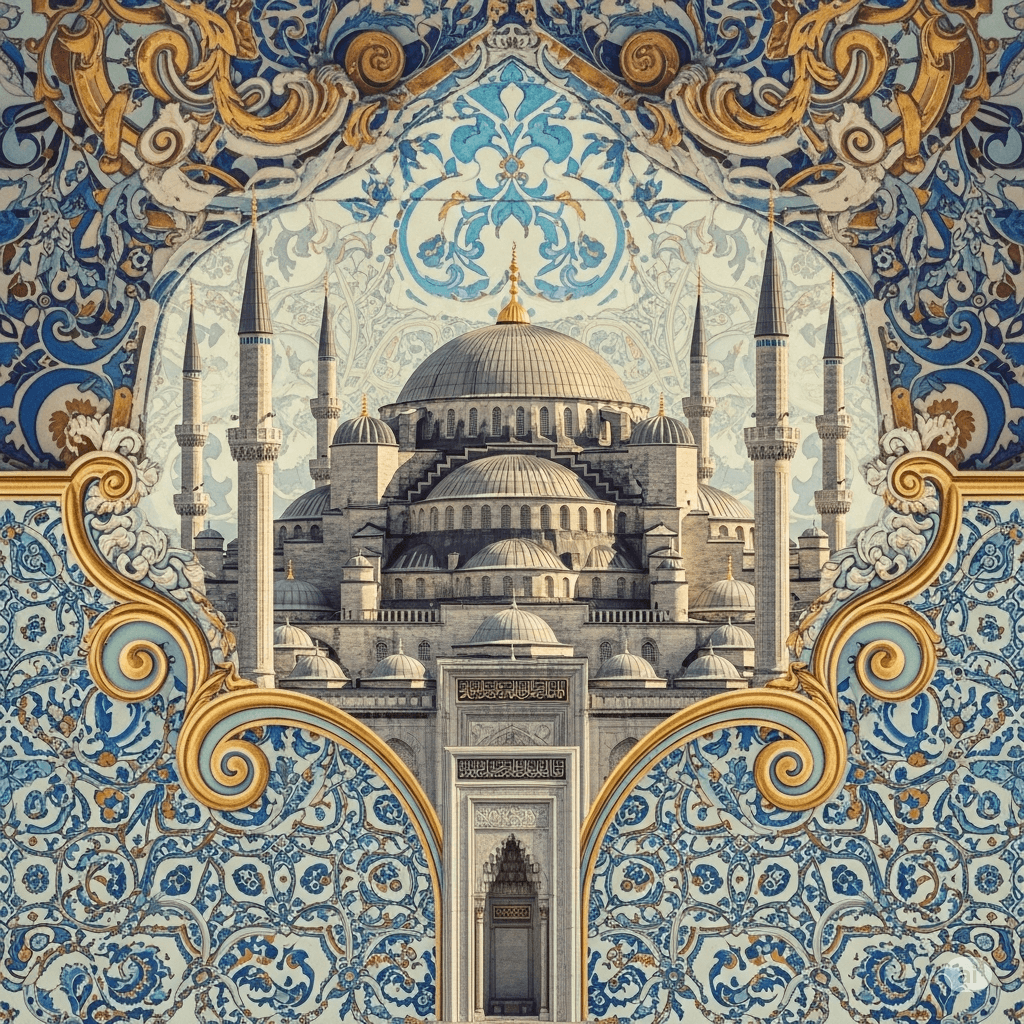
Ottoman Mosque Architecture
Ottoman mosque architecture represents a significant architectural tradition that developed over the approximately 600-year reign of the Ottoman Empire and established a distinctive style within the Islamic world. This architecture began with early beylik structures, gained new dimensions after the conquest of Istanbul, reached its classical peak with the works of Mimar Sinan, and underwent transformation under the influence of Western artistic movements during the period of Westernization. The
ENYunus Emre Yüce
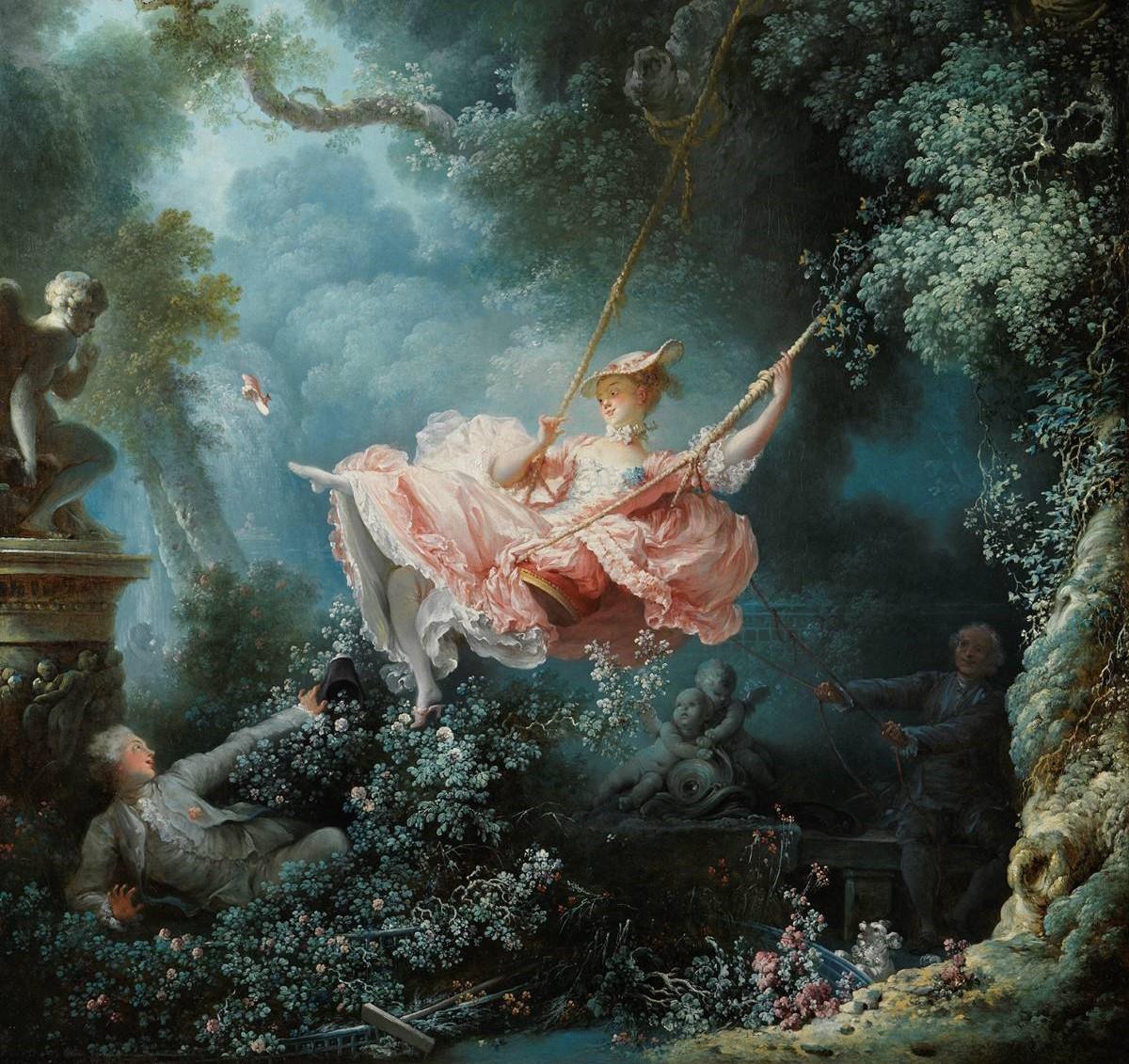
Swing (Painting)
The Swing (French: The Swing) is an oil on canvas painting completed in 1767 by the French painter Jean-Honoré Fragonard. The work depicts a young woman swinging in a garden setting surrounded by figures whose positions movements and spatial arrangement form the composition’s center. The painting is displayed in the Wallace Collection London and reflects the aristocratic lifestyle and leisure culture of the period. The painting exhibits characteristic features of the Rococo style through its use
EN
Nisanur Emral
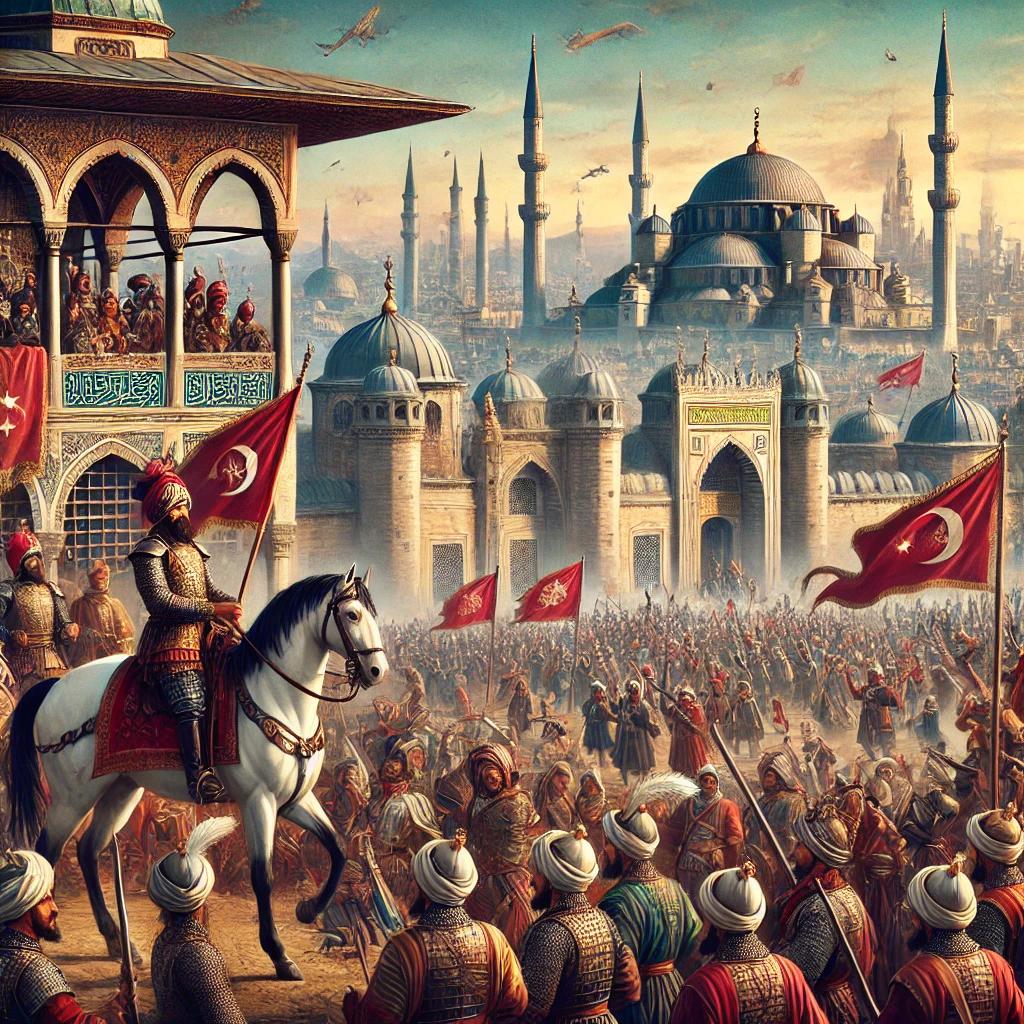
Let's Tear Down the Ottoman Empire!
Yes, the title may seem provocative or even strange at first glance. But this statement is a summary of a European reflex that stretches not only to the late periods of the Ottoman Empire but all the way back to its early conquest years. The Ottoman Empire, while still just one of the beyliks in Anatolia, generated profound anxiety in Europe’s political and religious structure as soon as it crossed into the Balkans. This anxiety led over subsequent centuries to a series of crusade-like military
EN
Mustafa Cem İnci
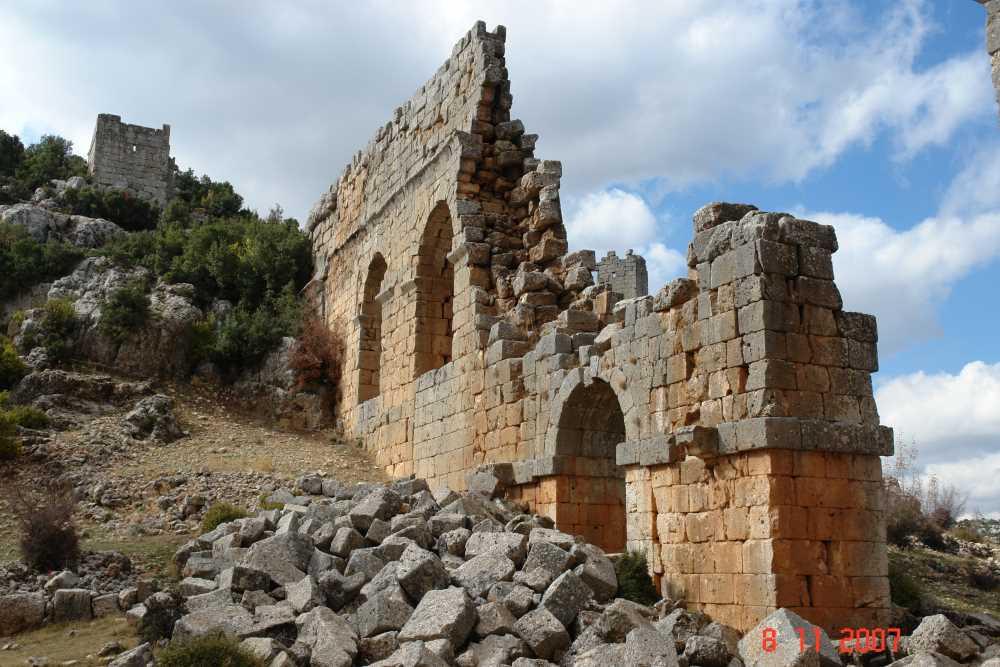
Olba Ancient City
Olba Ancient City is located within the boundaries of Mersin Province in modern-day Türkiye, near the village of Uzuncaburç (formerly Diokaesareia), which belongs to the district of Silifke. In antiquity, the city was situated in the region of Cilicia, within the basin of the Limonlu River (ancient Lamos), on the southern slopes of the Taurus Mountains. Historical Background Olba is referred to as “Olba” or “Olbe” in ancient sources. Its history extends back to the Hellenistic period. In the wor
ENYağmur Nur Küçükarslan