


This article was automatically translated from the original Turkish version.
Yağlı Kara is a dish with deep roots in Turkish cuisine and holds a special place in the rich culinary culture of Anatolia. Named for the abundant fatty meats used in its preparation and its distinctive dark cooking technique, this dish is commonly consumed especially in the Eastern and Southeastern Anatolia regions. Found both on everyday tables and at special gatherings, it is prepared by combining lamb or beef with various spices and typically cooked in a stone oven or tandır.
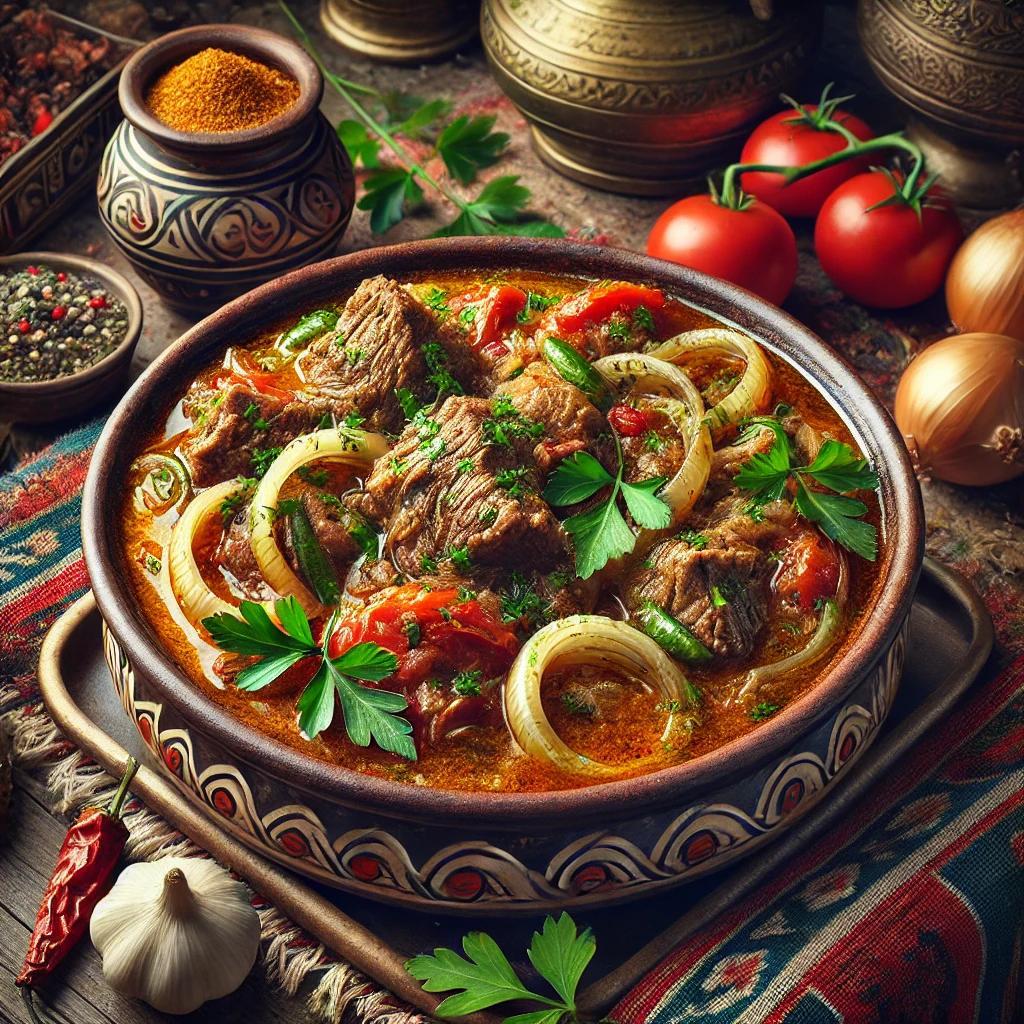
Yağlı Kara dish
Yağlı Kara represents the tradition of meat- and fat-based dishes brought from Central Asia to Anatolia by the Turks. During their nomadic lifestyle, the Turks developed various techniques to ensure meat would remain edible for long periods and retain its flavor. Yağlı Kara is believed to have evolved from these methods. After arriving in Anatolia, the dish was enriched with local ingredients and cooking techniques and became widespread among communities engaged in animal husbandry.
As a symbol of traditional Turkish hospitality, Yağlı Kara is prepared on special occasions and holidays. In some regions it is served at weddings, while in certain villages it is part of winter preparations. Yağlı Kara has also played an important role in strengthening food-sharing traditions and social bonds.
The ingredients used in Yağlı Kara vary by region, but the core components are as follows:
1.Meat: Traditionally lamb is preferred, but beef or sheep meat may also be used. Fatty and bone-in cuts are favored as they enhance the dish’s flavor.
2.Fat: Tail fat or internal fat is used. This fat is the source of the dish’s distinctive taste and name.
3.Onion: Finely chopped onion adds a subtle sweetness to the dish.
4.Spices: Black pepper, cumin, red pepper powder, oregano, and bay leaf create the dish’s characteristic flavor profile.
5.Tomato and Pepper Paste: These contribute both color and taste.
6.Water: Added to adjust consistency and tenderize the meat.
In some areas, additional ingredients such as garlic, potato, or chickpeas may be included.
Preparing Yağlı Kara requires patience and attention. Below is the step-by-step process:
1.Preparing the Meat: The meat is cut into large pieces and cooked with its fatty portions intact. Fresh, high-quality meat is essential.
2.Melting the Fat: Tail fat or internal fat is gently melted over low heat to release its aroma. Finely chopped onion is then added and sautéed in the fat.
3.Searing the Meat: The meat pieces are added to the melted fat and seared over high heat. This step seals in the juices and enhances flavor.
4.Adding Spices and Paste: Tomato paste, pepper paste, and spices are added over the seared meat. The ingredients are thoroughly mixed to allow the aromas to infuse into the meat.
5.Slow Cooking: Water is added and the dish is simmered over low heat for an extended period. Traditionally, a stone oven or tandır is preferred, as these methods intensify the dish’s rich flavor.
6.Serving: Yağlı Kara is typically served hot alongside rice pilaf or tandır bread.
(Source: How to Cook Yağlı Kara? Lezzet Safari, Youtube)
Yağlı Kara is a dish rich in protein and fat. Lamb or beef provides high-quality protein, while fats such as tail fat supply energy. However, due to its high fat content, moderate consumption is recommended. The dish is also rich in vitamins and minerals, particularly vitamin B12, iron, and zinc. In traditional Turkish cuisine, it is often served alongside vegetable dishes or yogurt to create a balanced meal.
Yağlı Kara is known by different names and prepared in varying ways across different regions of Türkiye:
1.Eastern Anatolia: Cuts with more fat are used, and the dish is typically cooked in a tandır.
2.Southeastern Anatolia: The spice ratio is higher, giving the dish a spicy flavor.
3.Aegean and Mediterranean: A less fatty version is prepared, often using olive oil.
4.Black Sea: Vegetables or dried legumes are commonly added to the dish.
Traditionally cooked in copper pots, Yağlı Kara is served hot and often occupies a prominent place at the head of the table. In modern restaurants, its presentation has become more aesthetic. Served with mashed potatoes, seasonal salads, or various sauces, Yağlı Kara has become one of the dishes that introduce Turkish cuisine to the world.
Advances in technology and the widespread use of modern kitchen equipment have made the preparation of traditional dishes like Yağlı Kara easier. Yet, the flavor of dishes prepared using traditional methods remains unique and irreplaceable. Its promotion at national and international gastronomy festivals has established Yağlı Kara as a globally recognized Turkish dish.
Additionally, under the influence of healthy eating trends, lower-fat versions of the dish have been developed. However, the simplicity and flavor of the original recipe continue to reflect the core values of Turkish cuisine.
Yağlı Kara is a unique dish that showcases the richness and diversity of Turkish cuisine. With its historical roots, the skill involved in its preparation, and its distinctive flavor, it has found a place both on Anatolian tables and in global kitchens. Preserving this traditional dish and passing it on to future generations holds great importance for the sustainability of Turkish culinary culture.
Baysal, Ayşe. Türk Mutfağı: Geleneksel ve Modern Tarifler. İstanbul: Remzi Kitabevi, 2015.
Güneydoğu Anadolu Kalkınma Ajansı. Güneydoğu Anadolu Yemekleri ve Tarifleri. Şanlıurfa: GAP Yayınları, 2018.
Lezzet Safari. “TEREYAĞLI YAĞLIKARA NASIL YAPILIR (Kuzu lokum Kebap tarifi).” YouTube, June 27, 2020. https://www.youtube.com/watch?v=bXhpId0CaTw.
UNESCO. *Creative Cities of Gastronomy: Turkish Culinary Heritage*. Paris: UNESCO Publishing, 2021.
Çelik, Mehmet. “Anadolu Yemek Kültüründe Etin Yeri: Yağlı Kara Örneği.” Türk Gastronomi Araştırmaları Dergisi 12, no. 3 (2020): 45–59.

Historical and Cultural Origins
Ingredients
Preparation and Cooking Process
Nutritional Value
Regional Variations
Traditional and Modern Presentations
Yağlı Kara in Contemporary Culture