

`turkish-cuisine` Related Article Results
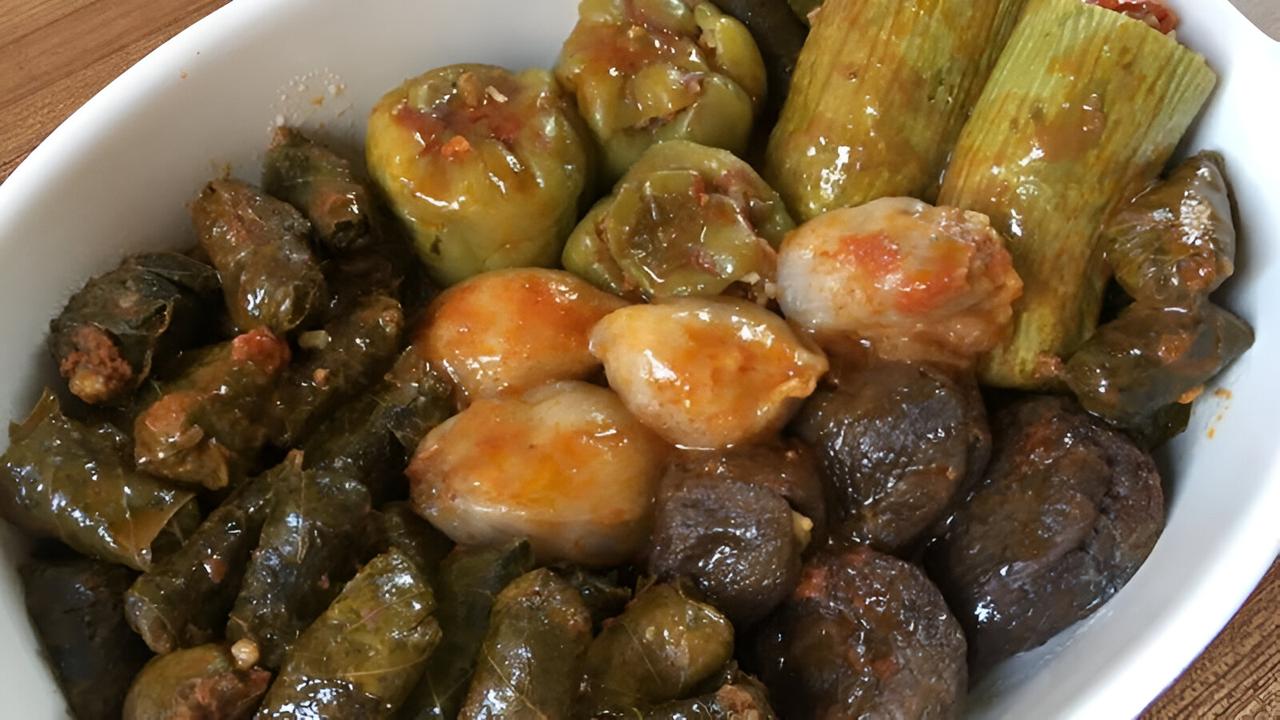
Şımşıpe Dolması
Şımşıpe dolması is a regional name for the dish known today as common “dolma.” This dish holds a traditional place in Turkish cuisine and is prepared by hollowing out and stuffing various vegetables, typically served on family tables service. Şımşıpe Dolması (Şırnak Governorate) " image-alternate="" image-element-format="right"> Ingredients The main ingredients used in preparing Şımşıpe are: Onion Eggplant Tomatoes Pumpkin Beet leaves or grape leaves Rice Minced meat Spices (typically salt, b
EN
Muhammed Samed Acar
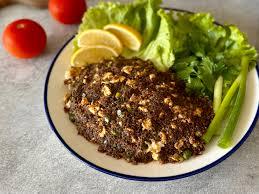
Urfa Meatballs with Egg
Urfa-style Egg Köfte is a traditional, geographically registered dish specific to the Şanlıurfa province in southeastern Türkiye. Unlike the standard raw köfte recipe, this unique variety contains eggs, making it both an integral part of regional cuisine and a dish with enhanced nutritional value. It is especially preferred by locals during certain months of the year. Urfa Yumurtalı Köfte (Türkiye Culture Portal) " image-alternate="" image-element-format="right"> Urfa Yumurtalı Köfte Recipe I
EN
Gülbahar Berfin Aksoy
 Tu
TuTutmaç Soup
Tutmaç Çorbası is a traditional dish unique to Turkish cuisine, prepared by cooking small pieces of dough with meat or minced meat, then pouring yogurt over the top. The earliest and most detailed information about tutmaç is found in the 11th-century work Divânu Lügâti’t-Türk by Kaşgarlı Mahmud. According to Kaşgarlı, tutmaç has been known and consumed by Turkic peoples since the time of Zülkarneyn. The word “tutmaç” is derived from the phrase “bizi tutma aç,” meaning “do not leave yourself hung
EN
Miray GÜR
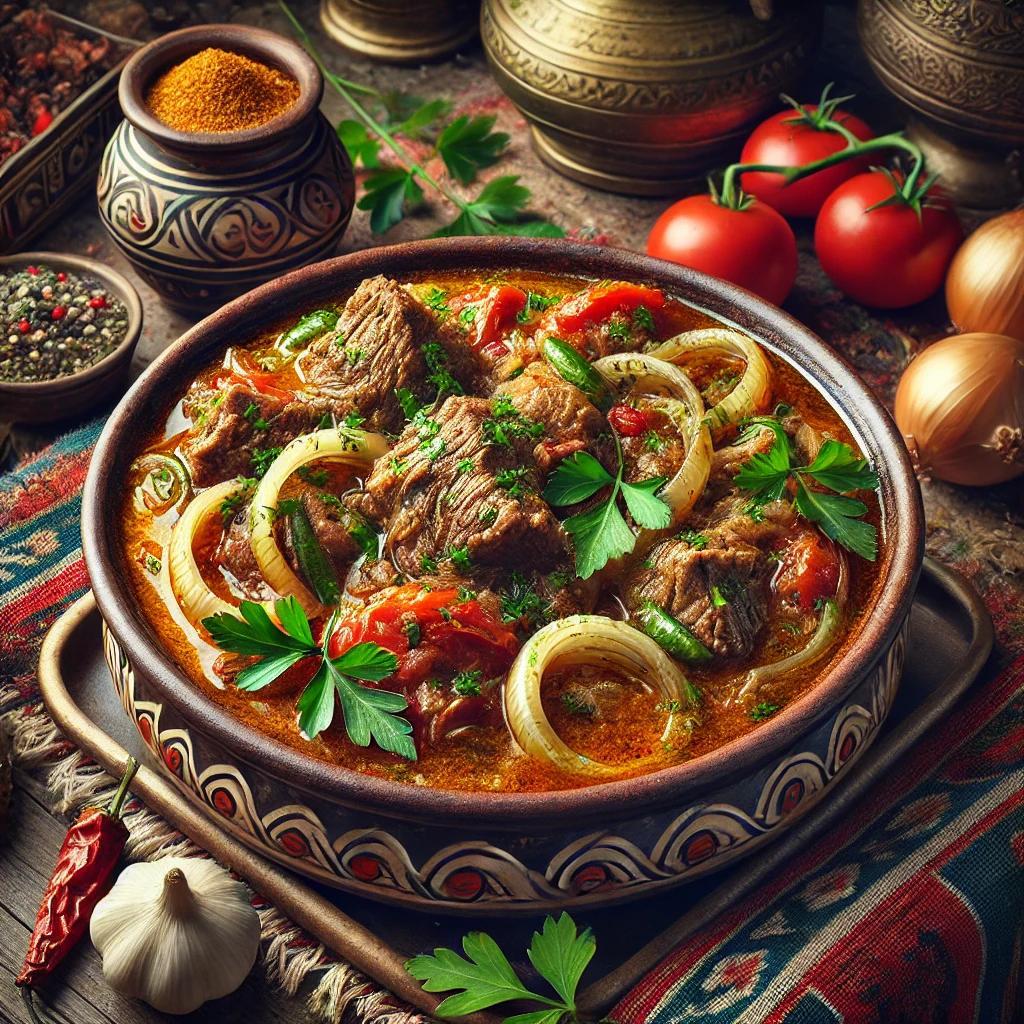
Oily Black
Yağlı Kara is a dish with deep roots in the culinary traditions of Black and Turkish, holding a special place in Anatolia’s rich food culture. Named for the abundant fatty meats used in its preparation and the dark colorful cooking technique, this dish is commonly consumed especially in East and Southeastern Anatolia. Found both on everyday tables and at special gatherings, Yağlı Kara is prepared by combining lamb or beef with various spices, typically cooked in a stone oven or tandır. Yağlı Kar
EN
Abdulmuttalip Erdoğan
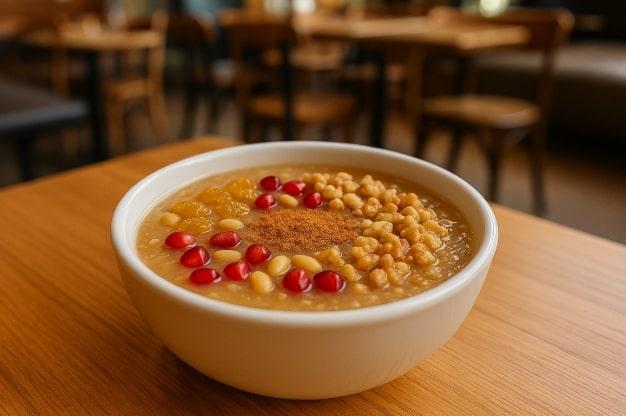
Aşure
Aşure is recognized as a traditional dessert across the Türkiye region, including Middle East and Balkans, with important cultural roots. This sweet, carrying both religious and social significance, is prepared during a specific period of the year, particularly on the tenth day of the Islamic lunar month of Muharram, and distributed for communal sharing. Aşure has been preserved for centuries as a multi-layered cultural symbol shaped by literature and belief systems. History and Origins The sacr
EN
Meryem Betül Kaya
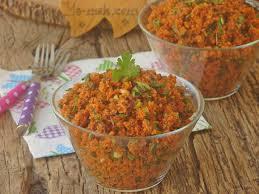
Barren
Kısır is a traditional dish in Turkish cuisine, consumed as a meze or salad made primarily from bulgur, commonly served during tea hours, gatherings, and social events. It is prepared with fine bulgur, tomato paste, onion, parsley, cucumber, and various spices. Due to its simple preparation and suitability for different settings, kısır is widely consumed in Türkiye. This dish reflects the regional diversity of Turkish cuisine, with variations in ingredients and preparation methods across differe
EN
İsmail Orçan
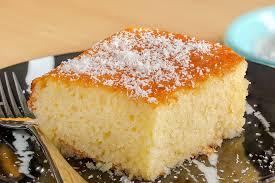
Revani
Revani is a traditional Turkish dessert made with semolina, flour, eggs, and sugar syrup. Known for its light and porous texture, revani is often enhanced with lemon or orange flavoring and served on special occasions, at gatherings, or during tea time. Revani belongs to the category of syrup-based desserts in Turkish cuisine and has been passed down from Ottoman cuisine to the present day. This dessert, prepared in various regional variations, is commonly consumed both at home and in pastry sho
ENİsmail Orçan
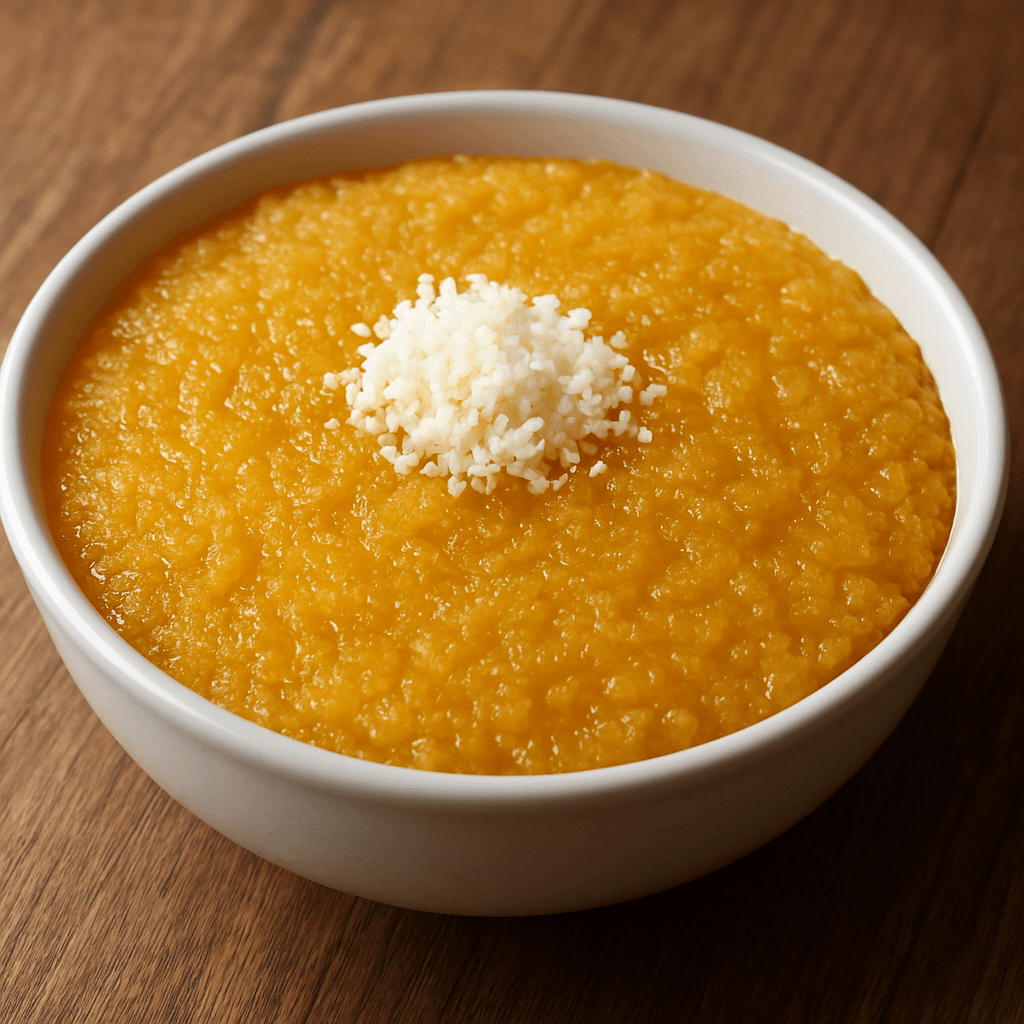
Balıkesir Höşmerim Sweet
Balıkesir Höşmerim Sweet is a traditional sweet with deep roots in Balıkesir and its surrounding regions of Türkiye. This dessert is prepared by blending cheese, semolina, and sugar, and bears clear traces of Ottoman culinary traditions both in its ingredients and preparation method. Höşmerim remains a popular dessert today, especially during wedding, holiday, and special occasions. Balıkesir Höşmerim Sweet has been officially registered with a geographical indication and is protected under geog
ENSamet Sırlan
PiPilavuna
Pilavuna is a traditional Cypriot pastry whose main ingredients are halloumi cheese, dried mint, and, optionally, raisins. This pastry, prepared for centuries by both Turkish Cypriots and Greek Cypriots, is commonly made during holiday seasons and religious celebrations. It is also known in Turkish as “Kıbrıs çöreği” and is considered an important element of Turkish Cypriot cuisine. Origin and Cultural Context The origins of pilavuna are rooted in Cyprus’s centuries-old culinary traditions. It s
EN
Doğan Eşkinat
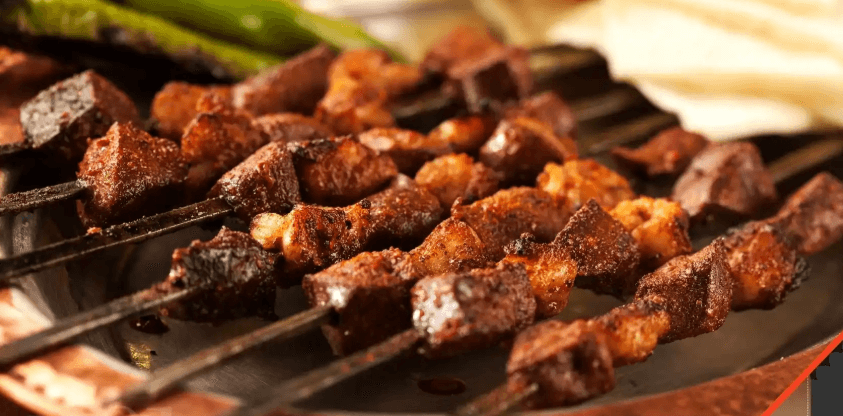
Diyarbakır Liver Kebab
Diyarbakır liver kebab is a traditional meat dish specific to Diyarbakır cuisine, prepared using lamb liver and tail fat, cooked over charcoal, and typically consumed from early morning hours onward. This kebab stands out through its regional flavor ingredients, cooking method and presentation style, and is frequently chosen by the region people as a breakfast dish. Preparation and Presentation The liver is thoroughly cleaned of nerves and blood vessels, then cut into cubes. It is threaded onto
EN
Mehmet Tahir Özbey