

`traditional-dishes` Related Article Results
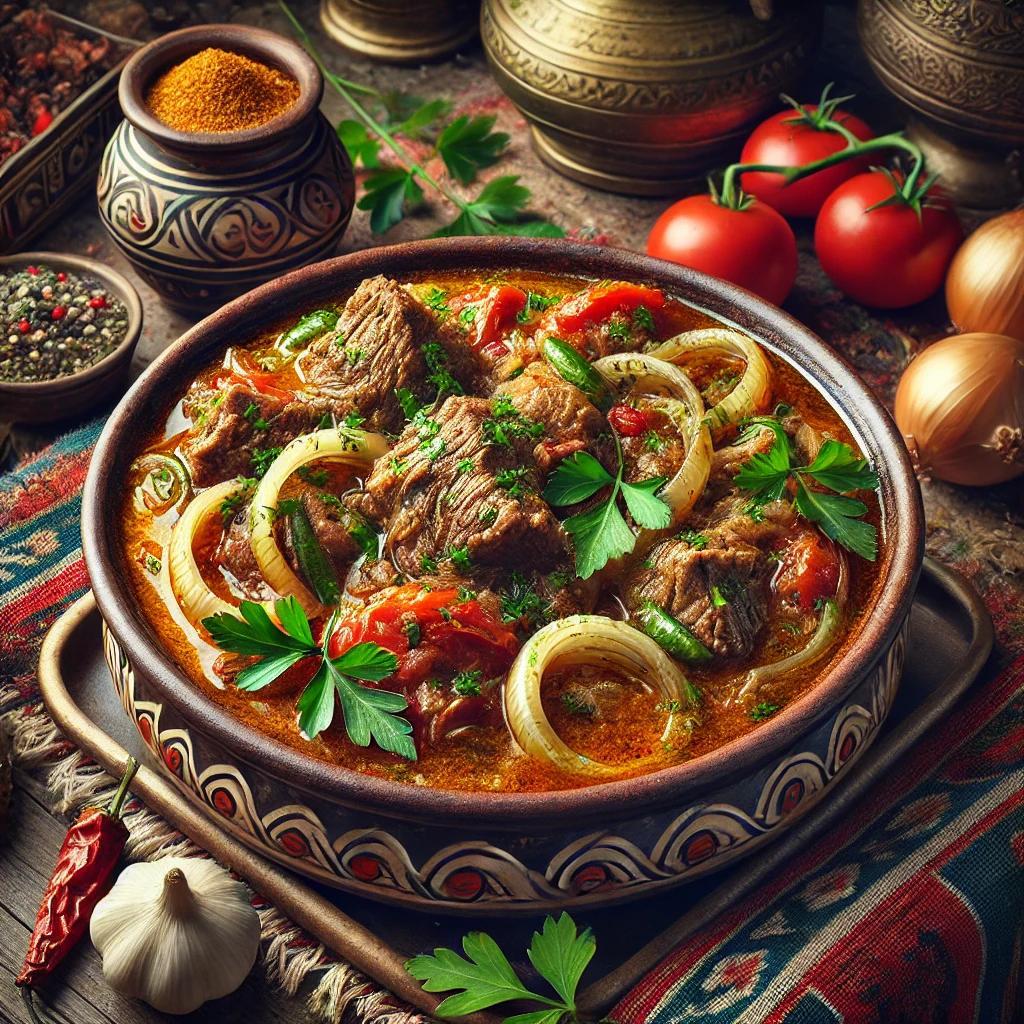
Oily Black
Yağlı Kara is a dish with deep roots in the culinary traditions of Black and Turkish, holding a special place in Anatolia’s rich food culture. Named for the abundant fatty meats used in its preparation and the dark colorful cooking technique, this dish is commonly consumed especially in East and Southeastern Anatolia. Found both on everyday tables and at special gatherings, Yağlı Kara is prepared by combining lamb or beef with various spices, typically cooked in a stone oven or tandır. Yağlı Kar
EN
Abdulmuttalip Erdoğan
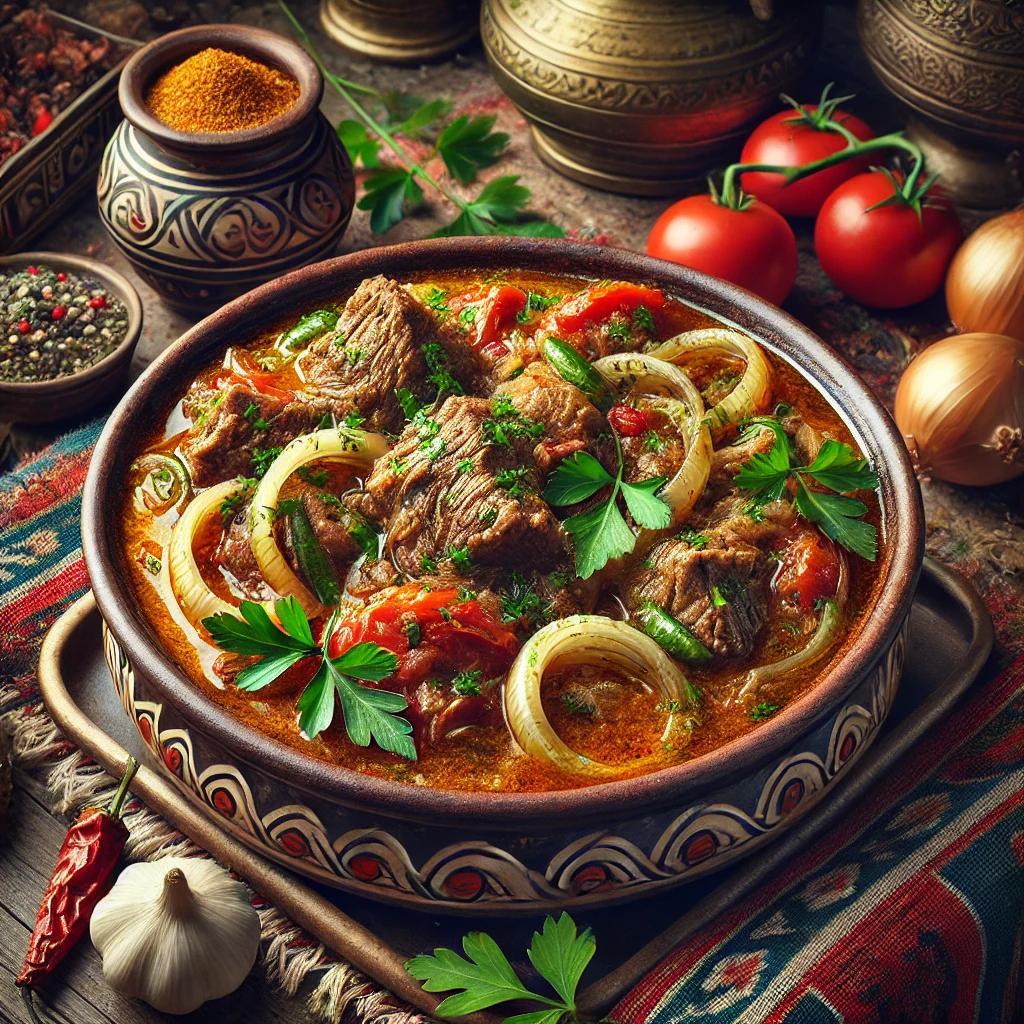
Oily Black
Yağlı Kara is a dish with deep roots in Turkish cuisine and holds a special place in the rich culinary culture of Anatolia. Named for the abundant fatty meats used in its preparation and its distinctive dark cooking technique, this dish is commonly consumed especially in the Eastern and Southeastern Anatolia regions. Found both on everyday tables and at special gatherings, it is prepared by combining lamb or beef with various spices and typically cooked in a stone oven or tandır. Historical and
EN
Abdulmuttalip Erdoğan
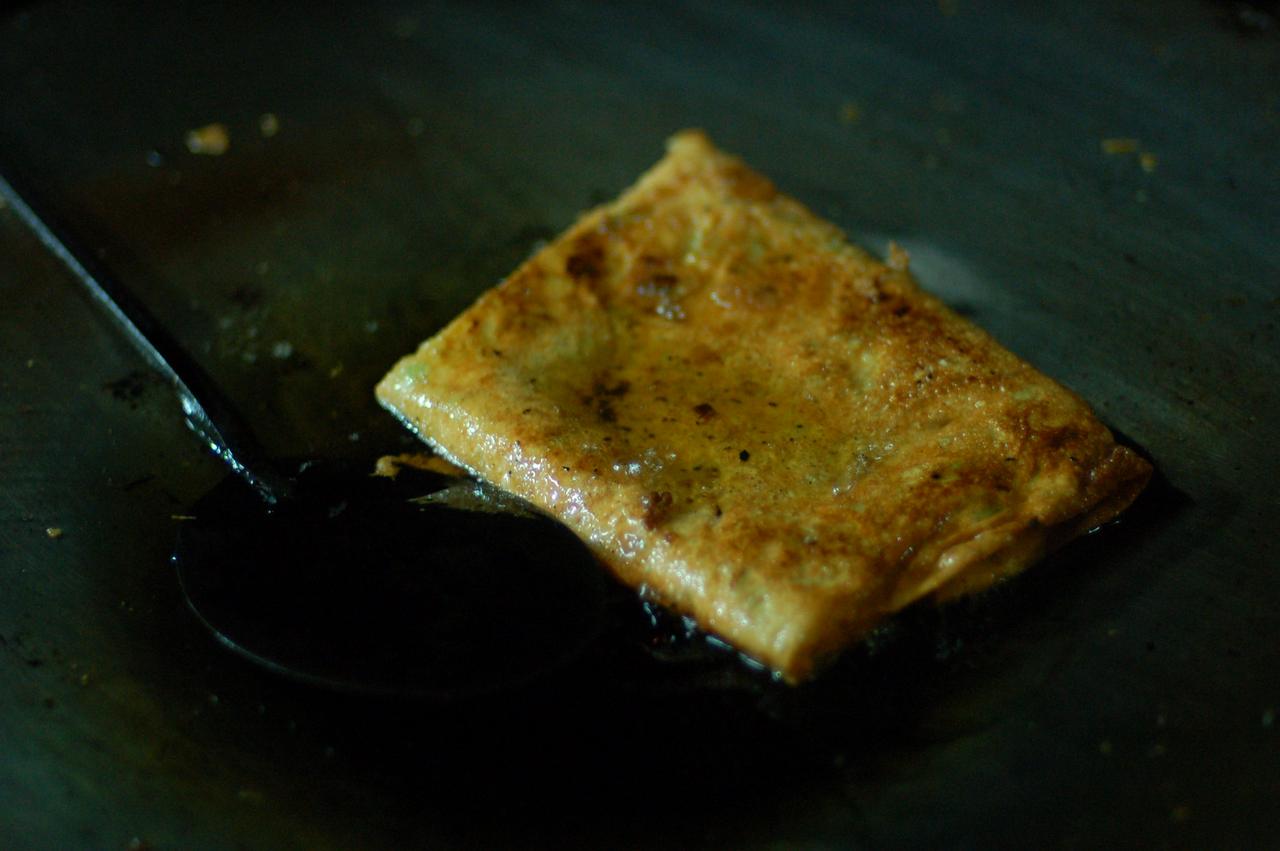
Martabak Telur
Martabak Telur is a savory pastry made by rolling a yeast-free, elastic dough into a paper-thin sheet, filling it with a mixture of eggs, meat, and various vegetables, then folding it and shallow-frying until golden. Recognized as one of the foundational dishes of street cuisine, it is technically classified as a “stuffed and folded crepe” or “fried flatbread.” Indonesia Etimology and Historical Development The dish derives its name from the Arabic word mutabbaq, meaning “folded.” Historically,
EN
Emine Nur ERDEM
 Ne
NeNevşehir Cuisine
Nevşehir Cuisine represents the culinary culture of Nevşehir, located at the heart of the historical Cappadocia region in Central Anatolia. This cuisine is the product of thousands of years of historical accumulation, shaped by contributions from numerous civilizations including the Hittites, Phrygians, Assyrians, Persians, Romans, Seljuks, and Ottomans. The province’s continental climate and fertile soils have played a decisive role in determining the diversity of agricultural and livestock pro
EN
Mehtap Pamuk
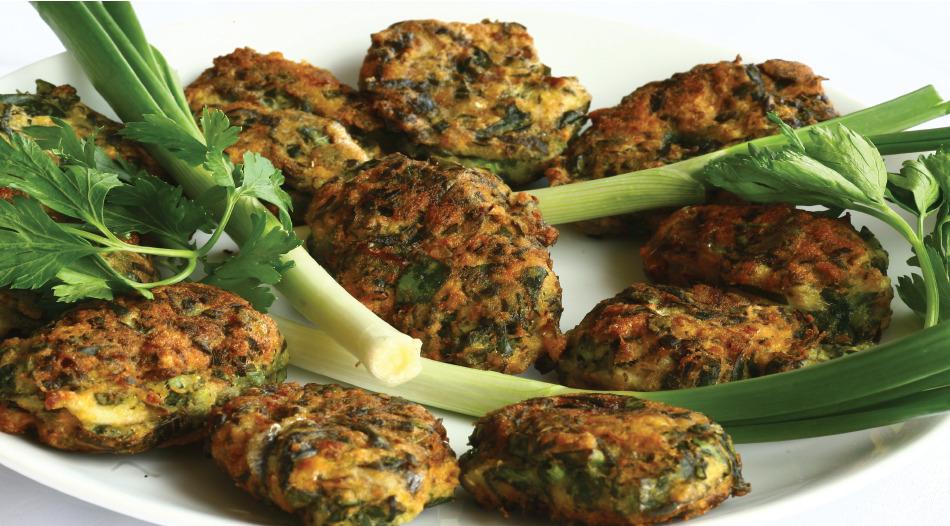
Hamsikuşu
Hamsikuşu is a traditional dish from Türkiye’s Eastern Black Sea Region, particularly in the areas of Trabzon and Rize, prepared by shaping minced fillets of hamsi fish mixed with corn flour, wheat flour, various green vegetables, water, and spices into meatball-like forms. This product, an original component of the regional culinary culture shaped by the area’s geographical, climatic, and cultural characteristics, can be produced using either fresh or salted hamsi. In local dialects, the term a
EN
Yazgül Bulut
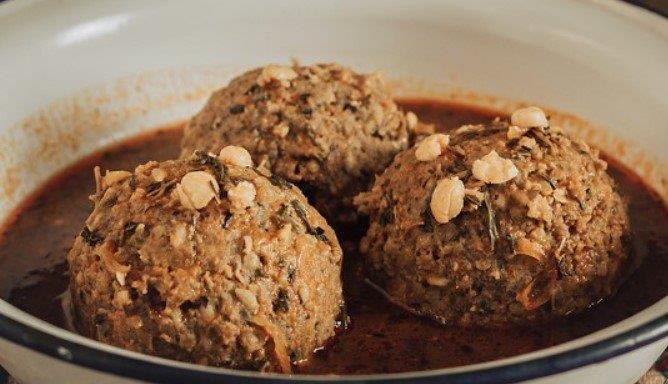
Van Acem Köftesi
Van Acem Köftesi; a traditional dish from the Van region, prepared using minced meat, boiled eggs, water, chickpeas, rice, bulgur, tomato paste, sunflower oil, spices, potatoes, dried onion, and salt. The dish is made by covering a whole boiled egg with a mixture of minced meat and other ingredients, then cooking it in a liquid medium. Product Profile and Geographical Indication Type Van Acem Köftesi belongs to the category of dishes and soups. It has been officially registered by the Turkish Pa
EN
Caner Sefa Koçyiğit
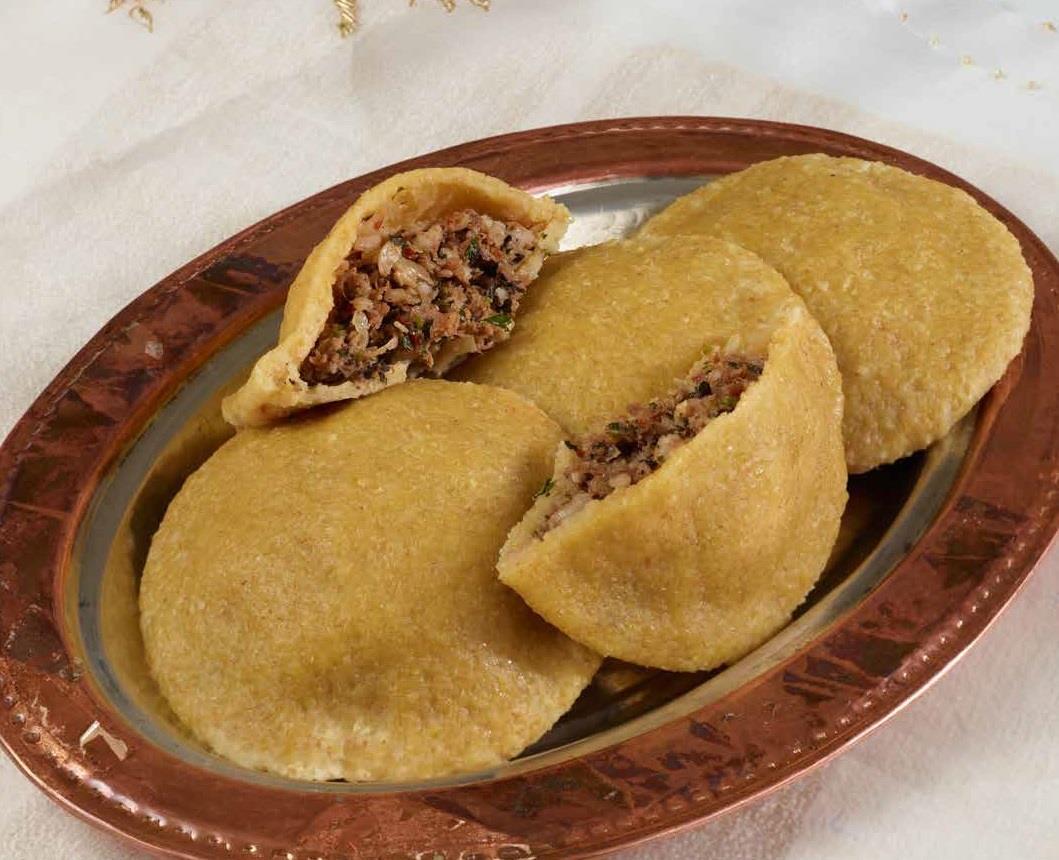
Kitel (Soğanlı İçli Köfte)
Kitel is a traditional dish consumed in certain regions of Anatolia as common. It is prepared by combining bulgur and minced meat as the primary ingredients. History and Origin The origin of Kitel traces back to rural areas of Anatolia where bulgur consumption is widespread. Traditionally, it is shaped by hand. Today has evolved into a recipe that can be prepared using more practical methods. Although similar dishes exist in different regions, together, Kitel distinguishes itself through its uni
EN
Yunus Emre Sağlam
NeNevşehir Cuisine
Nevşehir Cuisine represents the culinary culture of Nevşehir, located at the heart of the historical Cappadocia region in Central Anatolia. This cuisine is the product of thousands of years of historical accumulation, shaped by the contributions of numerous civilizations including the Hittites, Phrygians, Assyrians, Persians, Romans, Seljuks and Ottomans. The province’s continental climate and fertile soils have played a decisive role in determining the diversity of agricultural and livestock pr
EN
Mehtap Pamuk
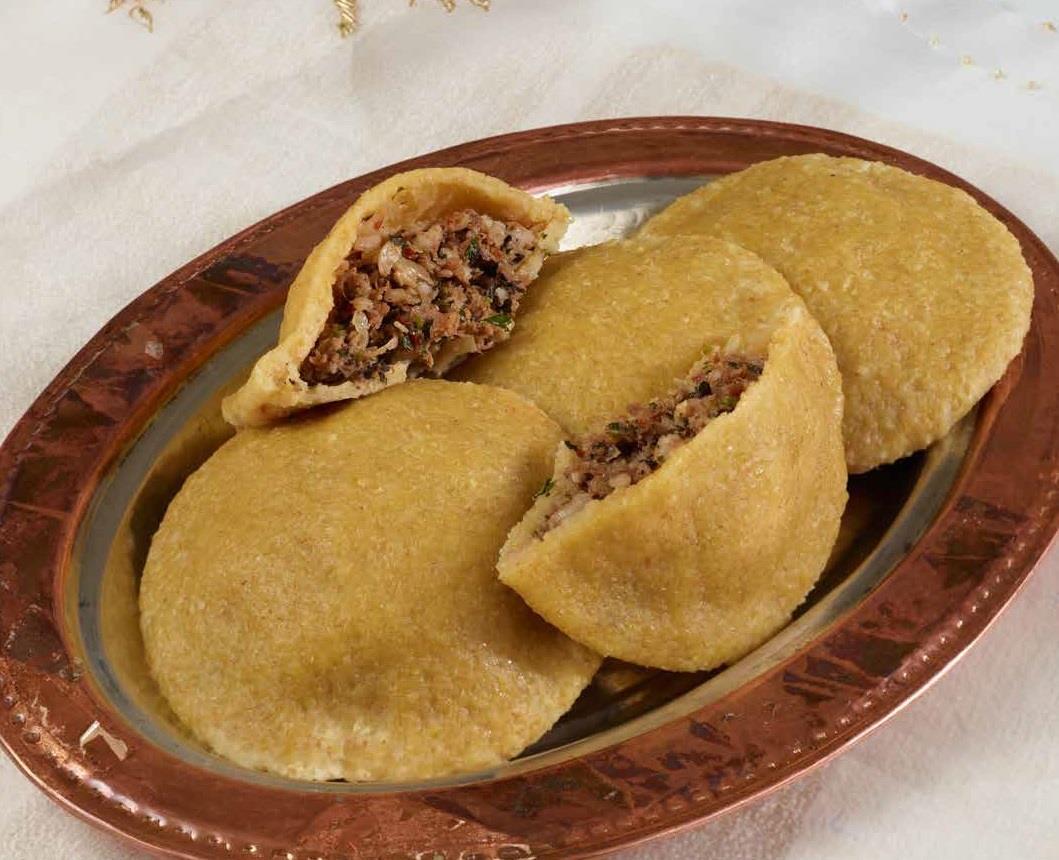
Kitel (Soğanlı İçli Köfte)
Kitel is a traditional dish commonly consumed in certain regions of Anadolu. It is prepared by combining bulgur and minced meat as its primary ingredients. History and Origin The origin of Kitel is rooted in the rural areas of Anadolu where bulgur consumption is widespread. Traditionally, it is shaped by hand. Today, it has become a recipe that can be prepared using more practical methods. Although similar dishes exist in different regions, Kitel distinguishes itself through its unique filling a
EN
Yunus Emre Sağlam