This article was automatically translated from the original Turkish version.
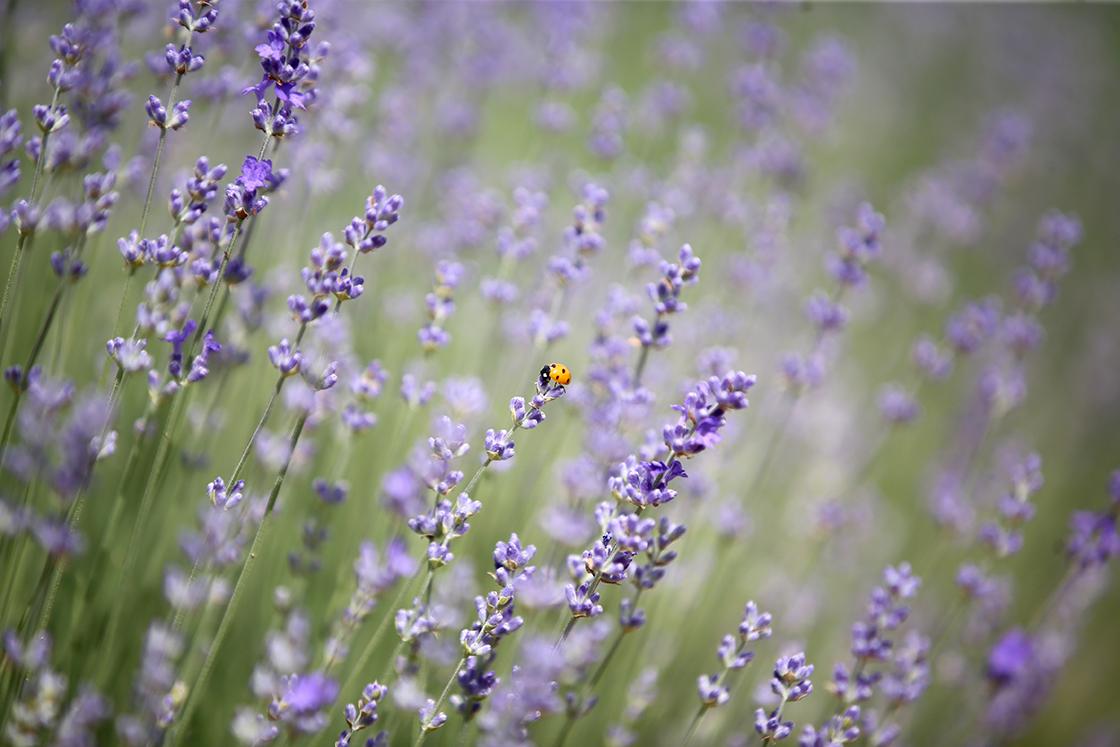
Lavender is a perennial, aromatic plant belonging to the Lamiaceae (mint) family. Its stem becomes woody over time, its leaves are gray-green and finely hairy. Its flowers are in shades of purple or lilac and are known for their characteristic pleasant fragrance. As an important plant for pollinators, lavender is also highly valued in beekeeping. Due to its aesthetic appearance, it is also used as an ornamental plant.
Approximately 39 species are classified under the genus Lavandula. The most common and economically significant species are:

Lavender field (Generated by artificial intelligence.)
Lavender thrives in dry and hot climates. This sun-loving plant is also frost tolerant. It grows productively in calcareous, well-drained soils with a pH between 5.8 and 8.3. Humid environments are unsuitable as they can cause root rot. Optimal essential oil synthesis occurs during flowering under sunny and dry conditions.
In commercial lavender production, vegetative methods (propagation by cuttings or tissue culture) are preferred to ensure genetic homogeneity.
Cuttings are taken from one-year-old shoots and rooted using IBA (Indole-3-butyric acid). The highest rooting rate has been achieved with cuttings taken in March at a concentration of 4000 ppm IBA. Seed propagation is used only sparingly to preserve genetic diversity.
Lavender flowers are typically harvested in July during early morning hours. Drying should be carried out in shade and at low temperatures. Sun drying causes loss of key components such as linalool and linalyl acetate. Essential oil is obtained by steam distillation. Lavandula angustifolia varieties can yield 1–3% essential oil. Oil yield depends on the plant’s age, environmental conditions and processing methods.
Lavender production in Türkiye is concentrated especially in Isparta, Afyonkarahisar, Burdur and Konya. It offers an economically viable alternative for lands that do not require agricultural irrigation. As of 2021, Türkiye has approximately 35,000 decares of lavender cultivation area. Production is increasing through state-supported projects, and lavender is gaining importance for rural development.
Lavender cultivation is valuable not only for agricultural production but also for the development of rural tourism. Isparta’s Kuyucak Village has become a focal point for both lavender production and tourism under the brand “Lavender-Scented Village.” Visitors tour lavender fields, purchase products and contribute economically to the local community. In this regard, lavender is one of the rare plants with significant potential for ecotourism.
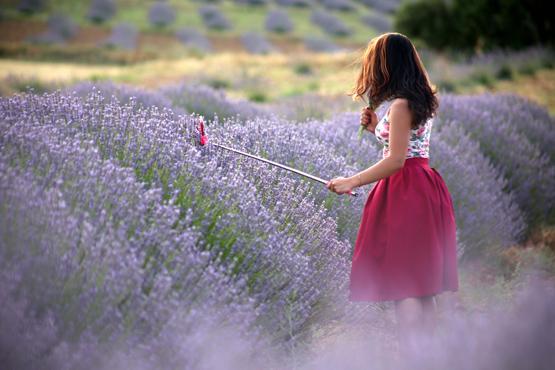
Lavender-Scented Killage (Anadolu Agency)
Lavender oil is used in perfumery, cosmetics, aromatherapy, soap and cleaning products. It has antiseptic, antibacterial and calming properties. Lavender hydrosol is considered a natural insect repellent. Dried flowers are used for tea, bath sachets or decorative purposes.
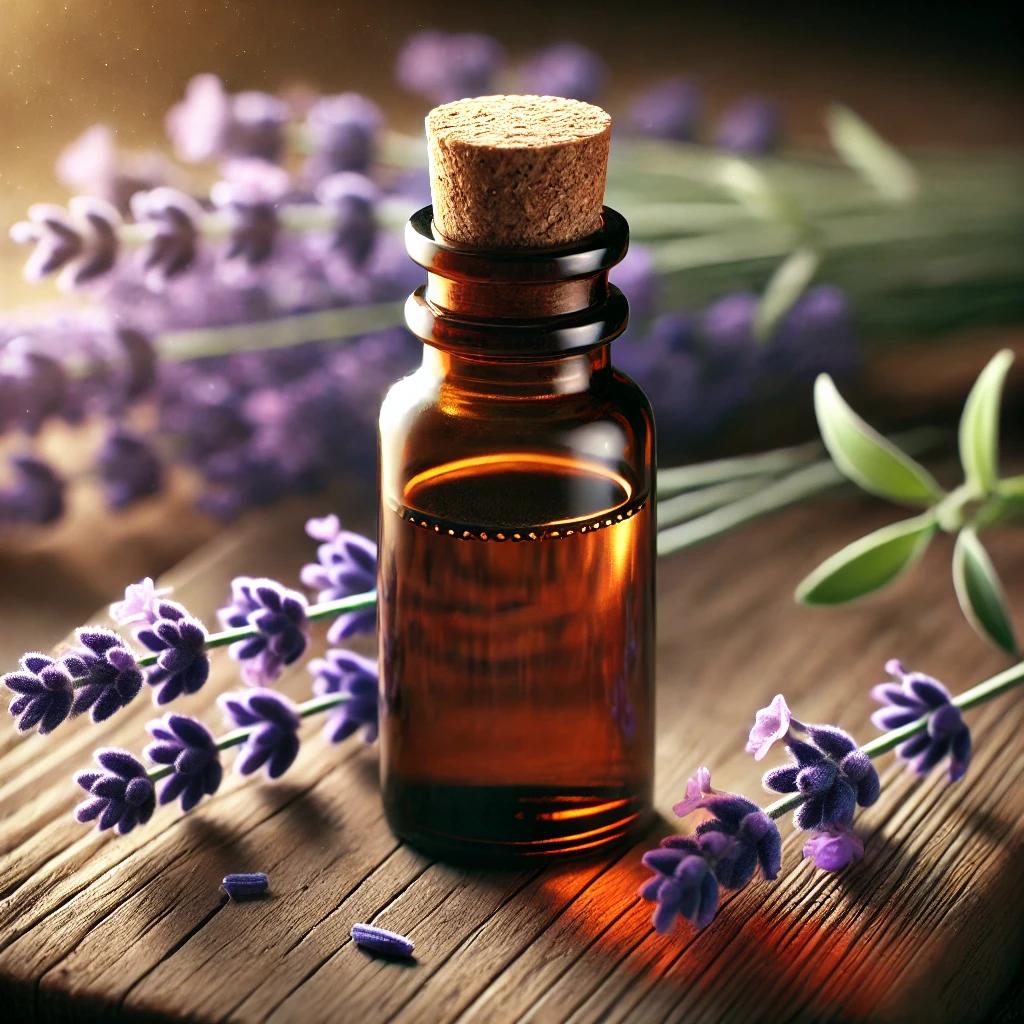
Lavender oil and lavender plants (Generated by artificial intelligence.)
Lavender was used in ancient Roman and Greek civilizations for bathwater, ointments and tinctures. Its name, derived from the Latin verb “lavare” (to wash), reflects its historical association with cleanliness and hygiene. In medieval Europe, lavender was burned in homes to repel harmful insects and protect against illness. During the Ottoman period, lavender was used in pharmacy and essential oil production. Today, it is evaluated not only in traditional uses but also in scientific phytotherapy applications.
The global trade volume of lavender oil reaches millions of dollars. In Türkiye, lavender oil exports are increasing while imports are declining. With its low production cost, high market value and versatile uses, lavender provides sustainable contributions to rural economies.
Anadolu Ajansı. “Kırklareli’nde Lavanta Tarlaları Hasat Öncesi Mor Turizm İçin Hazırlandı.” *AA*. Accessed March 26, 2025.https://www.aa.com.tr/tr/yasam/kirklarelinde-lavanta-tarlalari-hasat-oncesi-mor-turizm-icin-hazirlandi/2926401.
Anadolu Ajansı. “Lavanta Kokulu Köy Mora Boyandı.” *AA*. Accessed March 26, 2025.https://www.aa.com.tr/tr/pg/foto-galeri/lavanta-kokulu-koy-mora-boyandi.
Kara, N. Lavanta Yetiştiriciliği ve Ekonomik Potansiyeli. PhD thesis, Süleyman Demirel Üniversitesi, 2011.
Yenikalaycı, A., M. Demirtaş, and B. Korkmaz. "Lavanta Tarımının Türkiye'deki Yeri ve Geleceği." Doğu Fen Bilimleri Dergisi 6, no. 1 (2023): 1–9.
Çiçek, E., and A. Özel. "Lavanta (Lavandula spp.) Yetiştiriciliği Üzerine Bir Değerlendirme." Harran Tarım ve Gıda Bilimleri Dergisi 25, no. 2 (2021): 254–264.
Üstü, Y., and M. Uğurlu. "Lavanta Tüketiminin Psikolojik Etkileri." Ankara Medical Journal 21, no. 2 (2019): 416–418.
İlkimen, H., and A. Gülbandılar. "Lavanta Yağının Antibakteriyel Etkisi Üzerine Bir İnceleme." Türk Mikrobiyoloji Cemiyeti Dergisi 48, no. 4 (2018): 241–246.

Botanical Classification and Species
Growing Conditions
Production Techniques
Harvesting, Drying and Oil Production
Lavender Cultivation in Türkiye
Applications
Historical Use