

`botany` Related Article Results
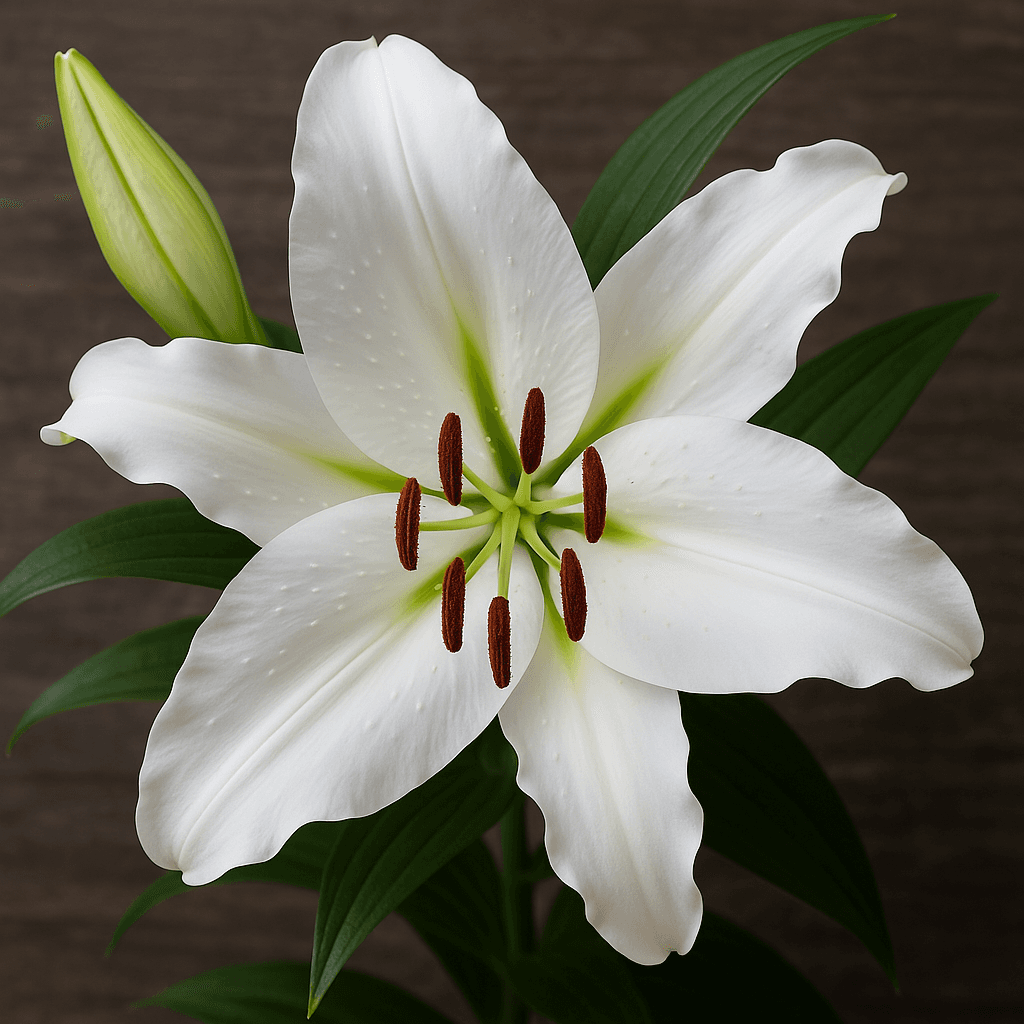
Lilium Casa Blanca
Lilium ‘Casa Blanca’ is an ornamental plant cultivated as a member of the Oriental lilies (Lilium orientalis) group common. Its white flowers, intense fragrance and robust structure give it significant importance in commercial floriculture and landscape applications. The genus Lilium belongs to the Liliaceae family and constitutes a broad plant group with approximately 100 species. Oriental lilies are popular ornamental plants worldwide due to their large and showy flowers. Lilium ‘Casa Blanca’
EN
Emine Nur Demir
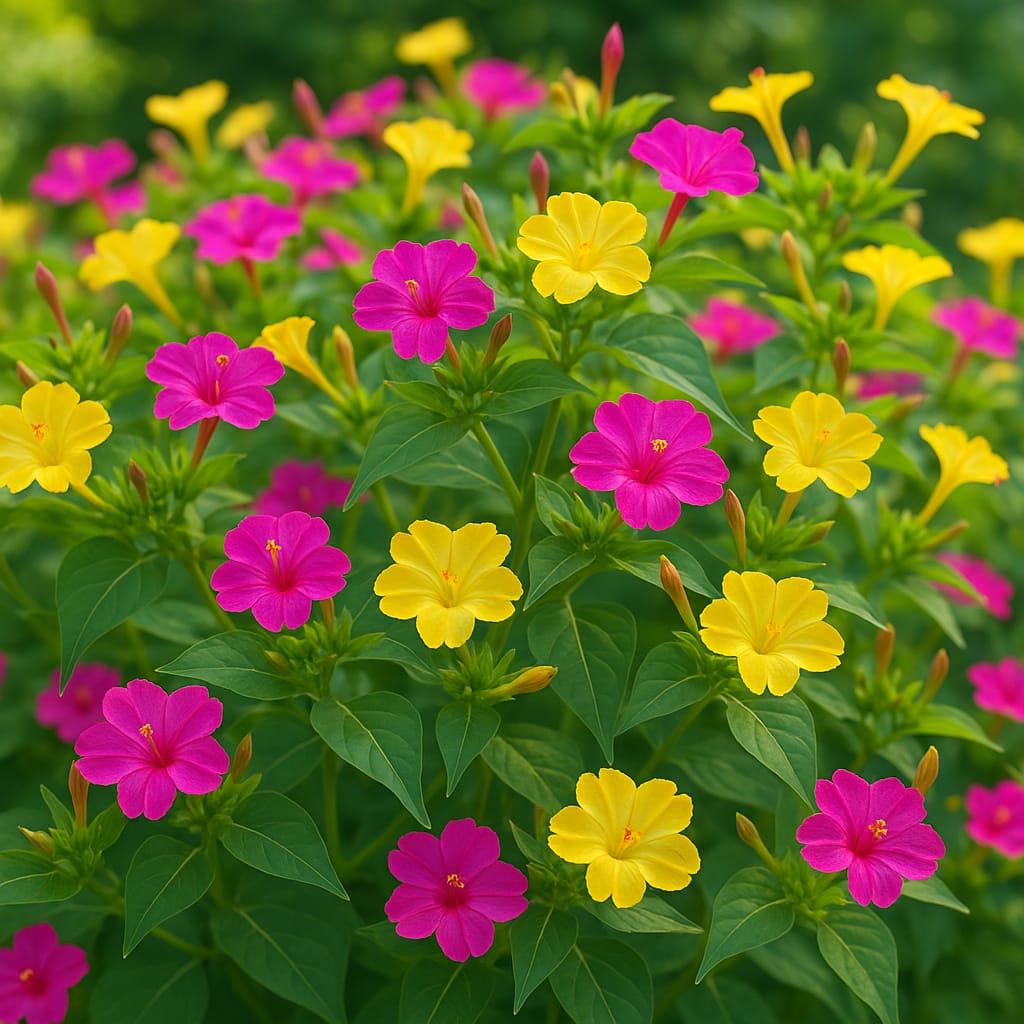
Evening Beauty (Mirabilis Jalapa)
Mirabilis jalapa L. (Nyctaginaceae) is a species that attracts interest from both botany and pharmaceutical sciences due to its morphological diversity biochemical composition and traditional medicinal applications. Cultivated as an ornamental plant in tropical and subtropical regions common, Mirabilis jalapa L. is known as “Four o’clock flower” people. Plant draws attention through its flowers opening in the later hours of the day its ability to display multiple flower colors on the same plant
ENEmine Nur Demir
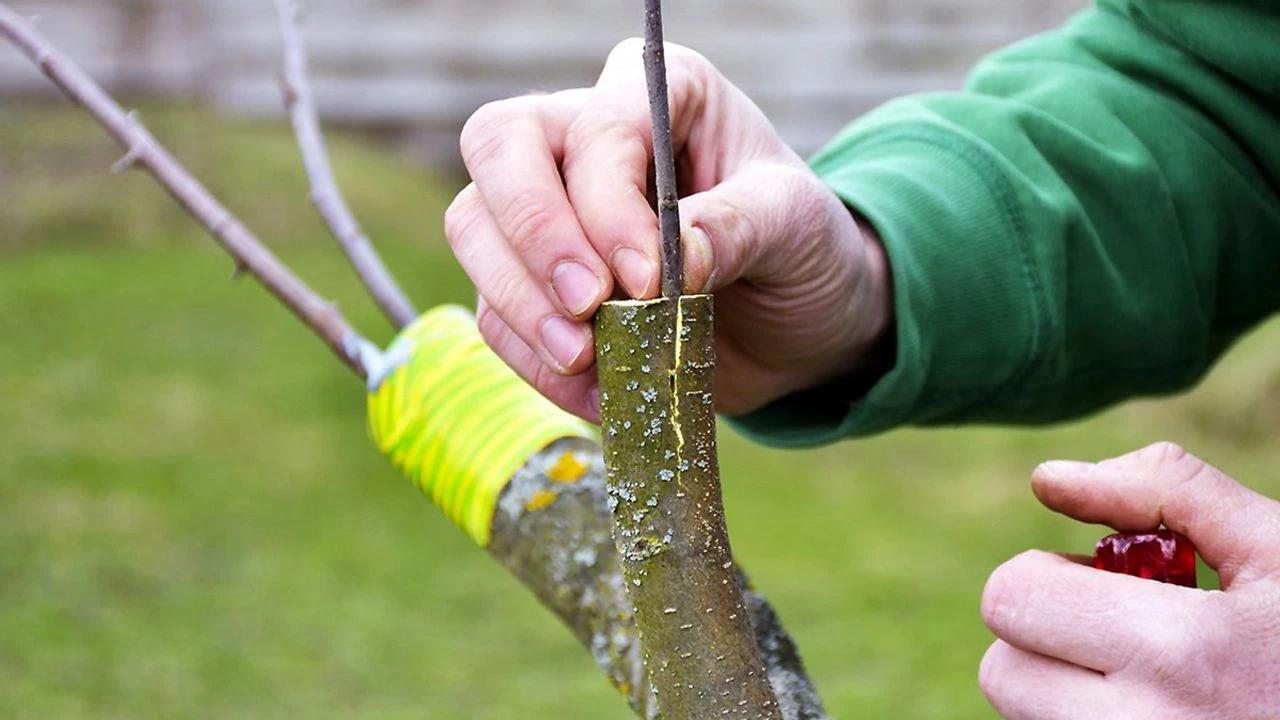
Grafting in Plants
Grafting in plants is an asexual (vegetative) propagation method that involves joining living tissues of two genetically similar or conspecific plants to develop as a single organism. In grafting, the lower part of the plant that forms the root and stem system is called the “rootstock,” while the upper part containing buds is referred to as the “scion” or “graft bud.” Grafting is applied for numerous agricultural purposes, including fruit and vegetable production, plant breeding, enhancing disea
EN
Samet Şahin

Dill (Anethum graveolens)
Anethum graveolens L. is an annual, aromatic, herbaceous plant belonging to the Apiaceae (Umbelliferae) family. The specific epithet is of Latin origin and means “strongly scented.” The plant is native particularly to the Mediterranean, Southwest Asia, and Southeast Europe. Its leaves and seeds are widely used in cooking. Dill (Pixabay) " image-alternate="" image-element-format="right"> Botanical Characteristics Anethum graveolens L. (dill) is an annual, aromatic, herbaceous plant in the Apia
EN
Yağmur Uğurlu
 Lo
LoLotus Flower
Lotus (Nelumbo nucifera) is a perennial herbaceous aquatic plant belonging to the family Nelumbonaceae. It originates from Asia and thrives particularly in still or slow-moving waters. Although its roots are anchored in muddy sediments, its flowers and leaves rise cleanly and spotlessly to the surface of water. This characteristic forms the foundation of cultural and religious beliefs associating the lotus flower with purity, cleanliness, and spiritual enlightenment. The leaves of the lotus plan
ENKübra Elçi
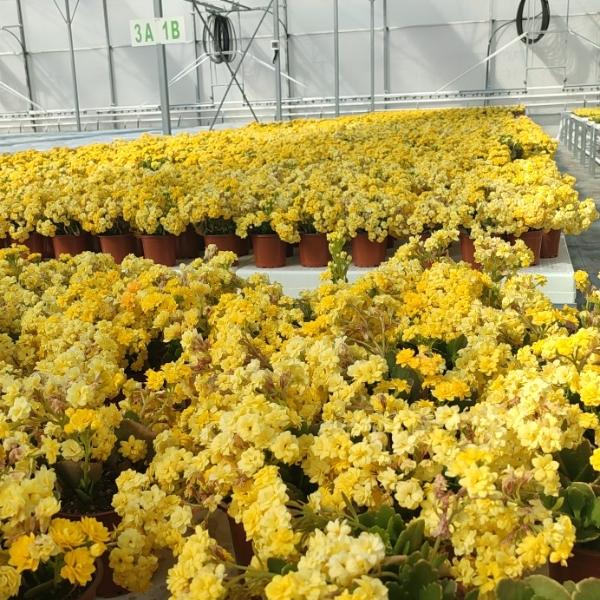
Kalanchoe (Kalanchoe spp.)
Kalanchoe (Kalanchoe spp.) is a genus of succulent, flowering plants belonging to the Crassulaceae family. Originating primarily from Madagascar and tropical Africa, this genus encompasses approximately 200 species. In particular, Kalanchoe blossfeldiana is widely cultivated as an ornamental plant worldwide. Members of the genus are frequently chosen as indoor ornamental plants due to their succulent characteristics and relatively low maintenance requirements. Some species are also known colloqu
EN
İsmail Orçan
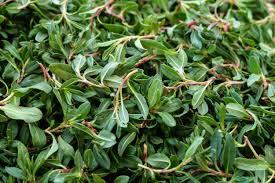
Madımak Plant
Madımak (Polygonum cognatum) is a perennial herbaceous plant belonging to the Polygonaceae family. Naturally growing in various regions of Türkiye, madımak is an edible plant commonly consumed especially in Central Anatolia and East Anatolia, where it is common eaten. Harvested in Spring months and used in cooking, madımak is regarded both as a nutritious food and a traditional remedy for certain illnesses during people. The madımak plant (generated with Artificial intelligence.) Botanical Chara
EN
Belemir Elif Topcu
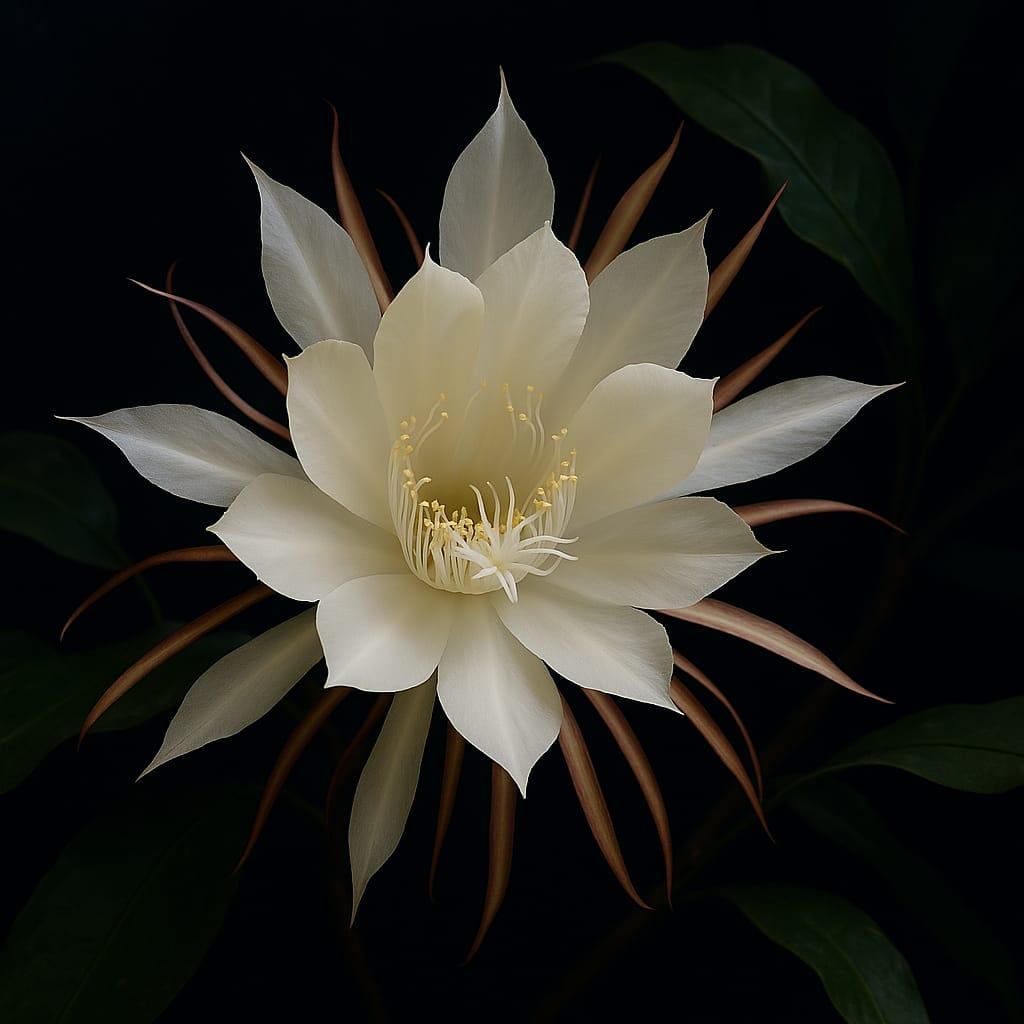
Queen of the Night Flower (Epiphyllum Oxypetalum)
Epiphyllum oxypetalum is an epiphytic plant belonging to the Cactaceae family and is native to tropical and subtropical regions. Known as the "Queen of the Night" due to its nocturnal blossoms, this species is notable both for its botany and its cultural significance. Epiphyllum oxypetalum is a cactus species whose natural habitat is Central America and Southeastern Asia. Thanks to its epiphytic lifestyle, it typically grows on the trunks of tree and in rocky areas. Its large, fragrant flowers t
EN
Emine Nur Demir
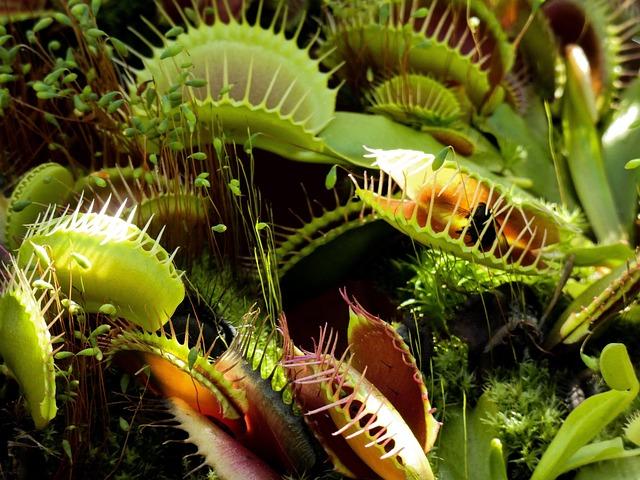
Dionaea muscipula (Venus flytrap)
Dionaea muscipula, commonly known as the Venus flytrap, is a species distinguished by its structural and functional adaptations among carnivorous plants. It naturally occurs in a limited range in the southeastern United States, particularly in the wetland ecosystems of North and South Carolina. Despite being capable of photosynthesis, this species has evolved a heterotrophic feeding strategy to supplement its nutritional needs due to the nitrogen- and phosphorus-poor soils in which it grows. Dio
ENEmine Nur Demir
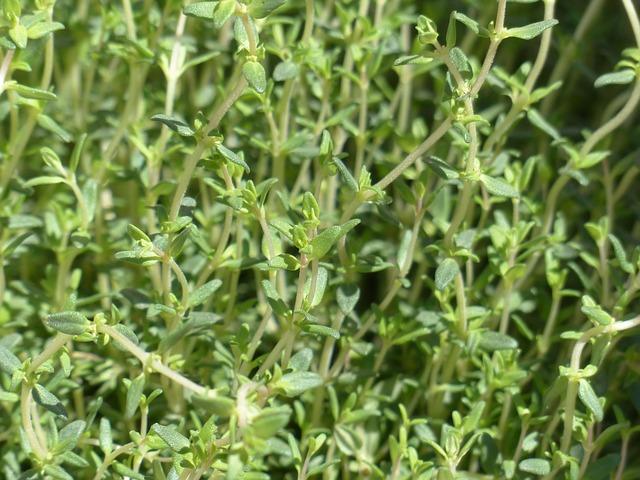
Oregano
In Türkiye, numerous aromatic species from the Lamiaceae family are identified and used as “kekik,” but those containing thymol/carvacrol-type essential oils are specifically recognized as kekik. It is generally a plant that grows naturally in grassland edges, warm and sunny rocky areas. In Türkiye, this plant, which has been used for centuries and exported internationally, offers benefits in many fields such as medicine and gastronomy. It is found abundantly in the Aegean and Mediterranean Regi
ENEsma Nur Yıldırım