

`lava` Related Article Results
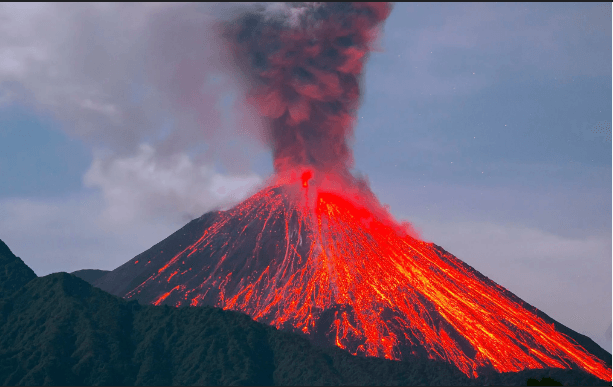
Volcanoes
Volcanoes are one of the most powerful and impressive natural phenomena on world’s surface. In fact, volcanic eruptions are the result of massive geological processes occurring deep within the Earth. Volcanoes form when molten rock, known as magma, beneath place’s crust rises to the surface. The erupted magma is called lava. When this lava explodes violently, it can destroy the surrounding plant cover, animals, and human settlements. However, volcanic eruptions also create new land, bring rich m
EN
Oksana Gülünay
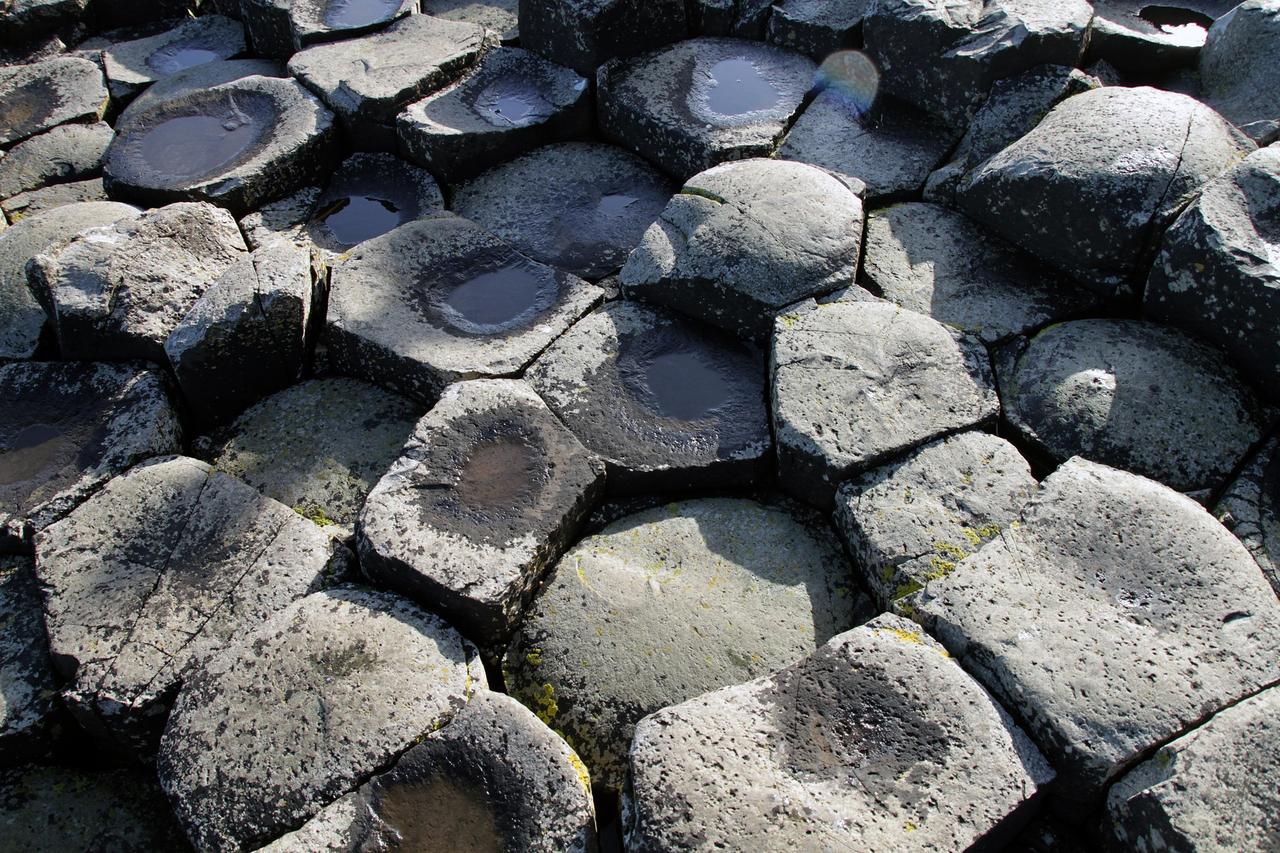
Giant's Causeway
Giant’s Causeway (Giant’s Causeway), located on the Antrim coast of Northern Ireland, is a coastal geomorphological area defined by columnar rock structures formed by the cooling of Paleogene basaltic lava flows. The region contains a regular assembly of basalt columns, predominantly with hexagonal cross-sections and vertical orientations. These structures are linked to the solidification dynamics of lava that occurred approximately 60 million years ago during volcanic activity.【1】 The site hold
EN
Fatmanur Mavibaş

Karacadağ
Karacadağ. This mountain is not merely a high peak but also a dormant volcano. That means millions of years ago it was a giant spewing fire! Today it stands quietly between the cities of Diyarbakır and Şanlıurfa, providing many benefits to the local population. Karacadağ does not resemble the sharp-tipped mountains we typically imagine. Instead, it has a shield-like shape, broad and flat, similar to the shell of a turtle. This is due to its lava being highly fluid, allowing it to spread slowly a
EN
Kasım Emre Anıl

What is obsidian?
Obsidian is a natural stone formed by the rapid cooling of lava erupted from volcanoes; it has a glassy luster and is typically black in color. It appears beautiful and is also very hard, which is why humans have used it for both tools and jewelry. How Is Obsidian Formed? When volcanoes erupt, lava is expelled. If this lava cools very rapidly, the stone known as obsidian forms. Obsidian resembles glass because it contains no crystals, giving it a smooth and shiny surface. Colors of Obsidian Obsi
EN
İbrahim Filiz
 La
LaLavender
Lavender is a perennial, aromatic plant belonging to the Lamiaceae (mint) family. Its stem becomes woody over time, its leaves are gray-green and finely hairy. Its flowers are in shades of purple or lilac and are known for their characteristic pleasant fragrance. As an important plant for pollinators, lavender is also highly valued in beekeeping. Due to its aesthetic appearance, it is also used as an ornamental plant. Botanical Classification and Species Approximately 39 species are classified u
EN
Burcu Sandıkçı