


This article was automatically translated from the original Turkish version.
+1 More
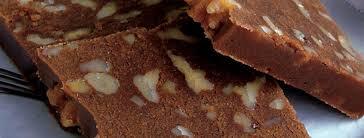
Kabataş Halva
Registration Number | 282 | ||||||||
|---|---|---|---|---|---|---|---|---|---|
Registration Date | 18.12.2017 | ||||||||
Application Number | C2011/070 | ||||||||
Application Date | 05.10.2011 | ||||||||
Name of the Geographical Indication | Kabataş Helvası | ||||||||
Product | Helva | ||||||||
Type of Geographical Indication | Mahreç İşareti | ||||||||
Applicant/Registrant | Ordu Valiliği Yatırım İzleme Ve Koordinasyon Başkanlığı | ||||||||
Address of the Registrant | Saray Mah. Hükümet Cad. No:3 Altınordu/ORDU | ||||||||
Geographical Boundary | Ordu İli Kabataş İlçesi | ||||||||
Kabataş helva is a traditional sweet registered with a geographical indication, unique to the Kabataş district of Ordu province in Türkiye. Its main ingredients are local walnuts produced in the region, homemade pear or apple molasses, white sugar, wheat flour, and egg whites. It has a chewy consistency and requires a labor-intensive production process. The helva is cut into strips for consumption and matured by resting in copper vessels.
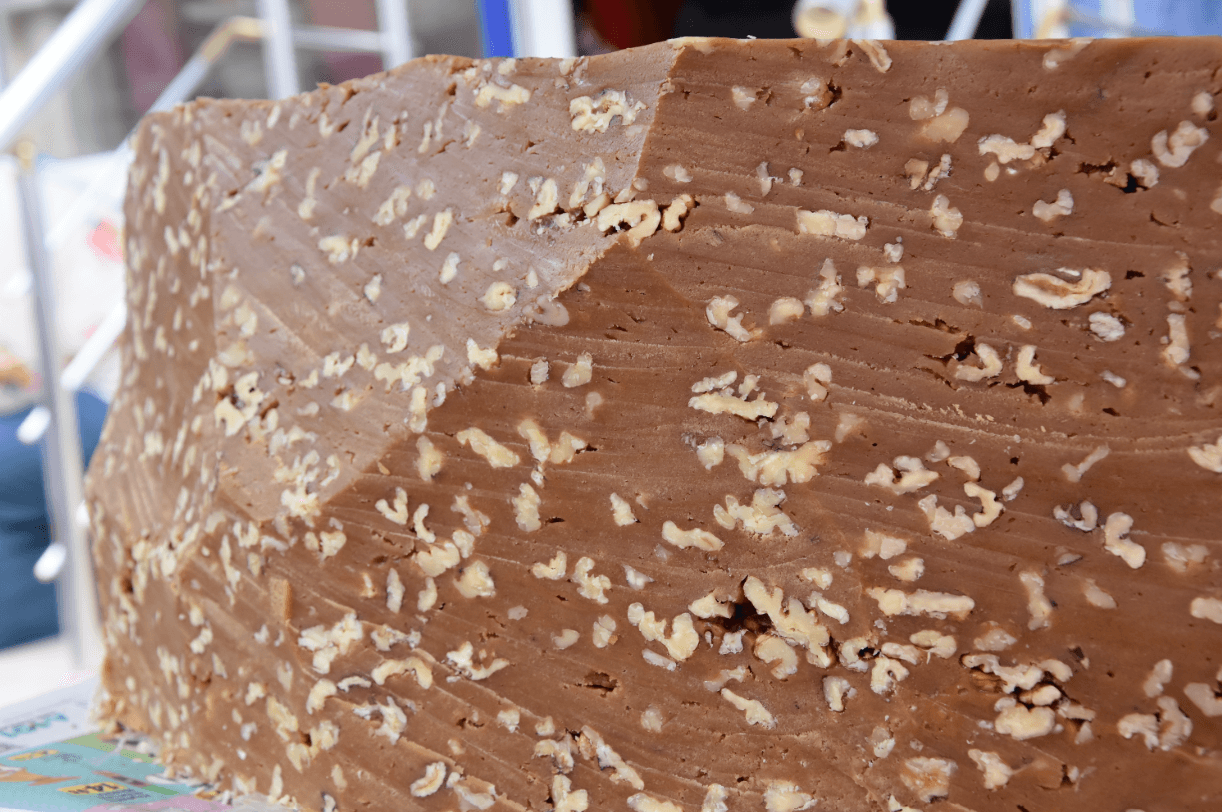
Kabataş Helvası (T.C. Kabataş Kaymakamlığı)
Kabataş helva primarily consists of homemade pear or apple molasses, walnut kernels, white sugar, wheat flour, and egg whites. The walnuts used in the product are sourced from local walnut varieties grown in the Kabataş district.
The main components of helva and their associated chemical properties are defined as follows:
Productions that deviate from these proportions are considered non-compliant with the geographical indication registration requirements. The optimal consistency for cutting the helva is between 20–30 °C; cutting becomes difficult once the product has fully cooled. Cutting the helva into strips is the traditional shaping method.
The ingredients required to produce 10 kg of Kabataş helva are as follows:
The production process begins by simmering the molasses over low heat for approximately two hours until its weight is reduced from 4 kg to 2 kg. The sugar is boiled for four hours with half a liter of water to form a syrup. During this process, citric acid is added to lighten the mixture. The molasses and syrup are then cooked together over heat for two hours, continuously stirred until they reach a chewy consistency, after which the mixture is gradually cooled. Once lukewarm, the whipped egg whites are incorporated into the mixture, and the helva is cooked again over heat for about two hours while being stirred. At this stage, roasted wheat flour is added. In the final step, walnut kernels are mixed into the hot mixture. The resulting product, now shaped into helva, is transferred into tin-lined copper vessels and rested for 24 hours. The helva is served in copper containers.
It is essential to prevent metal contamination during production and to maintain control over the levels of hydroxymethylfurfural (HMF) in the product. The sugar used must comply with the Turkish Food Code Regulation on Sugar.
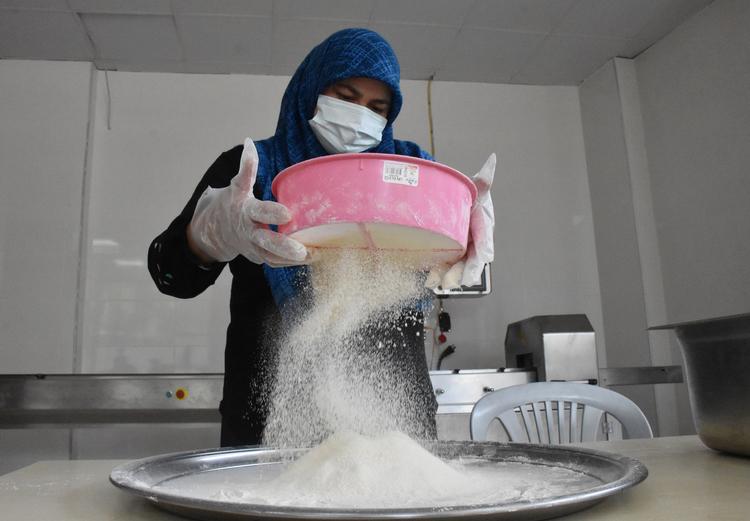
Kabataş Helvası (AA)
Commercial producers of Kabataş helva are required to operate in accordance with the production rules, inspection conditions, and packaging standards specified in the geographical indication registration certificate.
The following information must appear on the packaging:
Packaging materials such as cellophane, aluminum, and plastic foil-lined boxes are preferred. For long-term storage, vacuum packaging machines must be used. These considerations are particularly important for products sold for tourism purposes.
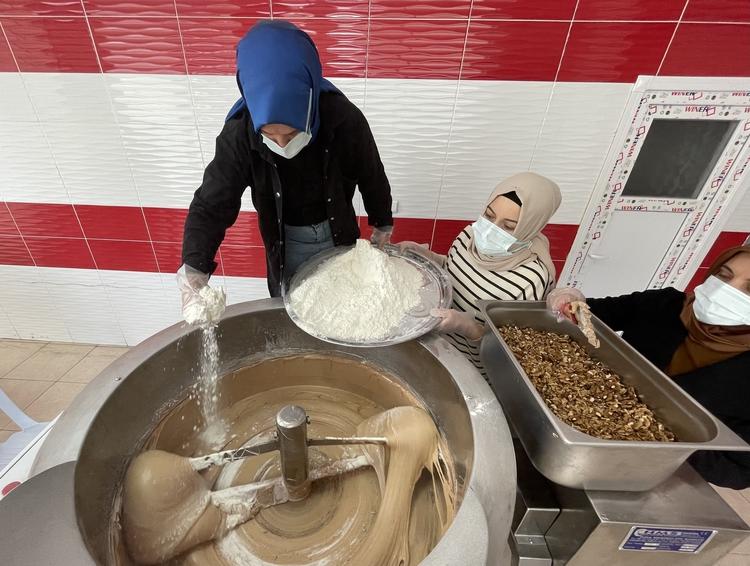
Kabataş Helvası (AA)
Kabataş helva is a traditional type of helva produced in the Kabataş district of Ordu province in Türkiye and registered with a geographical indication. The registration process was completed on 18 December 2017, and the application was initiated on 5 October 2011 by the Investment Monitoring and Coordination Directorate of the Ordu Governorate (Registration No: 282, Application No: C2011/070). The registration type is a geographical indication, and the Kabataş district has been designated as the geographical boundary for this product.
The distinctive qualities of Kabataş helva stem from the use of local walnuts, homemade fruit molasses, and traditional production methods. Production must occur within the boundaries of the Kabataş district. Both the sourcing of raw materials and the production process follow methods unique to this region. Therefore, the product is only eligible for registration when produced within the Kabataş geographical area.
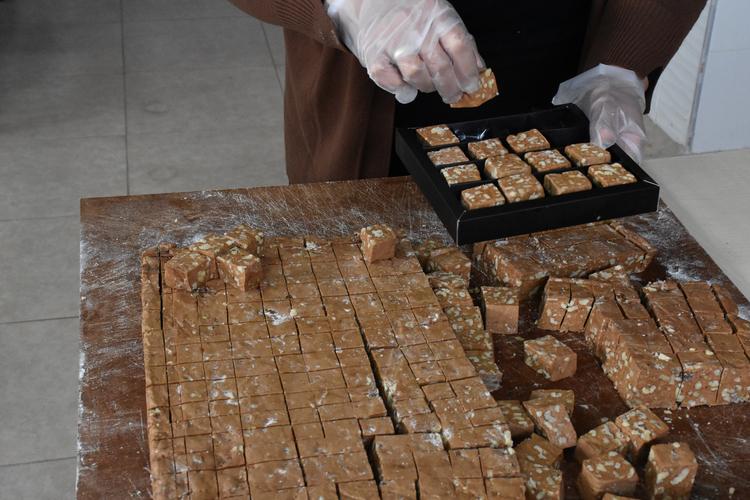
Kabataş Helvası (AA)
The production processes of Kabataş helva, the suitability of ingredients, labeling, and the proper application of the geographical indication are monitored by a three-member inspection commission.
Commission members are selected from the following institutions:
The production, processing, marketing, labeling, and correct use of the geographical indication for Kabataş helva are inspected in accordance with the specified ingredients and production conditions, as well as general health and hygiene standards. This inspection is conducted annually. The product is evaluated each year using sampling methods, particularly based on data from component ratios listed in tables.
The inspection commission regularly carries out checks on the use of the geographical indication and initiates necessary legal procedures in cases of non-compliant use. Additionally, the commission provides information to relevant institutions and producers in the production areas regarding the conditions and usage principles of the geographical indication. To this end, official announcements and notifications are prepared. Commission decisions are made by voting and enter into force based on majority rule.
Within the borders of Türkiye, inspections to ensure compliance with the geographical indication regulations for Kabataş helva are carried out twice a year at locations where production, processing, and marketing occur. Additional inspections may be conducted outside the scheduled timeframe if deemed necessary or upon complaint. The commission may obtain support or services from public institutions, private sector entities, or qualified experts in these fields. The commission is also responsible for carrying out legal procedures to protect the rights to the geographical indication.
Anadolu Ajansı. "Tescilli Kabataş Helvası Ordulu Kadınlara Gelir Kapısı Oldu." Accessed June 15, 2025.https://www.aa.com.tr/tr/yasam/tescilli-kabatas-helvasi-ordulu-kadinlara-gelir-kapisi-oldu-/3016722
Kabataş Kaymakamlığı. "Coğrafi İşaretli Kabataş Ceviz Helvası." Accessed June 15, 2025.http://www.kabatas.gov.tr/cografi-isaretli-kabatas-ceviz-helvasi.
Turk Patent and Trademark Office. "Kabataş Ceviz Helvası Tescil Belgesi." PDF document. Accessed June 15, 2025.https://ci.turkpatent.gov.tr/Files/GeographicalSigns/bc5c85ea-d102-4f8a-ad51-1607a87e202b.pdf
Turk Patent and Trademark Office. "Kabataş Ceviz Helvası." Geographical Indications. Accessed June 15, 2025.https://ci.turkpatent.gov.tr/cografi-isaretler/detay/38053

Kabataş Halva
Registration Number | 282 | ||||||||
|---|---|---|---|---|---|---|---|---|---|
Registration Date | 18.12.2017 | ||||||||
Application Number | C2011/070 | ||||||||
Application Date | 05.10.2011 | ||||||||
Name of the Geographical Indication | Kabataş Helvası | ||||||||
Product | Helva | ||||||||
Type of Geographical Indication | Mahreç İşareti | ||||||||
Applicant/Registrant | Ordu Valiliği Yatırım İzleme Ve Koordinasyon Başkanlığı | ||||||||
Address of the Registrant | Saray Mah. Hükümet Cad. No:3 Altınordu/ORDU | ||||||||
Geographical Boundary | Ordu İli Kabataş İlçesi | ||||||||
Composition
Production Process
Packaging and Commercial Presentation
Geographical Link and Locality
Inspection and Implementation Conditions