


This article was automatically translated from the original Turkish version.
+2 More
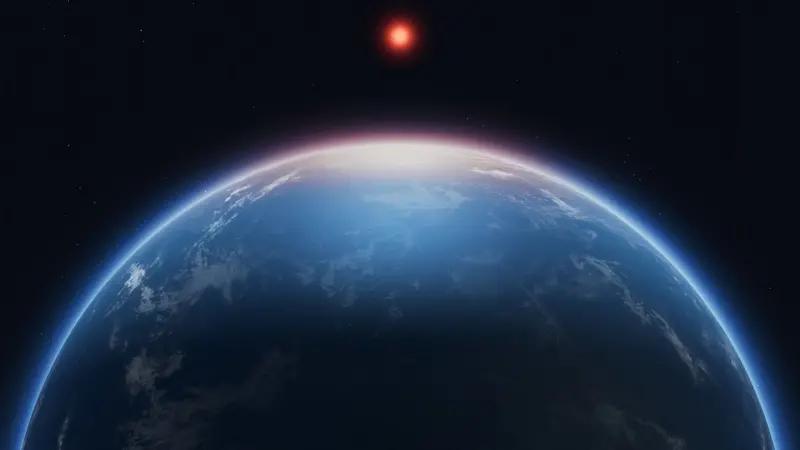
K2-18b
Discovery Year(s) | 2015 (Kepler Space Telescope) | ||||||||
|---|---|---|---|---|---|---|---|---|---|
Distance | 124 light years | ||||||||
Star | K2-18 (Red Dwarf Star) | ||||||||
Atmospheric Components | Methane (CH₄), Carbon Dioxide (CO₂), Dimethyl Sulfide (DMS) | ||||||||
Liquid Water Potential | Potential (In the habitable zone) | ||||||||
Planet Type | Super-Earth | ||||||||
K2-18b is an exoplanet discovered in 2015 by NASA's Kepler Space Telescope. It holds significant importance in the study of planets outside the Solar System that may harbor life. K2-18b has attracted scientific attention as a planet thought to possess Earth-like conditions, particularly due to the detection of methane and carbon dioxide in its atmosphere.
K2-18b was discovered during the K2 mission by the Kepler Space Telescope and is located approximately 124 light-years from Earth. It orbits the star K2-18, which is similar to the Sun, and resides within the star's habitable zone. Although definitive information about the planet's surface and atmosphere is still lacking, scientists believe K2-18b is a super-Earth and may have conditions suitable for liquid water on its surface.
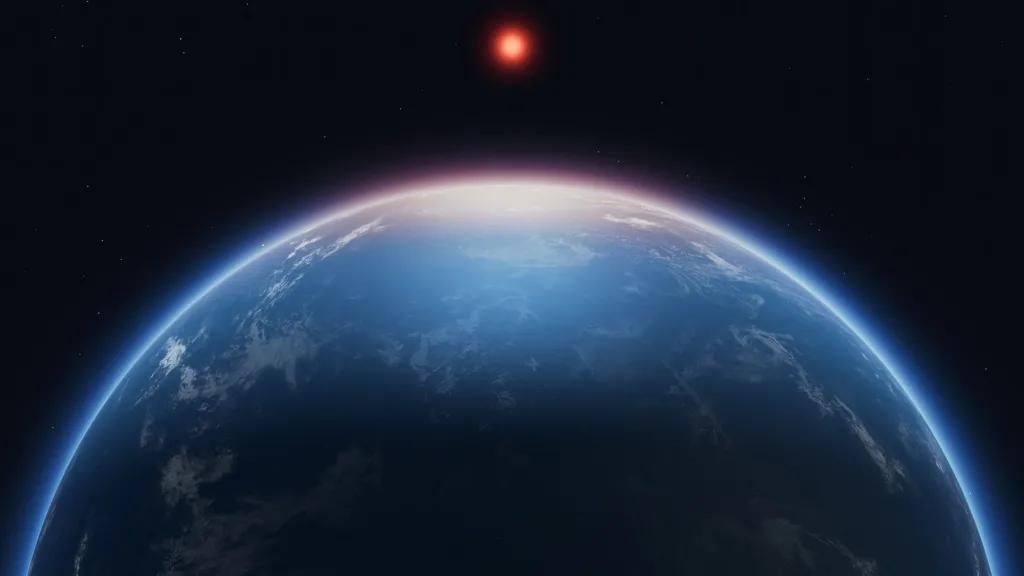
K2-18B Gezegeni (BBC)
In April 2025, observations made by the James Webb Space Telescope revealed the presence of methane and carbon dioxide in the atmosphere of K2-18b. This discovery provides a significant clue that biosignatures may exist on the planet. Scientists suggest that gases such as methane and carbon dioxide could be produced by biological processes. This makes K2-18b of great importance in the search for potential life.
The detection of methane and carbon dioxide in the atmosphere of K2-18b presents a promising potential biosignature for scientists evaluating the planet's habitability. On Earth, methane is predominantly produced by biological sources, while carbon dioxide can be a byproduct of biological processes such as photosynthesis. The presence of these gases strengthens the possibility that traces of life may exist on the planet and that it could be hospitable to life. However, methane and carbon dioxide can also originate from geological processes, not just biological ones. Therefore, further observations are required before any definitive conclusions can be drawn.
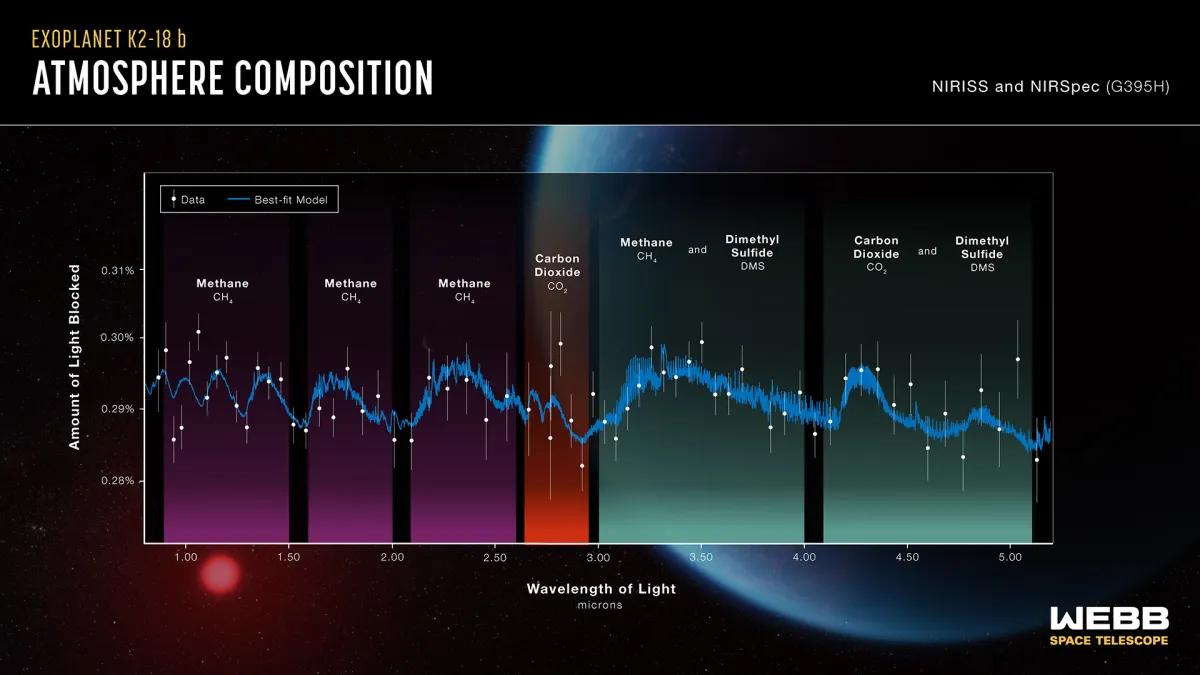
K2-18B Gezegeninin Atmosfer Bileşimi (NASA)
Research into the habitability potential of K2-18b has increased the likelihood that liquid water exists in its atmosphere. According to recent NASA studies, the surface of K2-18b may have conditions supportive of liquid water. Experts suggest that the planet's water vapor, atmospheric gases, and temperature conditions could together create an environment suitable for life. However, it has not yet been confirmed whether liquid water exists on the planet's surface, and further research is needed on this matter.
BBC. "Signs of Life on Alien Planet K2-18B." BBC.https://www.bbc.com/news/articles/c39jj9vkr34o.
ESA. "Webb Discovers Methane and Carbon Dioxide in Atmosphere of K2-18 B". European Space Agency (ESA),https://www.esa.int/Science_Exploration/Space_Science/Webb/Webb_discovers_methane_and_carbon_dioxide_in_atmosphere_of_K2-18_b.
NASA. "Webb Discovers Methane, Carbon Dioxide in Atmosphere of K2-18 B". NASA,https://www.nasa.gov/universe/exoplanets/webb-discovers-methane-carbon-dioxide-in-atmosphere-of-k2-18-b/.
NPR. "Signs of Life Found on K2-18b: Are There Biosignatures?" NPR,https://www-npr-org.translate.goog/2025/04/16/nx-s1-5364805/signs-life-alien-planet-biosignatures-exoplanet?_x_tr_sl=en&_x_tr_tl=tr&_x_tr_hl=tr&_x_tr_pto=sc.
USA Today. "NASA's New Exoplanet Discovery: Water and Potential for Life." USA Today, September 12, 2023.https://www.usatoday.com/story/news/nation/2023/09/12/nasa-exoplanet-water-life/70830603007/.

K2-18b
Discovery Year(s) | 2015 (Kepler Space Telescope) | ||||||||
|---|---|---|---|---|---|---|---|---|---|
Distance | 124 light years | ||||||||
Star | K2-18 (Red Dwarf Star) | ||||||||
Atmospheric Components | Methane (CH₄), Carbon Dioxide (CO₂), Dimethyl Sulfide (DMS) | ||||||||
Liquid Water Potential | Potential (In the habitable zone) | ||||||||
Planet Type | Super-Earth | ||||||||
Discovery and Characteristics of K2-18b
James Webb Telescope and New Discoveries
Biosignatures and the Probability of Life
Water and Possibilities for Life