

`exoplanets` Related Article Results
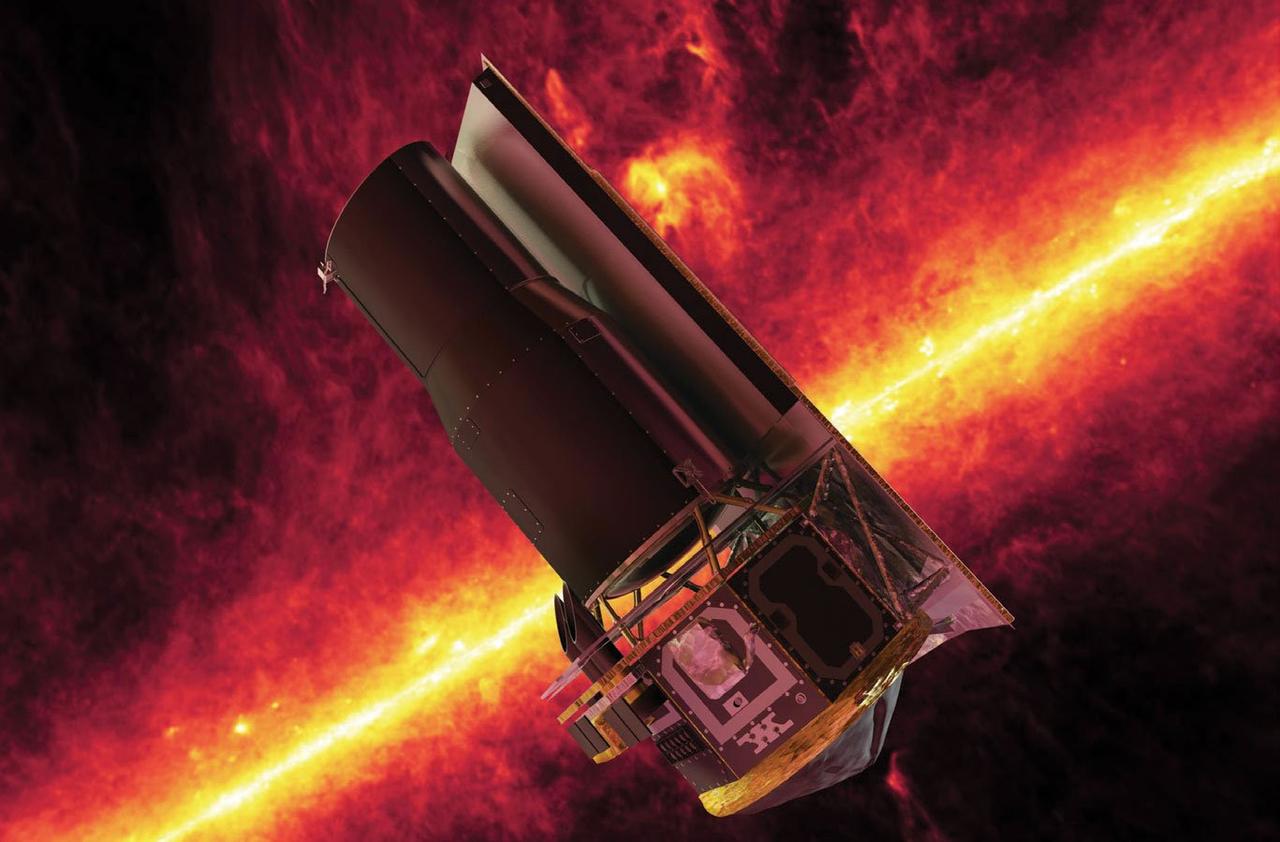
Spitzer Space Telescope
The Spitzer Space Telescope is an infrared observatory developed as part of NASA’s Great Observatories program and operated from 2003 to 2020 activity. It is named after astrophysicist Lyman Spitzer, a pioneer in infrared astronomy. Spitzer provided astronomers with valuable data on star formation galactic structure and the early universe through its unique capacity to observe cold and dusty regions of the cosmos important. Mission and Technical Specifications Mission Duration and Phases The Spi
EN
Osman Özbay
 Ke
KeKepler-20e
Kepler-20e, Sun is an exoplanet discovered by the Kepler Space Telescope outside our solar system. It orbits the Kepler-20 star system, located approximately 950 light years from World. It was announced on 20 December 2011 by the Kepler science team. Discovery and Significance: The discovery of Kepler-20e is significant because it is one of the first Earth-sized planets found outside the Solar System. It was detected using the Kepler telescope’s transit method. This discovery provided important
EN
Ahmet Şorsu
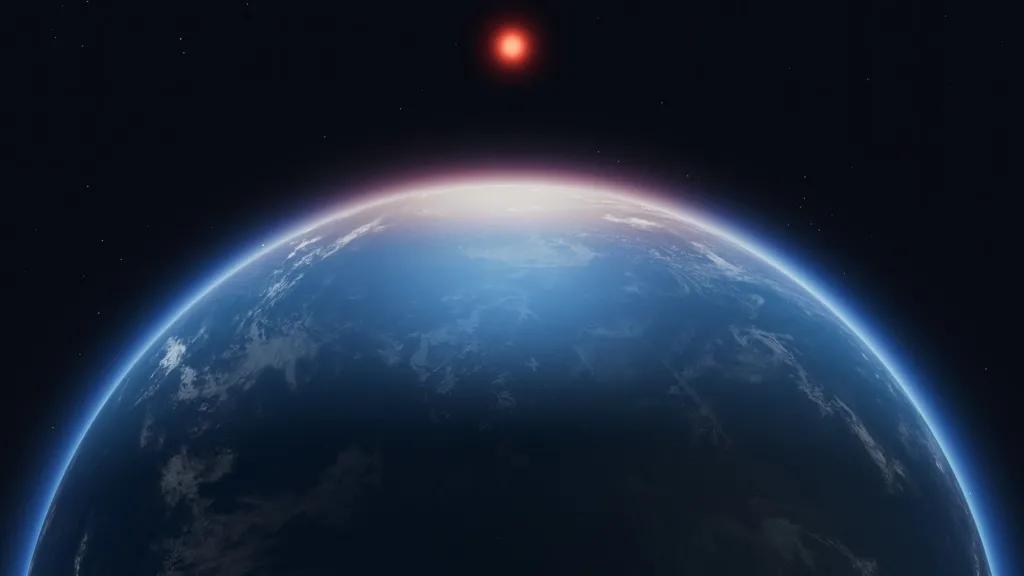
K2-18b
K2-18b is an exoplanet discovered in 2015 by NASA’s Kepler Space Telescope and holds significant importance in the study of planets outside the Solar System that may harbor life. K2-18b has attracted scientific attention as a planet thought to potentially support Earth-like conditions, particularly due to the detection of methane and carbon dioxide in its atmosphere. Discovery and Characteristics of K2-18b K2-18b was discovered during the Kepler Space Telescope’s K2 mission and is located approx
EN
Muhammed Hüseyin Dağ
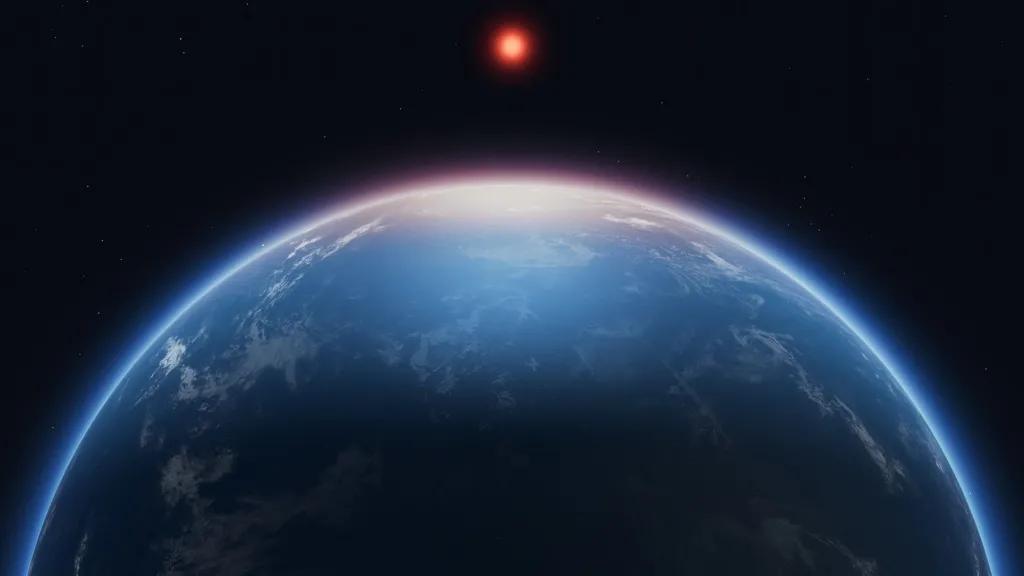
K2-18b
K2-18b is an exoplanet discovered in 2015 by NASA's Kepler Space Telescope. It holds significant importance in the study of planets outside the Solar System that may harbor life. K2-18b has attracted scientific attention as a planet thought to possess Earth-like conditions, particularly due to the detection of methane and carbon dioxide in its atmosphere. Discovery and Characteristics of K2-18b K2-18b was discovered during the K2 mission by the Kepler Space Telescope and is located approximately
EN
Muhammed Hüseyin Dağ
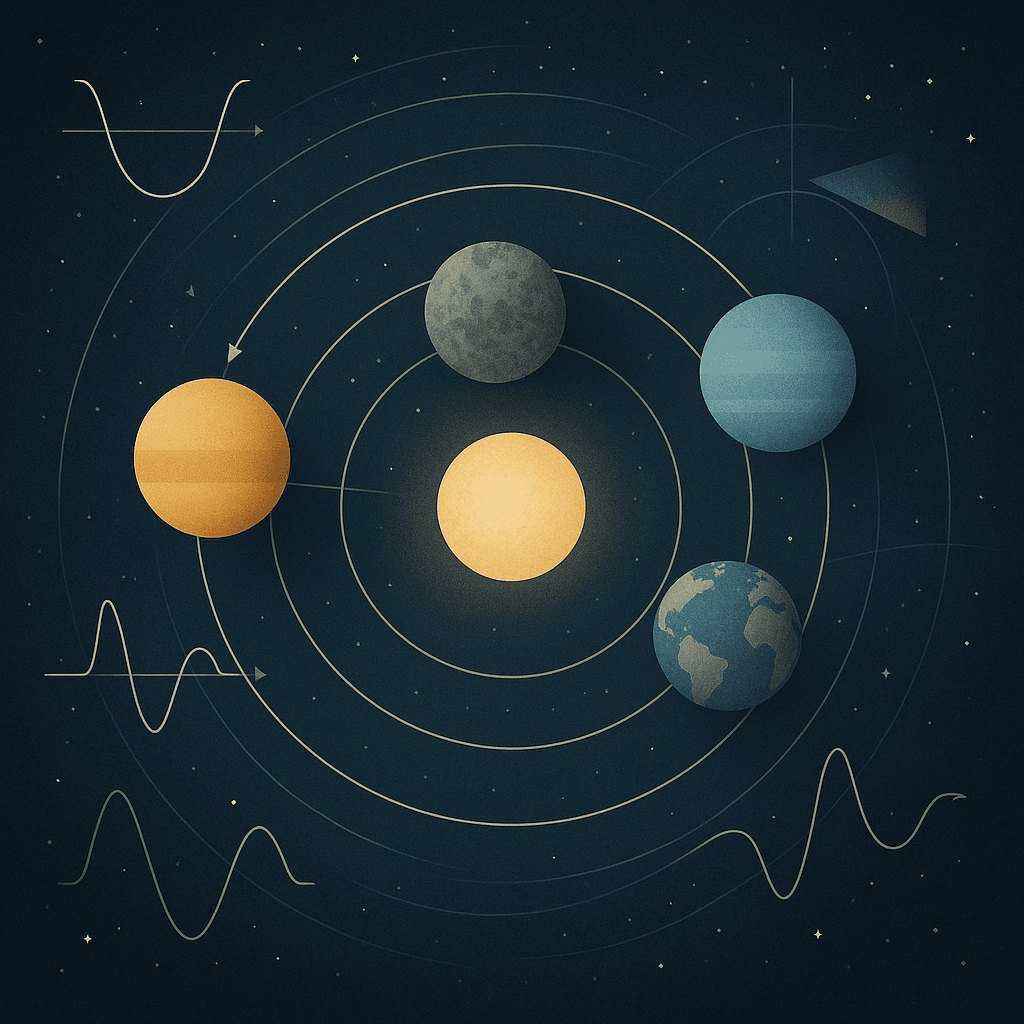
Exoplanets
Planets orbiting stars outside the Solar System, known as exoplanets, constitute one of the most rapidly advancing research areas in modern astronomy. Following their first discoveries in the early 1990s, this field quickly evolved into a discipline where observational techniques, statistical analyses, and theories of planet formation are rigorously tested. Thanks to modern telescopes, thousands of exoplanets have been confirmed, and their diversity has reshaped planetary science. History and De
EN
Ömer Said Aydın
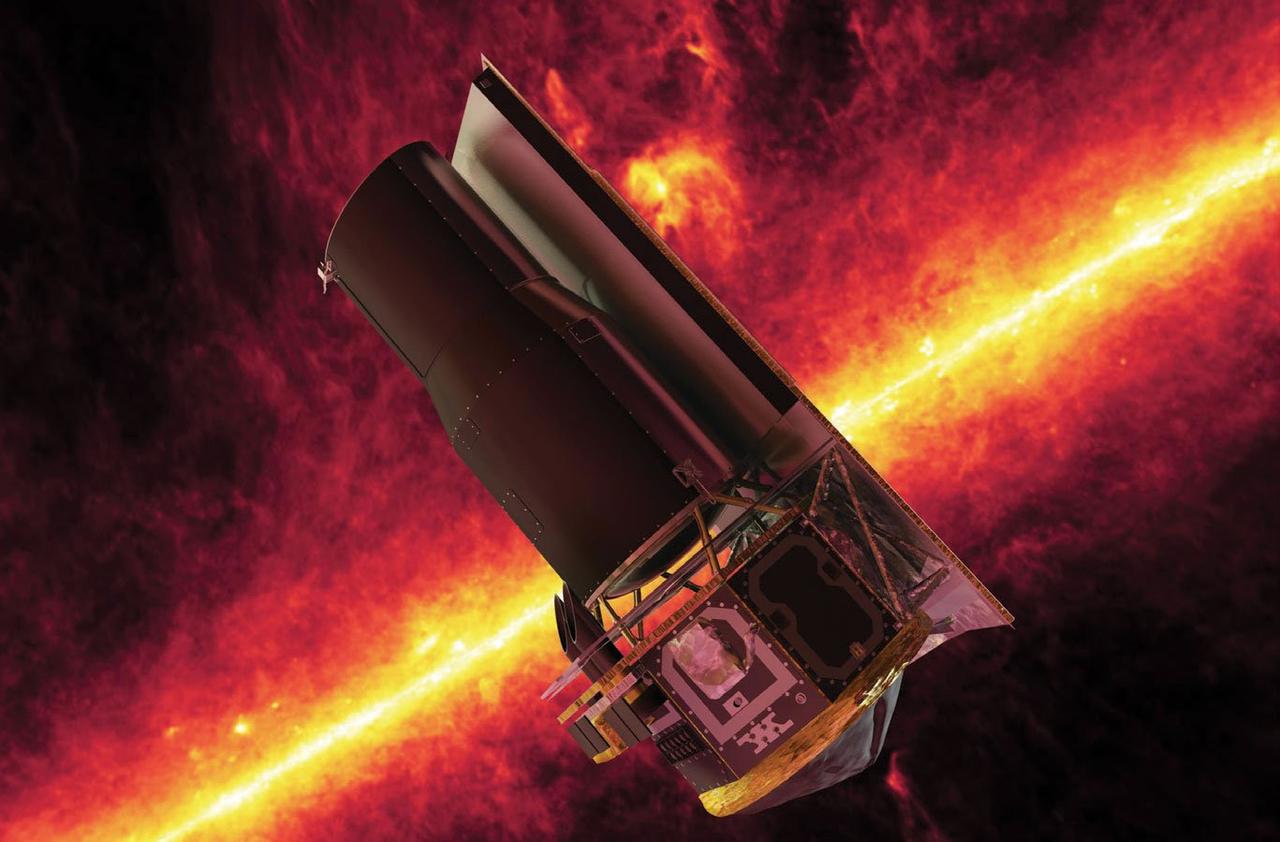
Spitzer Space Telescope
The Spitzer Space Telescope is an infrared astronomy telescope developed as part of NASA’s Great Observatories program and operated from 2003 to 2020. It is named after astrophysicist Lyman Spitzer, regarded as a pioneer in infrared astronomy. Spitzer provided astronomers with important data on star formation, galaxy structure and the early universe, particularly through its capacity to observe cold and dusty regions of the cosmos. Mission and Technical Specifications Mission Duration and Phases
EN
Osman Özbay

Planets
Planets are celestial bodies that are gravitationally bound to a central star or stellar system, have sufficient mass to achieve hydrostatic equilibrium (an approximately spherical shape), and are the dominant gravitational bodies in their orbits. This definition, clarified with the International Astronomical Union's (IAU) revision of the concept of a planet, distinguishes them from dwarf planets. Planets are of critical importance for understanding the architecture, evolution, and potential ast
EN
Caner Sefa Koçyiğit