

`exoplanet` Related Article Results

Potential Habitable Exoplanet HD 137010 b
Spatial research continues to expand our understanding of the universe each day. Recently, astronomers announced the discovery of a new planet located at a relatively close distance from World and possessing potential for habitability. This planet, named HD 137010 b, has attracted scientific interest due to its characteristics. How Close Is It to Earth? HD 137010 b is located approximately 146 light years from Earth. Its radius is only 6 percent larger than Earth’s, placing it very close to the
EN
Oksana Gülünay
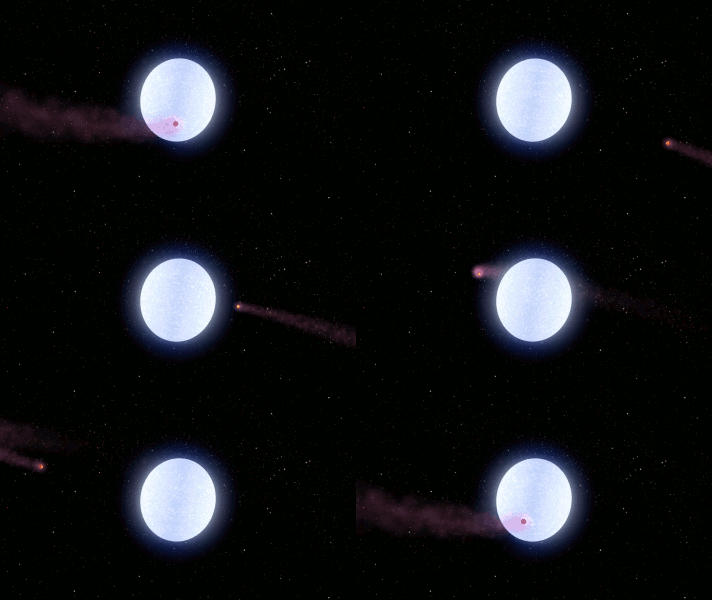
KELT-9b
KELT-9b is a gas giant exoplanet that stands out among extrasolar planets due to its physical and atmospheric properties. Discovered in 2016, it has become a significant subject in scientific research as one of the planets with the highest surface temperatures ever detected. Discovery Information KELT-9b was discovered in 2016 as part of the KELT (Kilodegree Extremely Little Telescope) project. This discovery was made during a sky survey led by Ohio State University in the United States. The fin
EN
Osman Özbay
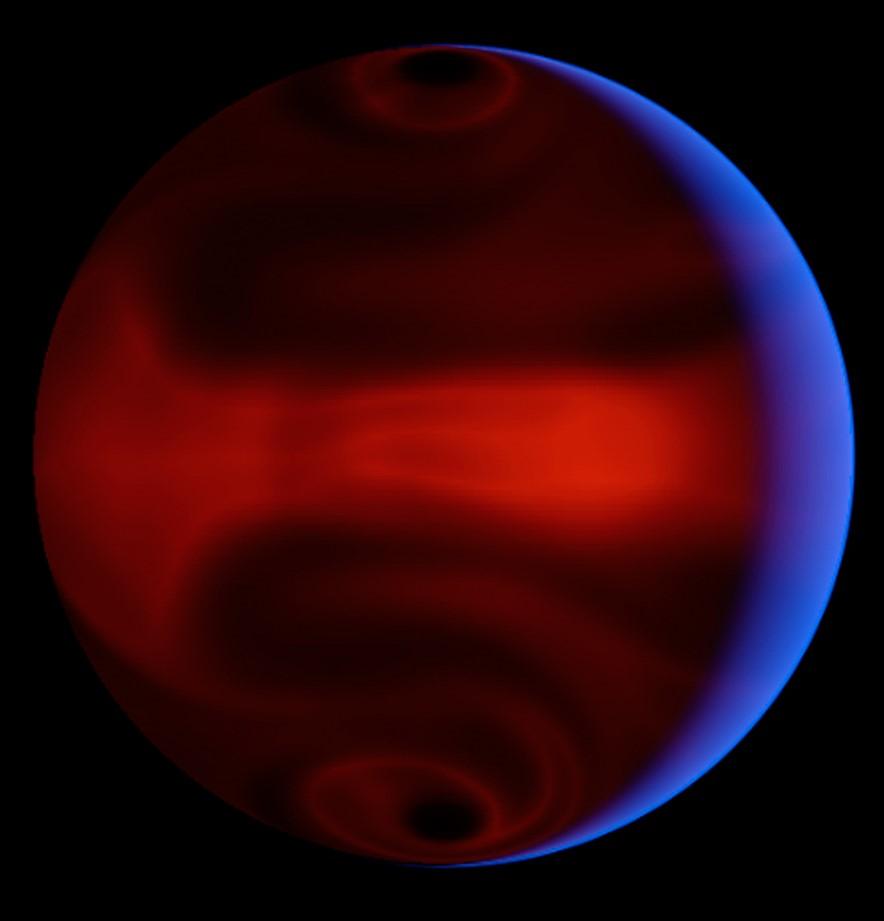
HD 80606b
HD 80606b is a gas giant with remarkable physical and orbital characteristics among exoplanets outside the Solar System. It orbits HD 80606, a G5V-type main-sequence star similar to the Sun, located in the Pegasus constellation approximately 190 light-years from Earth. This planet is particularly notable for its highly eccentric orbit and the abrupt temperature fluctuations this causes. HD 80606b was first discovered in 2001 using the radial velocity method. Physical and Orbital Characteristics
ENOsman Özbay
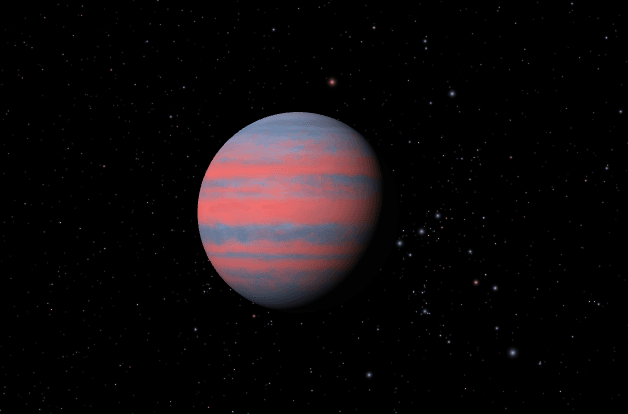
AEgir (Epsilon Eridani b)
AEgir (Epsilon Eridani b), is a controversial gas giant exoplanet candidate proposed to orbit Epsilon Eridani (officially named Ran), a young, Sun-like star located approximately 10.5 light years from Earth in the direction of the Eridanus constellation. The planet’s discovery was announced in 2000 using the radial velocity method. Subsequently, it was claimed that its existence had been confirmed by astrometric measurements made with the Hubble Space Telescope. However, more precise observation
EN
Erhan Şencan

Planet
Planets were once described as “wandering points of light” in the sky. At that time, people believed Earth was at the center of the universe. But as science advanced, telescopes were invented and astronomers made new discoveries. We now know that planets orbit a star, can vary in shape and size, and each moves along its own unique orbit. So why is a celestial body classified as a “planet”? Scientists spent years observing the sky to find the answer. Now I will share that answer with you—but don’
EN
Elif Laçin
 Ka
KaKapteyn b
Kapteyn b is a proposed exoplanet candidate believed to orbit Kapteyn’s Star, located approximately 13 light-years from Earth in the direction of the constellation Pictor and recognized as one of the oldest known stars. However, its existence has been largely refuted in recent years. When its discovery was announced in 2014, Kapteyn b was described as a potential super-Earth residing within the habitable zone of its host star and estimated to be about 11 billion years old. This would have made i
ENErhan Şencan
TETESS Space Telescope
Güneş Sistemi outside the stars orbiting exoplanets is a space telescope developed to detect. Its mission is to identify regular brightness variations caused by planets passing in front of particularly nearby and bright stars relative to Earth, thereby identifying new planet candidates. Mission Objective and Scientific Goals The primary objective of TESS is to survey a large portion of the sky to detect numerous exoplanet candidates. Unlike previous space telescopes, TESS adopts an observational
EN
Halil İbrahim ALADAĞ

Potential Habitable Exoplanet HD 137010 b
Space research continues to expand our understanding of the universe each day. Most recently, astronomers announced the discovery of a new planet, relatively close to Earth, that may have potential for habitability. This planet, named HD 137010 b, has attracted scientific interest due to its characteristics. How Close Is It to Earth? HD 137010 b is located approximately 146 light years from Earth. Its radius is only 6 percent larger than Earth’s, placing it very close to the category of “Earth-l
EN
Oksana Gülünay
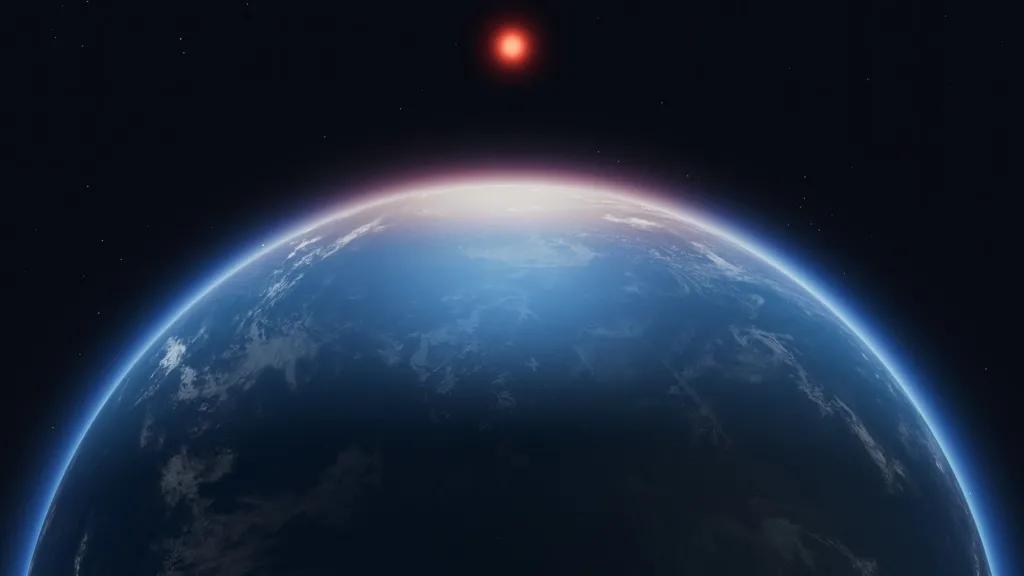
K2-18b
K2-18b is an exoplanet discovered in 2015 by NASA’s Kepler Space Telescope and holds significant importance in the study of planets outside the Solar System that may harbor life. K2-18b has attracted scientific attention as a planet thought to potentially support Earth-like conditions, particularly due to the detection of methane and carbon dioxide in its atmosphere. Discovery and Characteristics of K2-18b K2-18b was discovered during the Kepler Space Telescope’s K2 mission and is located approx
EN
Muhammed Hüseyin Dağ
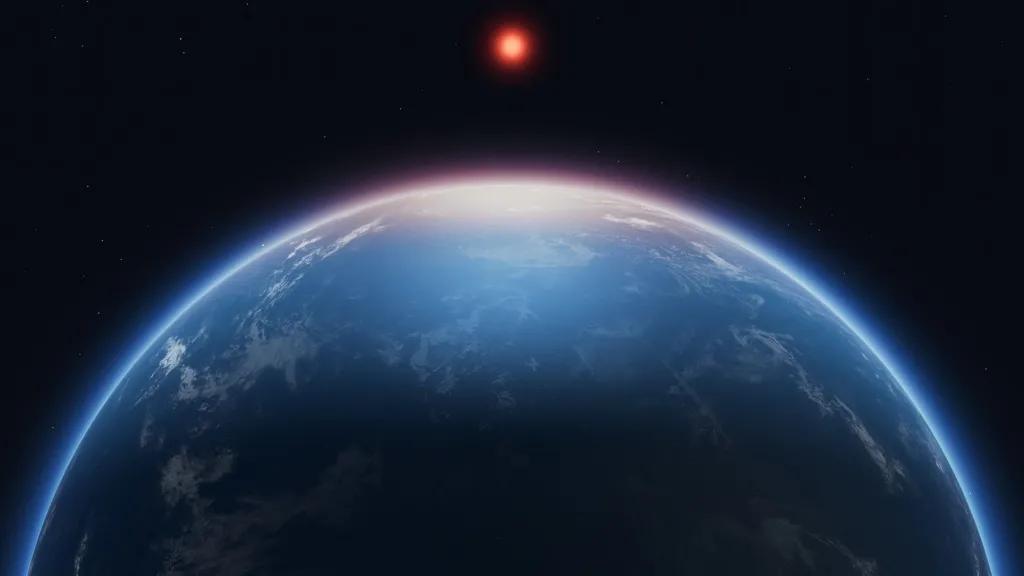
K2-18b
K2-18b is an exoplanet discovered in 2015 by NASA's Kepler Space Telescope. It holds significant importance in the study of planets outside the Solar System that may harbor life. K2-18b has attracted scientific attention as a planet thought to possess Earth-like conditions, particularly due to the detection of methane and carbon dioxide in its atmosphere. Discovery and Characteristics of K2-18b K2-18b was discovered during the K2 mission by the Kepler Space Telescope and is located approximately
EN
Muhammed Hüseyin Dağ