


This article was automatically translated from the original Turkish version.
+2 More
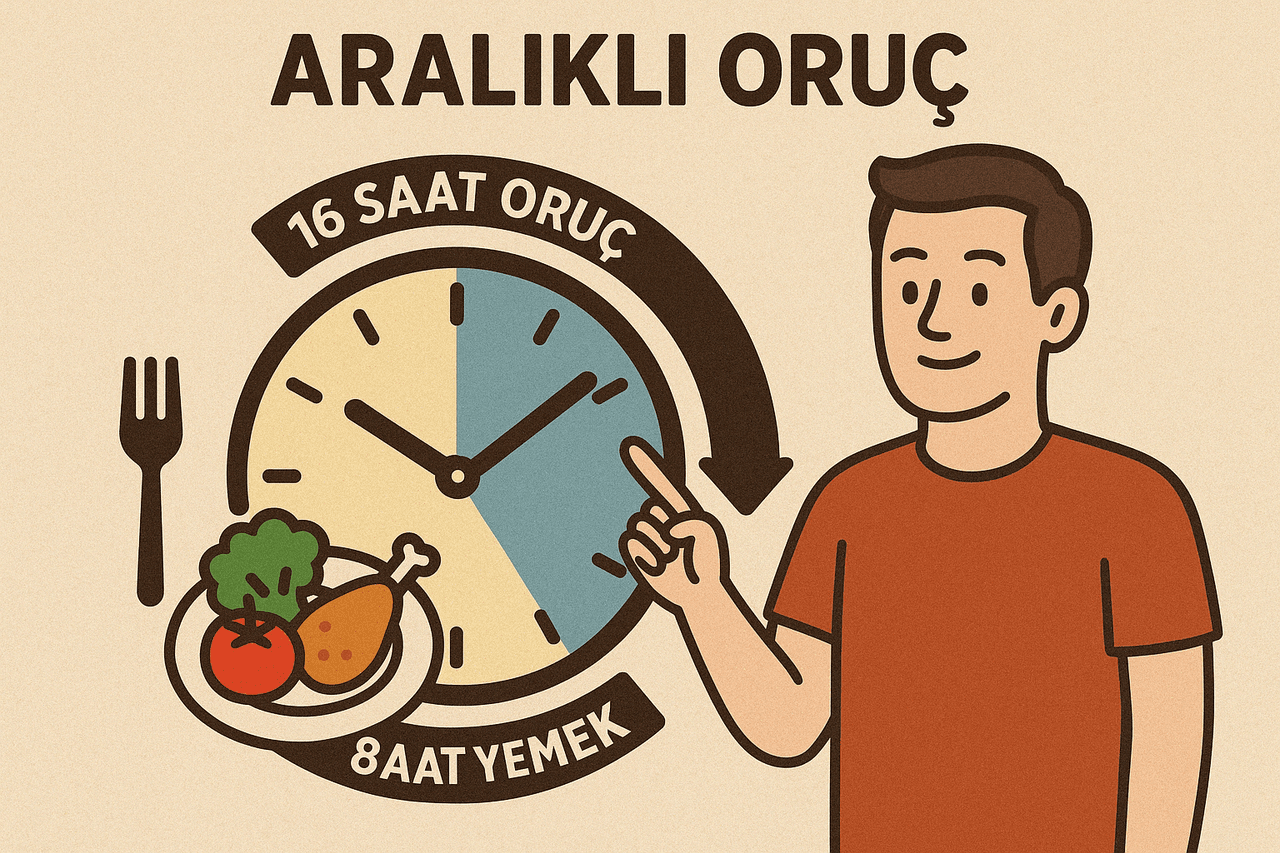
Intermittent fasting is a dietary pattern in which eating and fasting periods alternate. In this model, energy intake is restricted to specific time intervals, while during the remaining periods individuals either abstain completely from food or significantly reduce their energy intake. Historically, intermittent fasting has been practiced not only for weight control but also as part of various religious practices and traditional lifestyles.
class=\
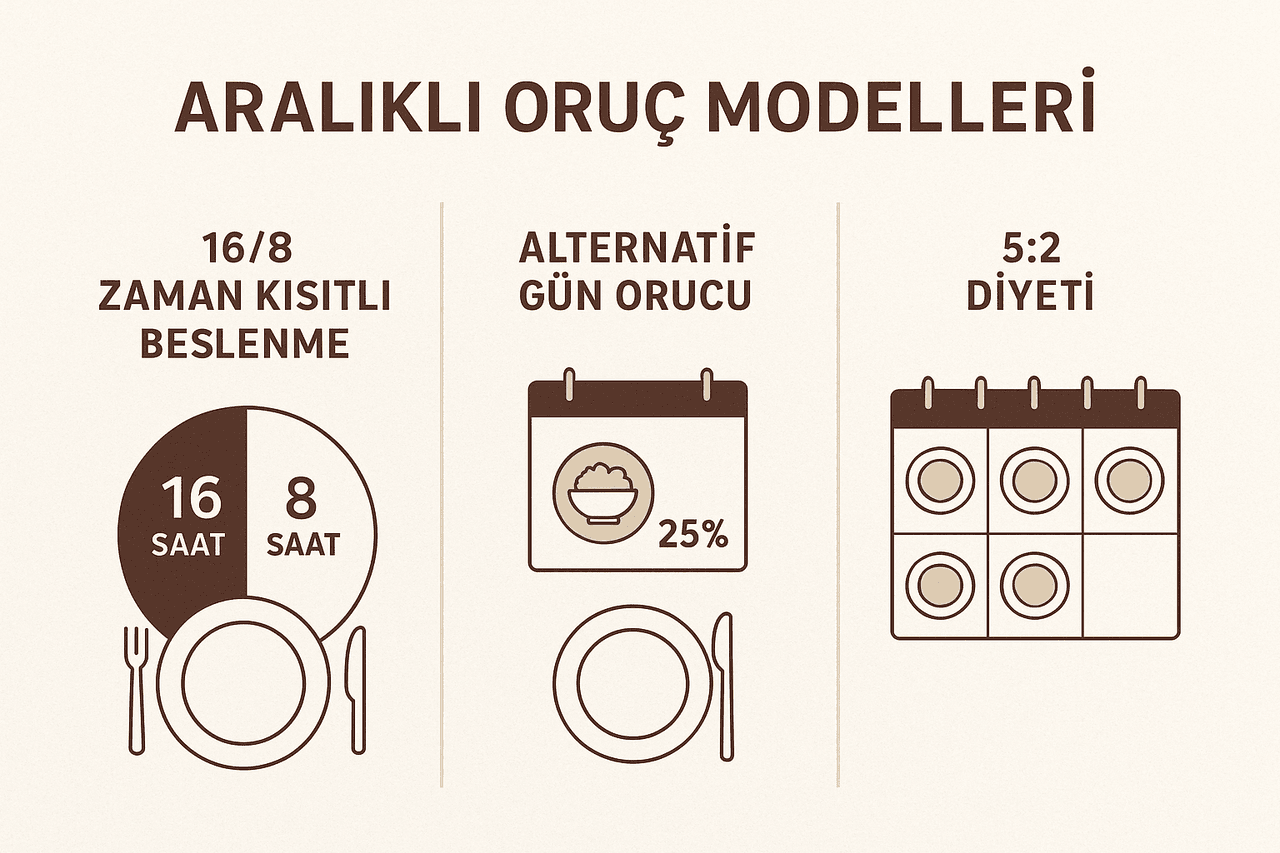
Intermittent fasting is categorized into various models depending on the application method. Each model differs in terms of fasting and feeding durations and consequently produces distinct metabolic effects:
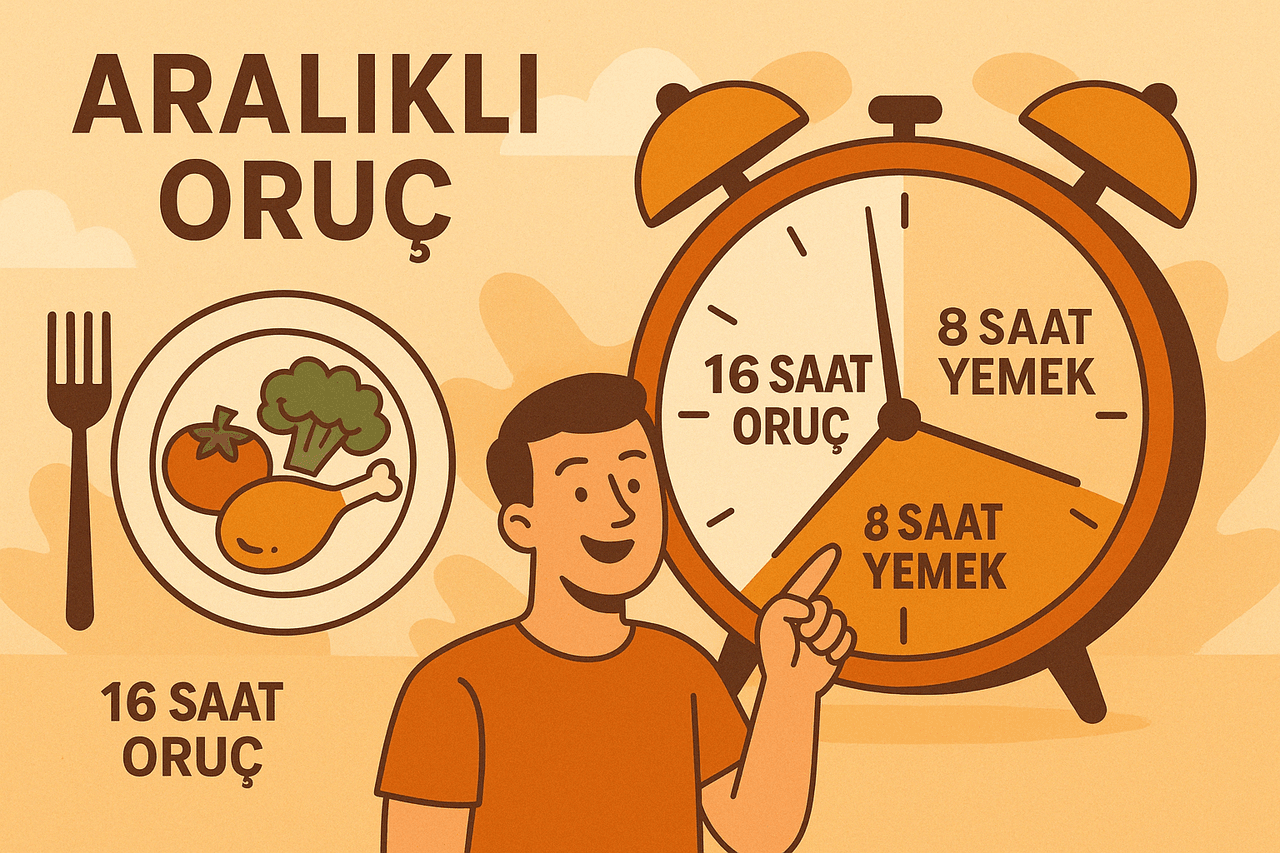
1. Time-Restricted Feeding (TRF): In this model daily energy intake is confined to a specific time window. The most common application is the 16/8 model, involving 16 hours of fasting and 8 hours of eating. Calorie restriction is not mandatory in this model, but total energy intake may still decrease.
2. Alternate Day Fasting (ADF): In this method normal eating occurs on one day, while energy intake is limited to approximately 25% on the following day. Studies using the ADF model have reported reductions in body fat, increased insulin sensitivity, and decreased levels of certain inflammatory markers.
3. 5:2 Diet: In this model, normal eating is maintained for five days of the week, while energy restriction is applied on two non-consecutive days. On restricted days, energy intake is limited to approximately 500 kilocalories for women and 600 kilocalories for men.
class=\
Intermittent fasting does not merely reduce energy intake but also induces various changes in the body’s metabolic responses. These effects vary depending on the duration of fasting, timing of feeding, and the type of model applied:
1. Metabolic Switch: When intermittent fasting is practiced, glycogen stores are typically depleted within 8 to 12 hours, after which the body begins utilizing fatty acids and ketone bodies as its primary energy source. This process, known as the metabolic switch, represents a physiological adaptation characterized by accelerated lipolysis and ketogenesis.
2. Insulin and Glucose Levels: Intermittent fasting regimens are associated with increased insulin sensitivity and reduced fasting glucose and insulin levels. Depletion of glycogen stores and increased ketone production can lead to decreased insulin secretion.
3. Hormones and Energy Balance Biomarkers: Intermittent fasting can induce changes in various hormone levels:
4. Inflammation and Oxidative Stress: Reductions have been observed in proinflammatory markers such as IL-6, TNF-α, and CRP, while antioxidant defense systems show signs of enhancement. This condition suggests that intermittent fasting may reduce systemic inflammation and oxidative stress levels.
5. Cellular Repair and Adaptation Mechanisms: Fasting periods can activate cellular stress responses, including:
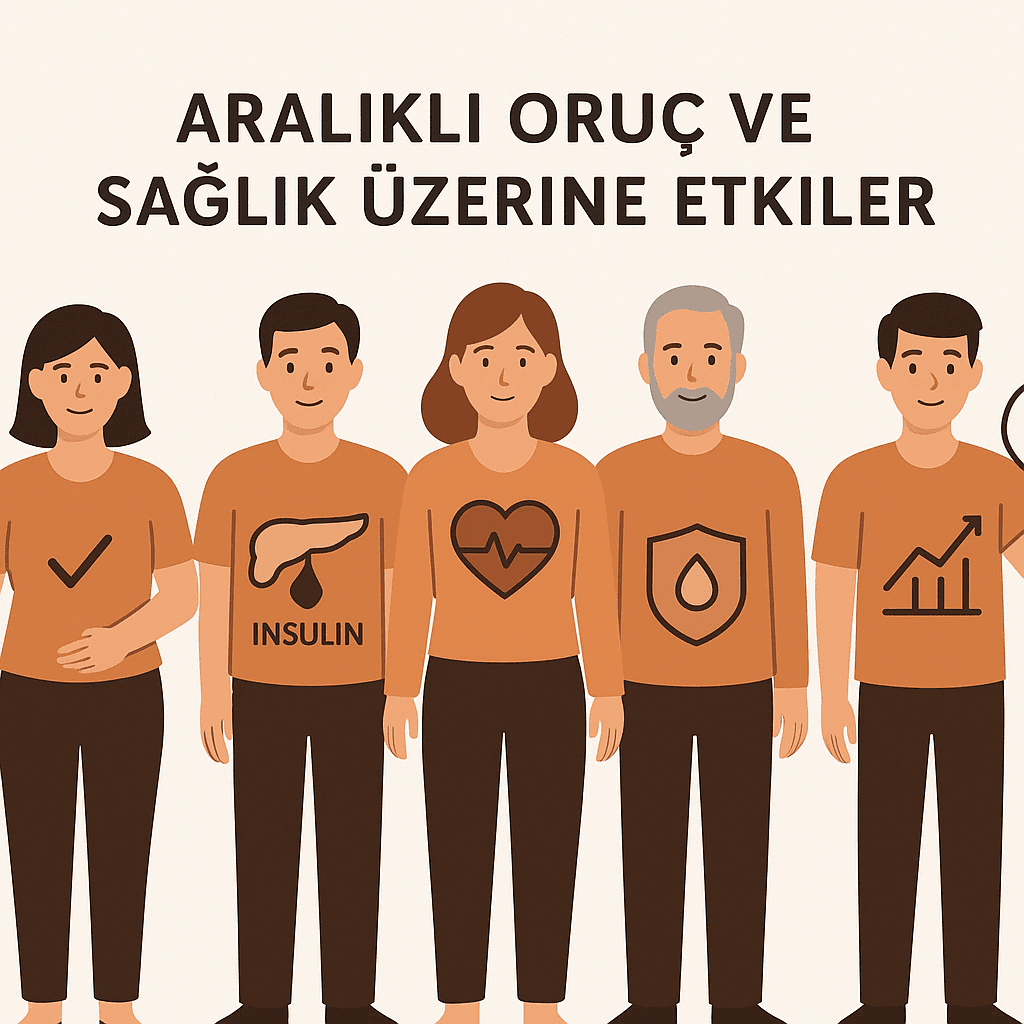
Intermittent fasting is also studied as a dietary model for preventing and managing various metabolic diseases beyond weight control. Most scientific studies investigate its effects on obesity, type 2 diabetes, cardiovascular diseases, and certain metabolic disorders.
It is proposed that the regular cycles of fasting and feeding in this model may regulate energy metabolism, increase insulin sensitivity, reduce inflammatory markers, and improve lipid profiles.
class=\
It has also been observed that intermittent fasting can regulate circadian rhythms and influence autophagy and other cellular repair mechanisms. The magnitude and duration of these effects may vary according to the application method, duration, and individual physiological differences.
Although intermittent fasting can provide certain metabolic and physiological benefits for specific individuals, it may not be suitable for everyone. Therefore, before implementation, various limitations and possible risks must be considered:
1. Sustainability and Individual Adaptation: Intermittent fasting regimens can be physiologically and psychologically challenging for some individuals. Prolonged fasting periods may lead to symptoms such as headache, fatigue, difficulty concentrating, and irritability. Additionally, energy restriction in individuals with normal body mass index may result in unnecessary weight loss and low sustainability.
2. Risk Groups: Intermittent fasting is not recommended for the following groups:
In these groups, intermittent fasting may lead to adverse outcomes such as hypoglycemia, inadequate nutrition, and reduced performance.
3. Scientific Limitations: Most existing studies on intermittent fasting are short-term, typically lasting three months or less. There is insufficient scientific data on long-term effects. Furthermore, current findings may vary depending on the protocol used, participants’ age, sex, and health status.
For these reasons, intermittent fasting should be implemented under the supervision of a qualified healthcare professional, taking into account individual health conditions, lifestyle, and potential risk factors.
Intermittent fasting is a dietary approach under active research for weight management and metabolic health. Its adaptability to individual lifestyles is facilitated by various application models. Scientific studies have reported potential beneficial effects of intermittent fasting on obesity, type 2 diabetes, dyslipidemia, and inflammatory conditions.
class=\
The alignment of this dietary model with circadian rhythms, its support of cellular repair mechanisms, and its potential regulatory effects on the gut microbiota are considered distinguishing features compared to other energy-restricted diet models.
However, the majority of the current literature is limited to short-term studies with small sample sizes. Therefore, more randomized controlled trials are needed to determine the long-term safety, sustainability, and effects of intermittent fasting across different age, sex, and health groups.
Warning: The content in this articleyer serves solely for general encyclopedic bilgi purposes. The information provided here must not be used for diagnosis, treatment, or medical advice. Before making any decisions regarding health, you must consult a physician or qualified healthcare professional. The author and KÜRE Encyclopedia assume no responsibility for any consequences arising from the use of this information for diagnosis or treatment purposes.
Akpınar, Şerife, and Gamze Akbulut. "Aralıklı Açlık Diyetlerinin Ağırlık Denetimi ve Sağlık Çıktıları Üzerindeki Etkisi." *SDÜ Sağlık Bilimleri Dergisi* 10, no. 2 (2019): 177–179.https://dergipark.org.tr/tr/download/article-file/737188
Evrin, Nuray. "Aralıklı Oruç ve Metabolik Etkileri." drnurayevrin.com. Accessed April 17, 2025.https://www.drnurayevrin.com/makaleler/aralikli-oruc-ve-metabolik-etkileri.
Gül, Açelya, and Elvan Yılmaz Akyüz. "Aralıklı Açlık ve Metabolik Etkileri." *Sağlık Akademisyenleri Dergisi* 9, no. 1 (2022): 99–103.https://dergipark.org.tr/tr/download/article-file/2125453.
Mattson, Mark., Longo, Valter, and Harvie, Michelle. "Impact of Intermittent Fasting on Health and Disease Processes" *Nutrition, Metabolism and Cardiovascular Diseases* 27, no. 4 (2017): 327–333. Accessed April 17, 2025.https://www.sciencedirect.com/science/article/abs/pii/S1568163716302513
Patterson, Ruth E., and Dorothy D. Sears. "Metabolic Effects of Intermittent Fasting." *Annual Review of Nutrition* 37 (2017): 371–393. Accessed April 17, 2025.https://www.annualreviews.org/content/journals/10.1146/annurev-nutr-071816-064634
Pellegrini, Marina, et al. "Intermittent Fasting and Metabolic Health: From Religious Fast to Time-Restricted Feeding." *Nutrients* 14, no. 3 (2022): 631. Accessed April 17, 2025.https://www.mdpi.com/2072-6643/14/3/631

No Discussion Added Yet
Start discussion for "Intermittent Fasting" article
Intermittent Fasting Models
Physiological and Metabolic Effects
Effects of Intermittent Fasting on Health
Limitations, Risks, and Applicability
Scientific Evaluation